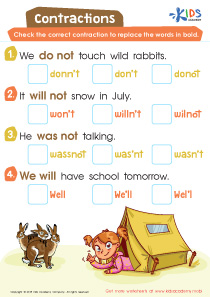
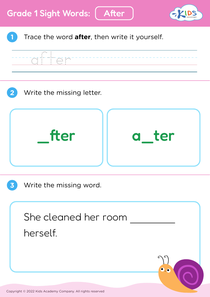
Reading proficiency Grade 1 Worksheets
7 filtered results
-
From - To
Boost your child's reading skills with our Grade 1 Reading Proficiency Worksheets from Kids Academy. Our expertly-designed worksheets enhance first graders' comprehension, vocabulary, and fluency through engaging activities. Each worksheet features age-appropriate passages and exercises focused on letters, sounds, word recognition, and sentence structure. Perfect for classroom use or extra practice at home, our resources ensure your child builds a solid reading foundation with fun, interactive challenges. Trust Kids Academy to support your child's literacy journey and watch their confidence soar. Discover the difference structured, enjoyable learning can make with our Reading Proficiency Worksheets.
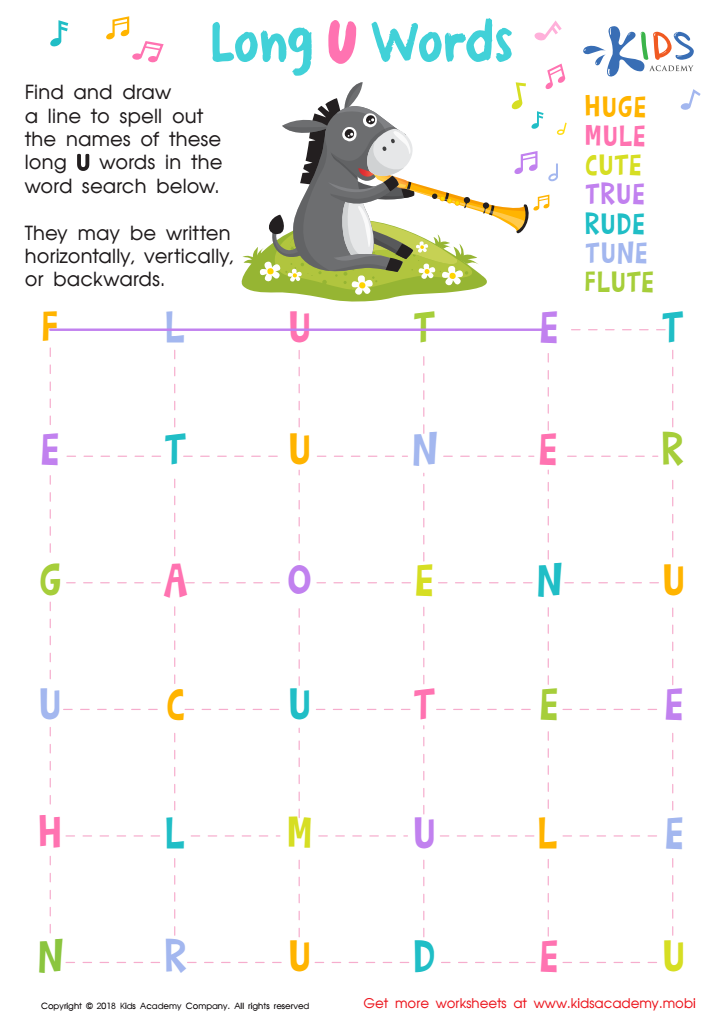
Long /u/ Words Worksheet
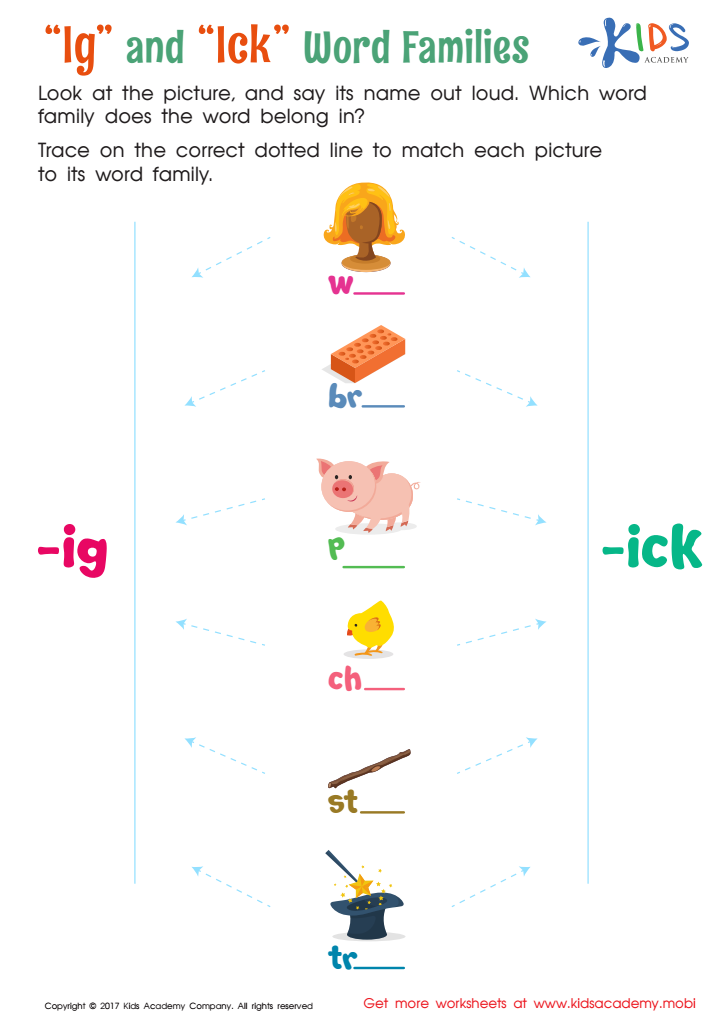
Words Families "ig" and "ick" Spelling Worksheet
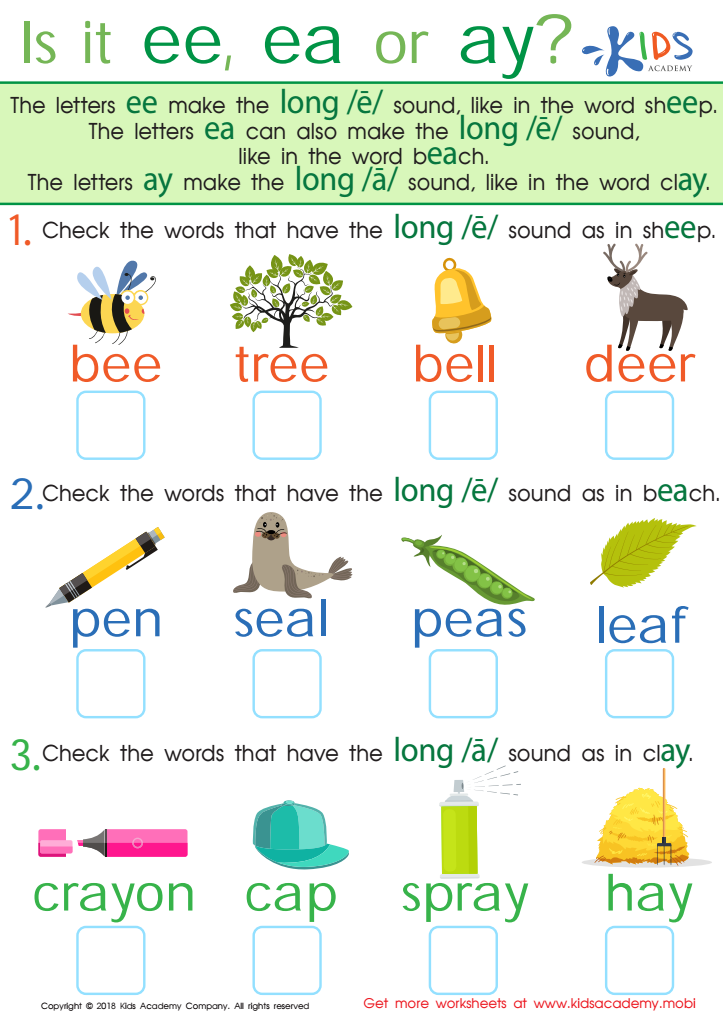
Is It EE, EA, or AY? Worksheet

Long and Short U Worksheet
 Assign to My Students
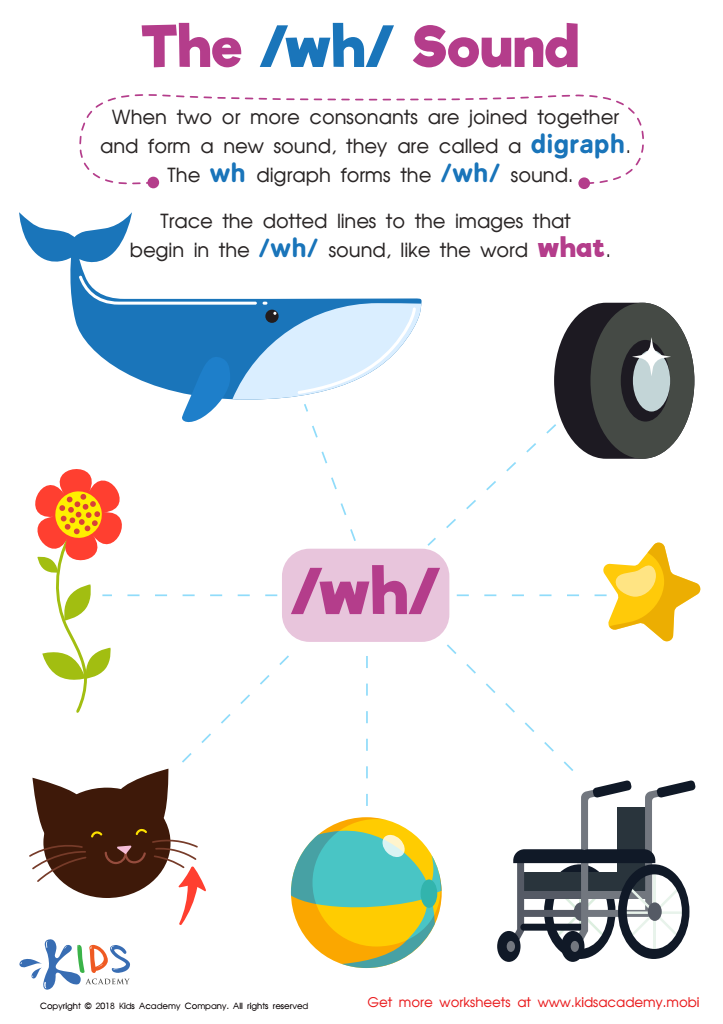
The /wh/ Sound Worksheet
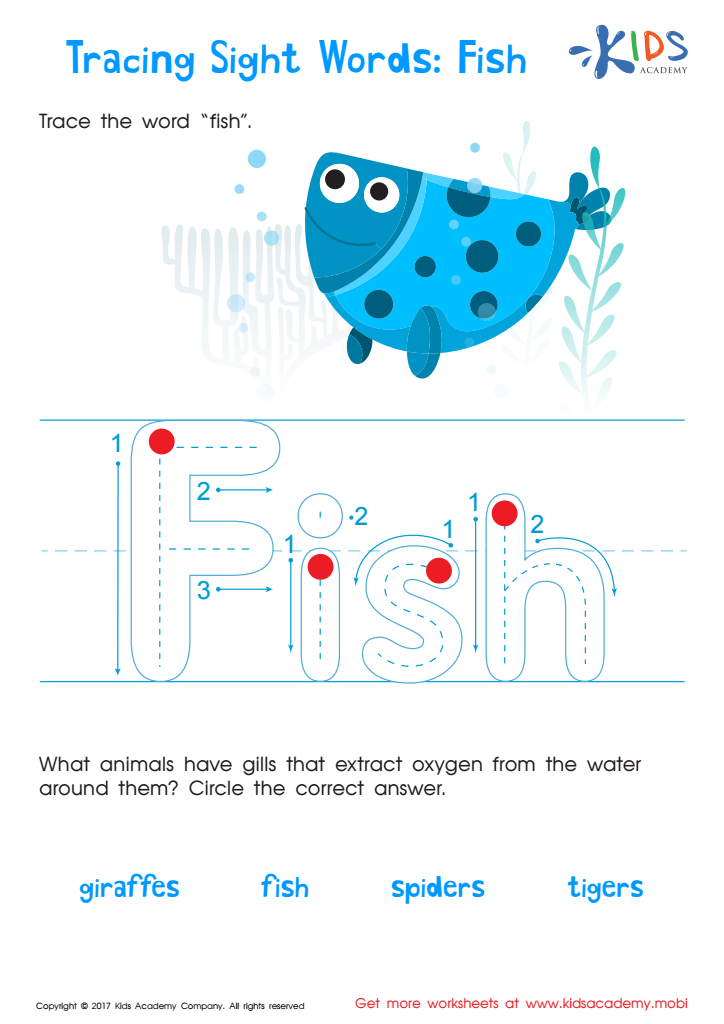
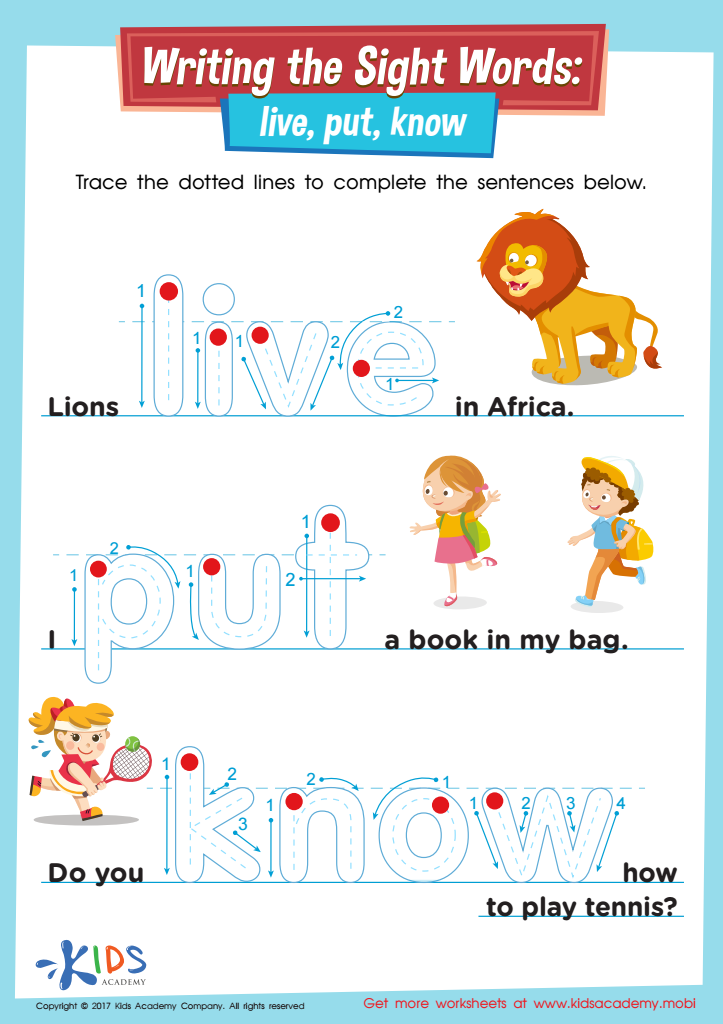
Live, Put, Know Printable Sight Words Worksheet






Reading proficiency in Grade 1 serves as a critical foundation for a child's educational journey. At this early stage, children transition from learning to read to reading to learn. Mastery of basic reading skills allows them to understand and gain knowledge from various subjects, fostering academic success across the board.
Parents and teachers should care about Grade 1 reading proficiency for several reasons. First, children who develop strong reading skills early are more likely to enjoy reading, which can cultivate a lifelong love of learning and literature. Conversely, children who struggle with reading may face ongoing academic challenges, potentially diminishing self-esteem and leading to a negative attitude towards school.
Moreover, early reading proficiency is a key predictor of later academic achievement. Research shows that children who read proficiently by the end of Grade 1 have a significantly higher chance of performing well in later grades, reducing the likelihood of needing remedial education.
Lastly, early reading skills help build critical cognitive and social-emotional skills, such as attention, concentration, and empathy. By investing in reading proficiency at this crucial stage, parents and teachers equip children with the tools they need to navigate and thrive in an increasingly complex world. Therefore, prioritizing reading fluency in Grade 1 offers profound long-term educational and personal benefits.