Understanding history Grade 1 Worksheets
4 filtered results
Difficulty Level
Grade
Age
-
From - To
Subject
Activity
Standards
Understanding History Grade 1 Worksheets by Kids Academy are designed for young learners to develop foundational history skills through engaging and interactive activities. These worksheets introduce first graders to basic historical concepts, events, and figures in a fun and educational way. With colorful illustrations and age-appropriate content, children will enhance their understanding of the past, build critical thinking skills, and foster a love for history. Perfect for classroom use or at-home practice, these printable worksheets provide an excellent resource for educators and parents to support their child's learning journey. Start exploring history today with Kids Academy!
Favorites
With answer key
Interactive
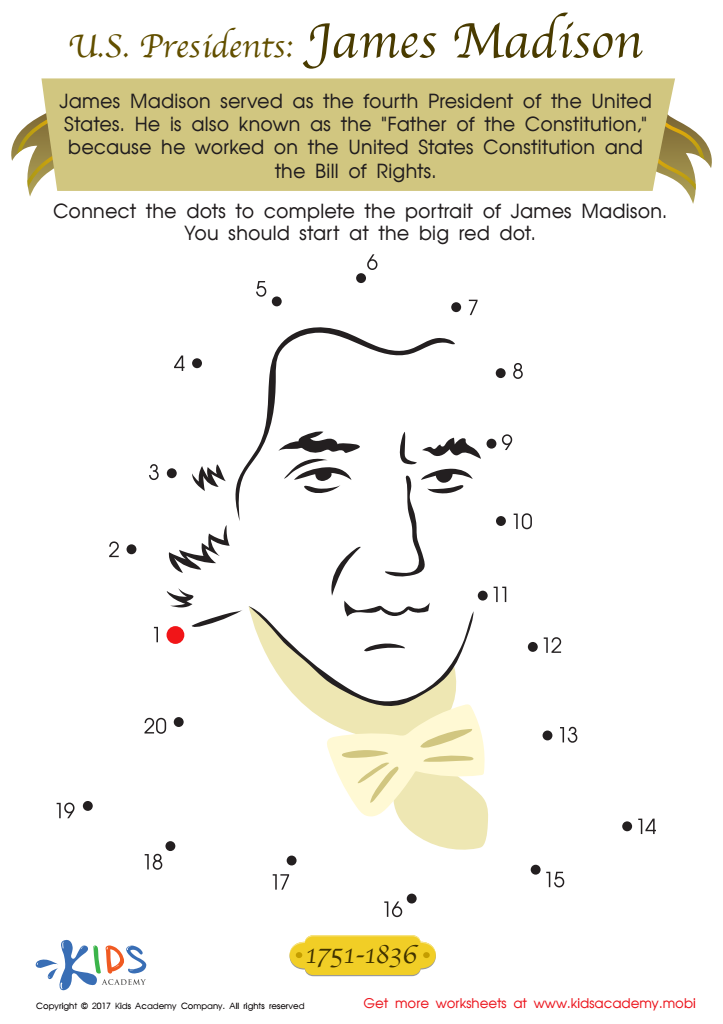
President Madison Printable
Introduce your child to the nation's fourth president, James Madison. This worksheet helps them learn about the "Father of the Constitution" and his contributions to American history. Discover Madison's legacy with your child today!
President Madison Printable
Worksheet
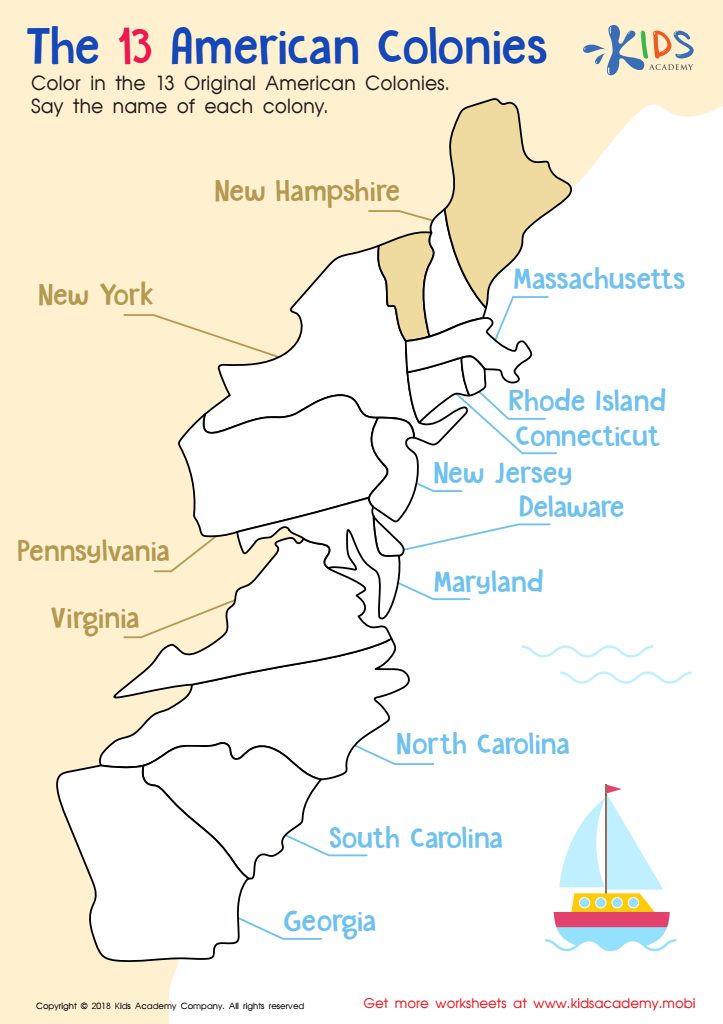
The 13 American Colonies Worksheet
Ensure kids are knowledgeable in maths, English, science, history, and geography. Test their American knowledge: Can they name the 13 Original American Colonies? Use the worksheet; have them color each colony and name it out loud.
Download (PDF)
 Assign to My Students
Assign to My Students
The 13 American Colonies Worksheet
Worksheet
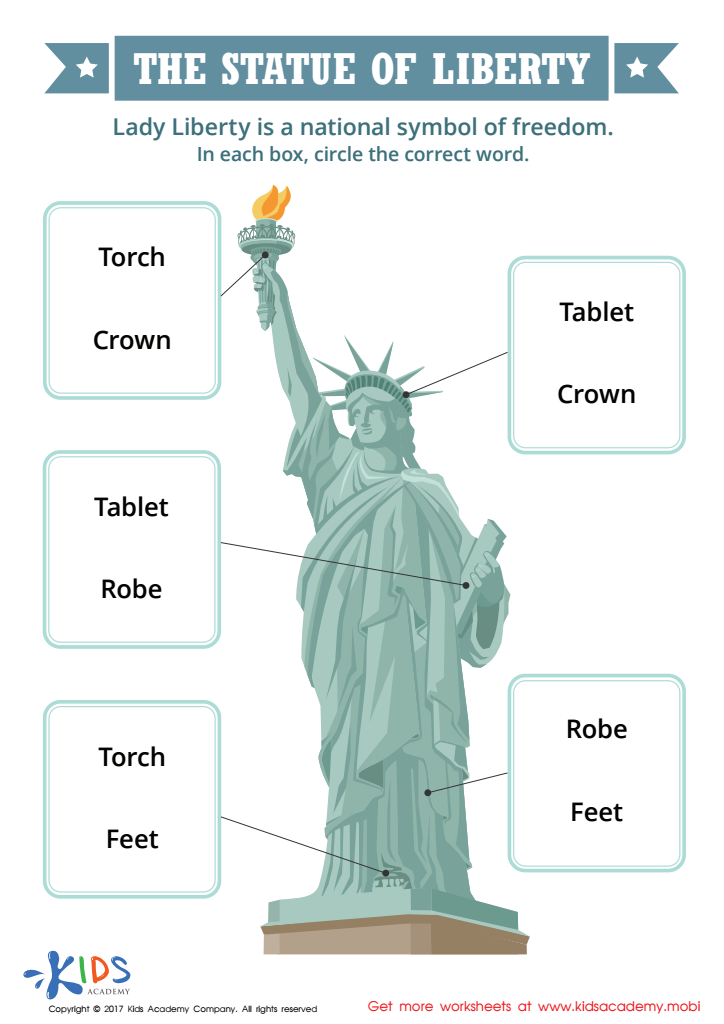
The Statue of Liberty Printable
Introduce the iconic Statue of Liberty with our printable worksheet. Perfect for learning about US symbols and their importance!
The Statue of Liberty Printable
Worksheet
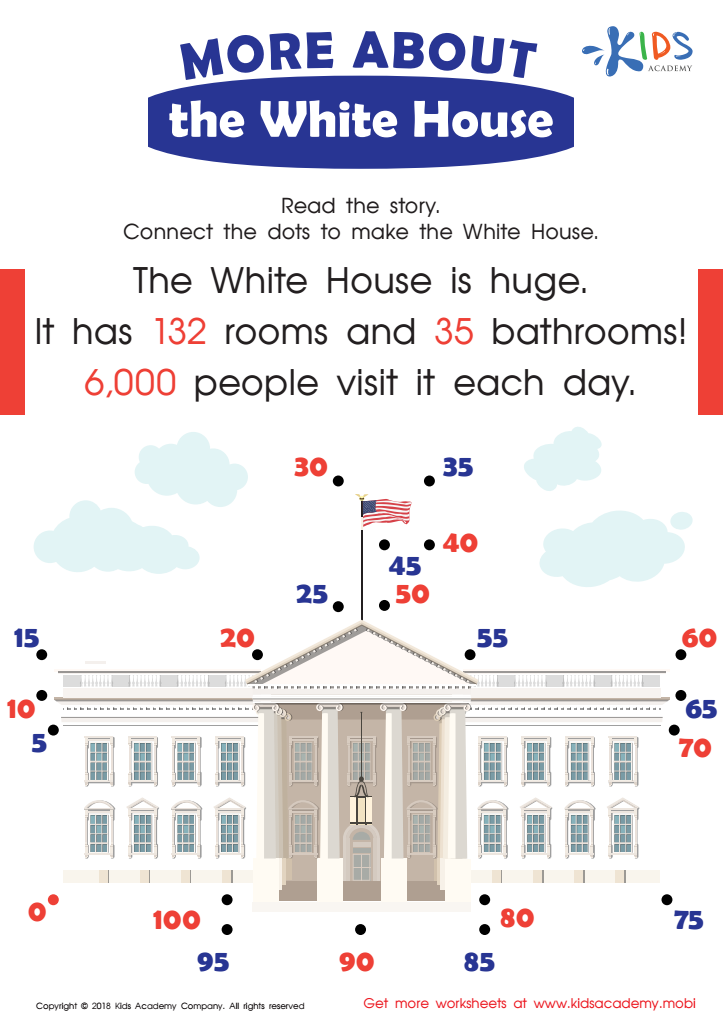
More About the White House Worksheet
The President of the United States lives in the White House, a huge building with 132 rooms and 35 bathrooms. It's home to the President's family, plus 6,000 visitors every day, and full of interesting stories. Teach your kids about it with this printout; help them connect the dots and learn more about this famous home. Learning never ends!
More About the White House Worksheet
Worksheet
Join Kids Academy for Free
Who is primarily going to use this learning content?







Understanding history at the 1st-grade level is crucial for several key reasons, and parents and teachers should care deeply about this foundational education.
Firstly, history at this age helps children understand the world around them and their place within it. Learning about the past enables young students to appreciate different cultures, traditions, and lifestyles, fostering a sense of empathy and multicultural awareness. This knowledge cultivates open-mindedness and respect for diversity from an early age.
Secondly, history education in first grade introduces fundamental concepts such as timelines, basic chronology, and the idea of cause and effect. These skills are not only vital for historical understanding but are also transferable to other subjects, enhancing overall cognitive development.
Furthermore, stories from history capture children's imaginations, making learning enjoyable and engaging. Historical figures and events teach valuable lessons about human nature, such as resilience, courage, and cooperation. Discussing these stories with peers and adults gives children the opportunity to develop communication skills and critical thinking.
Lastly, an early introduction to history helps to build a foundation for informed citizenship. By beginning with simple, yet significant, historical narratives and concepts, children start to build an understanding of how past events shape the present and future. This awareness is the first step toward becoming informed, responsible members of society.
In sum, history in grade 1 plays a crucial role in building empathy, cognitive skills, critical thinking, and informed citizenship, making it imperative for both parents and teachers to prioritize its inclusion in early education.