Understanding history Worksheets for Ages 6-9
10 filtered results
-
From - To
Explore our engaging "Understanding History Worksheets" designed specifically for children aged 6 to 9. These interactive resources blend fun and learning, helping young learners develop a foundational appreciation for history. With a variety of activities, including timeline creations, famous historical figures, and important events, these worksheets stimulate curiosity and critical thinking. Each activity is crafted to enhance comprehension while making history accessible and enjoyable. Ideal for home or classroom use, our worksheets encourage exploration, discussion, and creativity. Empower your child’s understanding of the past with these thoughtfully designed materials and watch their knowledge and excitement about history grow!
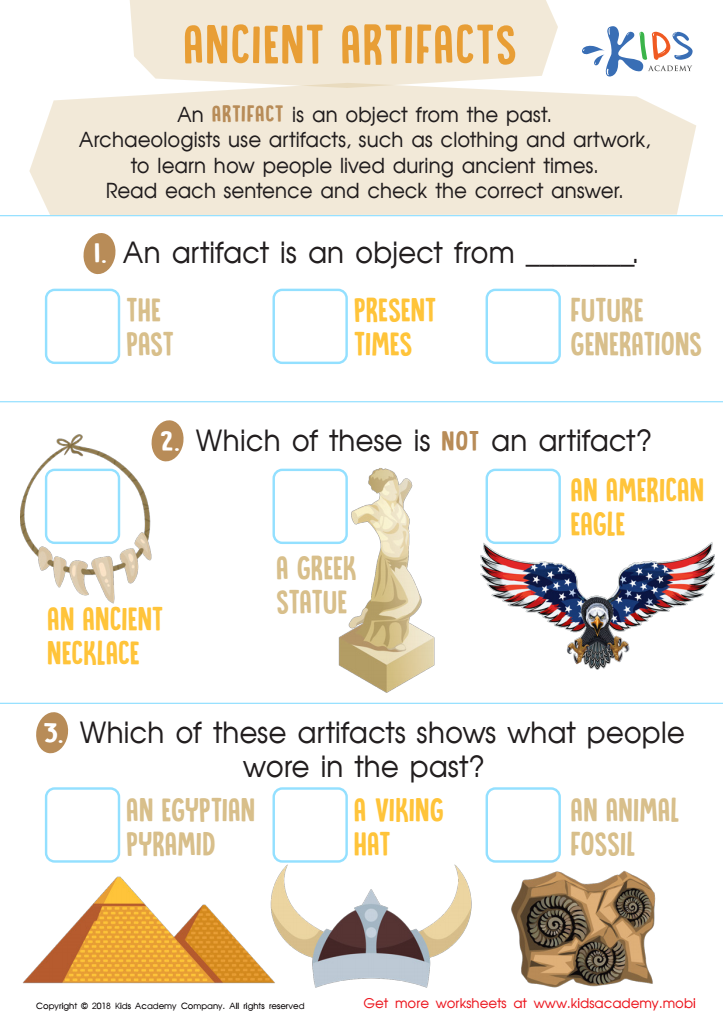
Ancient Artifacts Worksheet
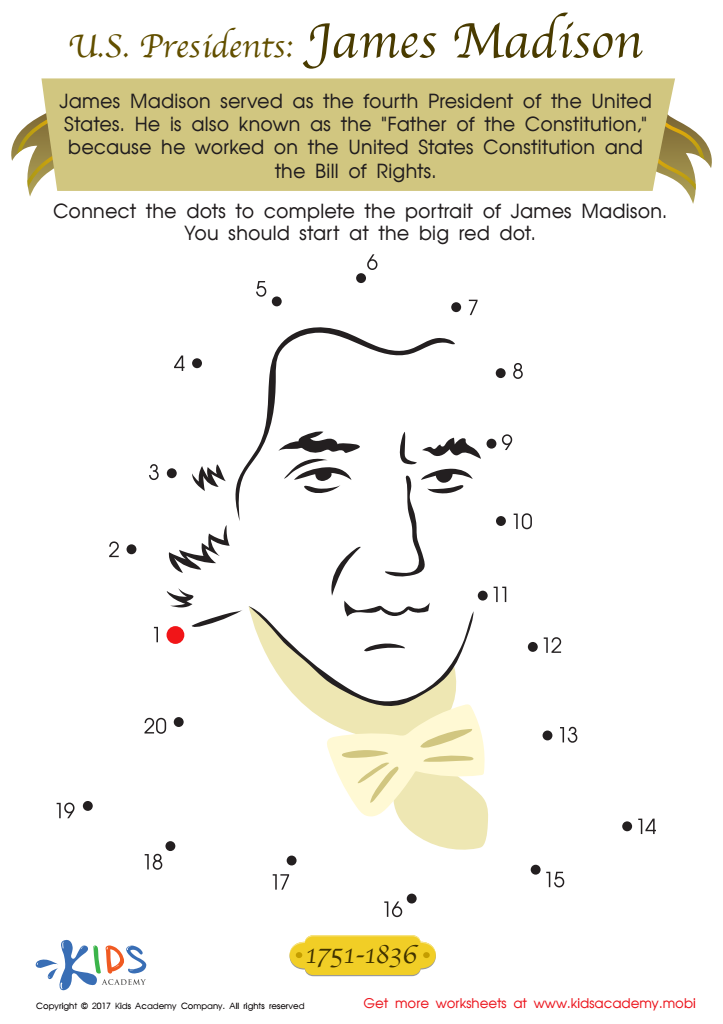
President Madison Printable
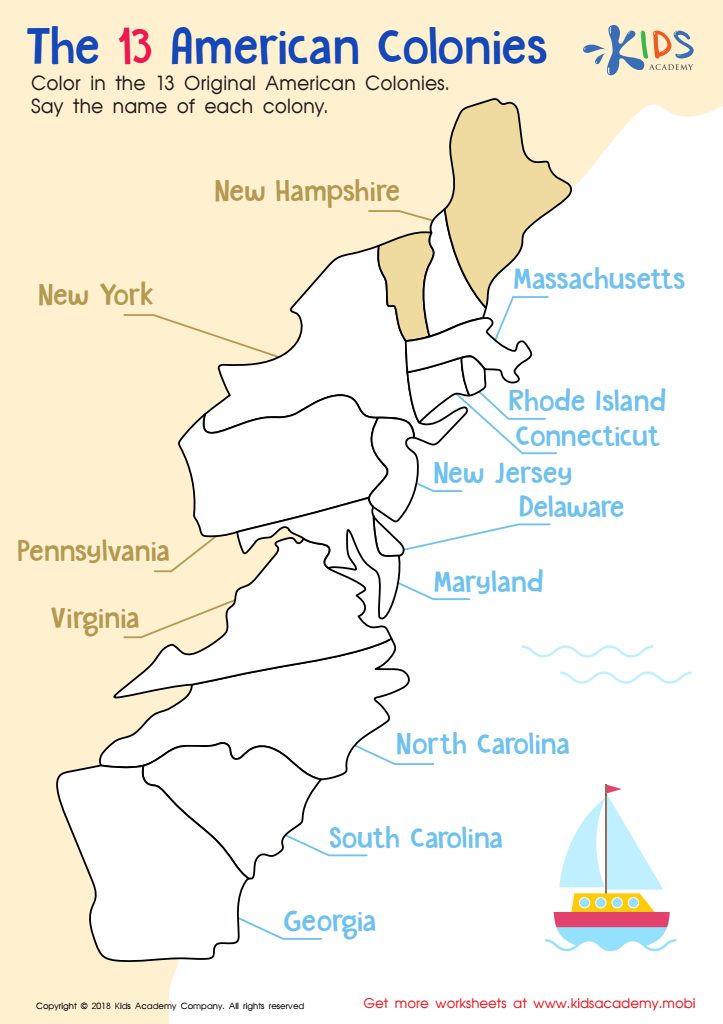
The 13 American Colonies Worksheet
 Assign to My Students
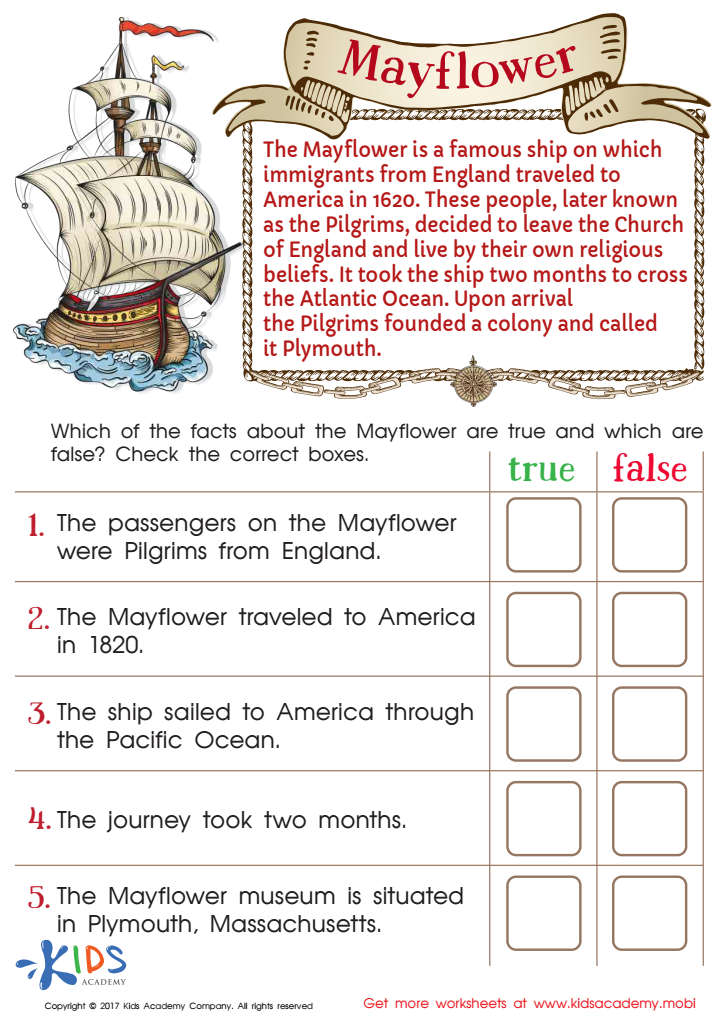
Free Mayflower Worksheet
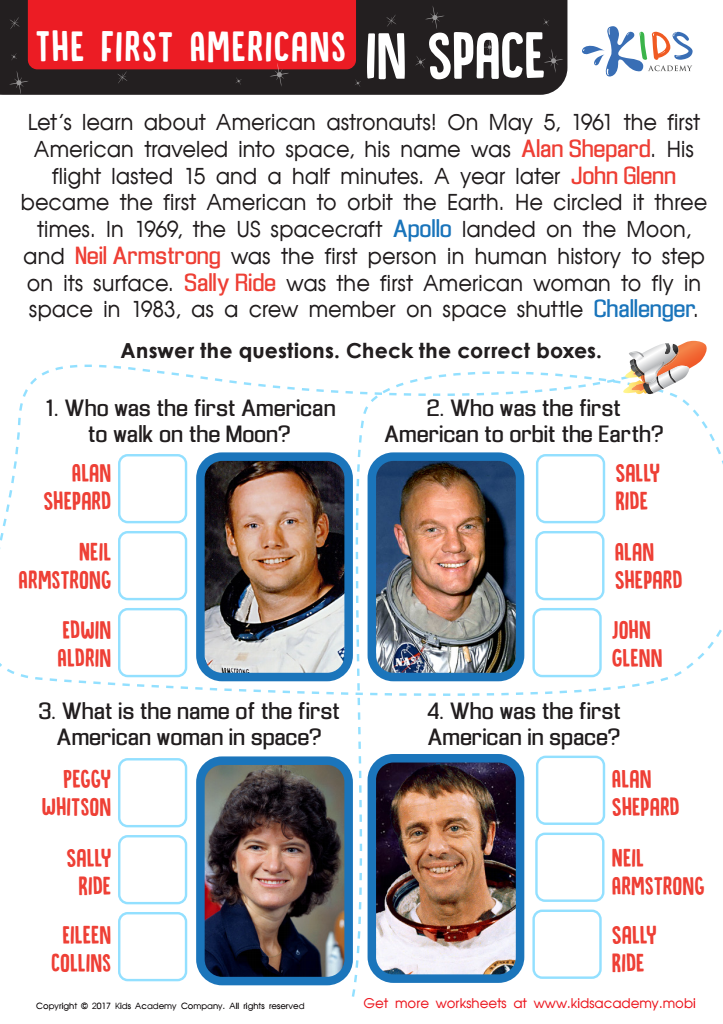
First Americans in Space Worksheet
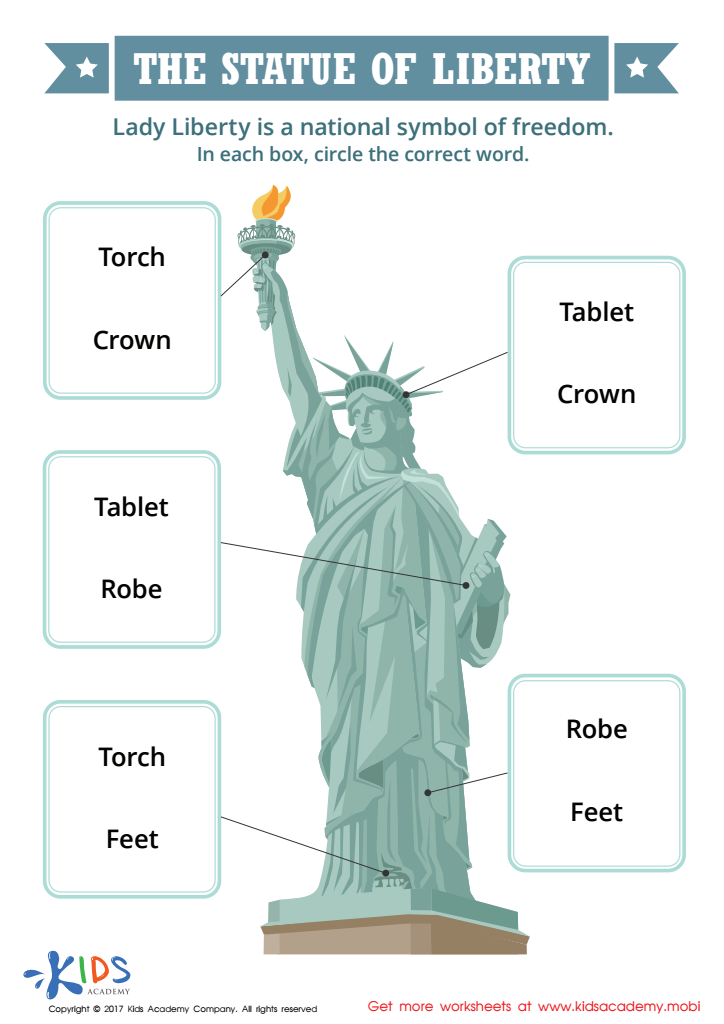
The Statue of Liberty Printable
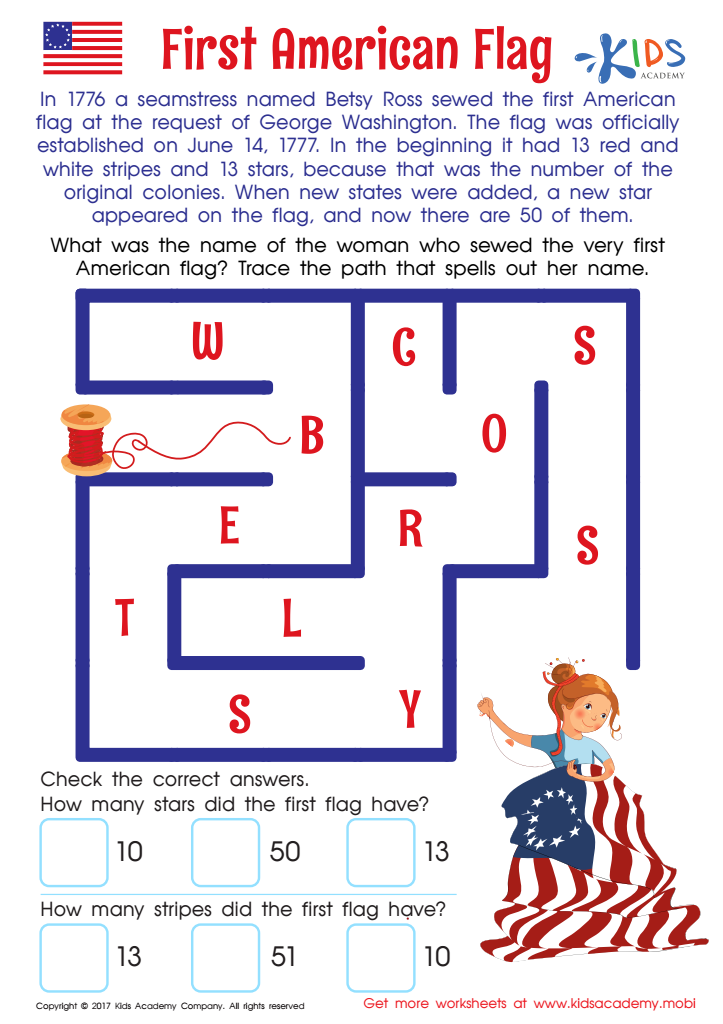
First American Flag Worksheet
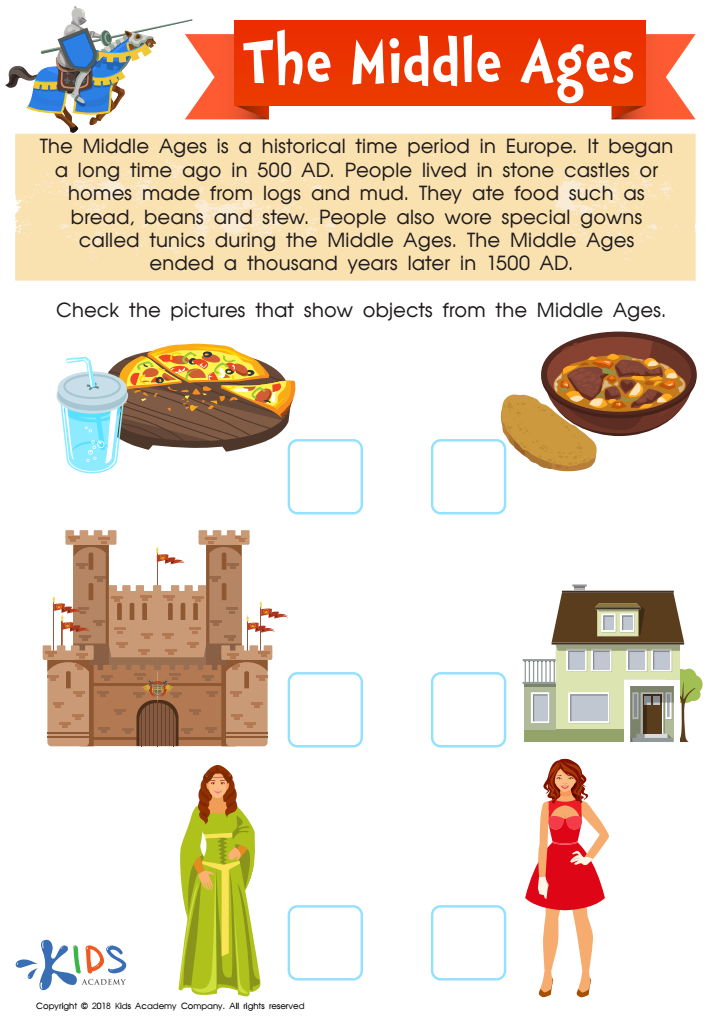
The Middle Ages Worksheet
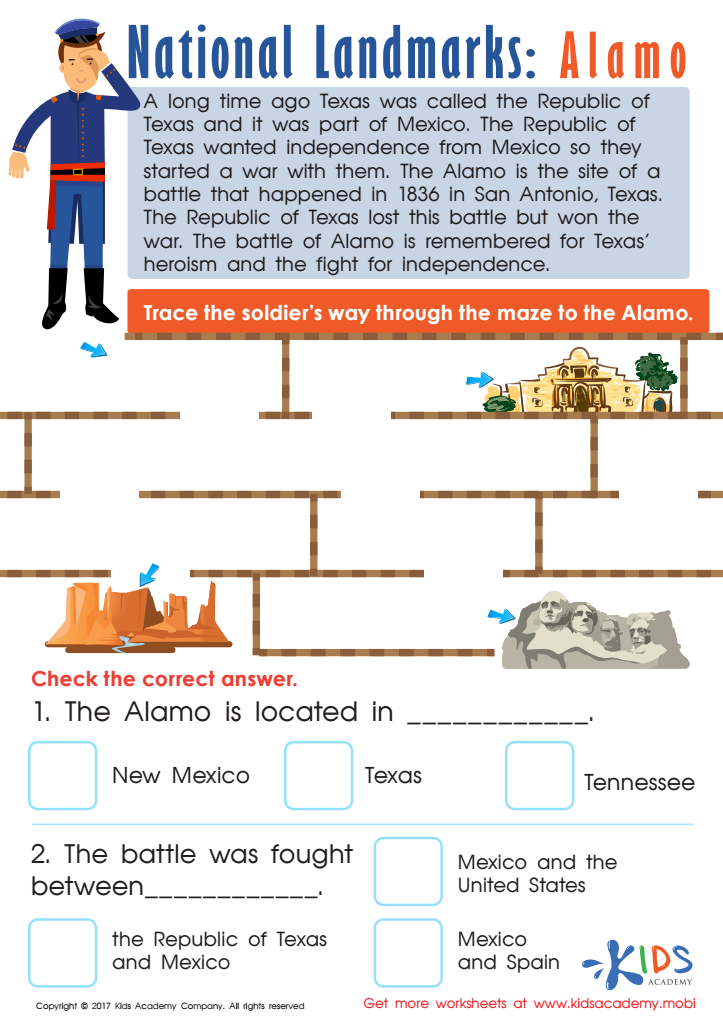
Alamo Printable Worksheet
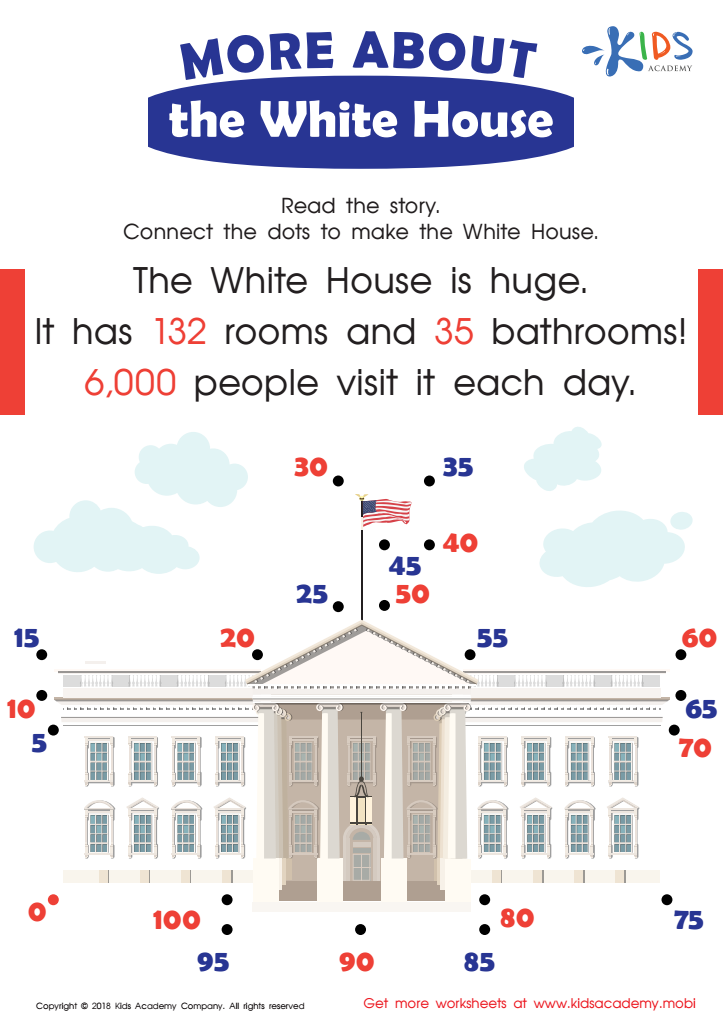
More About the White House Worksheet








Understanding history is crucial for children aged 6-9 for several reasons. Firstly, it encourages a sense of identity and belonging. Kids begin to comprehend where they fit in the larger story of humanity, which can foster pride in their own heritage and an appreciation for diverse cultures. Secondly, learning history promotes critical thinking skills. As children hear stories of the past, they begin to analyze events, understand cause-and-effect relationships, and develop the ability to question narratives, all of which are fundamental for their cognitive development.
Moreover, history provides context for contemporary issues. Children begin to see connections between past events and present situations, helping them understand complex societal dynamics. Additionally, engaging with history nurtures empathy, as kids learn about the lives, struggles, and triumphs of others, enhancing their emotional intelligence.
Furthermore, history is foundational for civic knowledge. Young learners gain insight into the values, rights, and responsibilities of being a citizen, which is vital for developing responsible individuals. Ultimately, teaching history to this age group is not just about memorizing dates and facts; it's about helping them understand the world they live in and the narratives that shape it. This knowledge equips them for thoughtful participation in society.








