Understanding patterns Grade 1 Worksheets
8 filtered results
-
From - To
Discover our engaging "Understanding Patterns Grade 1 Worksheets" designed to enhance young learners' critical thinking and analytical skills. These worksheets introduce students to the concept of patterns through colorful illustrations and interactive activities that captivate their attention. First graders will explore various types of patterns, including shapes, colors, and numbers, promoting comprehension and logical reasoning. Our resources are perfect for classroom use or homeschooling, providing clear instructions and fun exercises that bolster concept retention. With these worksheets, your child will excel in identifying and creating patterns, building a strong foundation for future math skills. Empower their learning journey today!
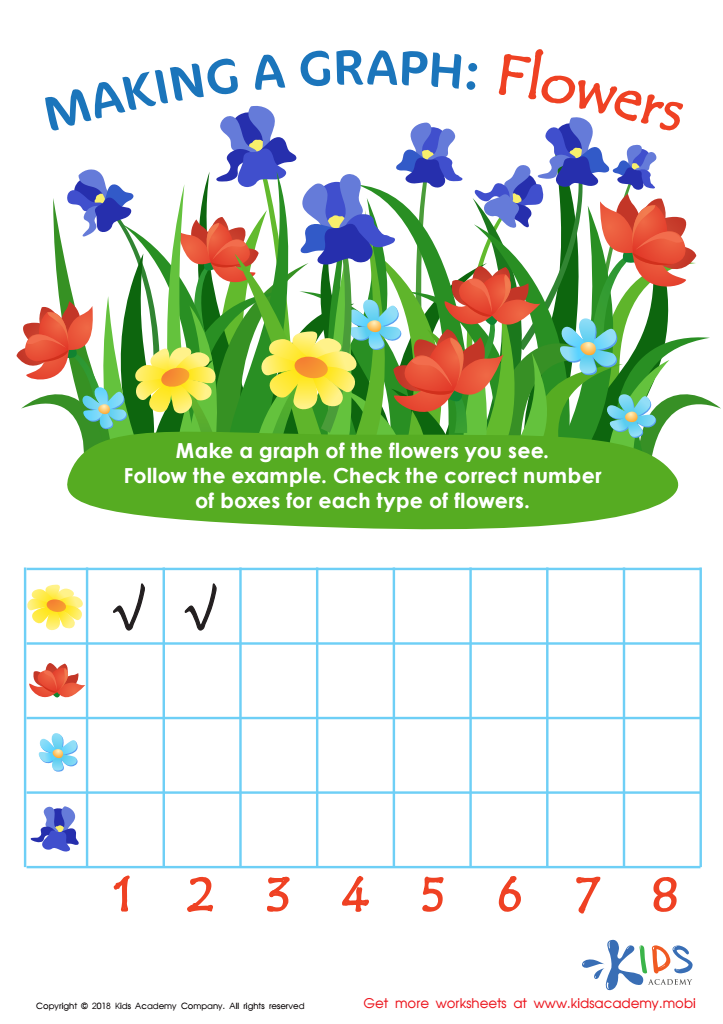
Making a Graph: Flowers Worksheet
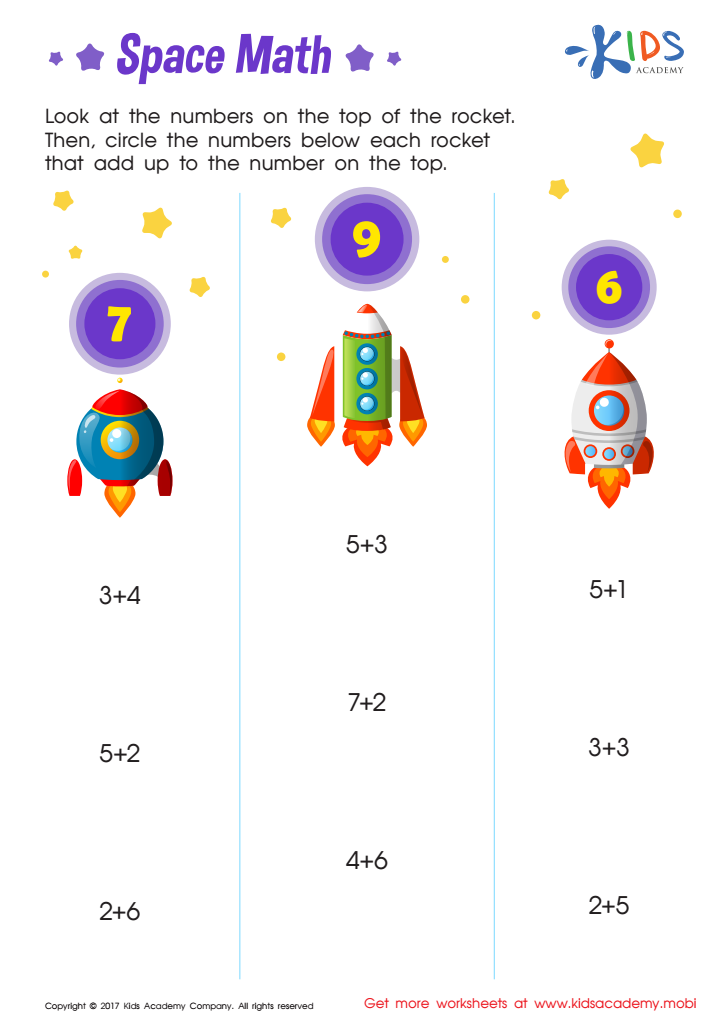
Addition: Space Math Worksheet
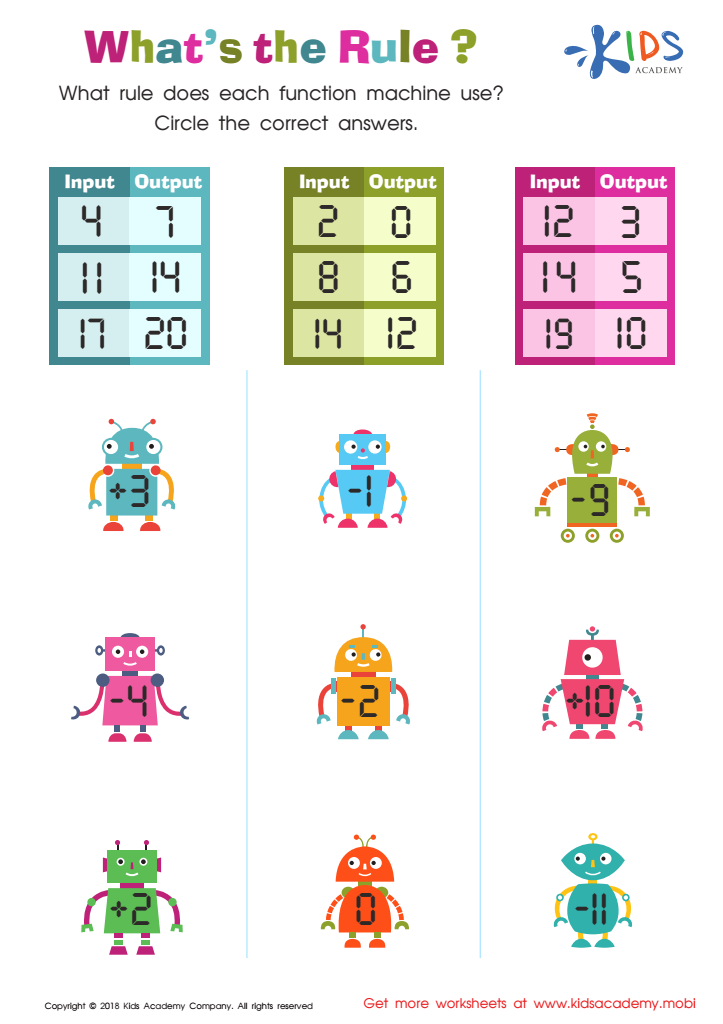
What's the Rule Worksheet
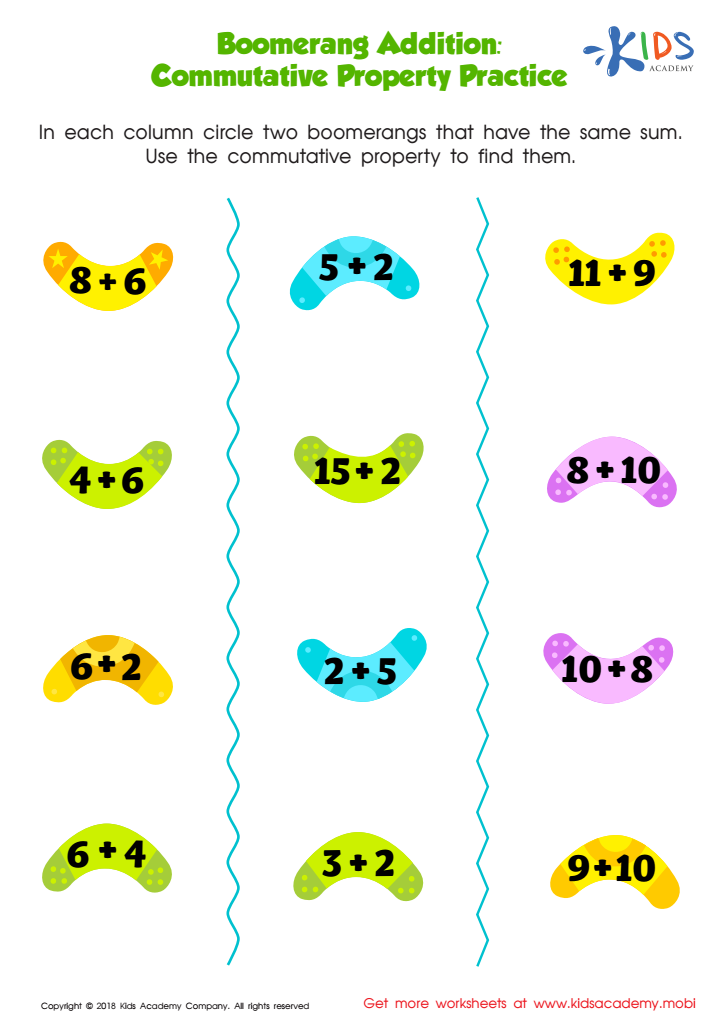
Boomerang Addition Worksheet
Magic Numbers Worksheet
 Assign to My Students








Understanding patterns is a fundamental skill for Grade 1 students, and both parents and teachers should prioritize its importance. Patterns form the basis of many mathematical concepts, enabling children to recognize sequences, understand relationships, and enhance their problem-solving skills. By grasping patterns, students build a strong foundation for advanced mathematical concepts such as multiplication and algebra in later grades.
Moreover, recognizing patterns helps children in everyday situations, like predicting outcomes, organizing information, and even in critical thinking. This skill enhances cognitive development, as it encourages children to think logically and systematically. When parents and teachers emphasize the importance of patterns, they provide students with opportunities to explore creativity, particularly in subjects such as art, music, and science, where patterns are prevalent.
Encouraging children to identify and create patterns enhances their observation skills, boosts memory retention, and supports analytical thinking. Moreover, interactions focused on pattern recognition foster collaboration and social skills, as children engage in shared activities. By caring about understanding patterns, parents and teachers not only equip students with essential skills for their academic success but also prepare them for real-life situations, paving the way for disciplined thinkers and problem solvers as they progress in their education.