Mathematical reasoning Grade 1 Numbers Worksheets
6 filtered results
-
From - To
Boost your first grader's mathematical reasoning skills with our engaging Numbers Worksheets! Designed specifically for Grade 1 students, these interactive printables help children develop a deep understanding of numbers through fun activities. Each worksheet encourages critical thinking and problem-solving by incorporating real-world scenarios that make learning enjoyable. From identifying and comparing numbers to solving addition and subtraction problems, these exercises cater to diverse learning styles and abilities. Whether used at home or in the classroom, our Mathematical Reasoning worksheets lay a strong foundation in early math skills, fostering confidence and a love for learning. Start your child's math journey today!
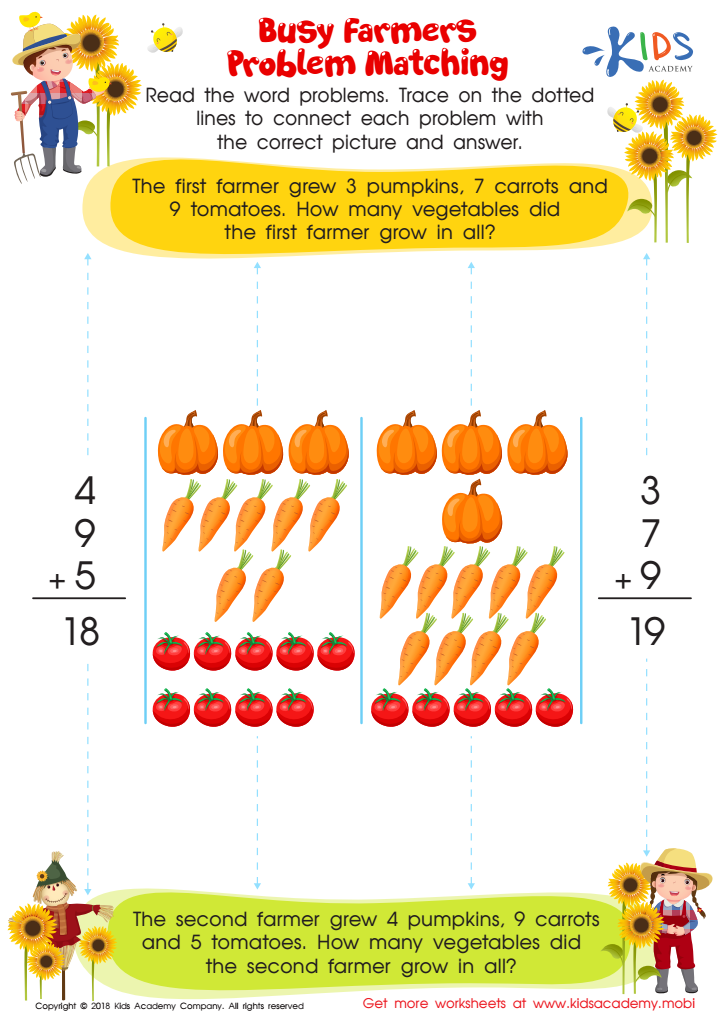
Busy Farmers: Problem Matching Worksheet
 Assign to My Students
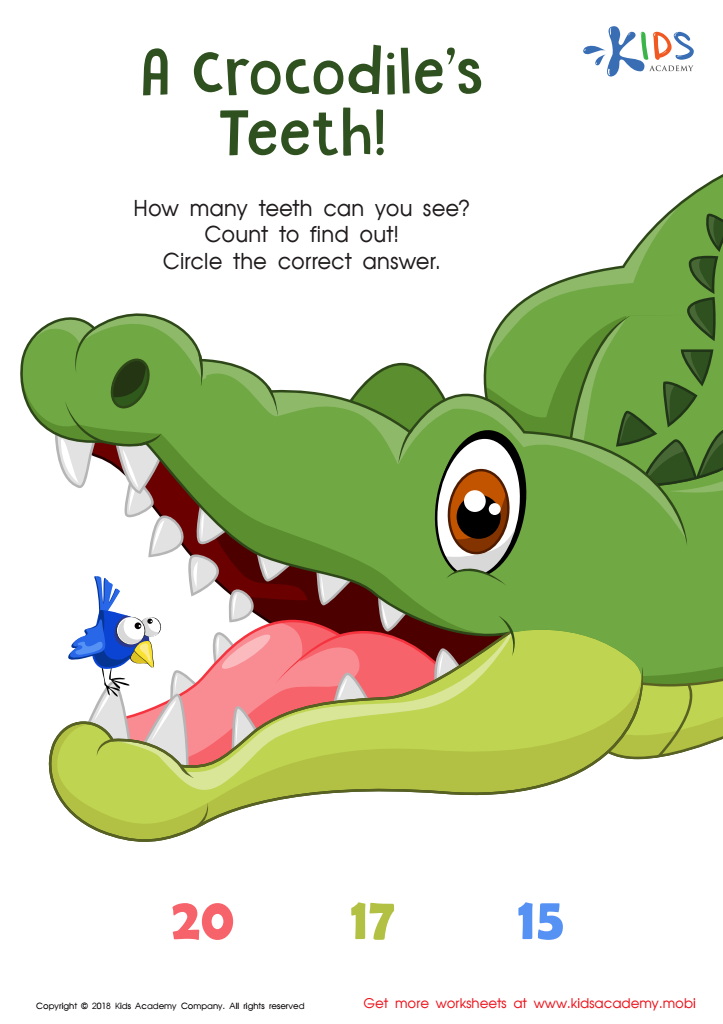
A Crocodile's Teeth Worksheet
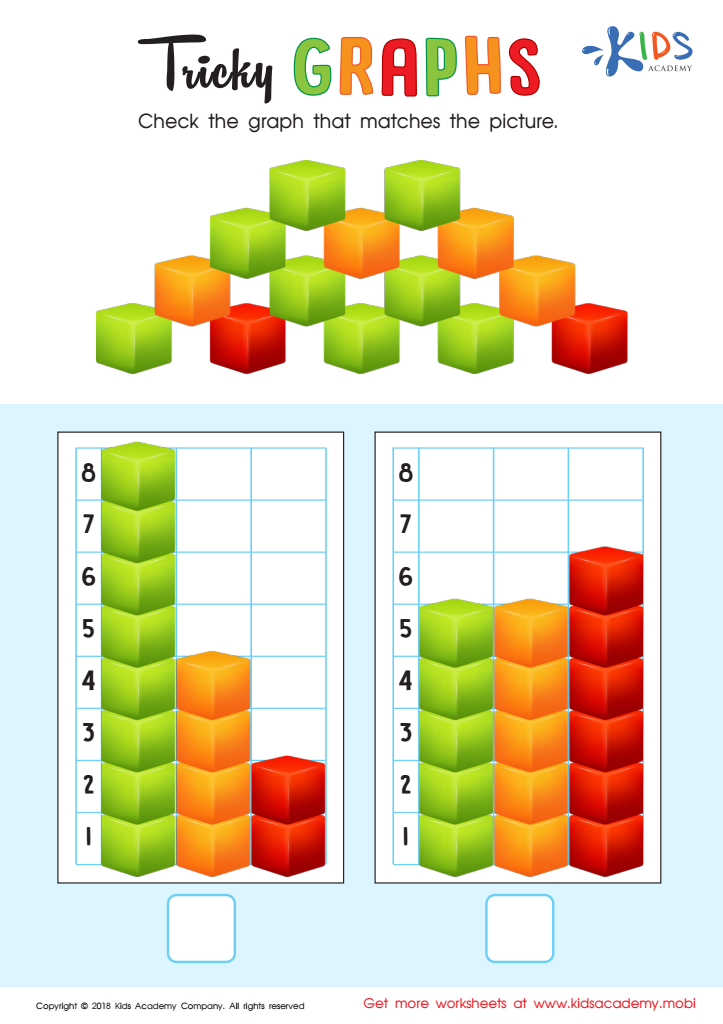
Tricky Graphs Worksheet
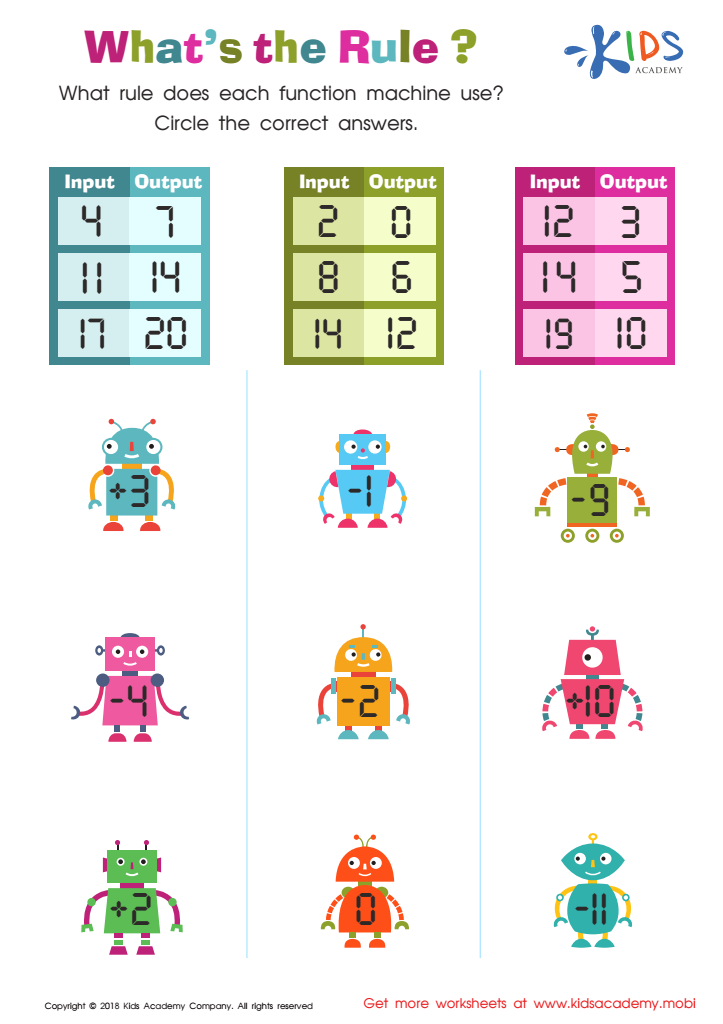
What's the Rule Worksheet
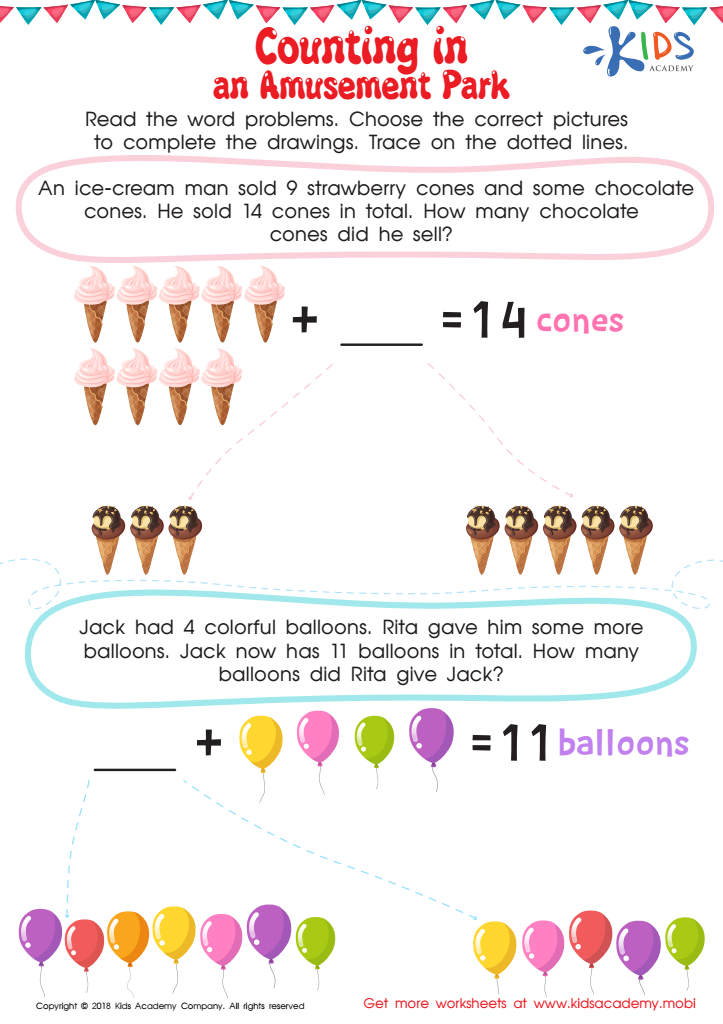
Counting in an Amusement Park Worksheet
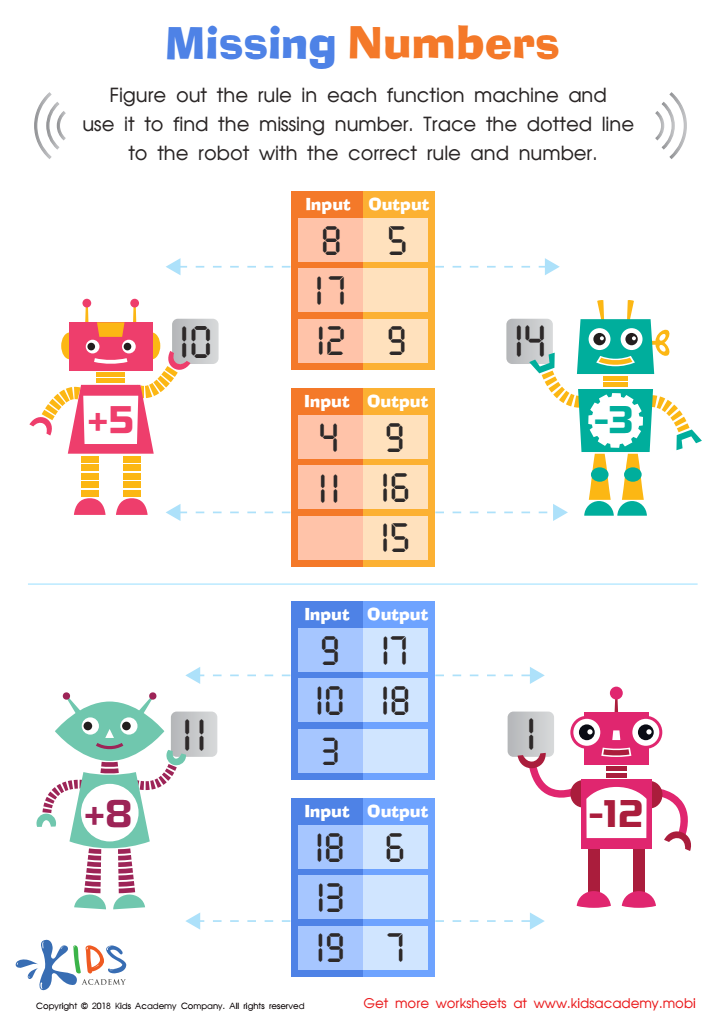
Missing Numbers Worksheet



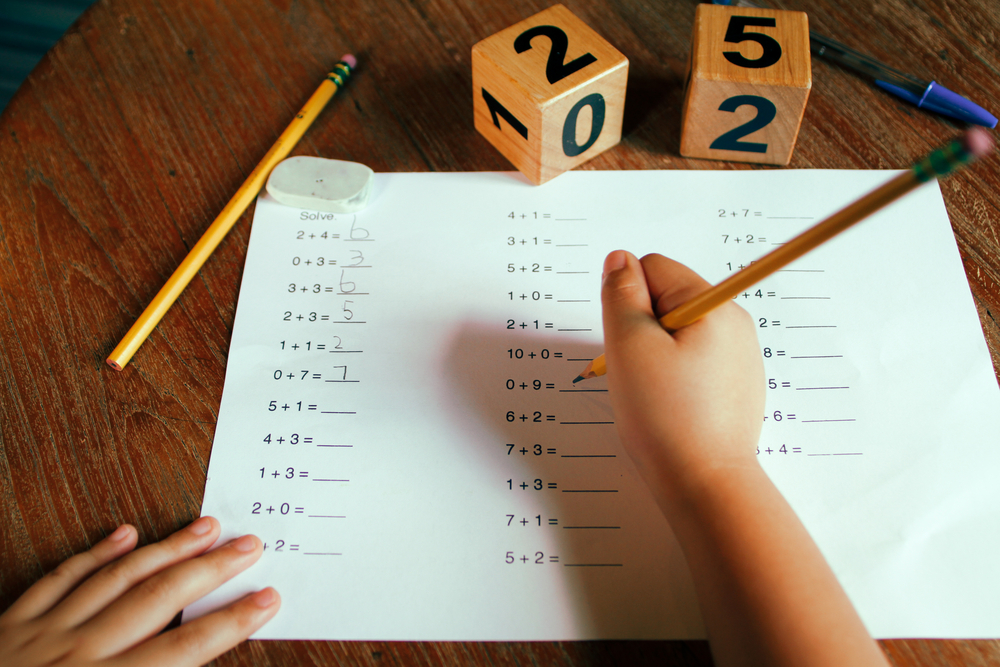




Mathematical reasoning in Grade 1 is a fundamental skill that serves as the building block for all future learning in mathematics and critical thinking. At this stage, children begin to understand numbers, basic arithmetic, and the relationships between them. This understanding goes beyond rote memorization of facts; it fosters cognitive skills, such as problem-solving, logical thinking, and the ability to make connections between concepts.
Parents and teachers should care about this aspect of learning because it sets the foundation for success in later grades. Children who grasp mathematical reasoning early are more likely to excel in subjects that rely on math, thus improving their overall academic performance. Moreover, mathematical reasoning encourages children to articulate their thought processes, enhancing their communication abilities—an important life skill.
Furthermore, when mathematical concepts are anchored in real-life situations, young learners develop a positive attitude towards math, realizing its relevance and applicability. Engaging students through playful, interactive activities can infuse enjoyment into learning, making it a lifelong journey rather than a chore. By prioritizing mathematical reasoning in Grade 1, parents and teachers contribute to shaping confident, capable individuals equipped to navigate the complexities of the world.