Pattern identification Grade 1 Math Worksheets
4 filtered results
-
From - To
Unlock essential early math skills with our "Pattern Identification Grade 1 Math Worksheets"by Kids Academy! Specifically designed for first graders, these engaging worksheets help young learners recognize, understand, and complete various patterns using shapes, colors, and numbers. Perfect for classroom and at-home practice, the activities foster critical thinking, improve problem-solving abilities, and build a strong math foundation. Each worksheet is crafted by educators to ensure age-appropriate content that harmonizes education with fun. Download now to make learning an enjoyable adventure, and watch your child’s confidence and skills soar in pattern identification!
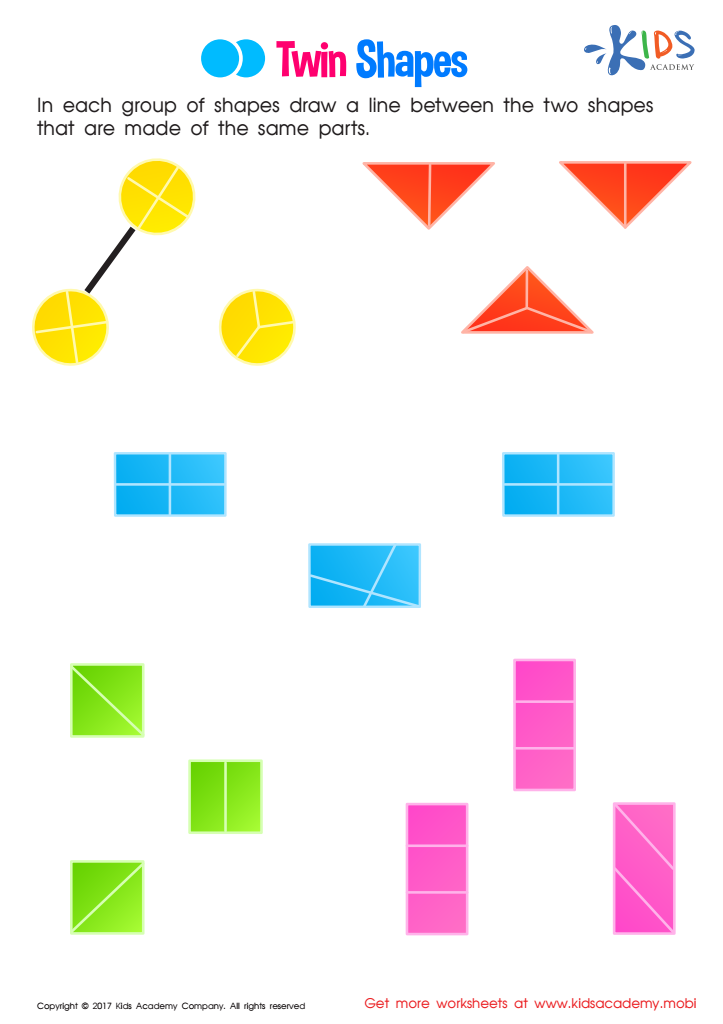
Twin Shapes Worksheet
 Assign to My Students
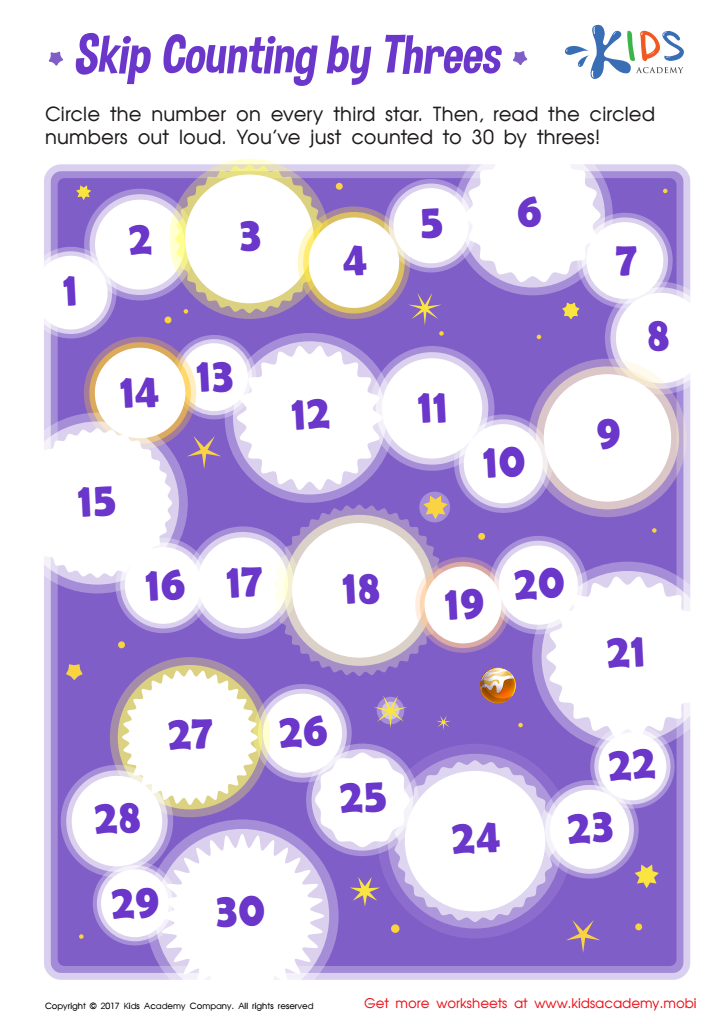
Skip Counting By Three Printable
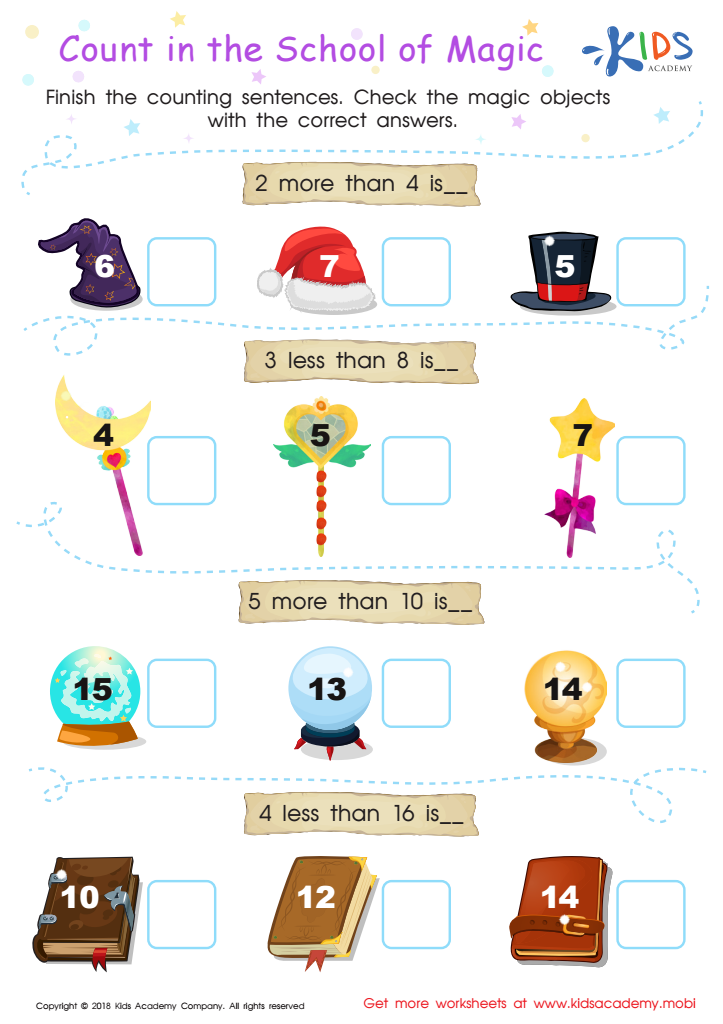
Count in the School of Magic Worksheet
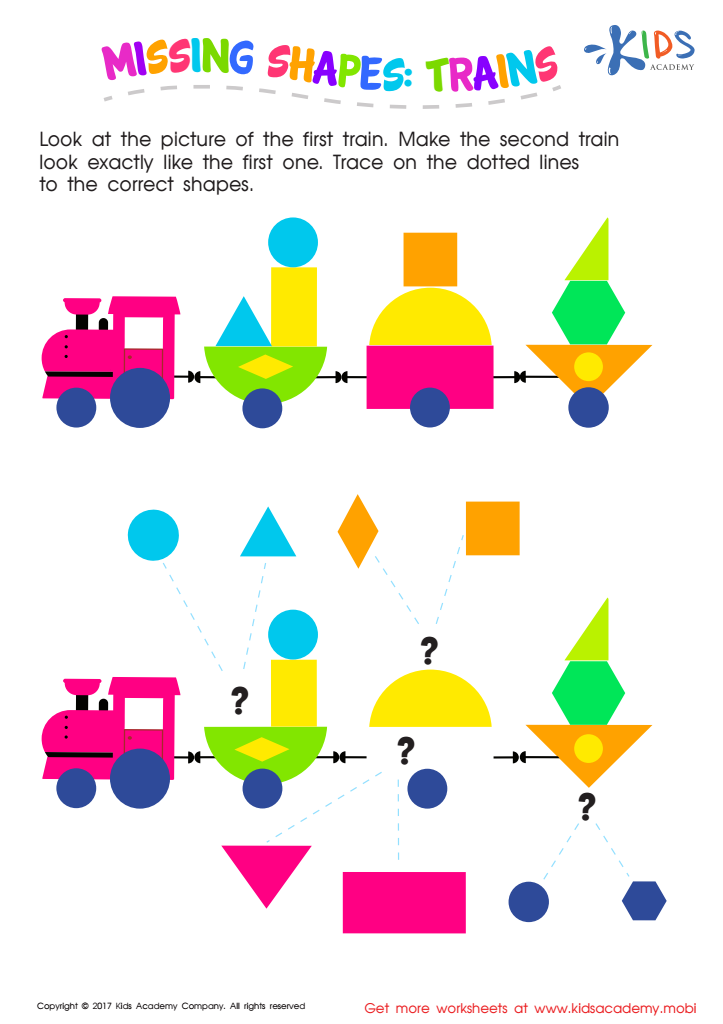
Missing Shapes: Trains Worksheet





.jpg)


Pattern identification in Grade 1 math is crucial for young learners as it forms the foundation for various critical thinking and problem-solving skills. When children recognize and understand patterns, they develop essential cognitive abilities such as categorization, prediction, and logical reasoning.
For parents and teachers, fostering pattern recognition skills can significantly impact a child’s overall academic success. Patterns are not only fundamental in math but also appear in daily routines, literacy, and science. Identifying patterns helps children grasp number sequences, basic arithmetic operations, and geometric shapes. This understanding makes it easier for them to deal with more complex math concepts as they progress through their education.
Moreover, pattern identification enhances computational thinking, which is beneficial beyond math, including coding, music, and reading. It helps children to see relationships and make connections, fostering a sense of order and predictability in their understanding of the world.
Emotionally and socially, engaging in pattern-oriented activities can build confidence and encourage a positive attitude towards learning. It stimulates curiosity and allows children to approach challenges methodically. Therefore, investing time and effort in teaching pattern identification equips children with the skills that lay a strong groundwork for their future learning adventures.
By emphasizing the importance of patterns, parents and teachers set the stage for successful, lifelong learners who are adept at tackling a variety of challenges.