Understanding patterns Grade 1 Math Worksheets
5 filtered results
-
From - To
Explore our "Understanding Patterns" Grade 1 Math Worksheets, designed to help young learners grasp the concept of patterns through engaging and interactive activities. These worksheets incorporate various types of patterns, including visual, numerical, and color patterns, making learning enjoyable and effective. By solving puzzles and completing sequences, students develop critical thinking and problem-solving skills essential for early math success. Our resources align with grade-level expectations, ensuring students build a strong foundation in mathematics. Perfect for classroom use or at-home practice, these worksheets will spark curiosity and enhance students' ability to recognize and create their own patterns. Start your journey into understanding patterns today!
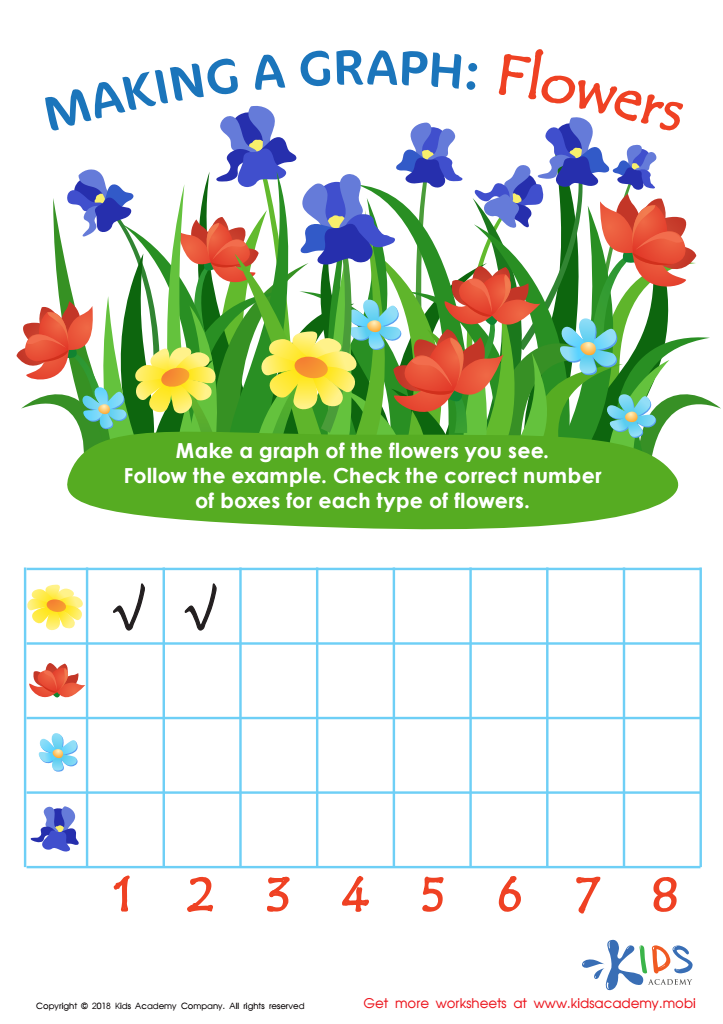
Making a Graph: Flowers Worksheet
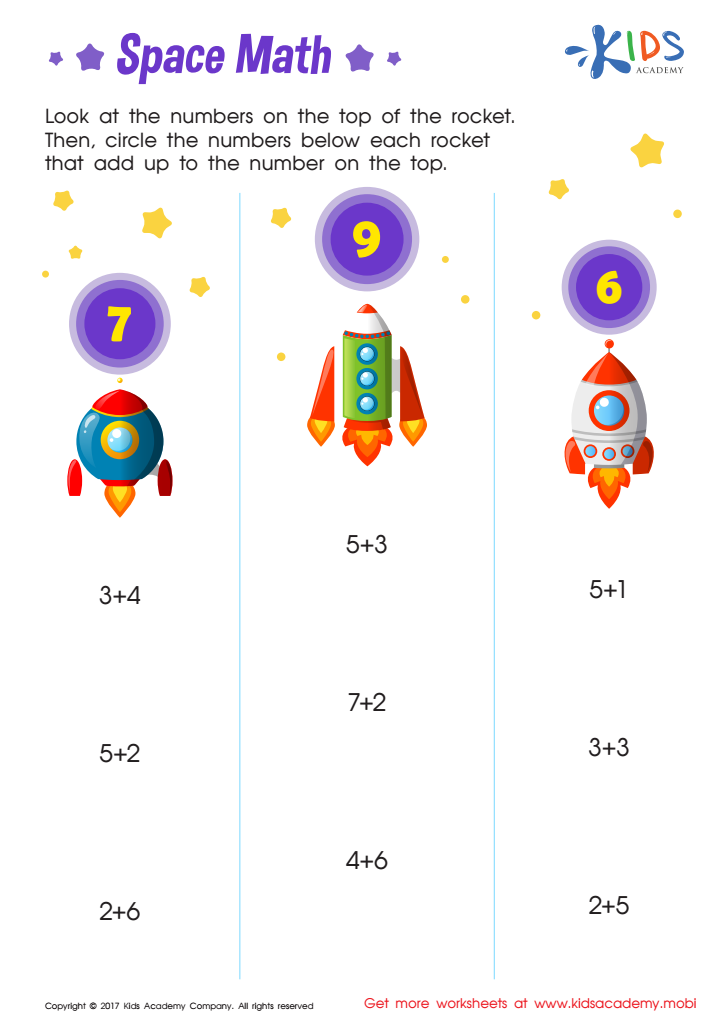
Addition: Space Math Worksheet
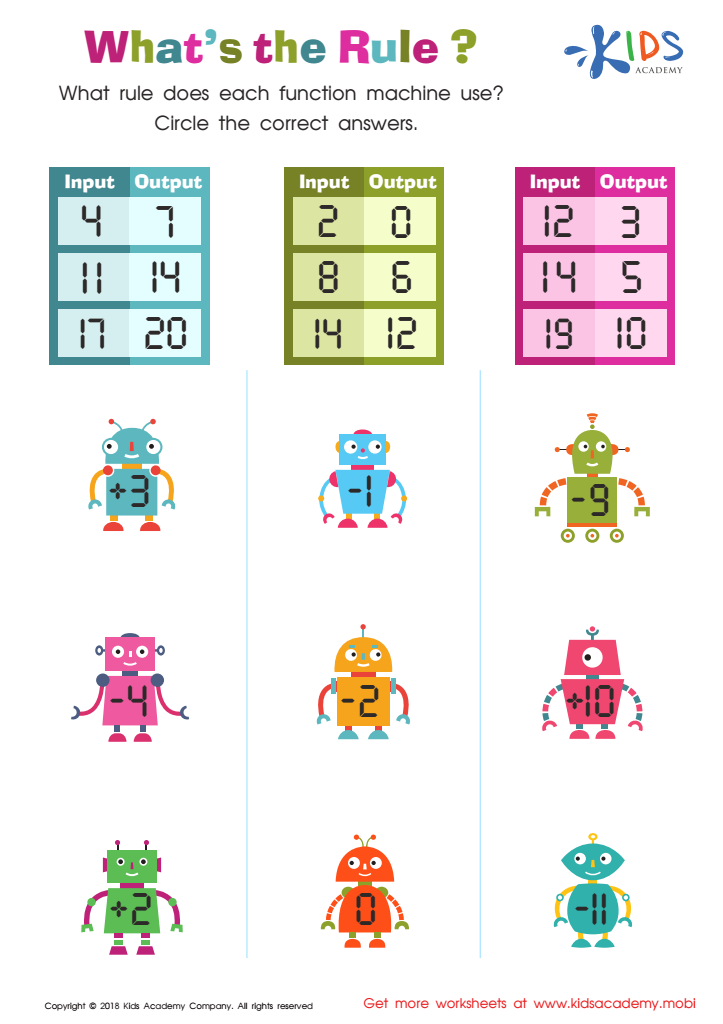
What's the Rule Worksheet
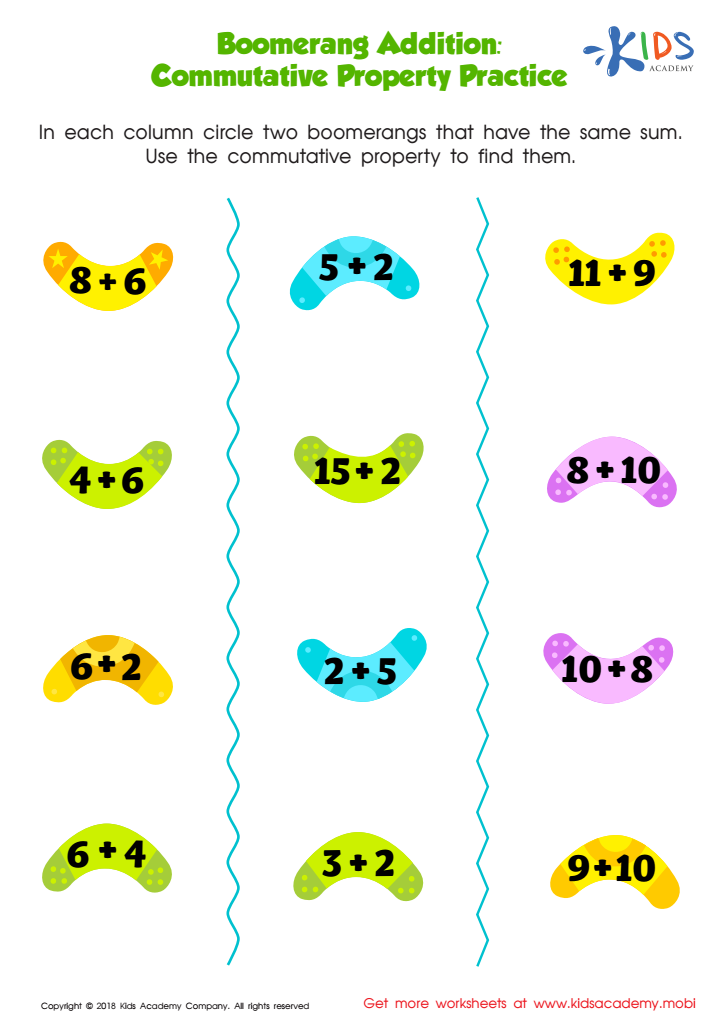
Boomerang Addition Worksheet
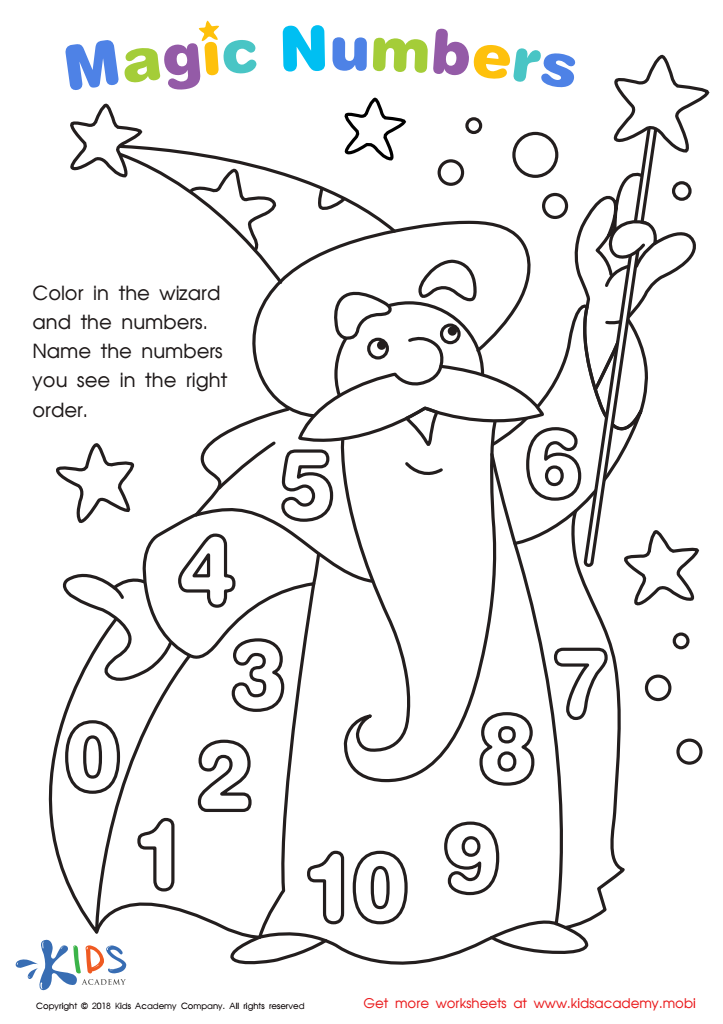
Magic Numbers Worksheet
 Assign to My Students








Understanding patterns is fundamental for students in Grade 1 math because it lays the groundwork for critical mathematical concepts. Patterns foster analytical thinking skills, encouraging young learners to recognize relationships and make predictions based on their observations. When children identify and extend patterns, they develop cognitive skills that help them solve not only mathematical problems but also real-world challenges they may encounter.
Moreover, patterns are prevalent in nature, music, art, and daily life, making them relevant and engaging for young learners. Engaging with patterns enhances children’s ability to think logically, organize information, and establish connections. It also aids in developing counting strategies, as students learn to recognize numeric sequences and skip counting, essential skills they will build upon in later grades.
For parents and teachers, emphasizing the understanding of patterns supports the early development of a positive attitude toward mathematics. When children see math as a fun and relatable subject, they are more inclined to cultivate a lifelong interest in learning. This strong foundational skill not only prepares them for future math concepts but also equips them with essential life skills such as critical thinking, problem-solving, and perseverance. In essence, focusing on patterns promotes a well-rounded educational experience.