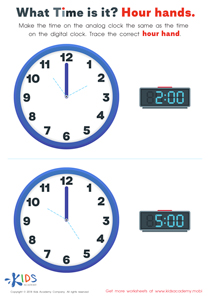
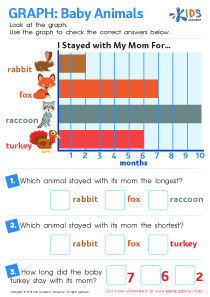
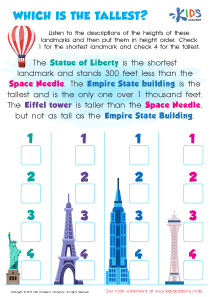
Enhance your first grader's math skills with our engaging Visual Perception Worksheets! These printable activities are designed to help young learners develop vital visual processing skills, essential for understanding math concepts. Students will enjoy a variety of exercises that involve identifying patterns, comparing sizes, and solving puzzles, all while boosting their confidence in math. Our worksheets support hands-on learning, ensuring your child grasps essential skills needed for future success. Perfect for both classroom use and home practice, these resources provide a fun and educational way to nurture your child's cognitive abilities. Download now to help your child excel in math!

Check out this FREE Grade 1 Trial Lesson on Math!

Before and After Numbers

Favorites
With answer key
Interactive
  • Grade 1
  • Visual perception
  • Math
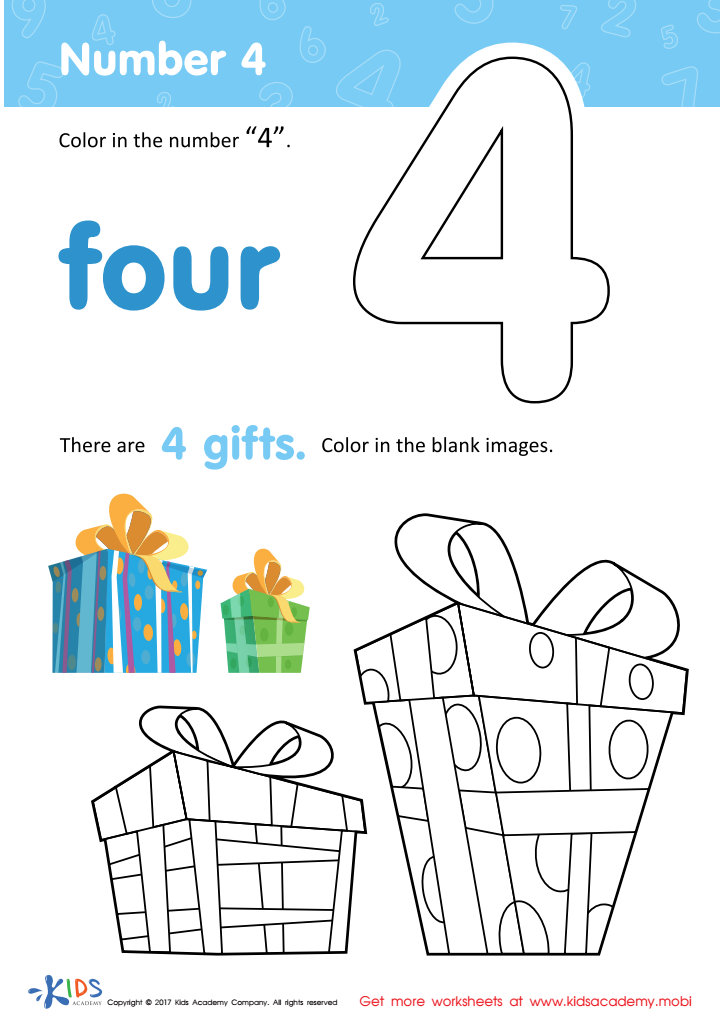
Coloring Page: Number 4

Number 4 Printable

Kids love gifts! Give your child a learning opportunity with this number 4 coloring page. As they design their own wrapping paper, they'll learn to read and recognize the number four. An exciting way to have fun and learn at the same time!
Download (PDF)
Assign to My Students
Number 4 Printable
Worksheet
Adding Flower Petals Worksheet

Adding Flower Petals Worksheet

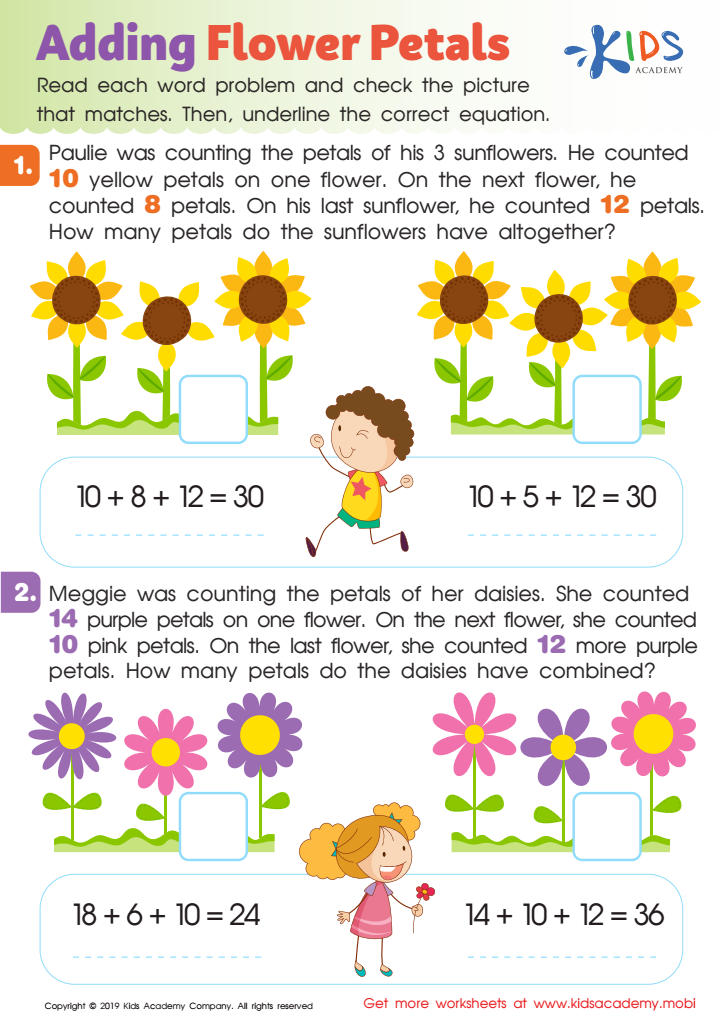
This free worksheet helps little mathematicians learn to understand word problems. They'll read each one and match it to the corresponding picture. Important info is highlighted, teaching kids to look for key info when solving problems. Then they'll underline the correct number equation that matches the picture. A great way to practice problem-solving skills!
Adding Flower Petals Worksheet
Worksheet
Counting Birds Worksheet

Counting Birds Worksheet

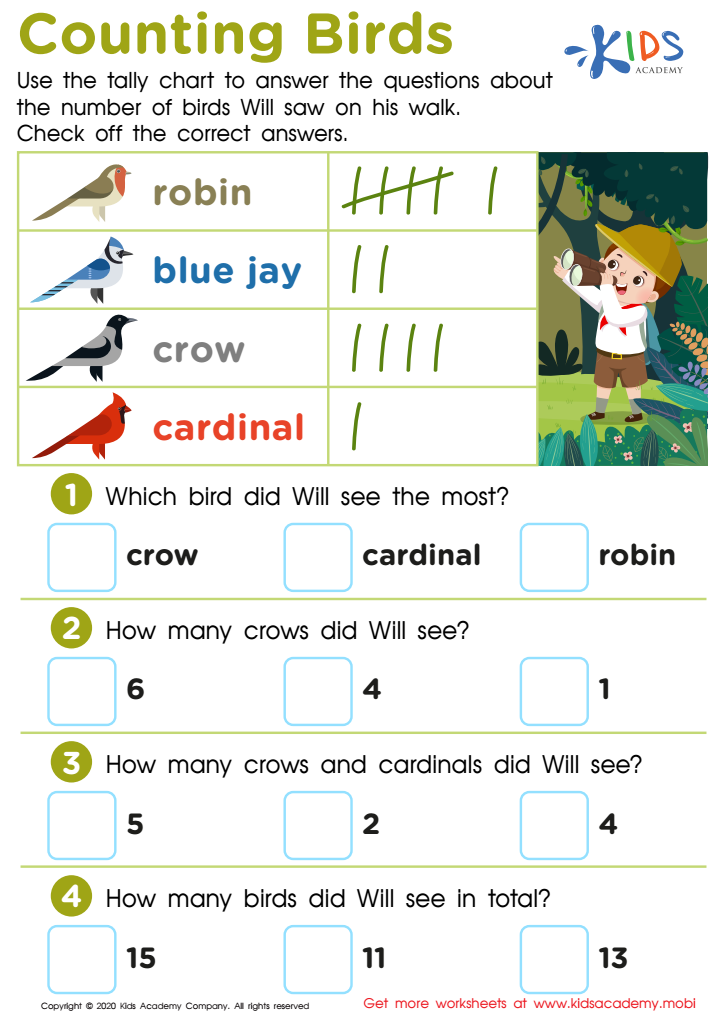
Introduce your child to the exciting activity of bird watching! This PDF worksheet features a tally chart of the different types of birds Will saw on his walk. Have your kid use the tally chart to organize information and use it to answer the questions that follow, thus boosting early science and math skills.
Counting Birds Worksheet
Worksheet
Counting in the Neighborhood Part1 Worksheet

Counting in the Neighborhood Part1 Worksheet

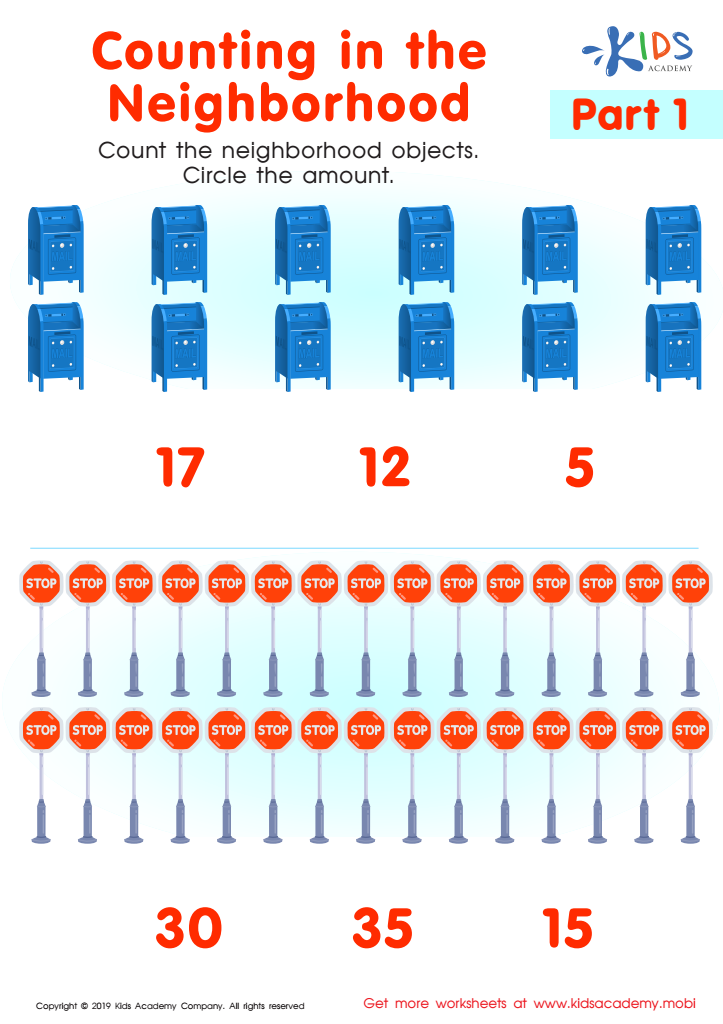
Counting using one-to-one representation is a great way to develop a child's number sense. Use objects, pictures and images to help counting beyond the fingers. This worksheet uses everyday objects to practice counting. It encourages children to find the correct number and count forward. Give it a try!
Counting in the Neighborhood Part1 Worksheet
Worksheet
Sweet Counting - Part 1 Worksheet

Sweet Counting - Part 1 Worksheet

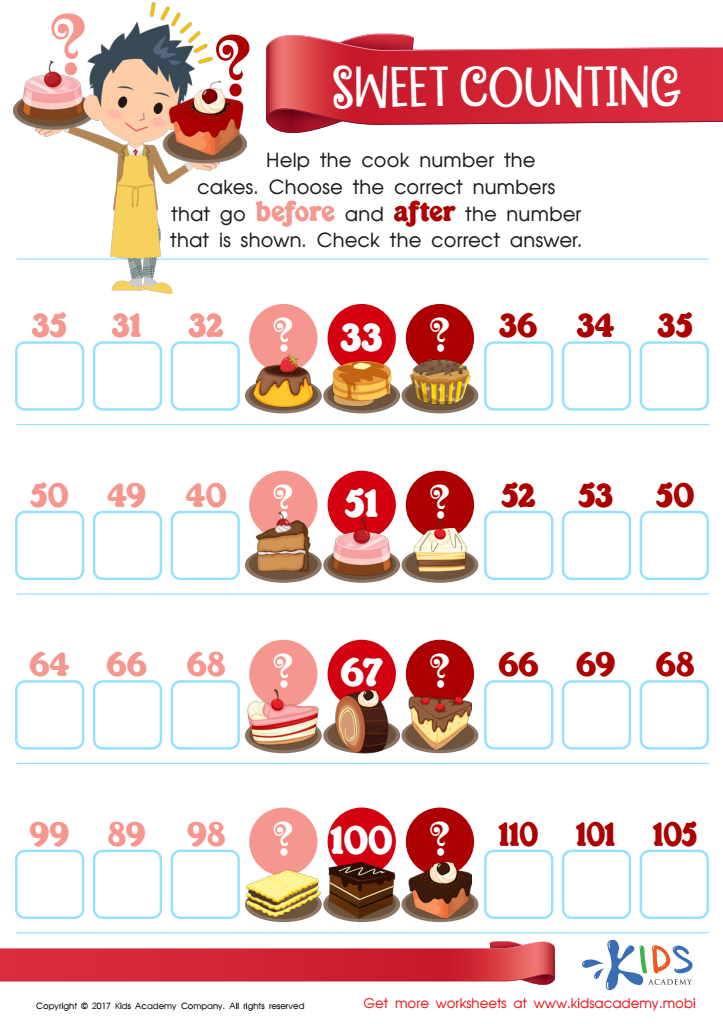
Help your child learn numbers by counting cakes! Download this fun worksheet and have them fill in the numbers missing in the line of cakes. They'll have fun helping the cook and be learning at the same time!
Sweet Counting - Part 1 Worksheet
Worksheet
Sweet Counting - Part 2 Worksheet

Sweet Counting - Part 2 Worksheet

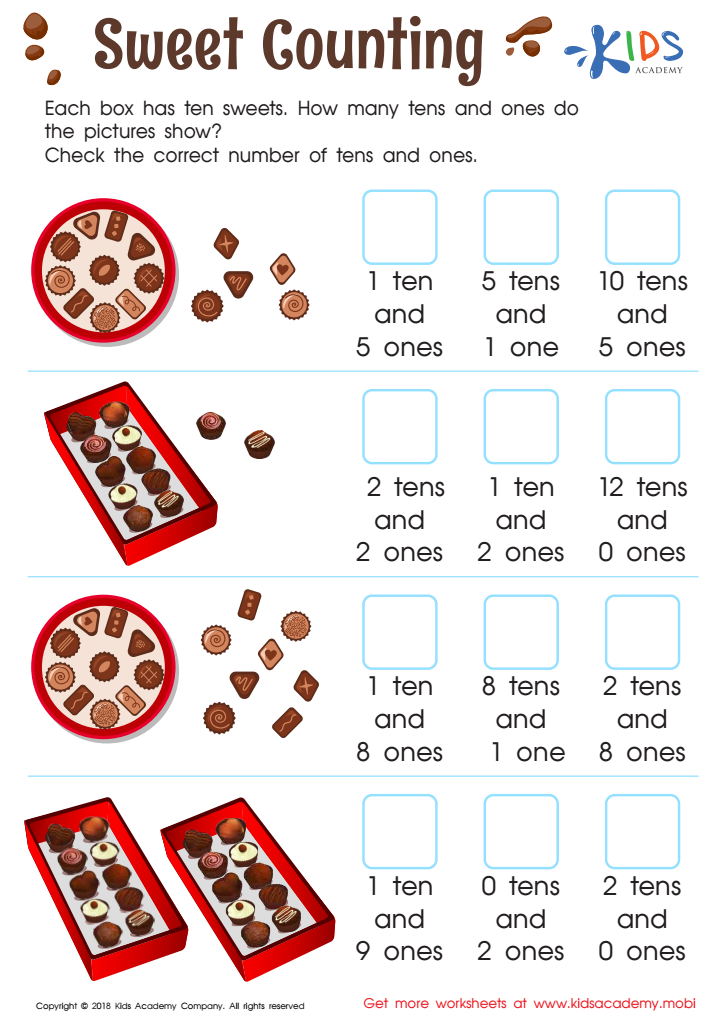
Kids adore sweets! Make counting fun with this sweet-themed worksheet. Guide your child to count chocolates in boxes of 10, plus individual candies. Group them into tens and ones. Ask: "How many ones and tens are in each row?" Check the answer and complete the practice sheet.
Sweet Counting - Part 2 Worksheet
Worksheet
Compare and Describe: Part 1 Worksheet

Compare and Describe: Part 1 Worksheet

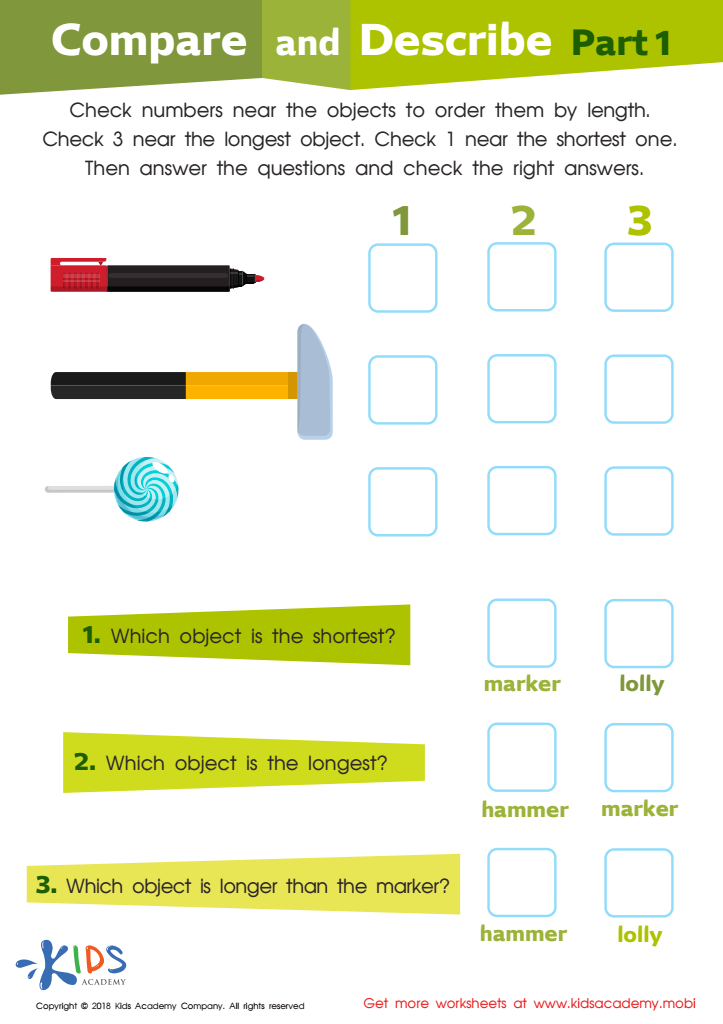
In this worksheet from Kids Academy, kids can start learning measurement in stages. Observe the images, then compare their length - which one is shortest? Which one is longest? Answer the questions at the bottom to complete the sheet. It's an easy way to help kids understand measurement basics.
Compare and Describe: Part 1 Worksheet
Worksheet
Count the Animal Shadows Worksheet

Count the Animal Shadows Worksheet

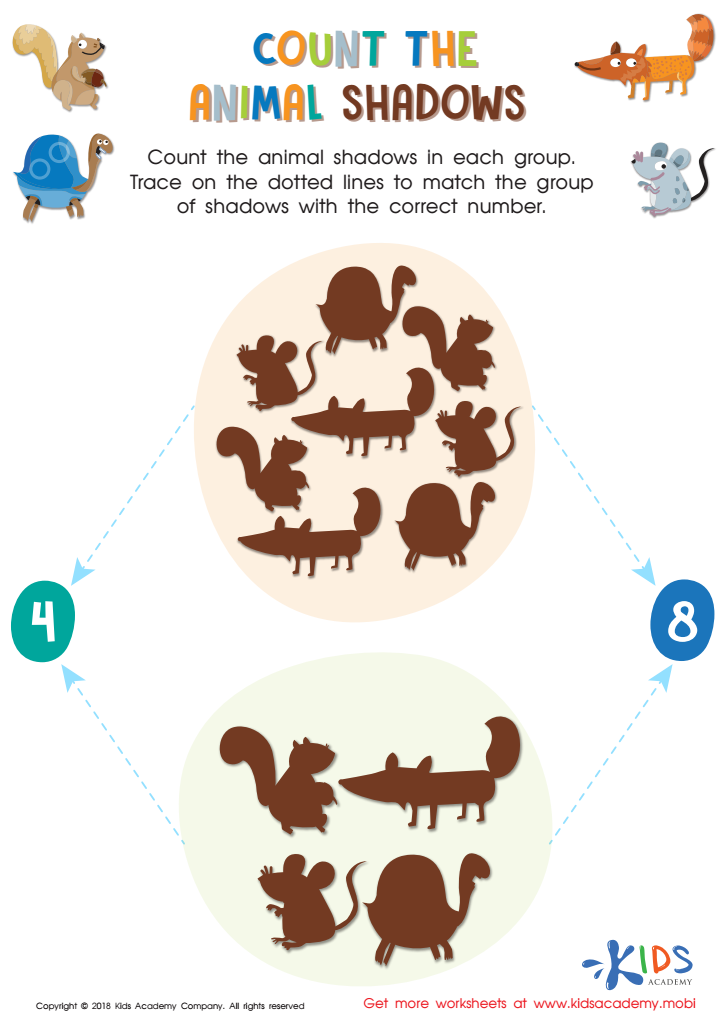
Our shadows accompany us wherever we go. Even your kids have seen theirs! Did they know that animals have shadows too? Count the animal shadows in each group with this worksheet. Ask your child to identify the animals pictured, then help them trace the dotted lines to match with the right number.
Count the Animal Shadows Worksheet
Worksheet
Garden Counting Worksheet

Garden Counting Worksheet

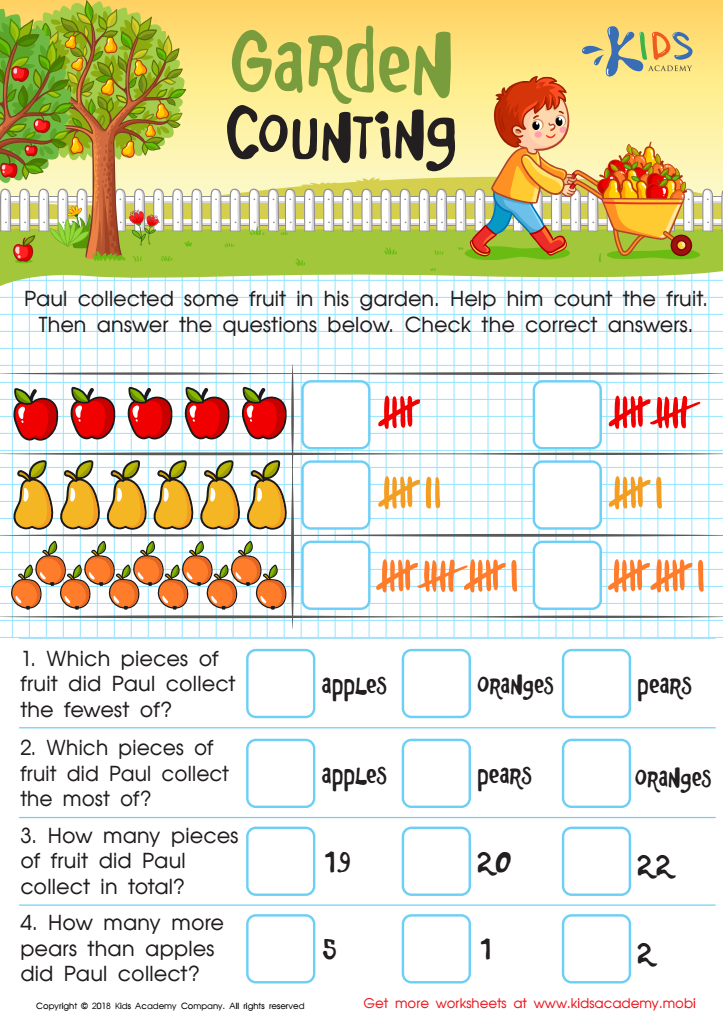
Help Paul count his fruit! Look at each type and count the total; check the box with the right number. Answer the questions below to report your findings and the types of fruit. Let's help Paul count his delicious harvest!
Garden Counting Worksheet
Worksheet
Ordering by Length Worksheet


Ordering by Length Worksheet

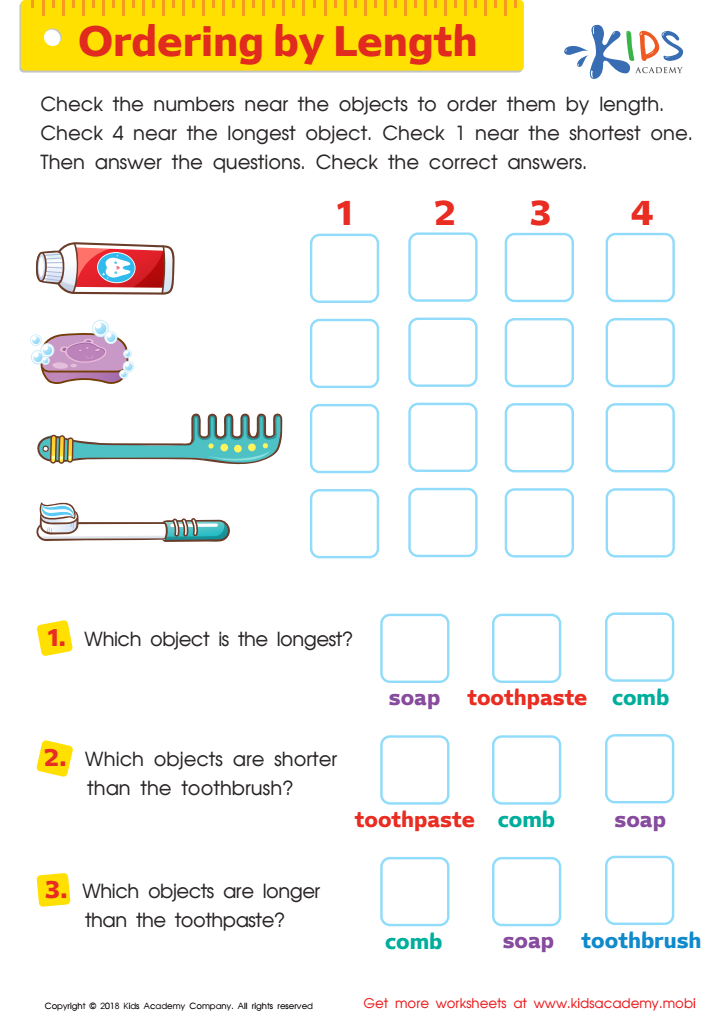
Compare objects to learn about measurement! Before purchasing a ruler, get kids to understand length by comparing objects and labeling them as longer or shorter than others. Use this printable math worksheet to help children think about measurement. It will show pictures of objects and ask children to categorize them by length.
Ordering by Length Worksheet
Worksheet


Visual perception is a crucial skill for Grade 1 students as it significantly impacts their mathematical understanding and overall learning progress. At this stage, children are developing the ability to recognize and interpret visual information, which is essential for grasping fundamental math concepts such as shapes, number formation, and spatial relationships. Effective visual perception enables students to categorize numbers, count objects accurately, and understand patterns, all of which are foundational skills in mathematics.

Parents and teachers should prioritize fostering visual perception because it directly influences a child's ability to engage with and solve math problems. When students can see and interpret visual aids—like block arrangements or number lines—they develop a more profound understanding of abstract concepts. Furthermore, strong visual perception skills can enhance a child's confidence in their mathematical abilities, setting them up for future academic success.

By paying attention to visual perception, parents and teachers can create learning experiences that incorporate visual elements, such as games and hands-on activities, making math enjoyable and relatable. Supporting these skills not only enriches a child's current learning but also lays a solid foundation for more complex mathematical reasoning in later grades. Ultimately, nurturing visual perception helps children develop critical analytical skills that are essential for lifelong learning.