Comparing sizes Grade 1 Measurement Worksheets
3 filtered results
Difficulty Level
Grade
Age
-
From - To
Subject
Activity
Standards
Explore our engaging "Comparing Sizes Grade 1 Measurement Worksheets" designed to support young learners in understanding size differences! Ideal for first-grade students, these worksheets focus on key measurement concepts, helping children compare objects effectively using visual aids and hands-on activities. Each worksheet encourages critical thinking as students categorize, sort, and identify larger or smaller items. With colorful illustrations and simple instructions, children will build confidence in their measurement skills while having fun. Perfect for classroom or at-home practice, our resources help foster mathematical understanding and prepare students for more advanced concepts in later grades. Start measuring the fun today!
Favorites
With answer key
Interactive
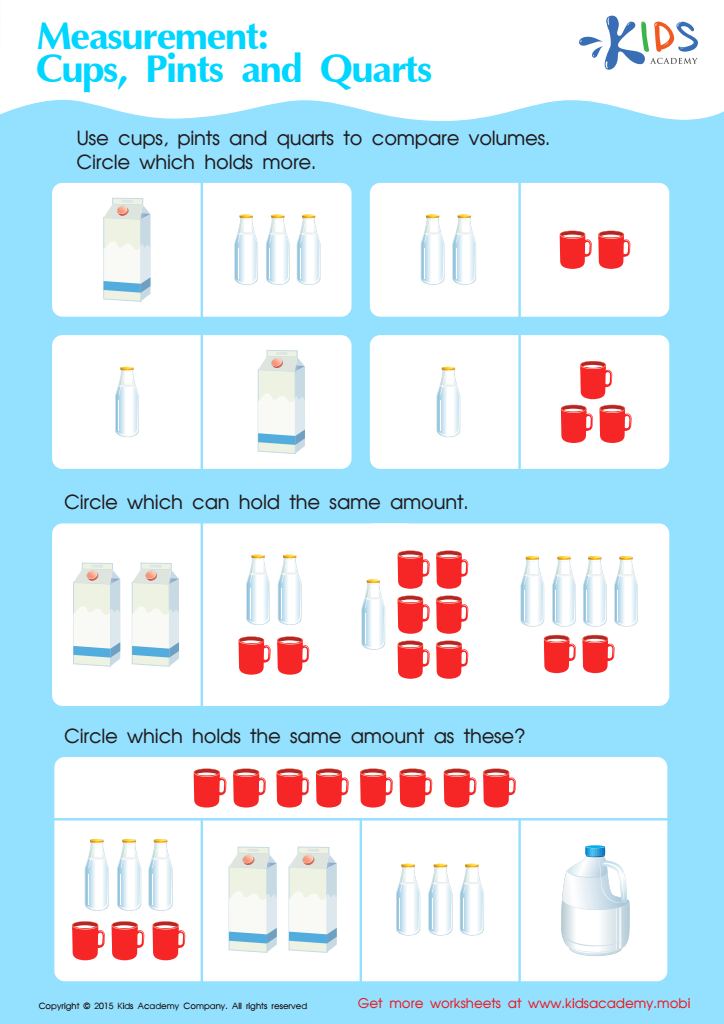
Measurement: Compare Volumes Worksheet
Compare volumes with Kids Academy and have fun! (80 words)
Practice measuring with Kids Academy and have fun! Compare volumes in pictures and circle which holds more. Keep learning with free math worksheets available on our website. Enjoy the process and have fun!
 Assign to My Students
Measurement: Compare Volumes Worksheet
Worksheet
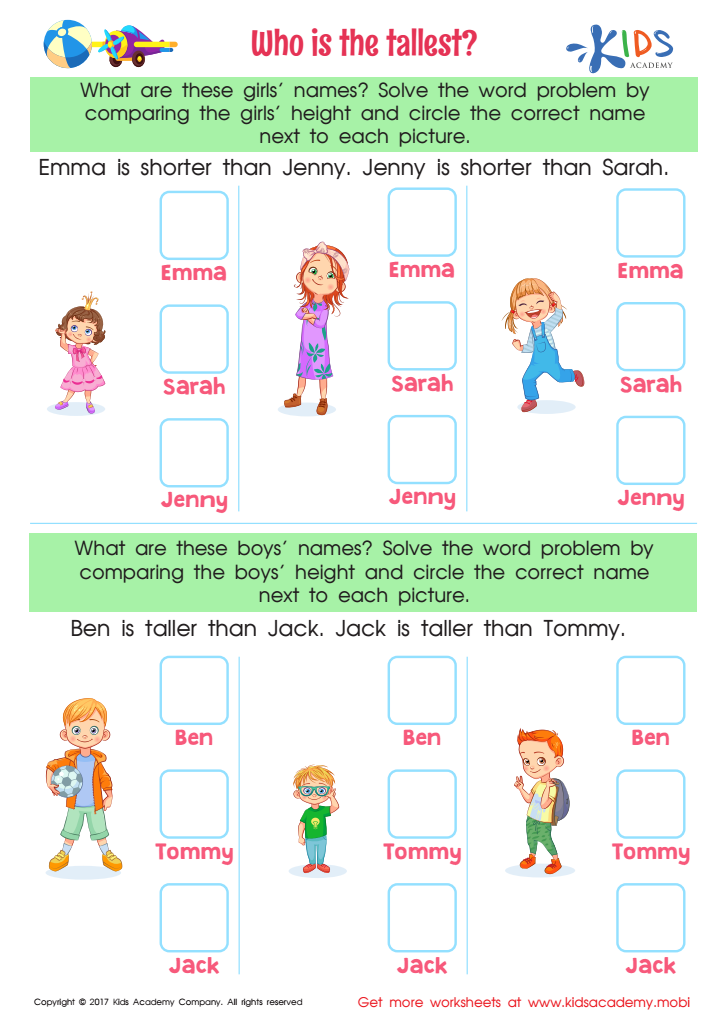
Who Tallest Printable
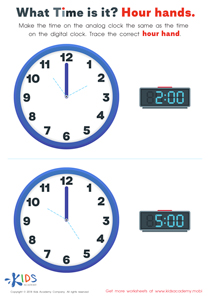
Help your child observe the kids in the worksheet and compare their heights to answer the question: Who is the Tallest? This is an excellent way for them to practice and better understand measurement concepts.
Who Tallest Printable
Worksheet
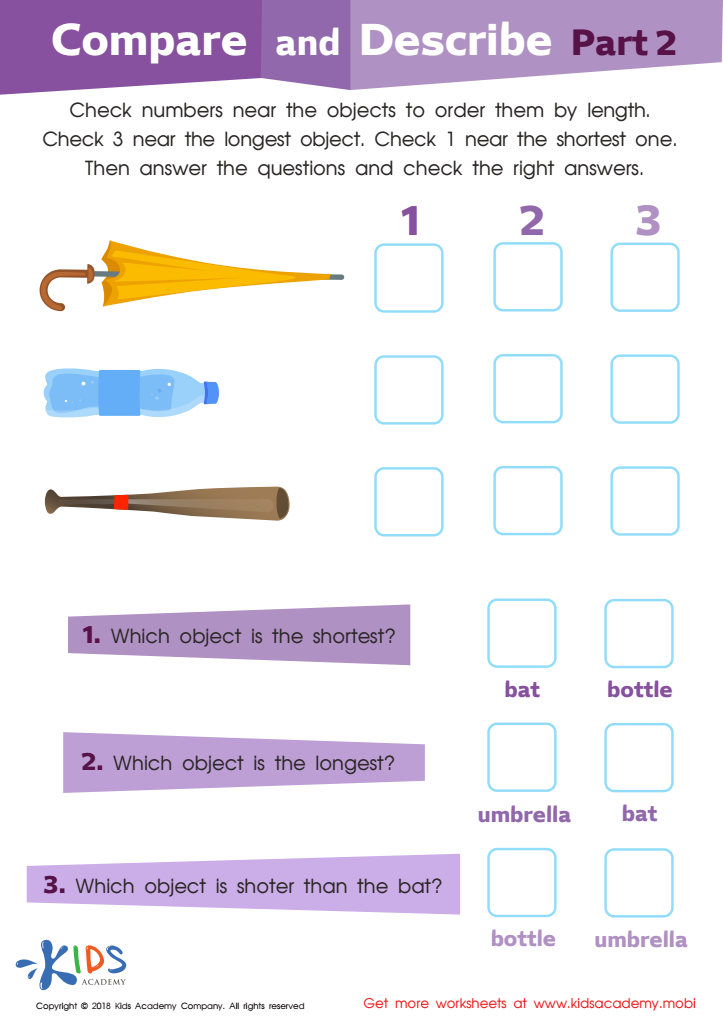
Compare and Describe: Part 2 Worksheet
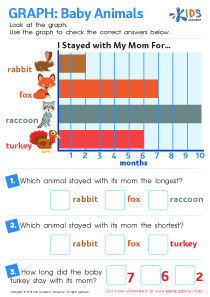
Help kids hone their comparison skills with this fun measurement worksheet! Kids will sort objects by length and check off the boxes as they go. At the bottom, they'll read the questions and take a final look at the images to complete the exercise. An exciting way to learn measurement!
Compare and Describe: Part 2 Worksheet
Worksheet
Join Kids Academy for Free
Who is primarily going to use this learning content?






Comparing sizes is an essential measurement skill that lays the foundation for mathematical understanding in young learners. In Grade 1, when children engage in comparing sizes—such as length, weight, and capacity—they not only enhance their numerical abilities but also develop critical thinking skills. Parents and teachers should care about this topic for several reasons.
Firstly, comparing sizes helps children make sense of their world. It allows them to understand concepts like "big" and "small," which are crucial for daily decision-making and problem-solving. For instance, knowing which container holds more or which item weighs less can influence real-life choices.
Secondly, measurement skills are a key part of the math curriculum that supports future learning. By mastering these foundational skills early on, children will be better prepared for more complex mathematical concepts in later grades, building confidence and competence.
Moreover, incorporating fun activities related to size comparison—like measuring objects with rulers or weighing fruits—enhances engagement and retention. It also fosters a collaborative environment where parents and teachers can encourage exploration and curiosity in measurement through hands-on experiences. Ultimately, caring about these comparisons empowers young learners to thrive academically and socially.