Sequencing Skills Grade 1 Reading Worksheets
5 filtered results
Difficulty Level
Grade
Age
-
From - To
Subject
Activity
Standards
Enhance your first grader's reading skills with our engaging Sequencing Skills worksheets! Designed specifically for Grade 1, these worksheets help young learners understand the concept of sequence in stories. Students will practice identifying the order of events, making connections, and improving their comprehension abilities. Each worksheet features colorful illustrations and fun activities tailored to capture children's attention and promote critical thinking. Perfect for classroom use or at-home learning, our Sequencing Skills worksheets make learning enjoyable and effective. Explore our collection today and give your child the tools they need to become confident readers and analytical thinkers!
Favorites
With answer key
Interactive
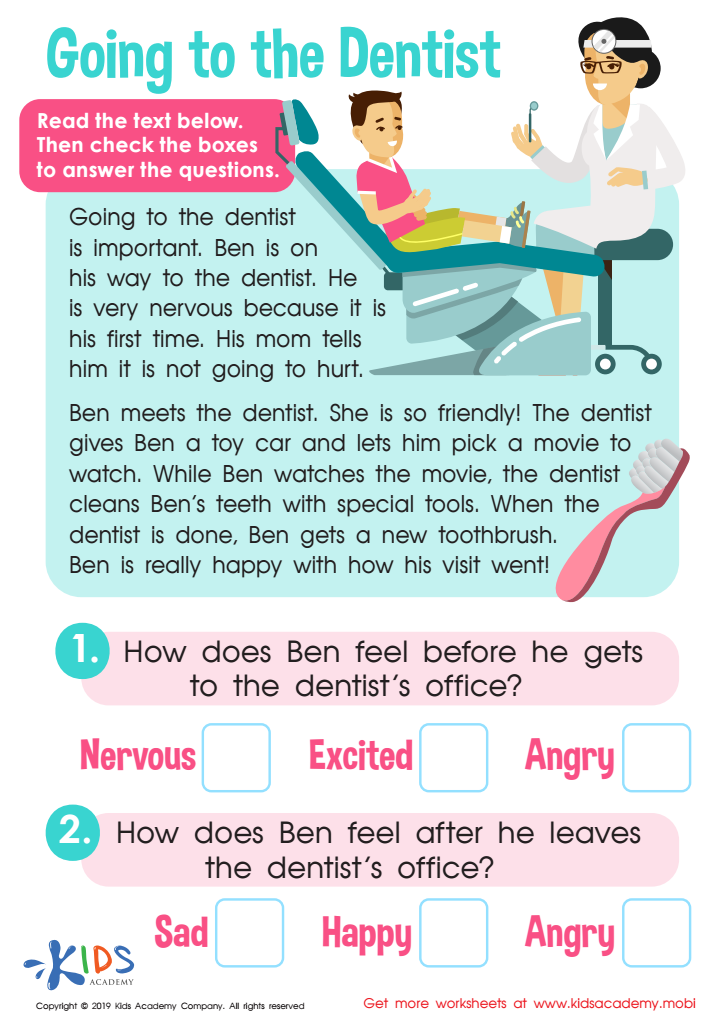
Going to the Dentist Worksheet
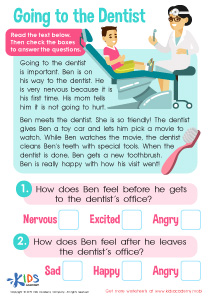
Kids can feel anxious when going to the dentist, but understanding why they go helps them cope. This free text helps them learn, as they read and answer questions about Ben's visit. They'll gain insight into Ben's emotions, while honing their critical thinking skills.
 Assign to My Students
Going to the Dentist Worksheet
Worksheet
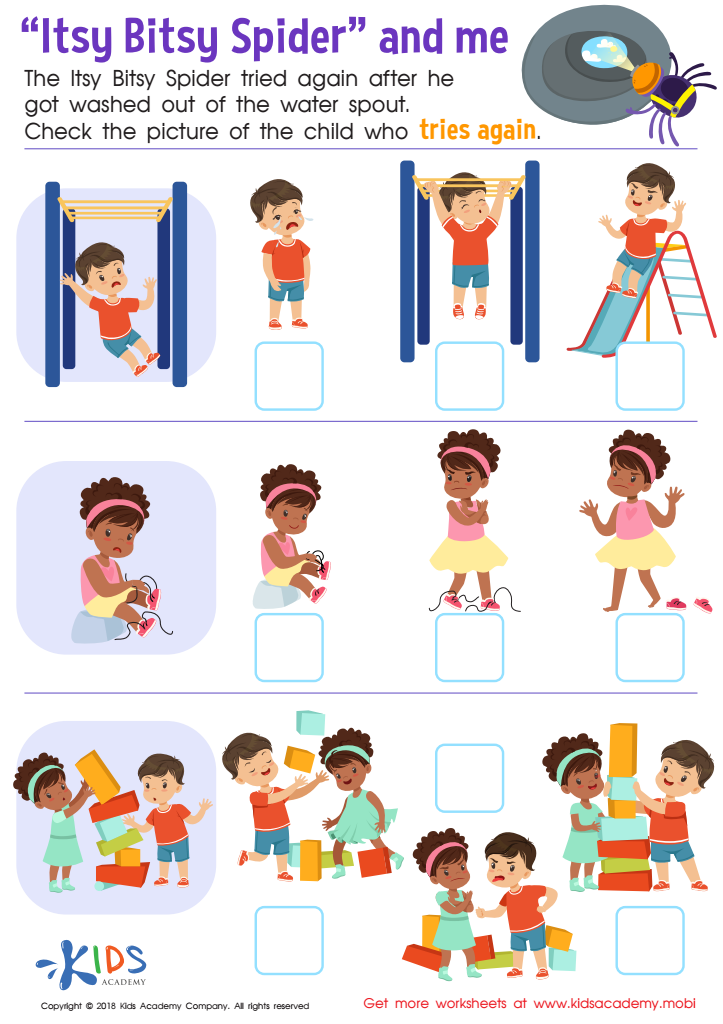
Itsy Bitsy Spider and Me Worksheet
Ensure your child's success - teach them determination and perseverance! Introduce them to the Itsy-Bitsy spider and this fun worksheet. It shows kids working hard and teaches them to 'try again.' Have them identify scenes and check the box for those who succeeded.
Itsy Bitsy Spider and Me Worksheet
Worksheet
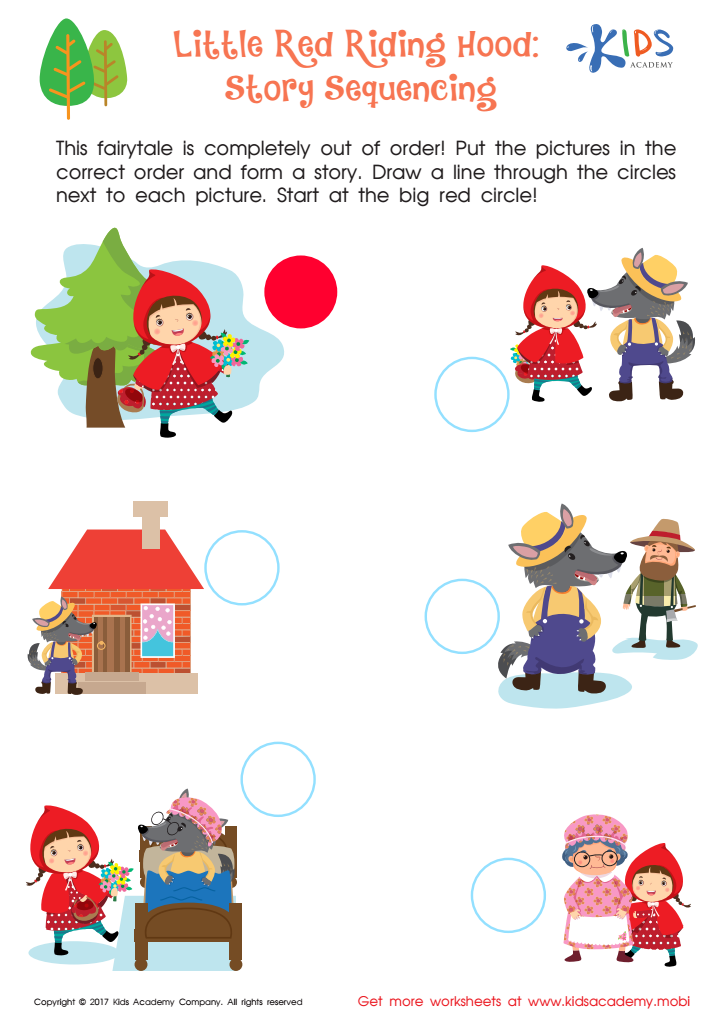
Story Sequencing Printable
Children must identify story events in sequential order to build a better understanding of plot.
Help your child learn how to understand plot with this fun comprehension worksheet: Little Red Riding Hood! Guide them to identify story events and order them correctly to boost their reading skills.
Story Sequencing Printable
Worksheet
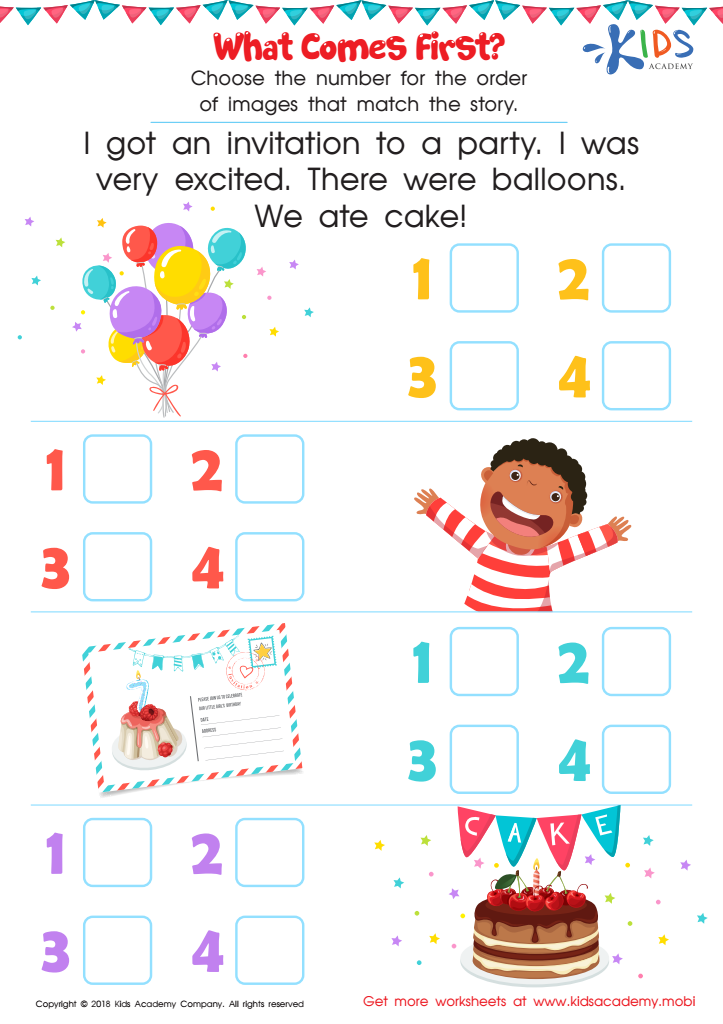
What Comes First Worksheet
Before you start, ask your child what they see in the picture. Read the story aloud together, then show them the images in order, numbered 1-5. Ask them to choose the numbers that match the story. Have fun and enjoy this party worksheet with your little one! (80 words)
What Comes First Worksheet
Worksheet
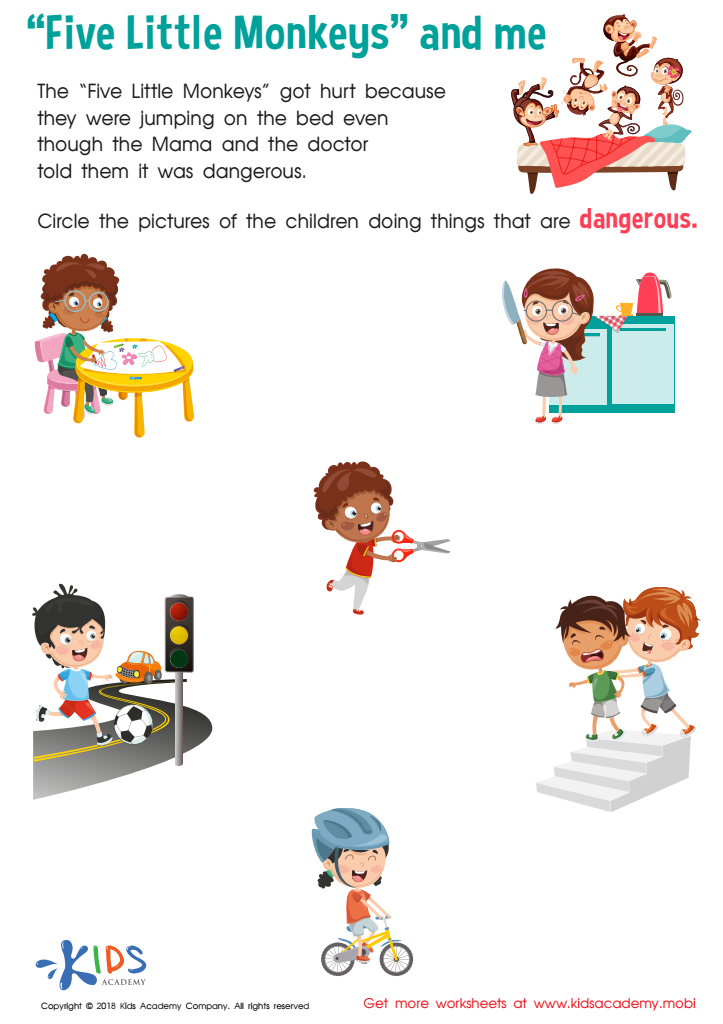
Five Little Monkeys and Me Worksheet
This free PDF worksheet provides preschoolers an understanding of danger and appropriate play. It allows them to recognize dangerous situations and why they can be risky, granting kids perspective from both parents and teachers. It's a fun, safe way to help them internalize what's dangerous and what's not.
Five Little Monkeys and Me Worksheet
Worksheet
Join Kids Academy for Free
Who is primarily going to use this learning content?







Sequencing skills are fundamental components of reading development, especially in Grade 1. These skills involve understanding the order of events or concepts in a story, which directly impacts a child's comprehension and overall literacy. When parents and teachers emphasize sequencing skills, they help children make connections between events, which enhances their ability to summarize and predict outcomes.
Improving sequencing skills fosters critical thinking and enables students to better understand narrative structures. Children learn to identify the beginning, middle, and end of stories, facilitating greater engagement and retention of information. This foundational understanding is not limited to literature; it extends to everyday problem-solving and various subjects, such as math and science.
Moreover, proficiency in sequencing contributes to stronger writing abilities. Students who grasp the flow of ideas can better organize their thoughts and communicate effectively. The skills acquired in Grade 1 set the stage for future academic success, making it imperative for educators and parents to support these abilities.
By encouraging practice through storytelling, reading together, and utilizing sequencing games, parents and teachers can support the development of these critical skills, leading young learners towards a more enriched education and a lifelong love of reading.