Alphabet Recognition Extra Challenge ABC Order Worksheets for Ages 3-4
3 filtered results
-
From - To
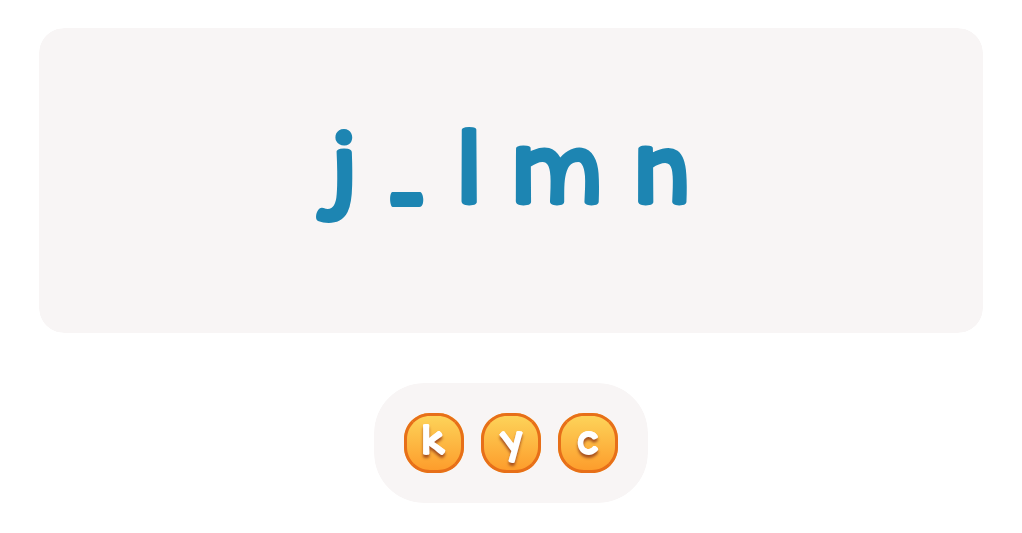
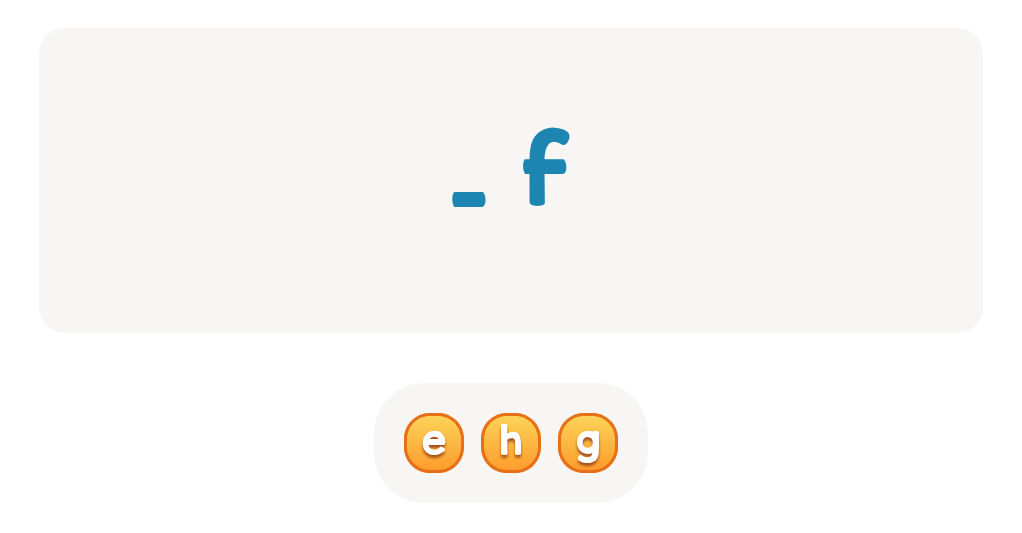
Discover the perfect resource for enhancing alphabet recognition with our "Alphabet Recognition Extra Challenge ABC Order Worksheets for Ages 3-4". Designed to engage young learners, these worksheets provide fun and interactive activities that reinforce letter identification and sequencing skills. Each page includes colorful illustrations and varying levels of difficulty to captivate children while fostering their understanding of the ABC order. Ideal for both classroom and home settings, our worksheets encourage independent learning and critical thinking. Help your child build a strong foundation in literacy and instill a love for learning with these enjoyable printables. Start the alphabet adventure today!
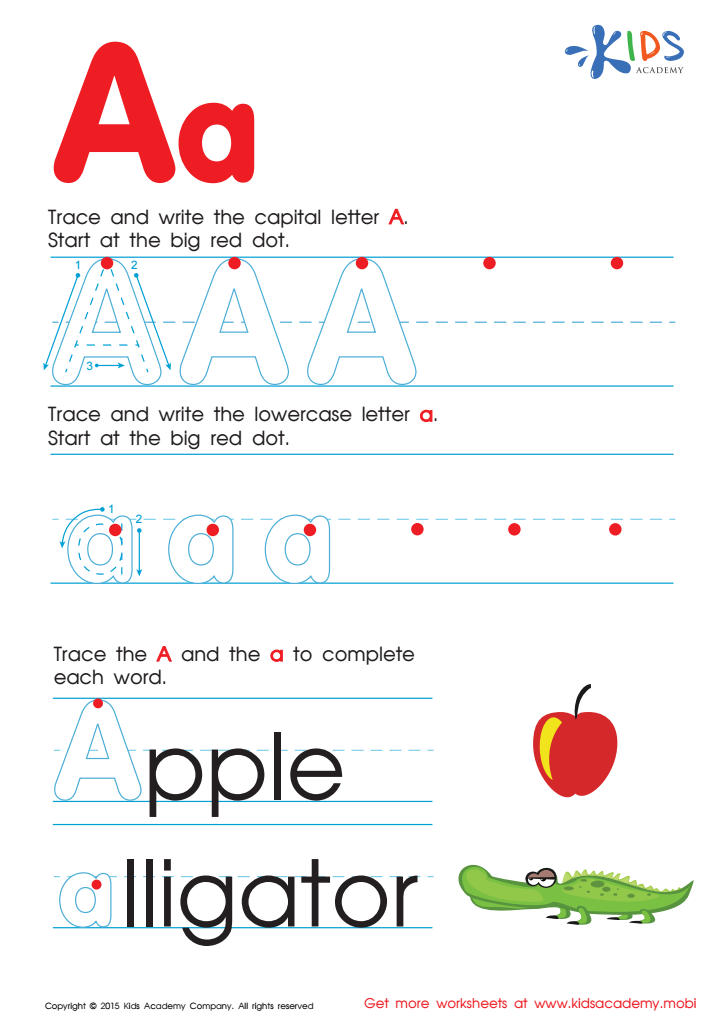
Letter A Tracing Page
 Assign to My Students


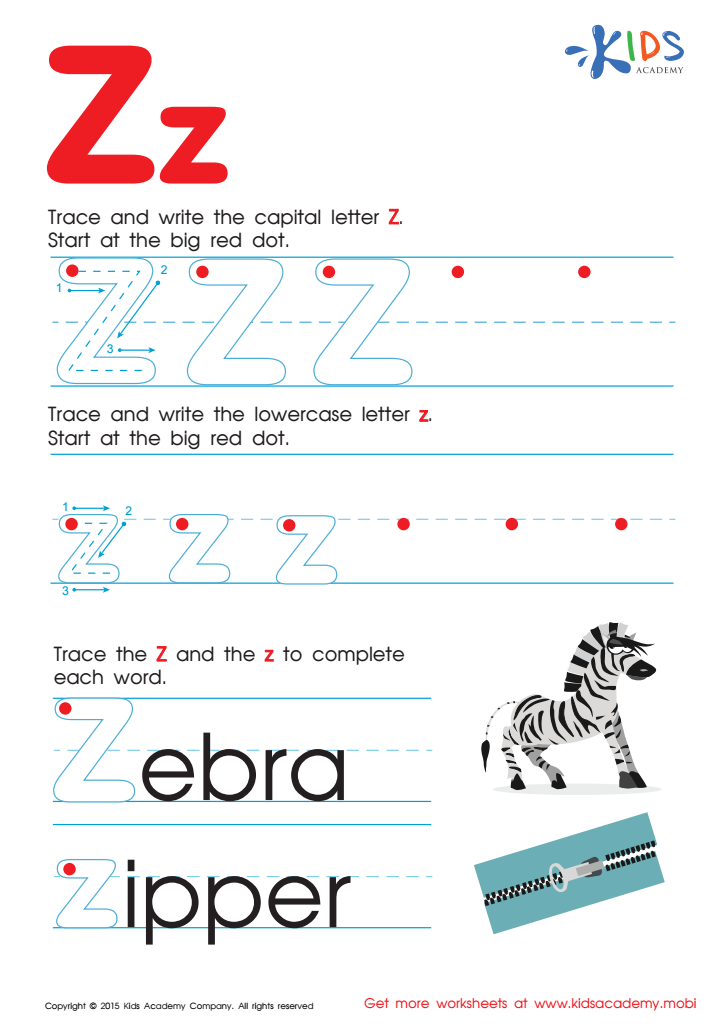
Letter Z Tracing Page
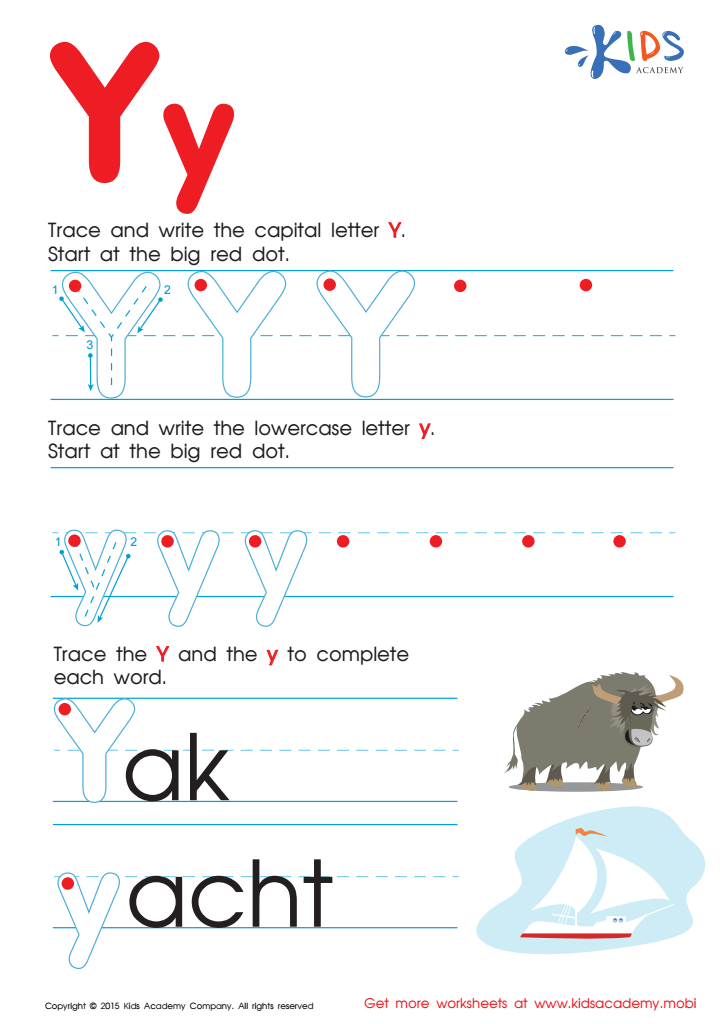
Letter Y Tracing Page








Alphabet Recognition Extra Challenge ABC Order for Ages 3-4 is crucial for parents and teachers as it lays the foundation for literacy development in early childhood. Understanding the alphabet is essential for phonemic awareness, which directly impacts reading and writing skills later on. This challenge promotes active engagement with letters, helping children recognize, differentiate, and sequence them correctly—skills that are critical as they progress academically.
By emphasizing ABC order, children learn the sequential organization of letters, creating familiarity that aids in word formation and spelling. This early exposure can reduce future reading difficulties, ensuring children build confidence in their literacy capabilities. Additionally, interactive activities around alphabet recognition can foster a love for learning, making the process enjoyable and effective.
Moreover, involving parents in this early learning initiative encourages a partnership between home and school, strengthening the child's educational support network. It empowers parents to participate in their child's learning journey and implement strategies at home.
In summary, the Alphabet Recognition Extra Challenge equips young learners with essential skills, promotes literacy readiness, encourages collaboration between educators and families, and helps establish a strong foundation for future academic success. Prioritizing this foundational element ensures children embark on their educational journey with confidence and competence.








