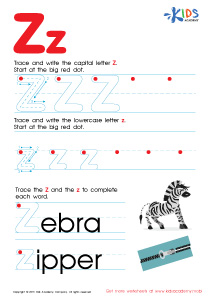
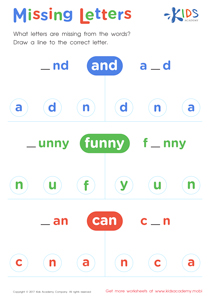
Vowel Recognition Extra Challenge Phonics Worksheets for Ages 3-4
7 filtered results
-
From - To
Introducing our "Vowel Recognition Extra Challenge Phonics Worksheets for Ages 3-4," designed to boost your child’s phonics skills! These engaging worksheets help young learners identify and recognize vowel sounds while having fun. Each activity is carefully crafted to challenge toddlers with age-appropriate tasks that enhance their reading and spelling abilities. Our worksheets incorporate colorful images and interactive exercises, encouraging children to explore and understand the fundamental building blocks of phonics. Perfect for both classroom use and at-home learning, these extra challenge activities ensure a solid phonics foundation for your little ones. Download now to start your child’s phonics journey!
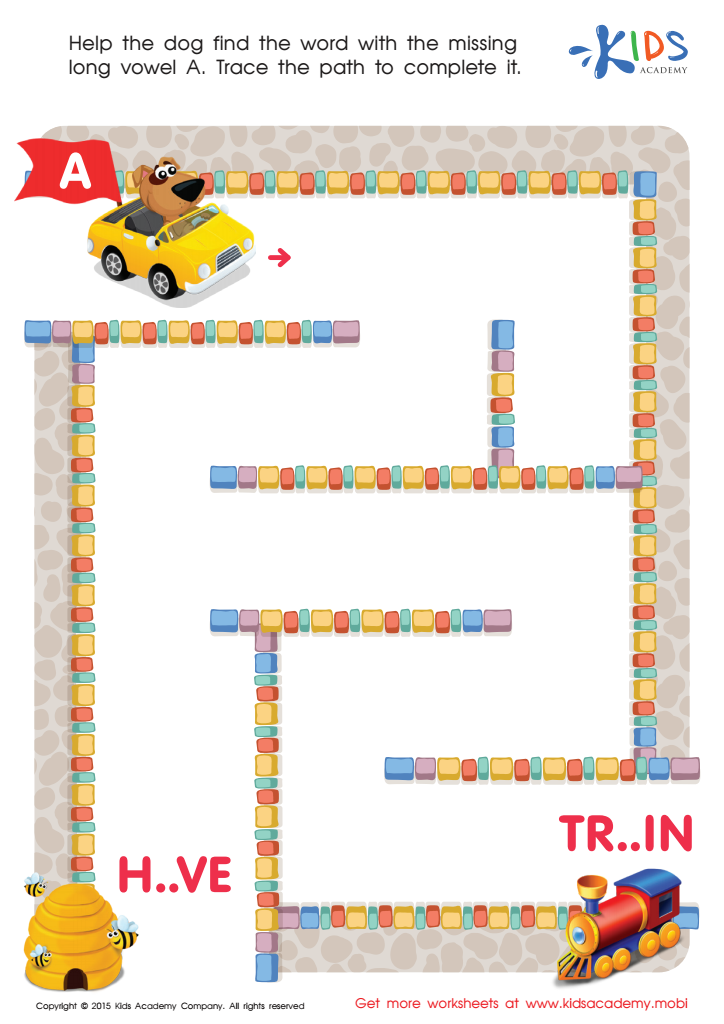
Long Vowel Sound A Worksheet
 Assign to My Students
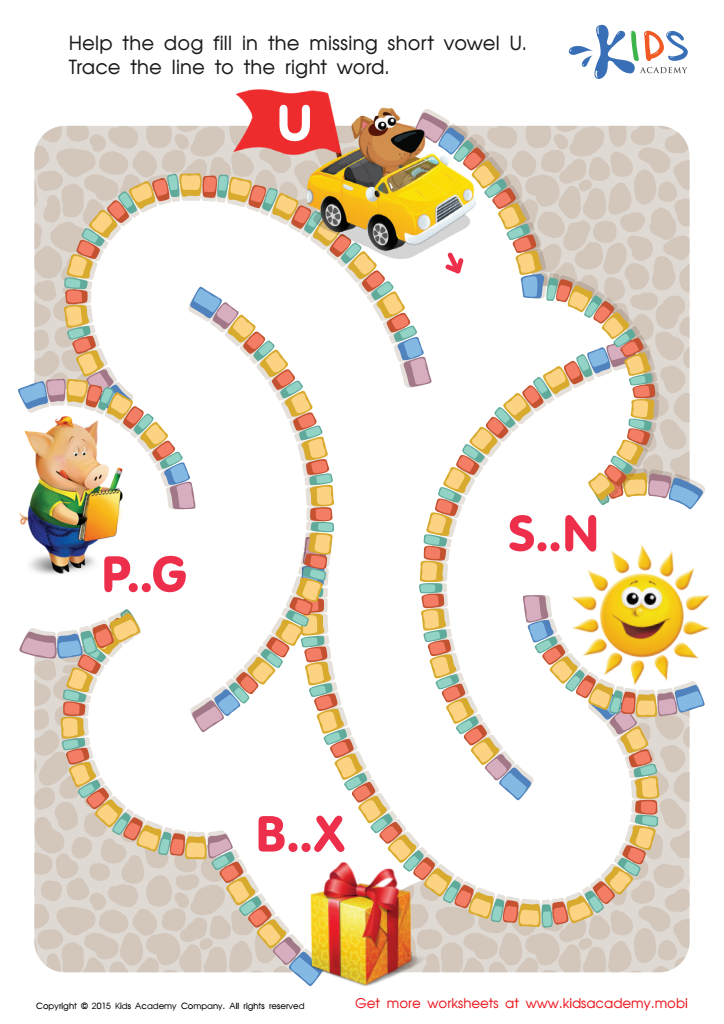
Short Vowel Sound U Worksheet
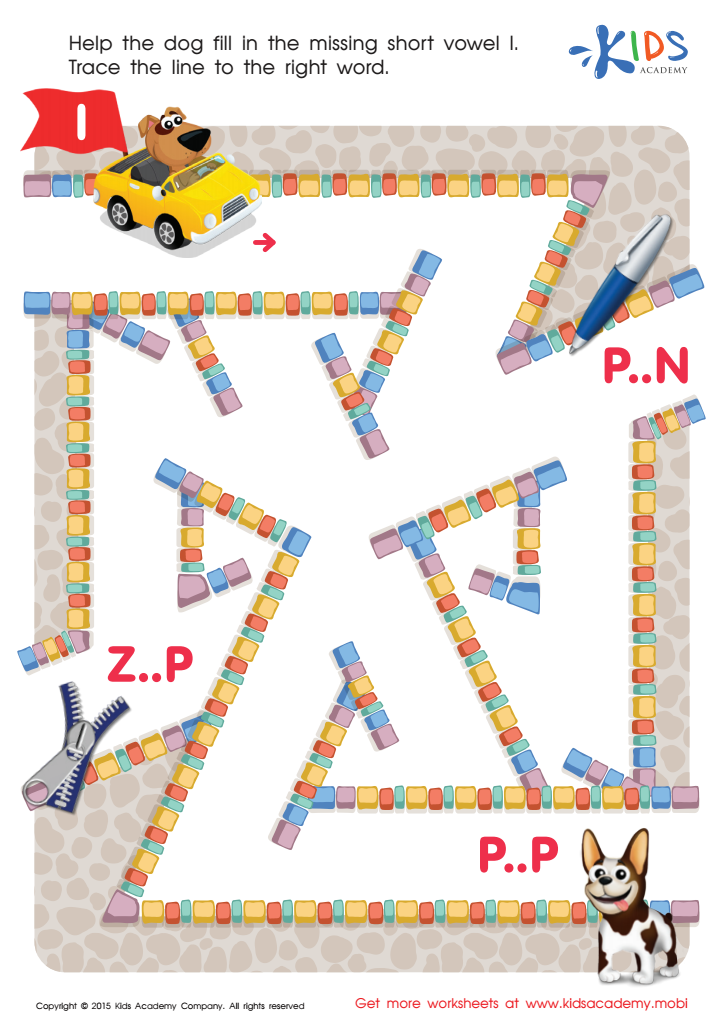
Short Vowel Sound I Worksheet
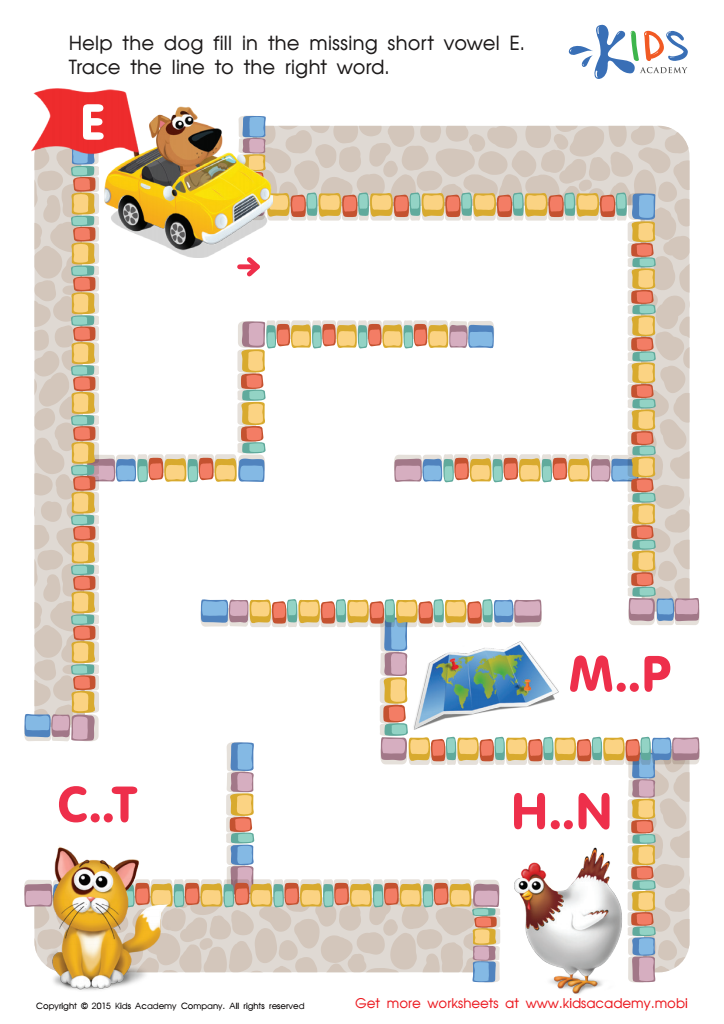
Short Vowel Sound E Worksheet
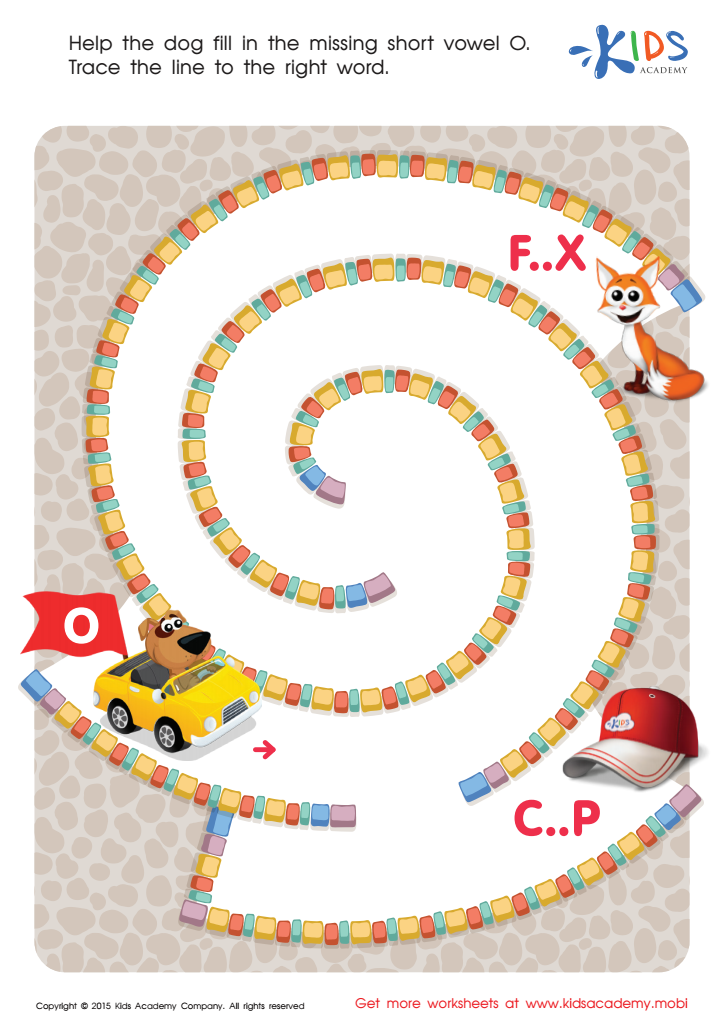
Short Vowel Sound O Worksheet
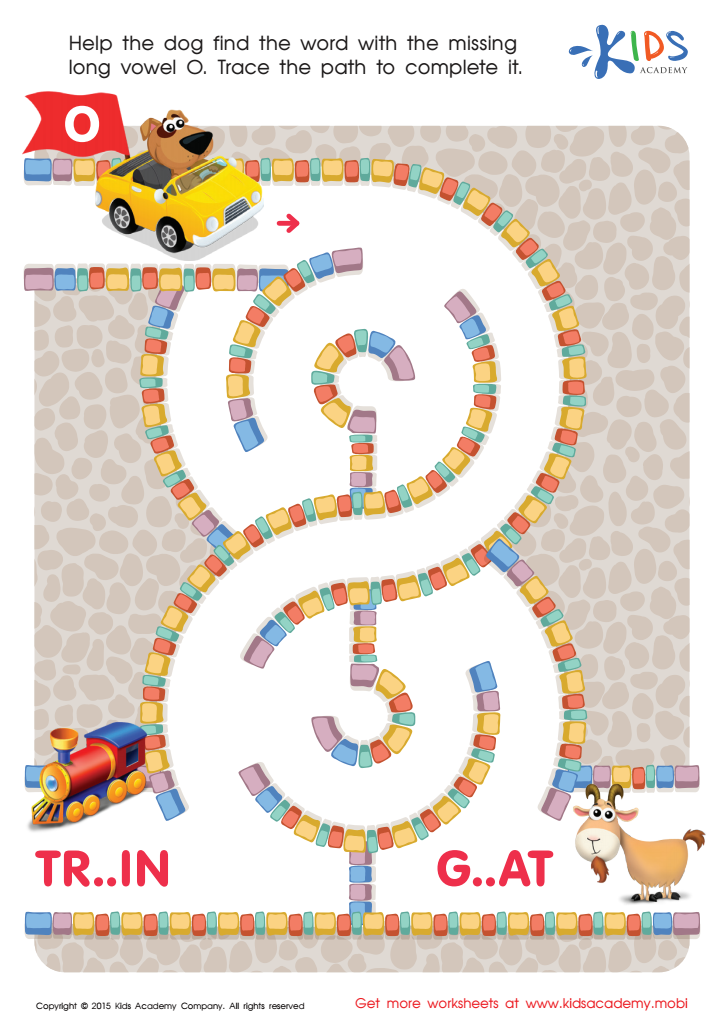
Long Vowel Sound O Worksheet
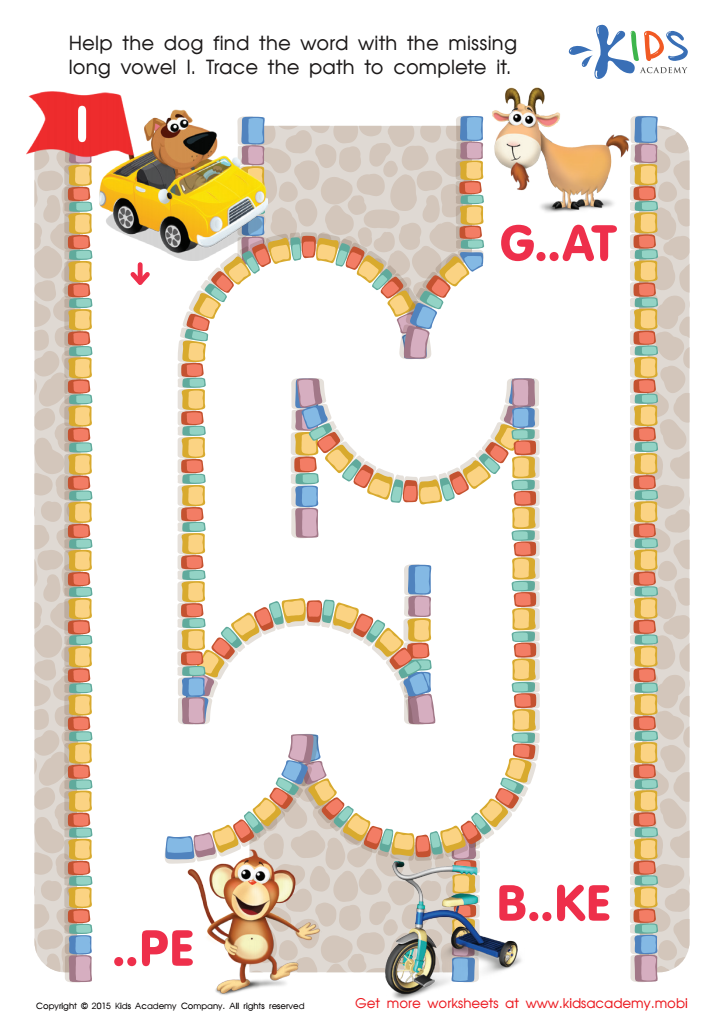
Long Vowel Sound I Worksheet








Early vowel recognition is foundational in a child's language development, and the Vowel Recognition Extra Challenge Phonics for Ages 3-4 provides a tailored approach to mastering this crucial skill. Parents and teachers should care about this program because it supports the development of reading competencies, which are essential for future academic success.
At this age, children's brains are highly receptive to linguistic input. Engaging them with focused vowel recognition activities enhances their phonemic awareness, which is the ability to hear, identify, and manipulate phonemes. This skill is predictive of a child's reading abilities because vowels form the core of word construction. Mastery of vowels helps in the smooth blending of sounds, making reading more fluent and less laborious.
Furthermore, early vowel recognition equips children with the tools to understand and decode simple words. The program uses playful and age-appropriate challenges that keep young learners engaged while simultaneously encouraging consistent practice. This setting fosters a positive learning environment, promoting curiosity and motivation.
Investing in vowel recognition at ages 3-4 can mitigate future reading difficulties, providing a strong foundation for mastering more complex language skills. Parents and teachers play a vital role in setting these building blocks, creating a gateway to lifelong learning and improved academic performance.