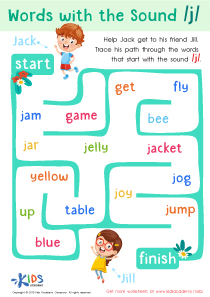
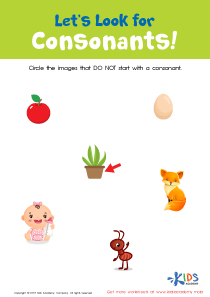
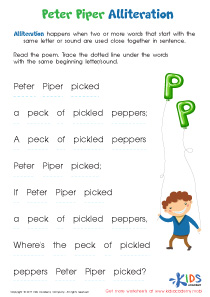
Vowel Recognition Extra Challenge Vowels Worksheets for Ages 3-4
7 filtered results
-
From - To
Enhance your toddler's reading readiness with our "Vowel Recognition Extra Challenge Vowel Worksheets" for ages 3-4! Designed for young learners, these engaging worksheets help children recognize and differentiate vowels in fun, interactive ways. Through colorful activities, your little ones will explore vowel sounds, strengthen their phonemic awareness, and boost their early literacy skills. Perfect for at-home practice or supplementary learning, our extra challenge worksheets provide a fantastic opportunity for growth and development in a crucial area of literacy. Encourage your child's love for learning with these delightful resources, setting the foundation for reading success. Start their educational adventure today!
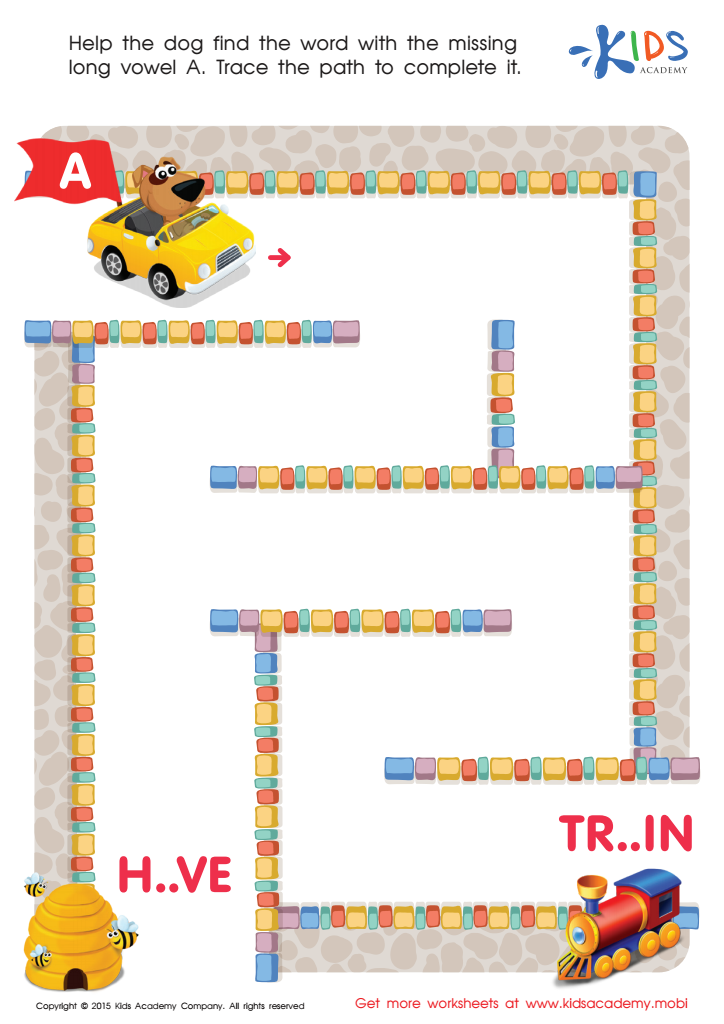
Long Vowel Sound A Worksheet
 Assign to My Students
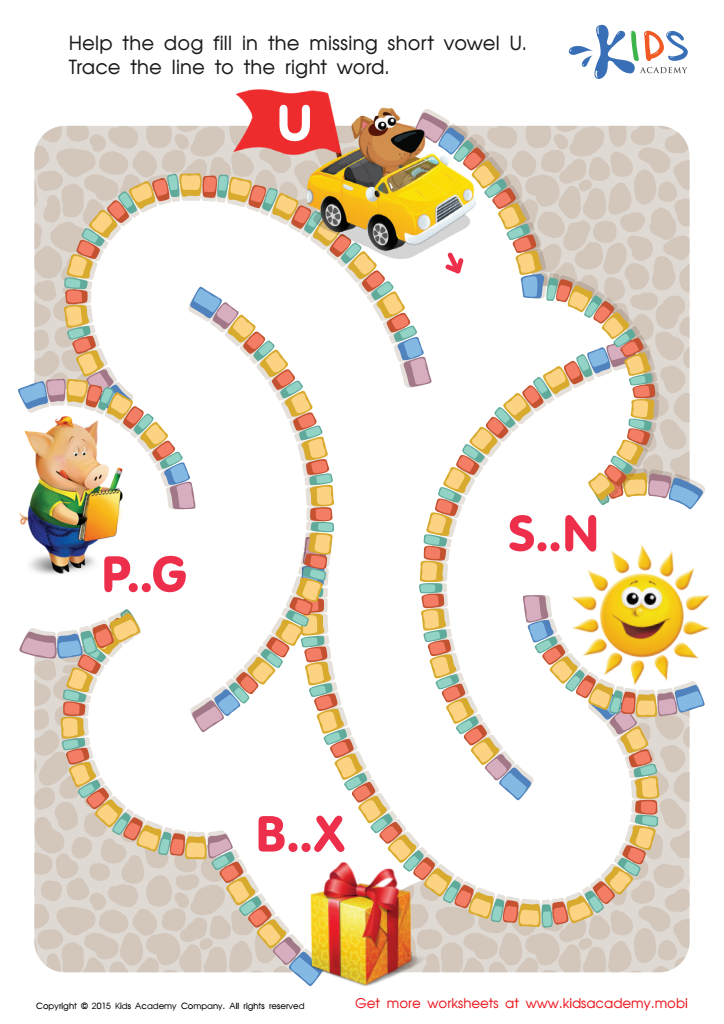
Short Vowel Sound U Worksheet
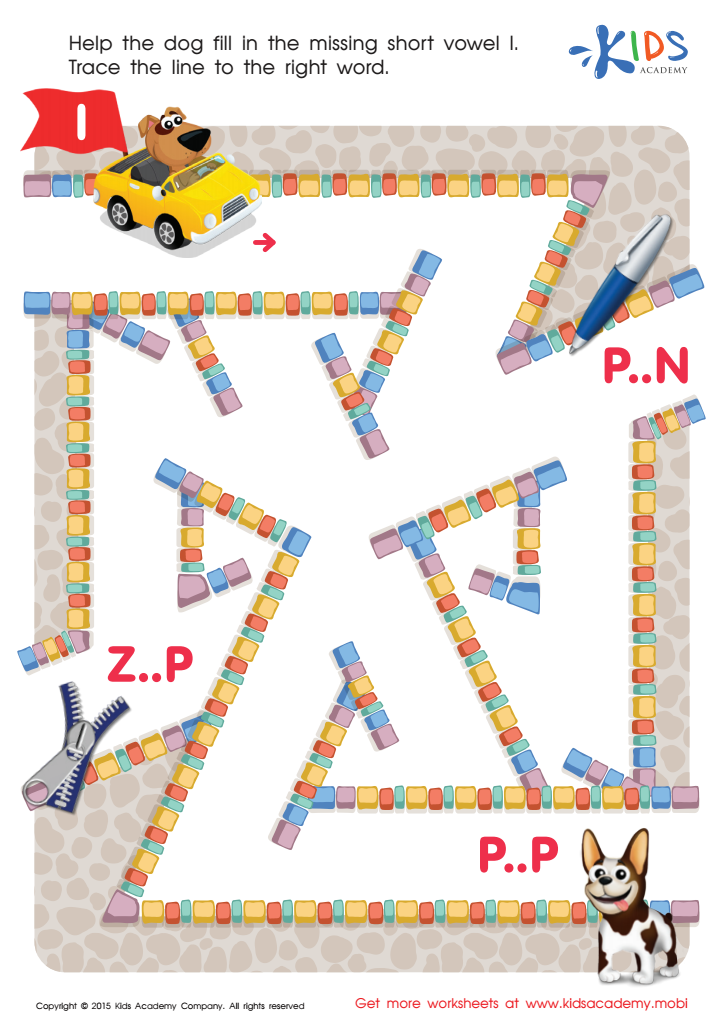
Short Vowel Sound I Worksheet
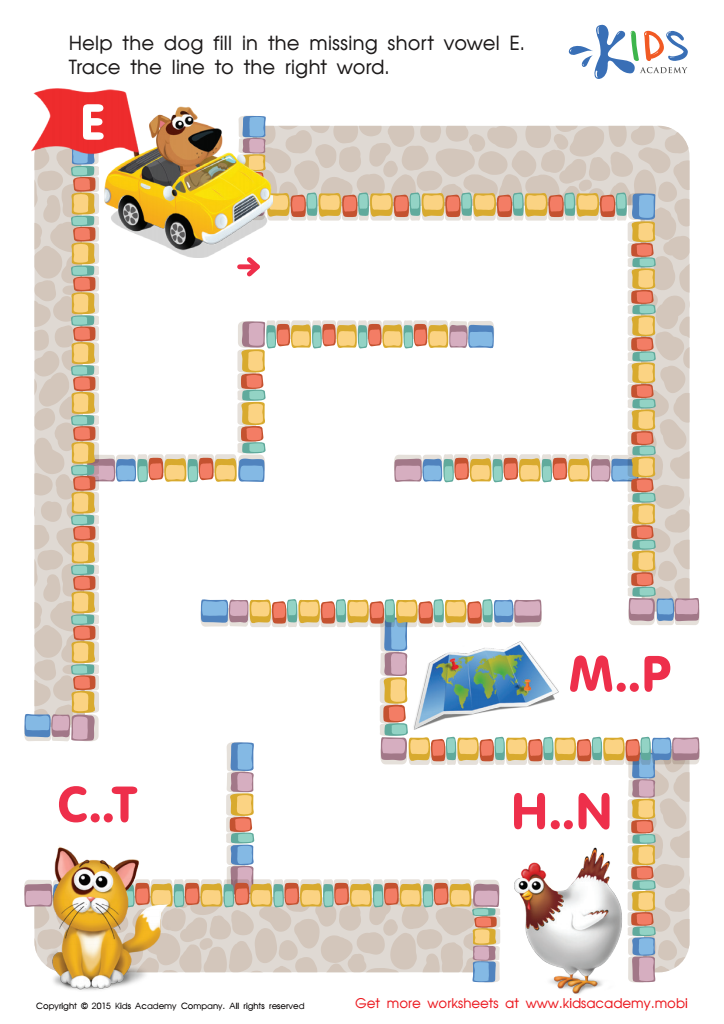
Short Vowel Sound E Worksheet
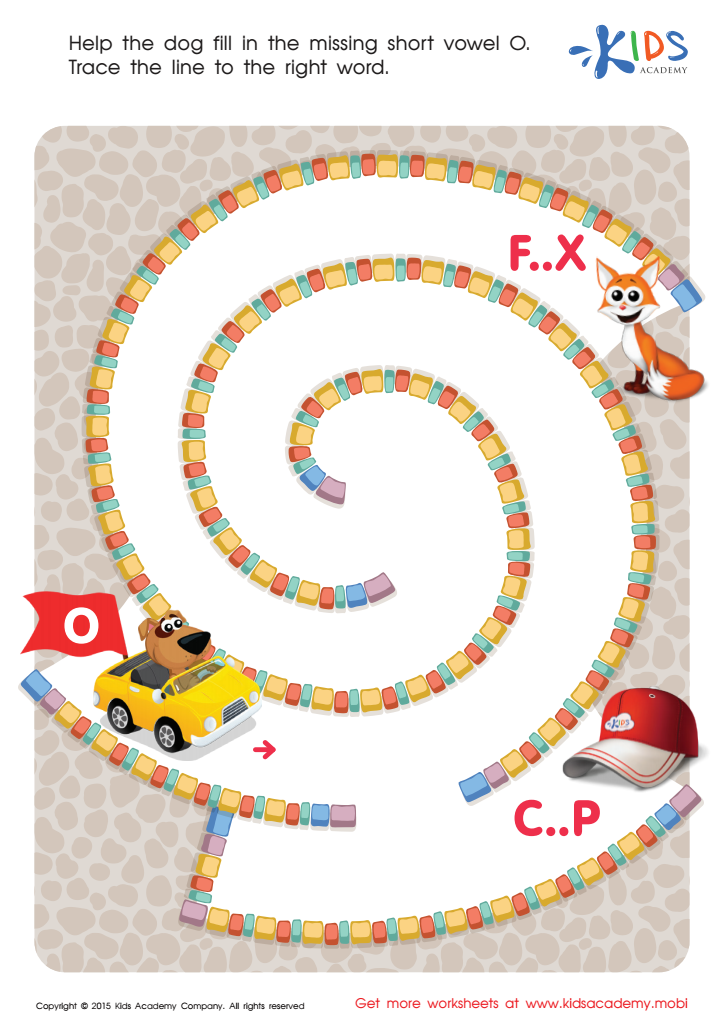
Short Vowel Sound O Worksheet
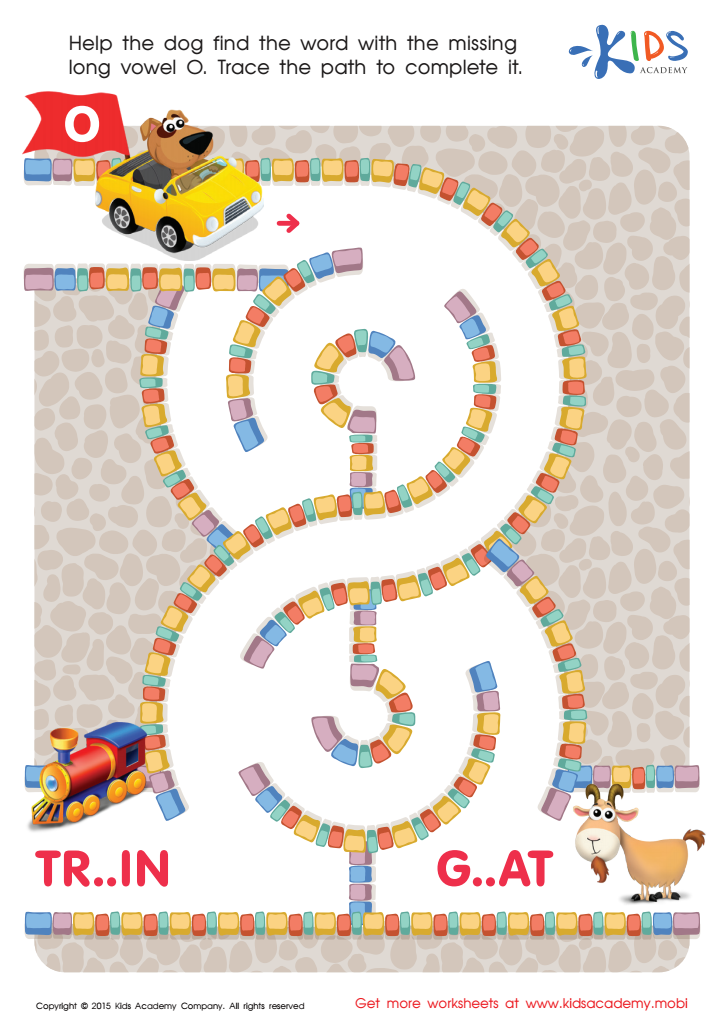
Long Vowel Sound O Worksheet
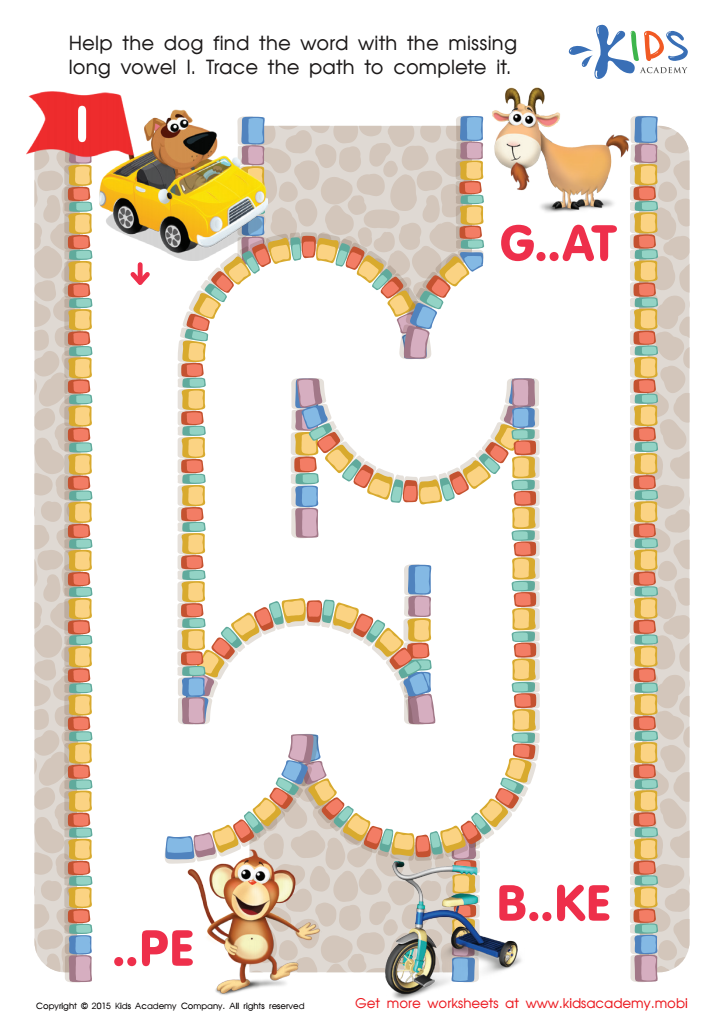
Long Vowel Sound I Worksheet





Vowel Recognition Extra Challenge Vowels is an essential skill for young learners aged 3-4, as it provides a solid foundation for their reading and language development. Parents and teachers should care about this because recognizing vowels is fundamental to understanding word formation and phonetics. Vowels play a crucial role in the structure of words, and by mastering these sounds and letters early on, children can enhance their phonological awareness—a key predictor of future literacy success.
Incorporating fun and engaging activities focused on vowel recognition encourages children to become more proficient in distinguishing sounds, leading to improved reading skills as they progress. This not only boosts their confidence but also fosters a love for learning. Furthermore, early intervention in vowel recognition can address any potential reading difficulties, ensuring that children keep pace with their peers.
By offering Vowel Recognition Extra Challenge activities, parents and teachers actively contribute to creating a supportive learning environment that values literacy and language skills. Ultimately, nurturing vowel recognition at this young age lays the groundwork for successful reading and communication abilities that will benefit children throughout their education and beyond. Supporting this foundational skill is crucial for helping them thrive academically.