Problem-Solving Skills Extra Challenge Addition & Subtraction Worksheets for Ages 3-4
10 filtered results
-
From - To
Enhance your child’s early math competence with our "Problem-Solving Skills Extra Challenge Addition & Subtraction Worksheets" designed specifically for ages 3-4. These engaging worksheets promote critical thinking as young learners tackle fun, age-appropriate problems that involve basic addition and subtraction. By encouraging children to explore different ways to arrive at the correct answers, they develop foundational math skills while nurturing problem-solving abilities. The colorful designs and interactive challenges captivate young minds, making learning an enjoyable experience. Perfect for preschool learning environments or at-home practice, these worksheets provide valuable support for educational growth and confidence in math. Start your child’s math journey today!
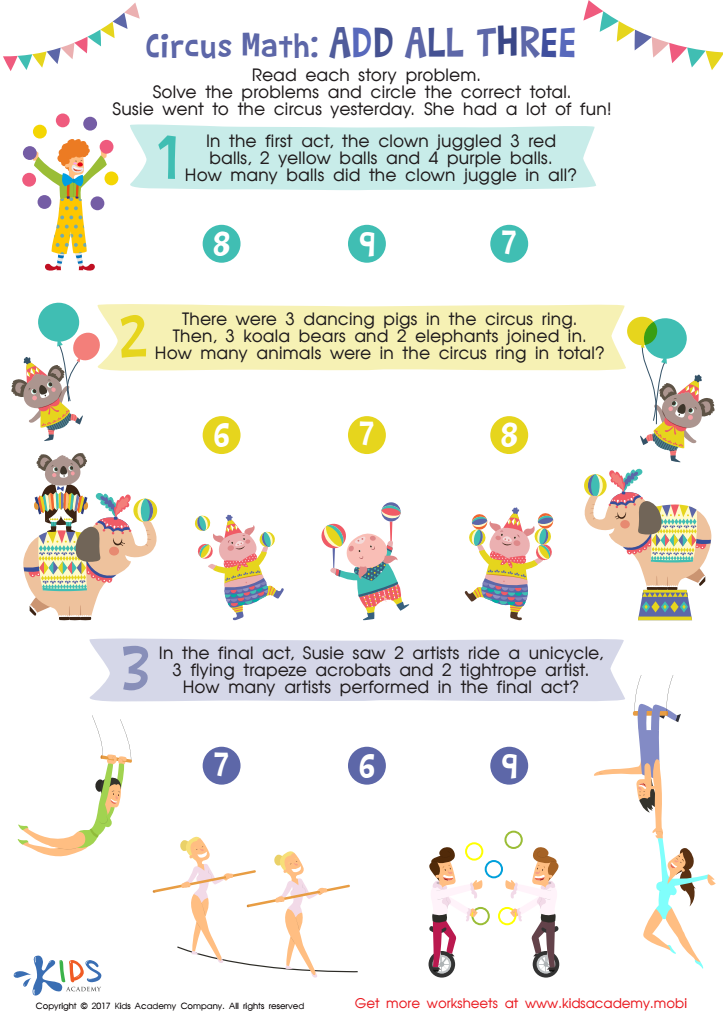
Circus Math Printable
 Assign to My Students
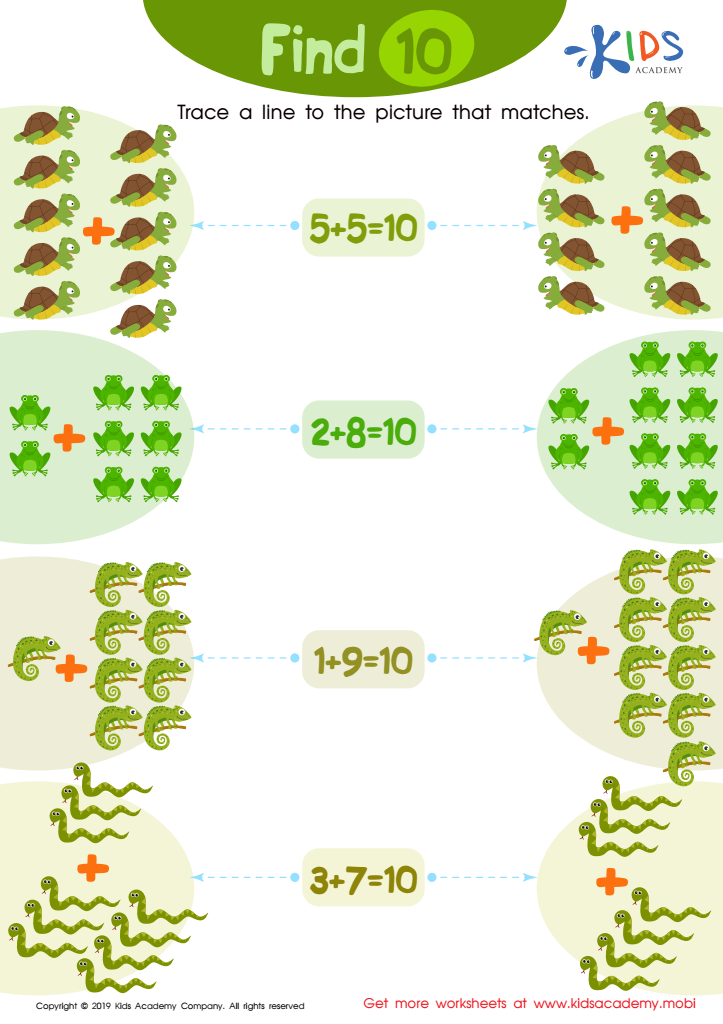
Find 10 Worksheet
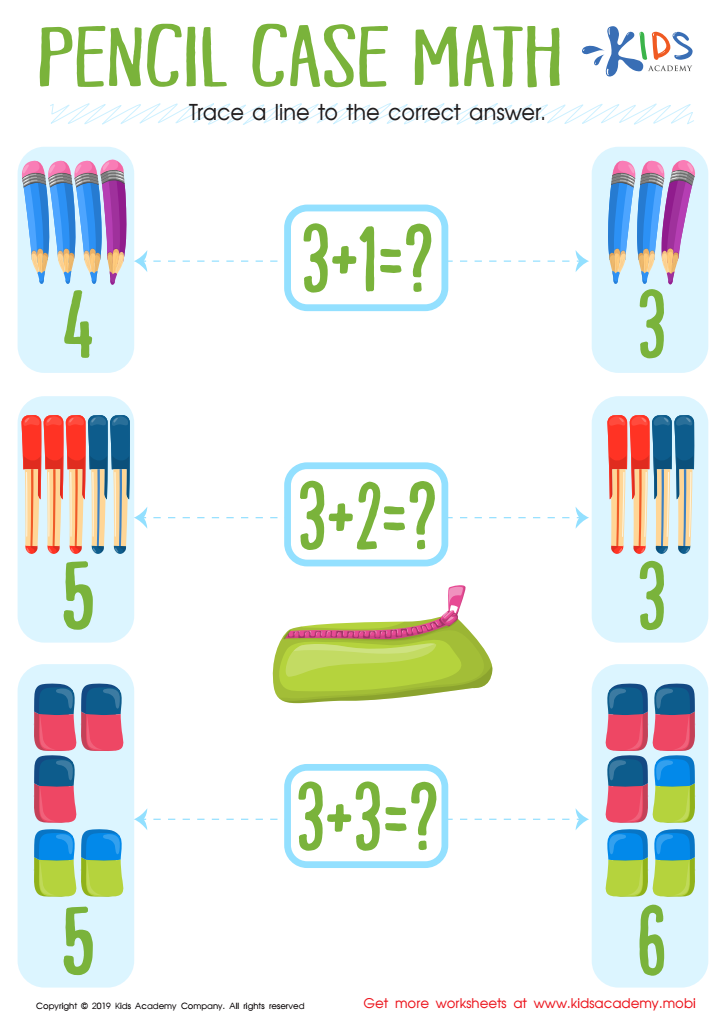
Pencil Case Math Worksheet
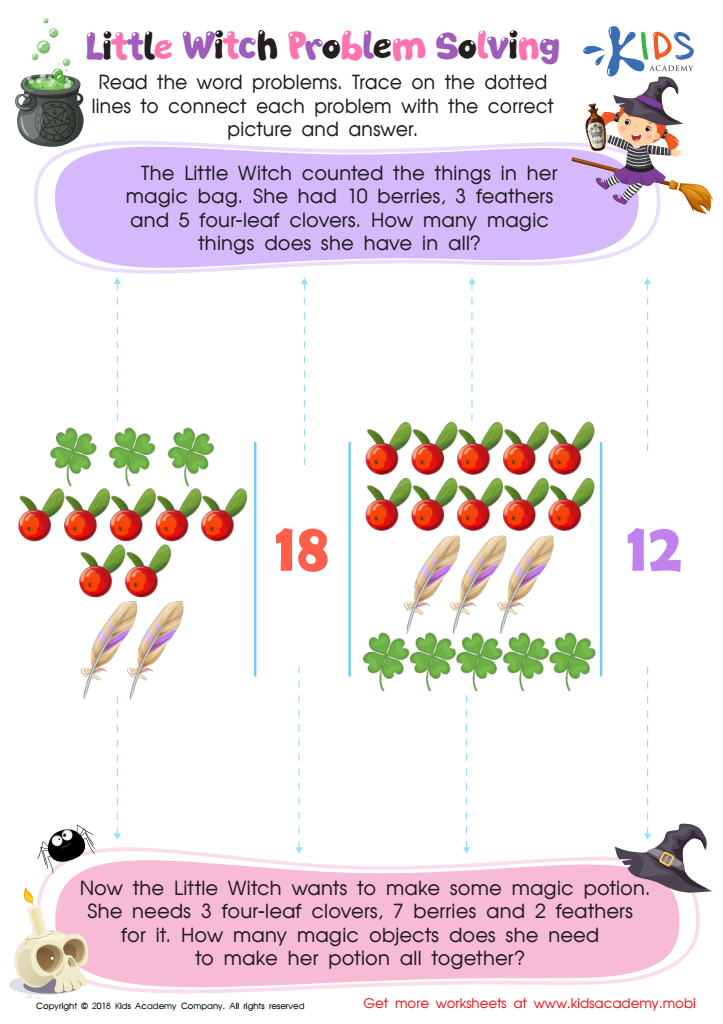
Little Witch Problem Solving Worksheet
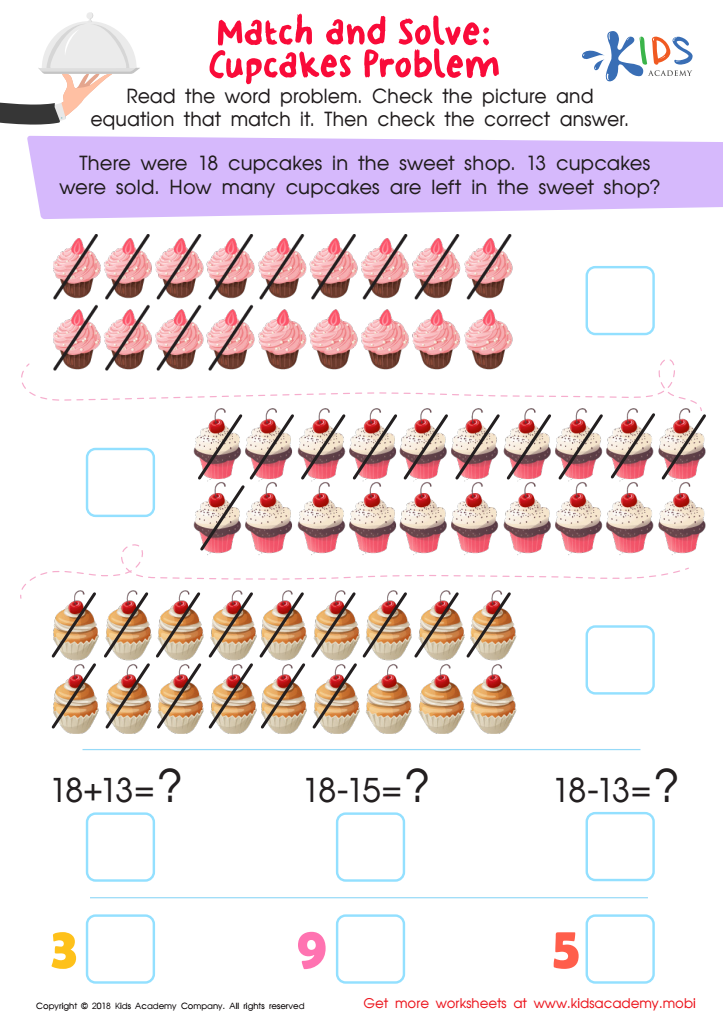
Match and Solve: Cupcakes Problem Worksheet
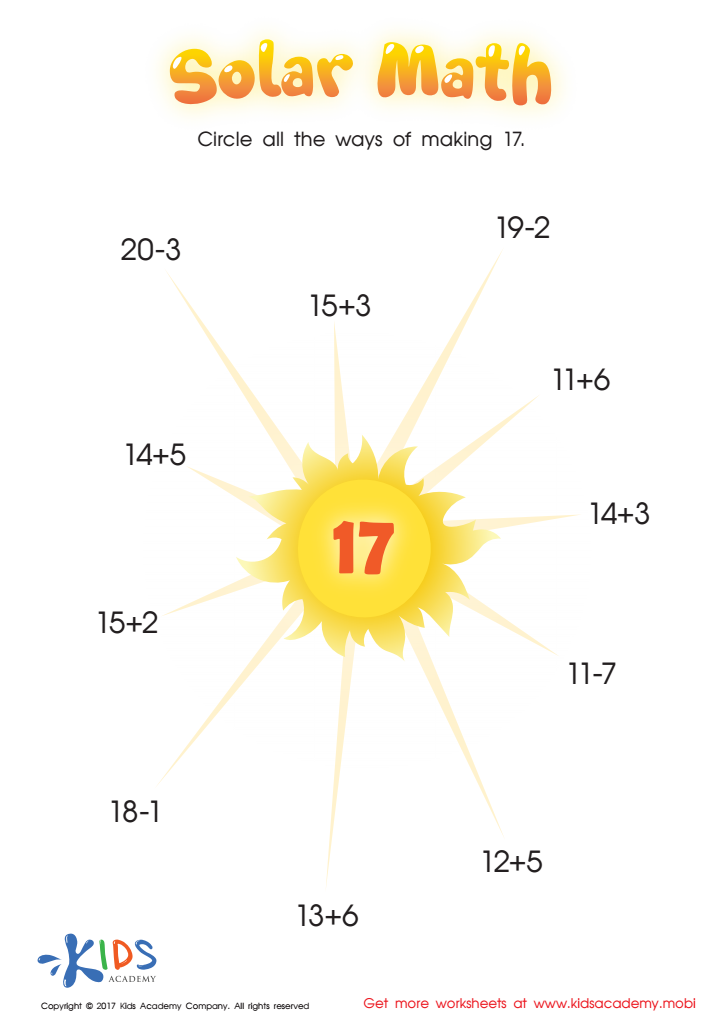
Solar Math Substraction Worksheet
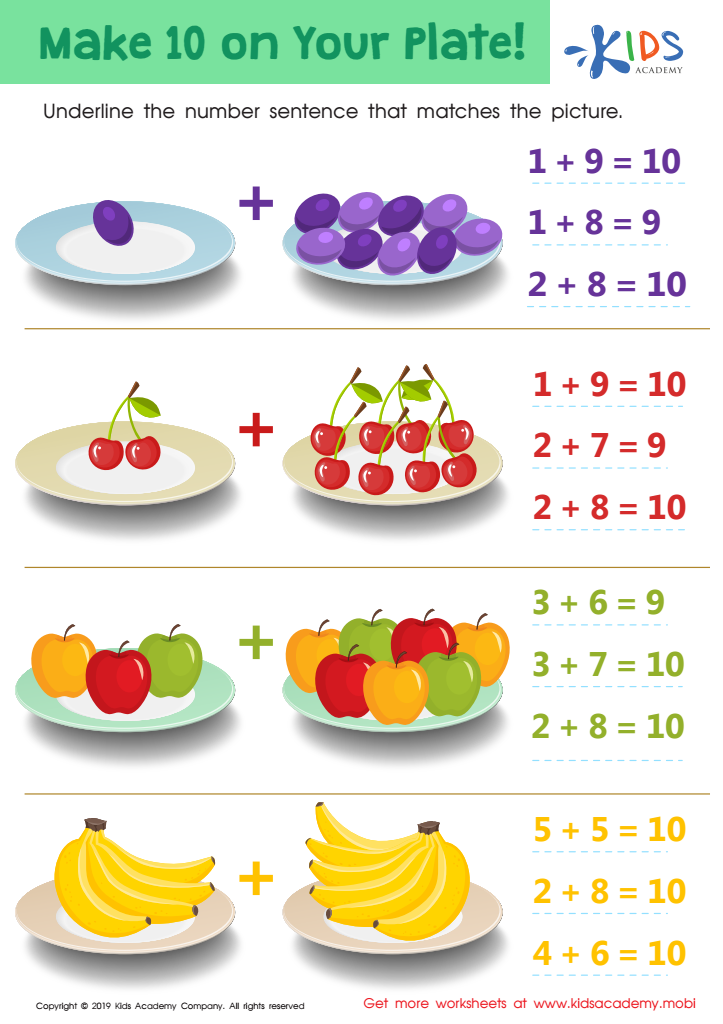
Make 10 on Your Plate! Worksheet
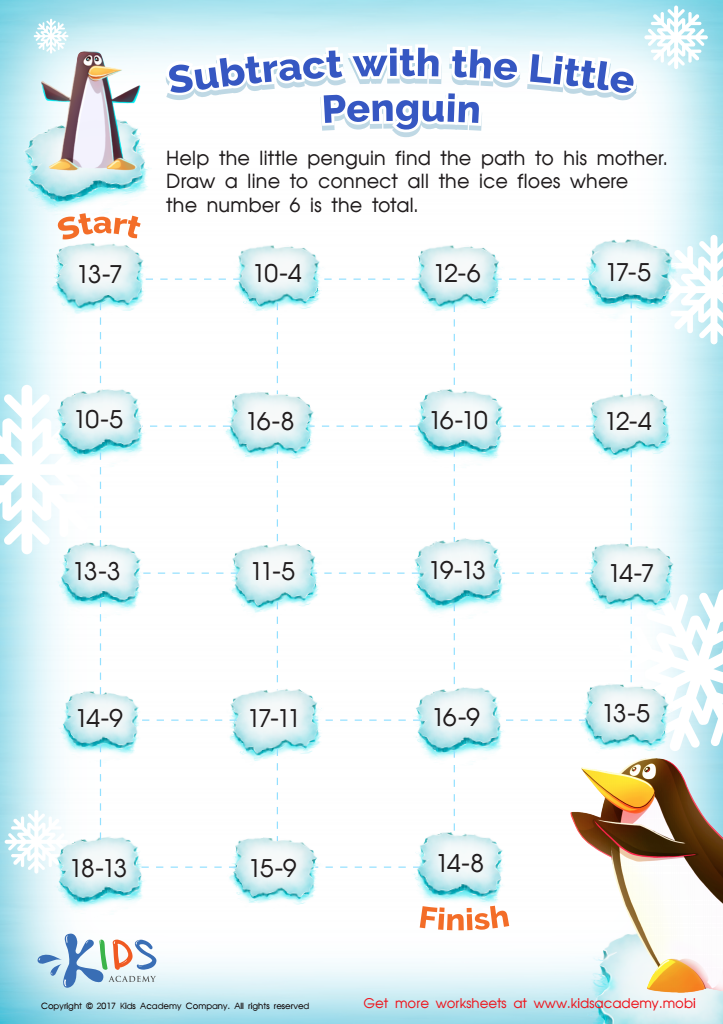
Subtract With The Little Penguin Substraction Worksheet
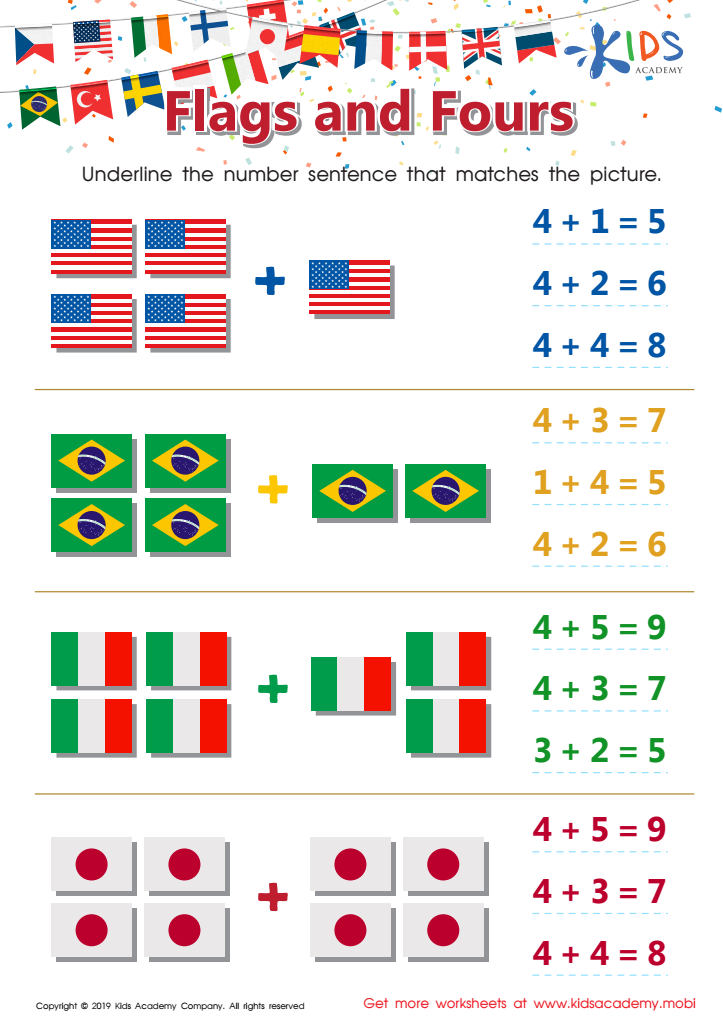
Flags and Fours Worksheet
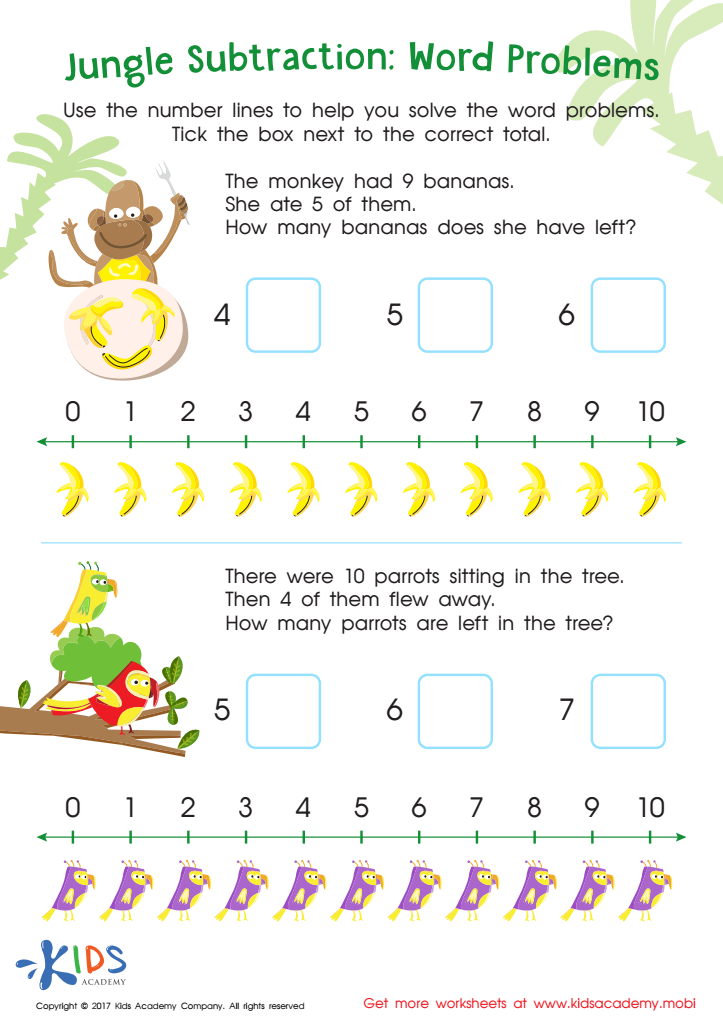
Jungle Subtraction Word Problems Substraction Worksheet








Problem-solving skills in young learners, particularly in areas like extra challenge addition and subtraction, hold immense importance for parents and teachers. At ages 3 to 4, children are in critical stages of cognitive development, where foundational skills are formed. Encouraging problem-solving through math activities doesn’t just prepare them for academic success; it also fosters their critical thinking, creativity, and perseverance.
For young learners, engaging with addition and subtraction challenges introduces them to basic mathematical concepts in a fun and stimulating way. It boosts their numerical fluency by making math relatable to their daily experiences. This early exposure helps children develop a positive attitude towards mathematics, which can combat lifelong math anxiety or negative perceptions.
Furthermore, the experience of trying to solve problems teaches children valuable life skills—such as patience, determination, and the ability to approach challenges with a growth mindset. These experiences nurture resilience as they learn that failing at a problem is an opportunity for growth rather than a setback. By prioritizing these skills, parents and teachers provide children with the tools they need not only for future academic endeavors but also for real-world problem-solving situations, making them equipped for lifelong learning and adaptability.








