Hand-eye Coordination Extra Challenge Math Worksheets for Ages 3-4
7 filtered results
-
From - To
Enhance your child's learning experience with our "Hand-eye Coordination Extra Challenge Math Worksheets" designed specifically for ages 3-4. These engaging worksheets integrate fun activities that foster essential hand-eye coordination skills alongside foundational math concepts. Perfect for budding young learners, the colorful illustrations and interactive exercises promote fine motor skills while introducing numbers, counting, and basic problem-solving in a playful manner. Parents and educators will find these materials invaluable for nurturing cognitive development and preparing children for future academic success. Explore our collection and watch as your little ones strengthen their abilities, all while enjoying the world of math!
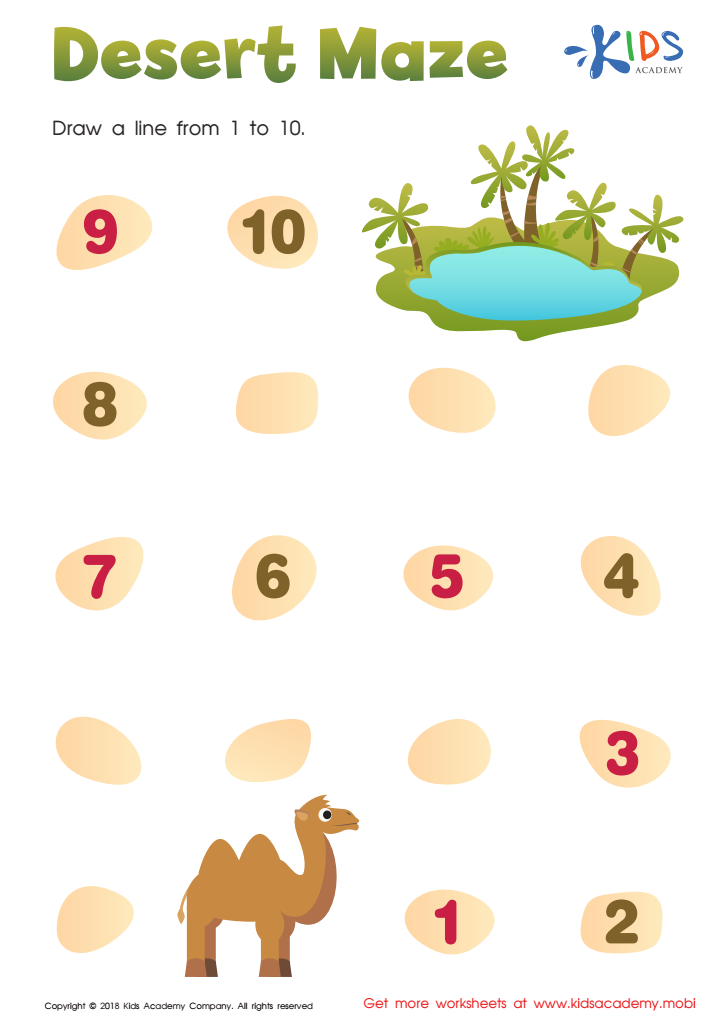
Desert Maze Worksheet
 Assign to My Students
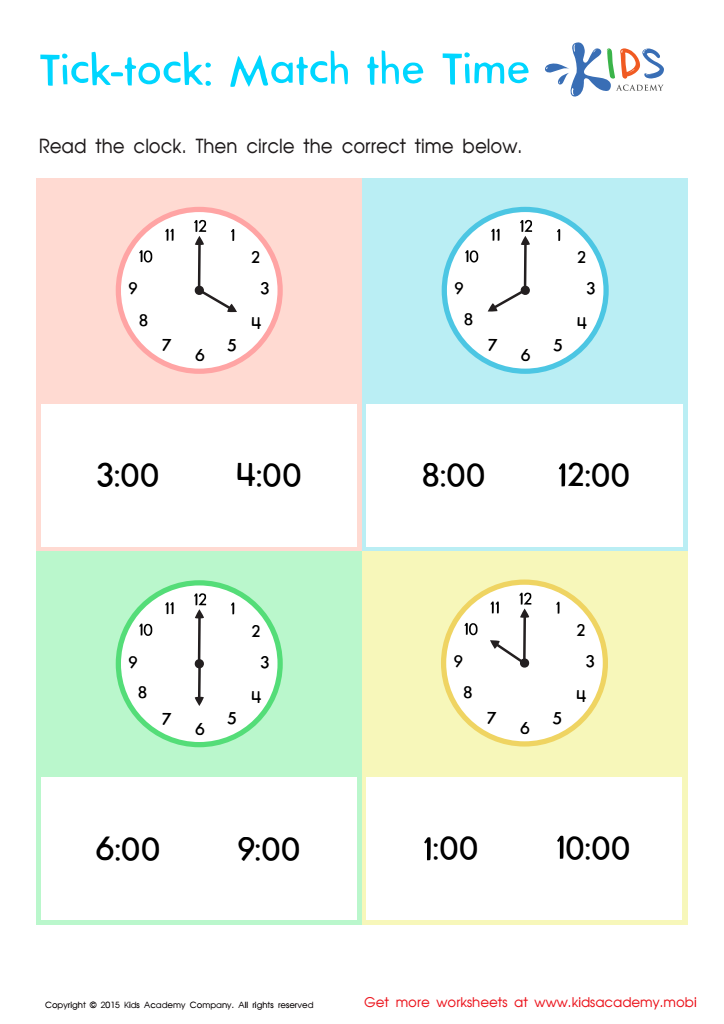
Telling The Time Worksheet: Part 4
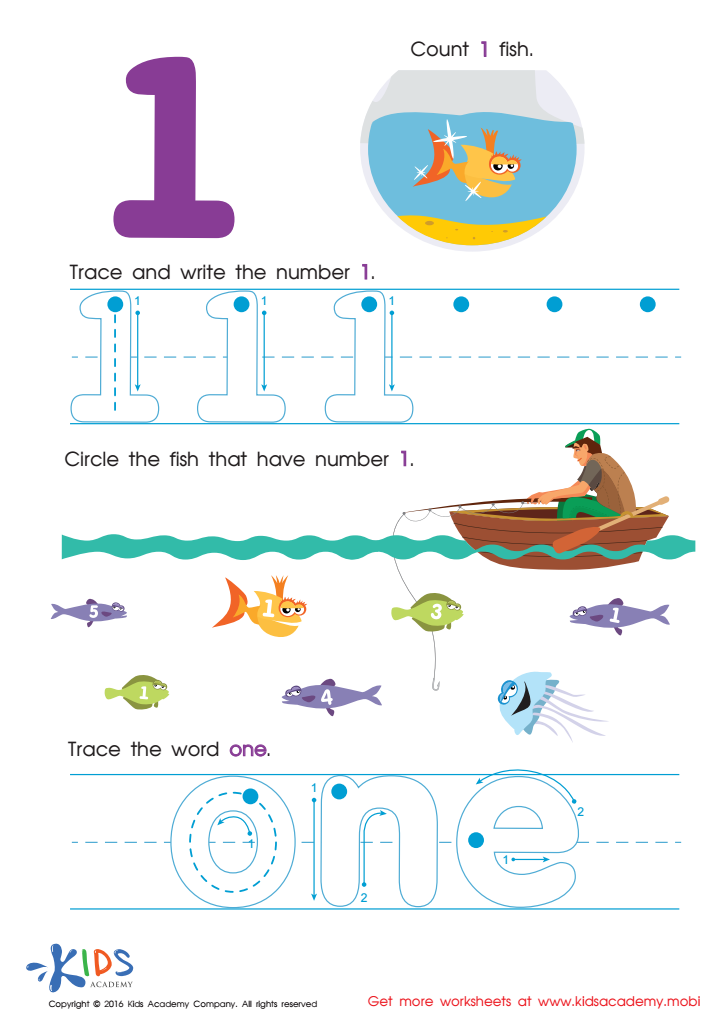
Learning to Write 1 Worksheet
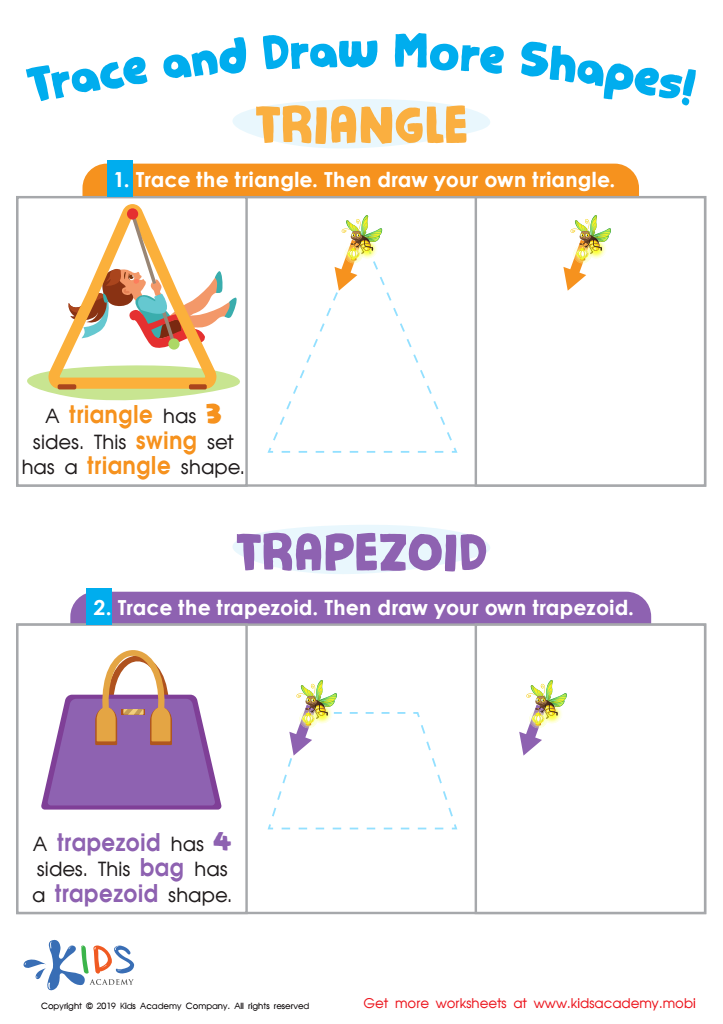
Trace and Draw More Shapes Worksheet
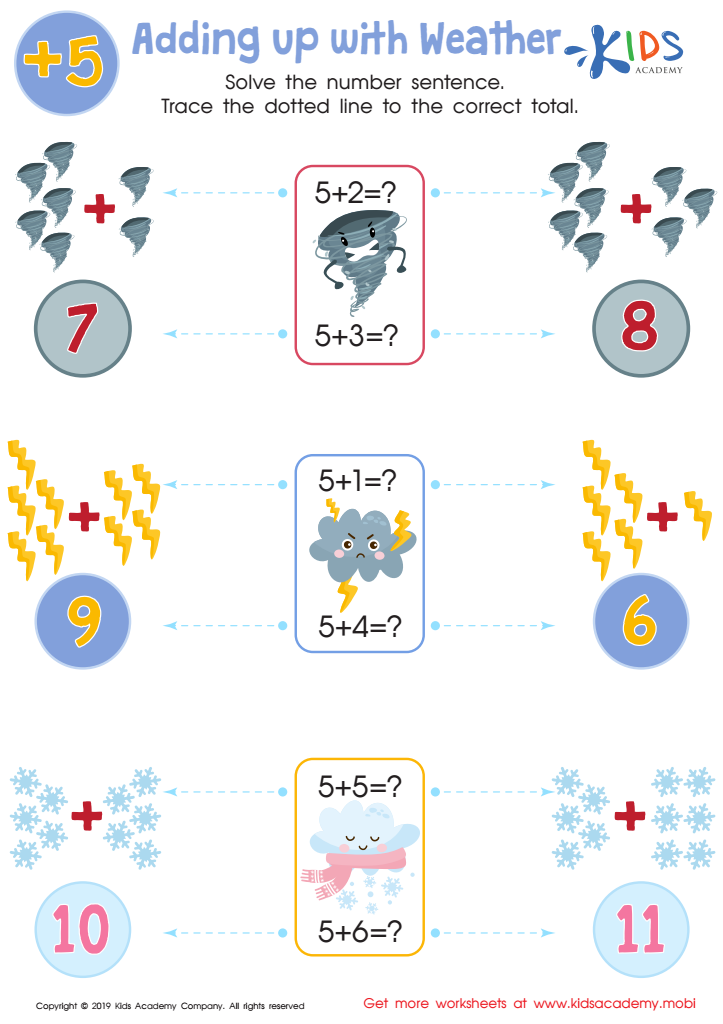
Adding up With Water Worksheet
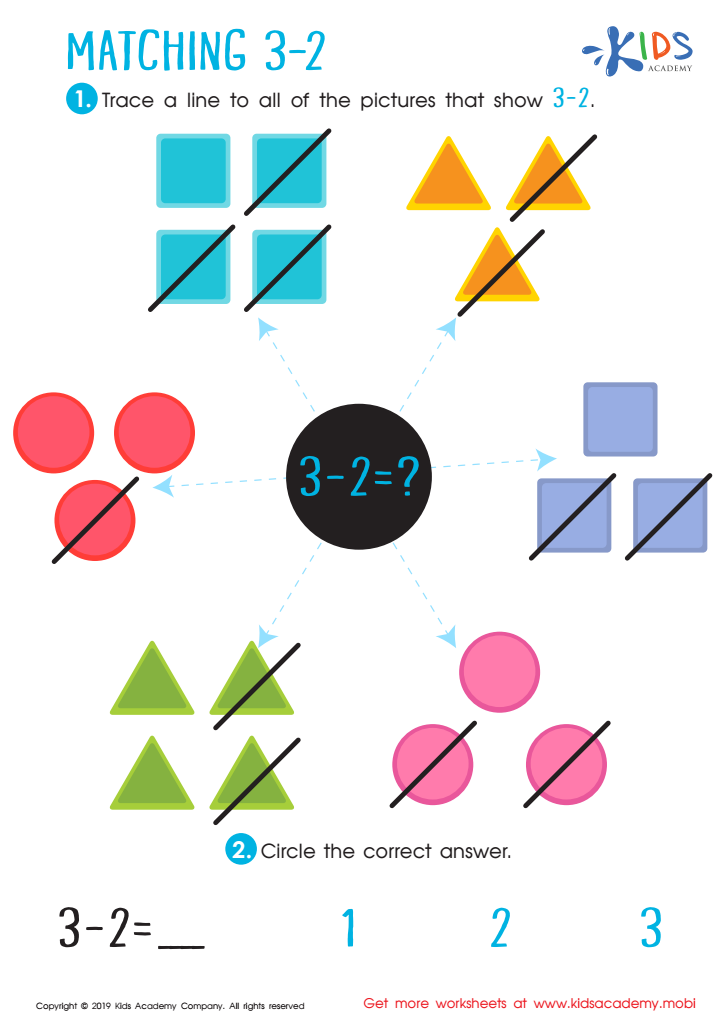
Matching 3-2 Worksheet
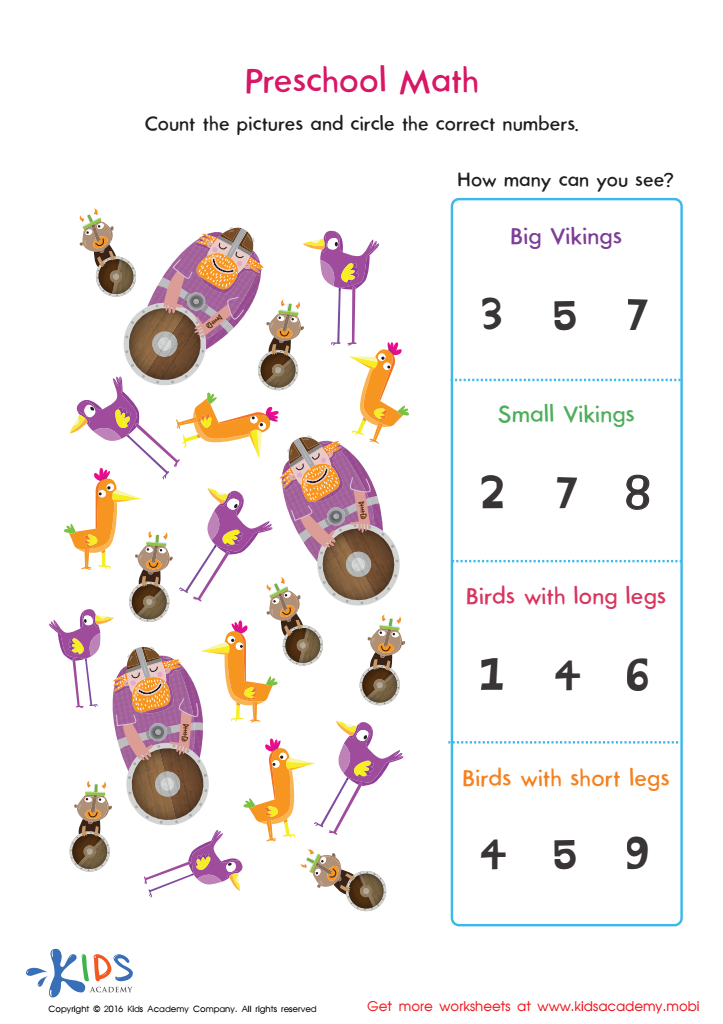







Hand-eye coordination is a crucial skill for young children, and integrating it into math activities can provide significant benefits for their overall development. For children aged 3-4, engaging in Hand-eye Coordination Extra Challenge Math activities not only enhances their mathematical understanding but also fosters fine motor skills. At this age, children are naturally curious and eager to learn, making it an ideal time to blend learning with play.
When parents and teachers prioritize these activities, they are cultivating essential cognitive skills. Math challenges that incorporate hand-eye coordination help children practice counting, sorting, and measuring, thereby enhancing their spatial awareness and problem-solving abilities. These activities also support the development of concentration and focus, which are critical for lifelong learning.
Moreover, engaging in hands-on math tasks promotes a fun and interactive learning environment, reducing anxiety associated with learning numbers. By participating together, parents and educators can create valuable bonding experiences, instilling a positive attitude toward learning.
In summary, incorporating Hand-eye Coordination Extra Challenge Math for young children nurtures their mathematical skills, promotes fine motor development, supports cognitive growth, and builds a strong foundation for future academic success. Such activities are invaluable in preparing children for the complexities of education ahead.








