Vowel Recognition Extra Challenge Alphabet Worksheets for Ages 3-5
7 filtered results
-
From - To
Boost your child's literacy skills with our Vowel Recognition Extra Challenge Alphabet Worksheets, designed specifically for ages 3-5! These engaging worksheets offer a fun and interactive way to help young learners identify and understand vowels in a variety of contexts. Featuring vibrant illustrations and stimulating activities, children will keep their learning lively and enjoyable. Perfect for preschool, kindergarten, or at-home learning environments, these worksheets encourage vowel mastery through tracing, coloring, and matching exercises. Foster a strong foundation in reading and writing early on while building confidence in their educational journey. Discover the joy of learning vowels today!
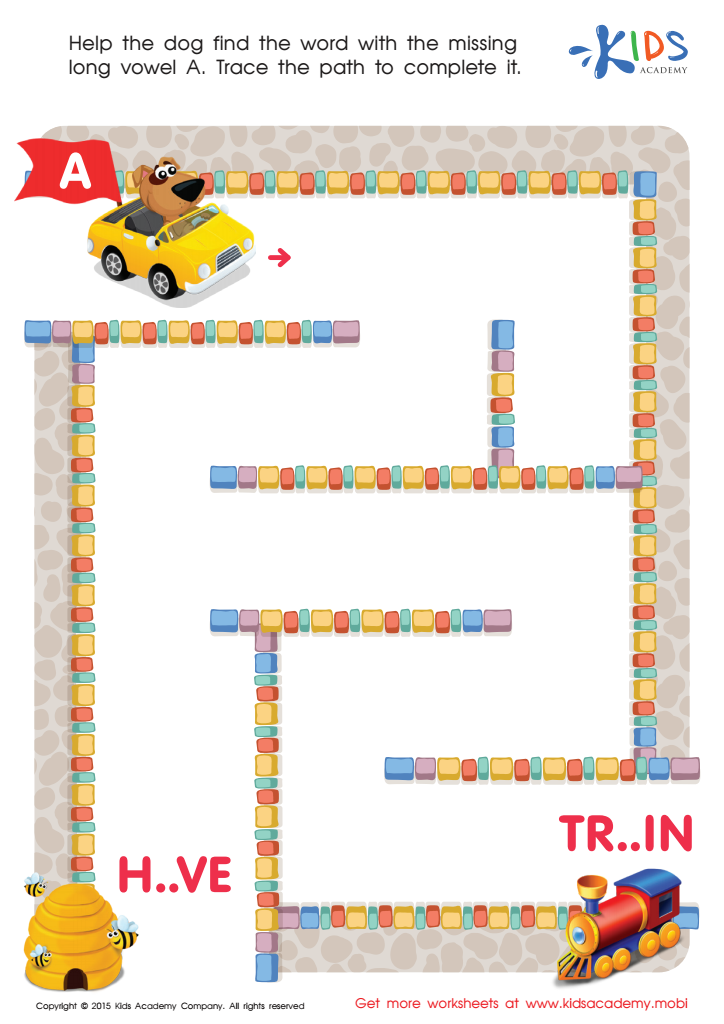
Long Vowel Sound A Worksheet
 Assign to My Students
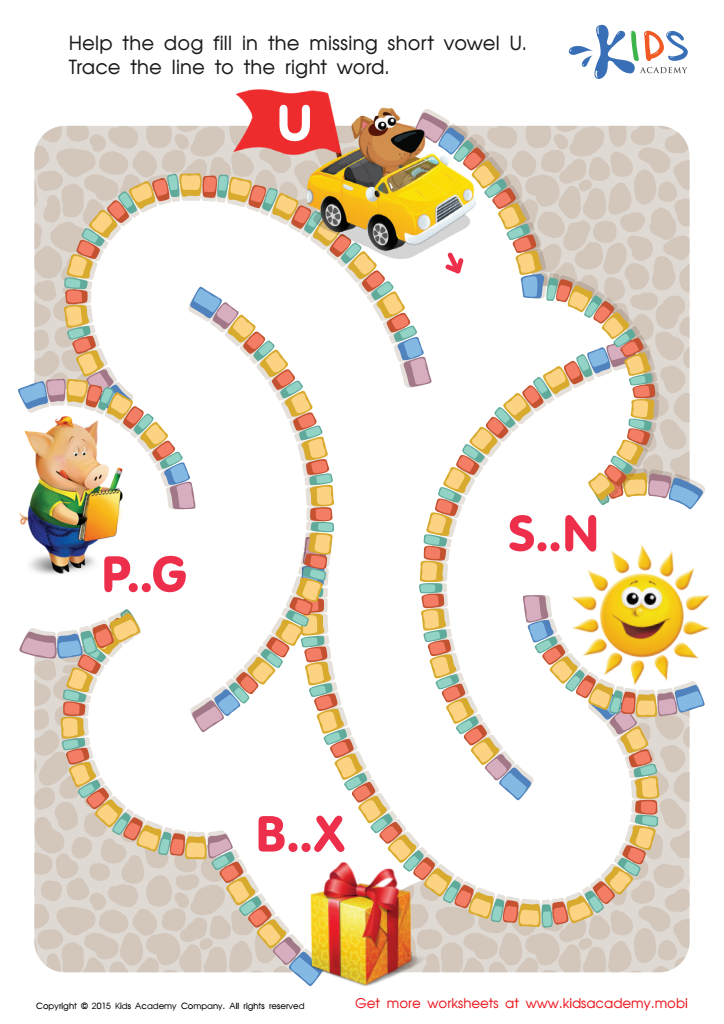
Short Vowel Sound U Worksheet
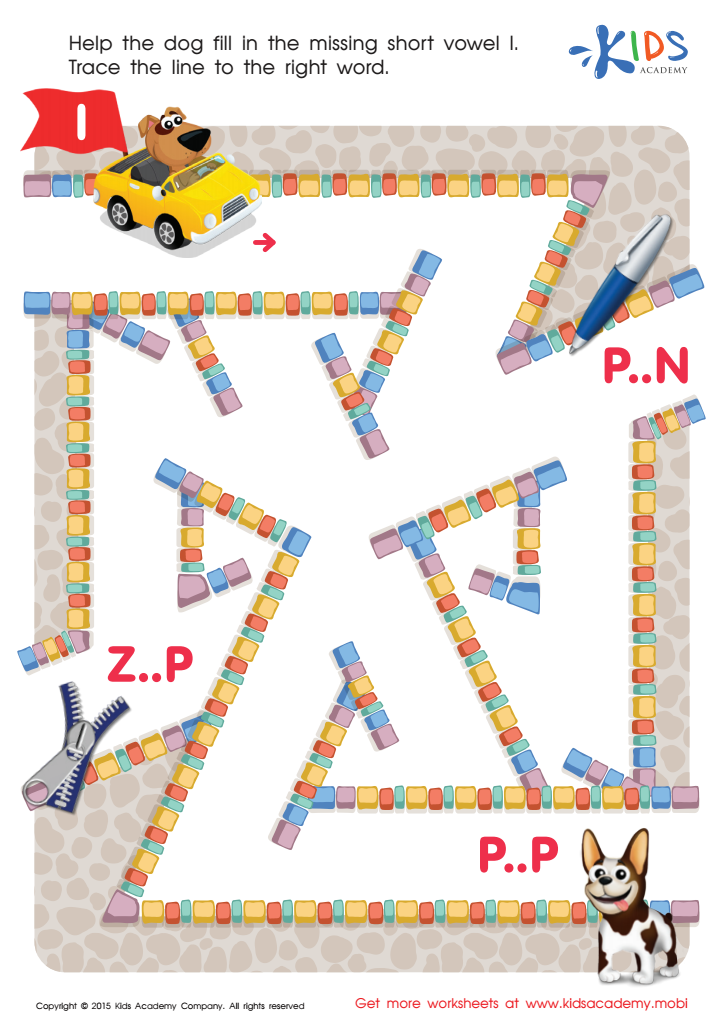
Short Vowel Sound I Worksheet
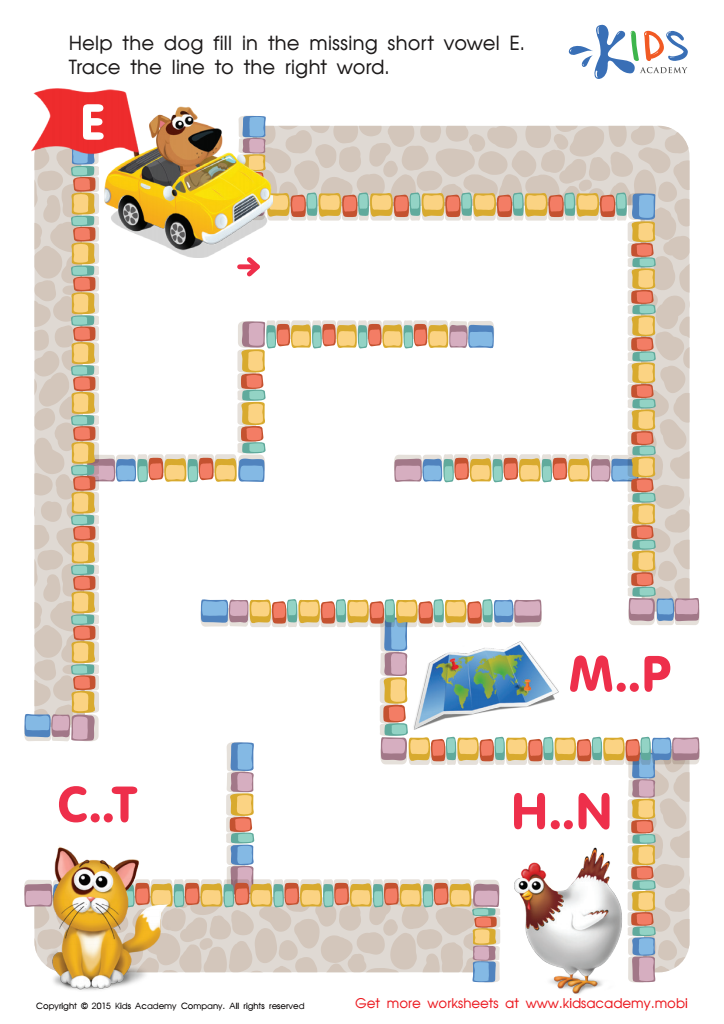
Short Vowel Sound E Worksheet
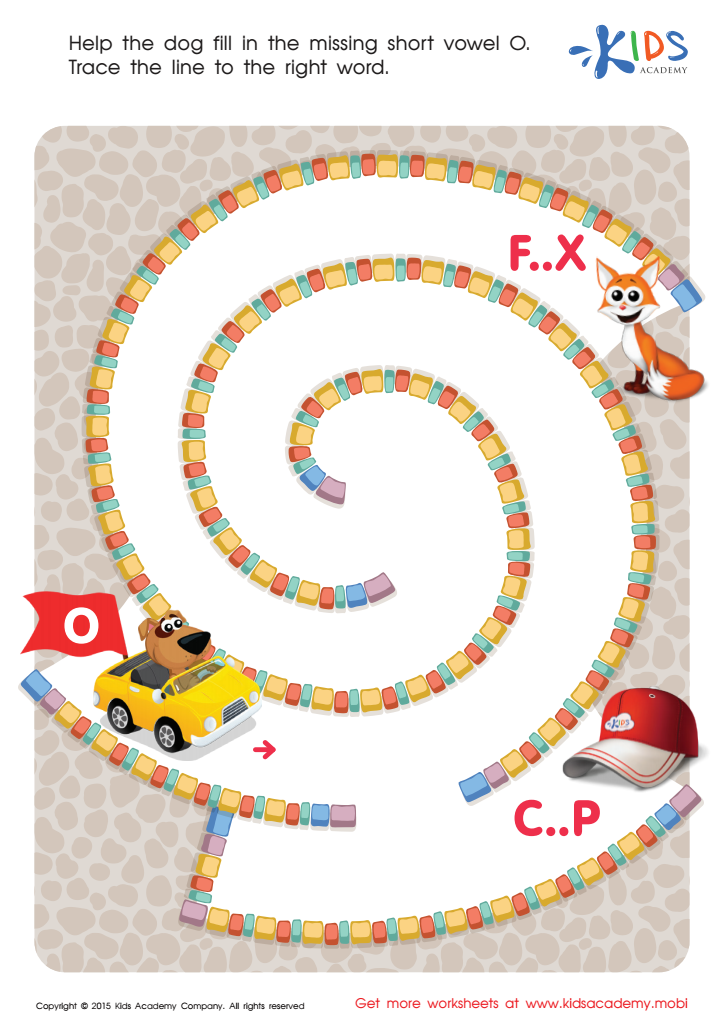
Short Vowel Sound O Worksheet
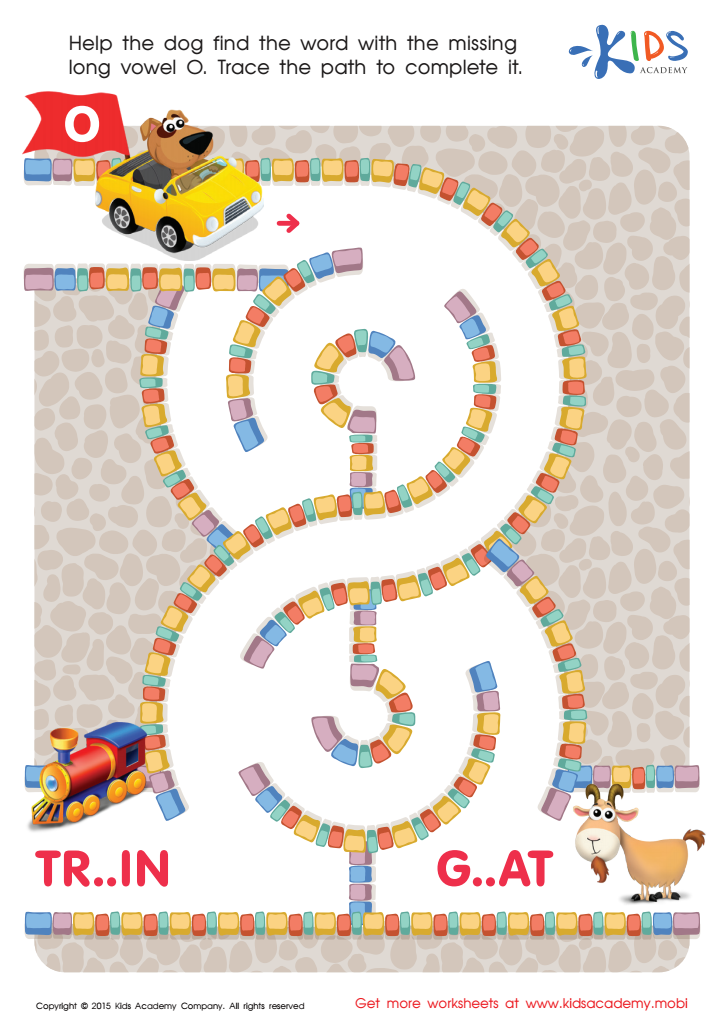
Long Vowel Sound O Worksheet
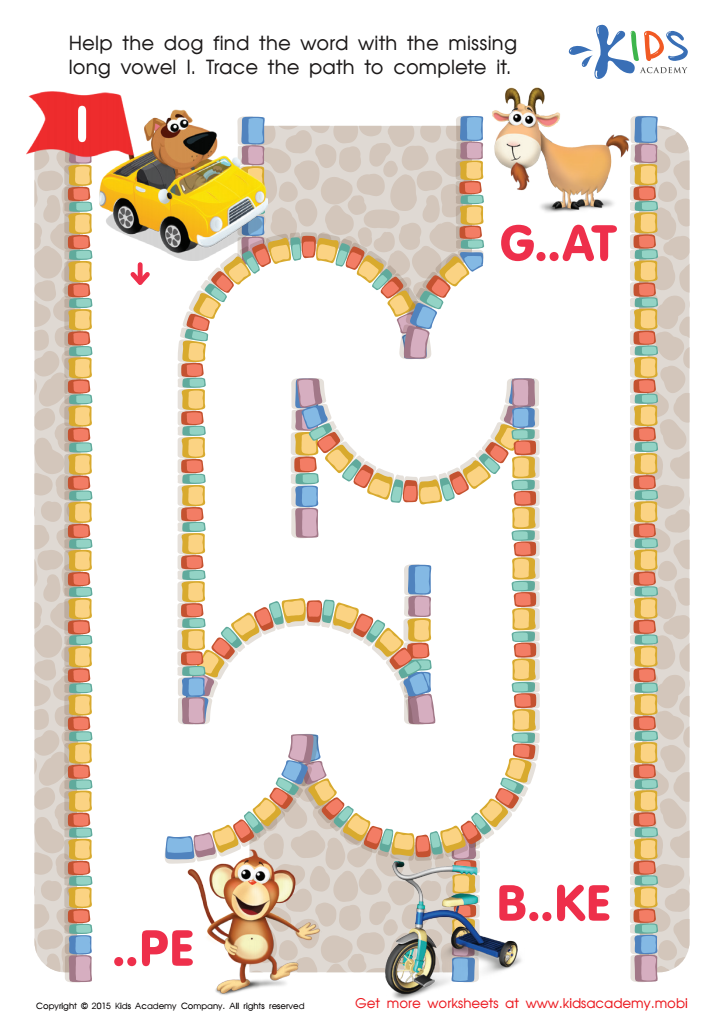
Long Vowel Sound I Worksheet



.jpg)




Vowel recognition is a crucial foundational skill for young learners aged 3-5, and incorporating an Extra Challenge Alphabet can significantly enhance their literacy development. Vowels form the cornerstone of phonics, enabling children to decode words and ultimately read with confidence. By introducing an extra layer of challenge in vowel recognition, parents and teachers can nurture a deeper understanding of language, supporting children as they transition from recognizing individual letters to blending sounds into coherent words.
Utilizing the Extra Challenge Alphabet encourages engagement and curiosity, turning learning into a fun and interactive experience. It often involves various multisensory activities—such as songs, games, or crafts—that cater to different learning styles, thereby fostering greater retention and enthusiasm. Moreover, it helps develop critical thinking skills as children learn to identify and manipulate vowel sounds in diverse contexts. As they expand their vocabulary and improve phonemic awareness, they also build essential communication skills that will aid them academically and socially.
Ultimately, focusing on vowel recognition prepares children for future reading success, enabling them to explore literature and express themselves more effectively. Therefore, investing time and energy into this formative skill benefits children, setting the stage for lifelong learning and achievement.