Vowel Recognition Extra Challenge Vowels Worksheets for Ages 3-5
7 filtered results
-
From - To
Introducing our "Vowel Recognition Extra Challenge Vowels Worksheets for Ages 3-5" – the perfect tool to enhance early literacy skills! Designed by educators, these engaging worksheets help young learners identify and distinguish between vowels with fun, interactive activities. Your preschooler will enjoy tasks like coloring, tracing, and matching, which make learning vowels an exciting adventure. Each worksheet focuses on a different vowel, offering a comprehensive approach to vowel recognition. Ideal for home or classroom use, this resource supports foundational reading skills for future success. Boost your child's confidence in reading and phonics with these expertly crafted worksheets today!
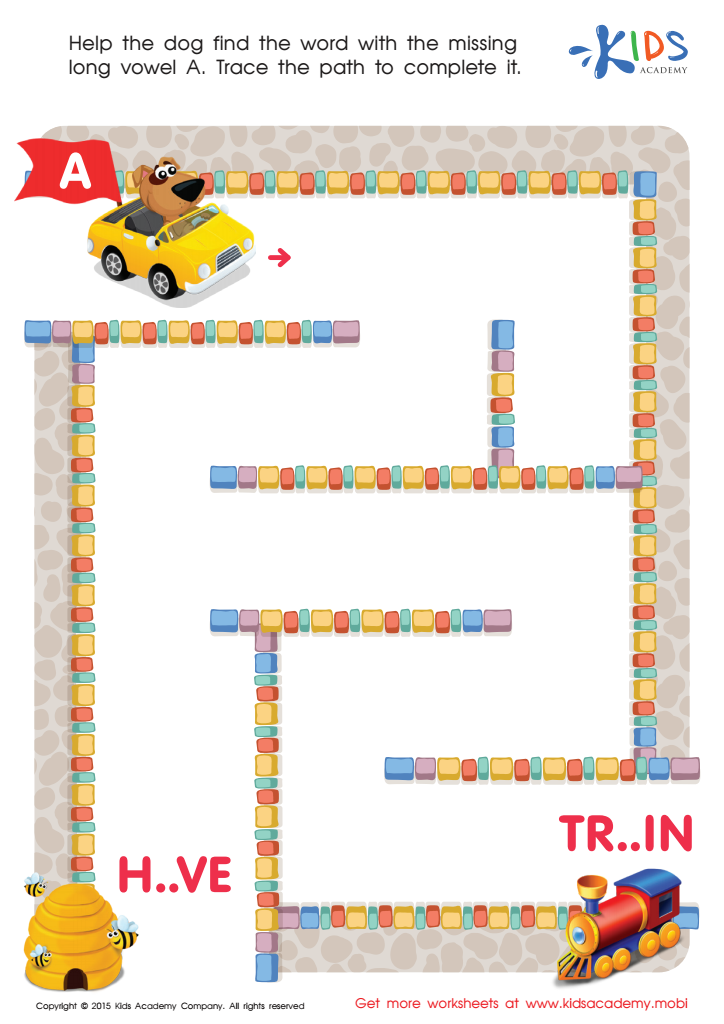
Long Vowel Sound A Worksheet
 Assign to My Students
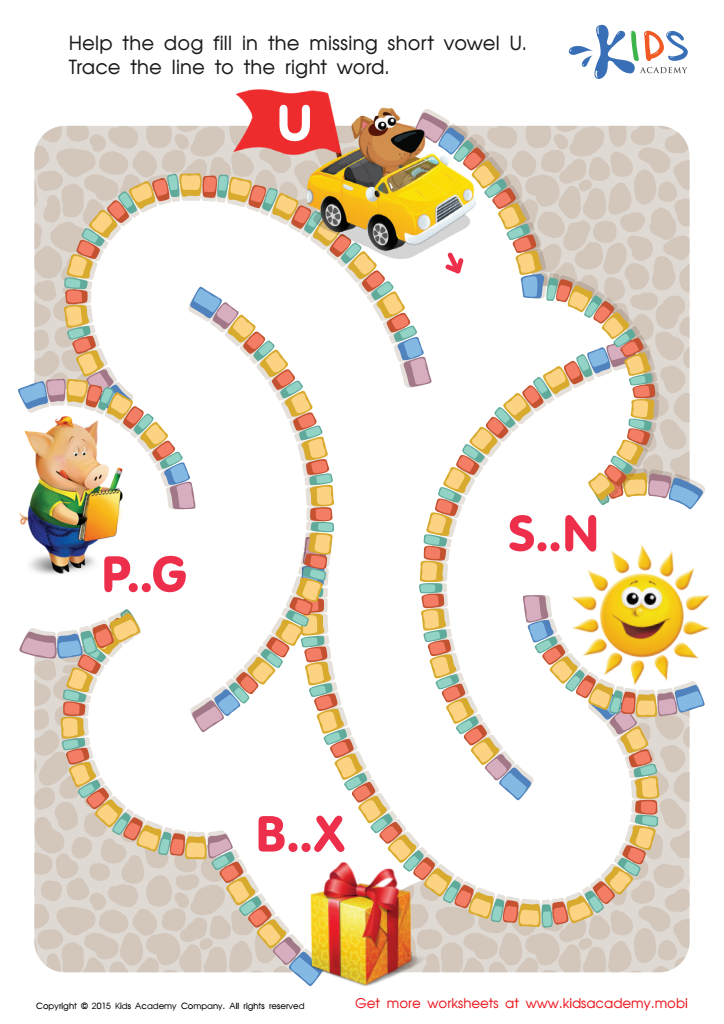
Short Vowel Sound U Worksheet
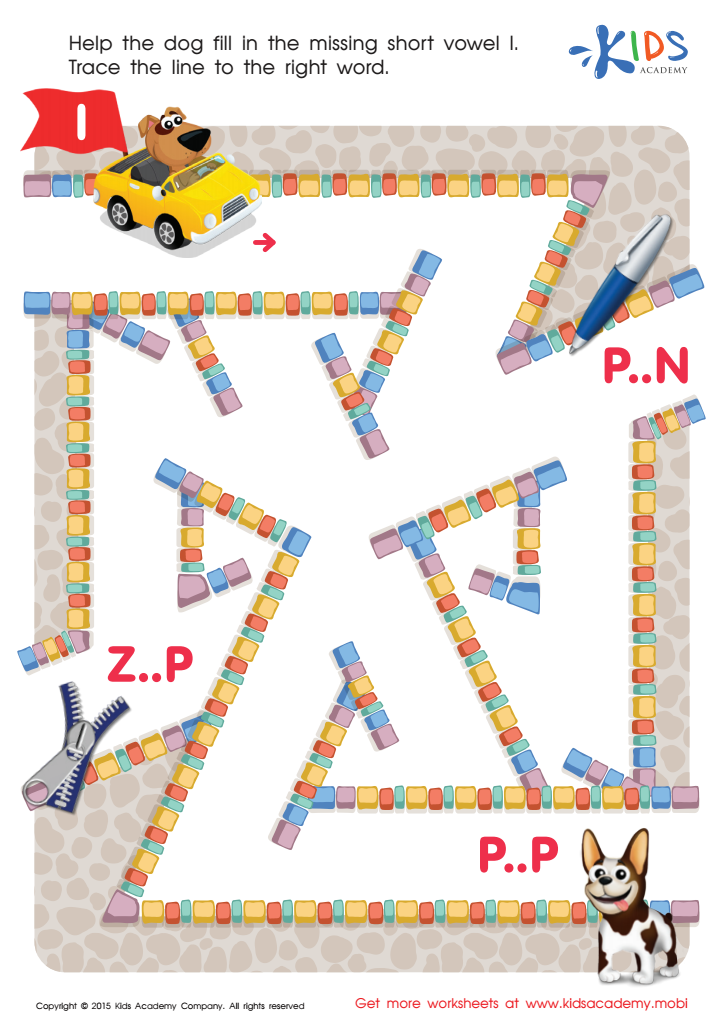
Short Vowel Sound I Worksheet
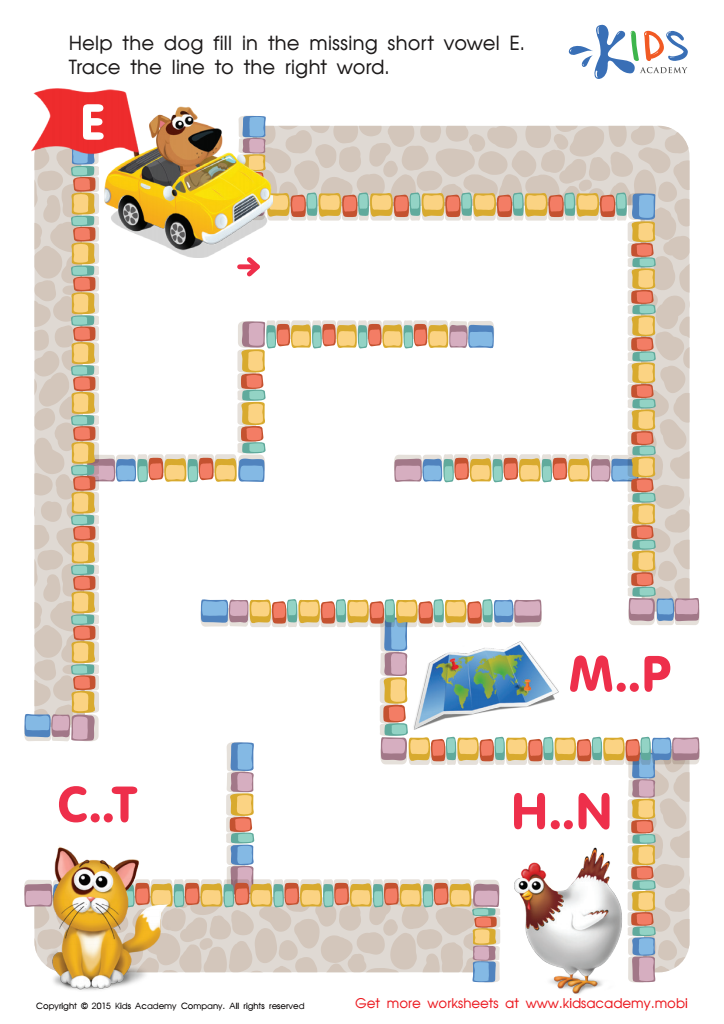
Short Vowel Sound E Worksheet
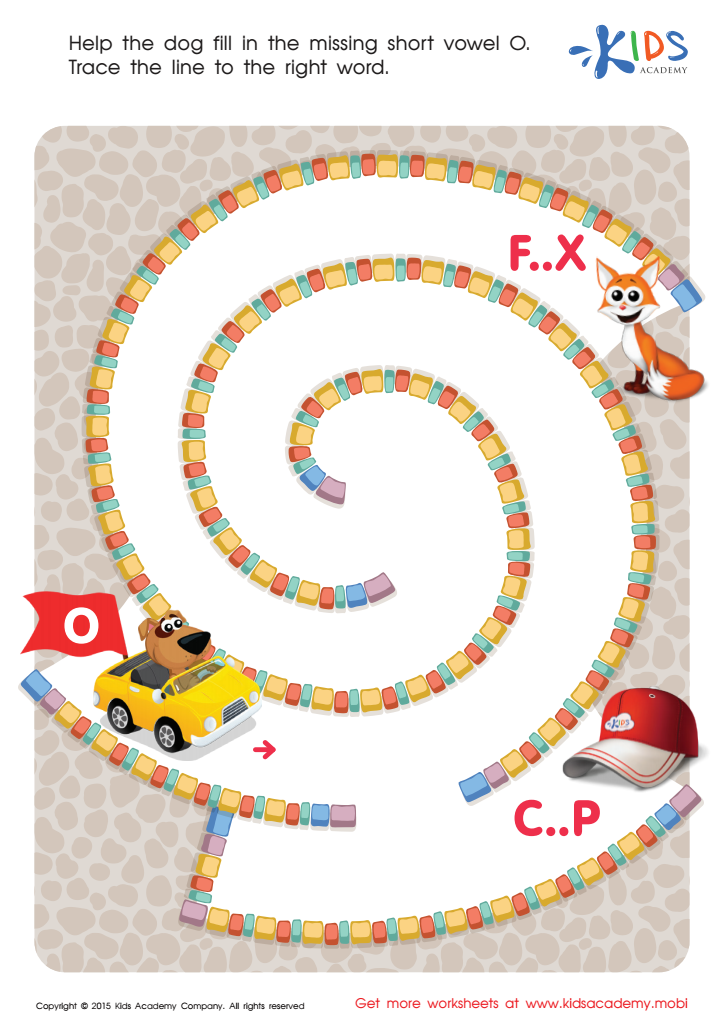
Short Vowel Sound O Worksheet
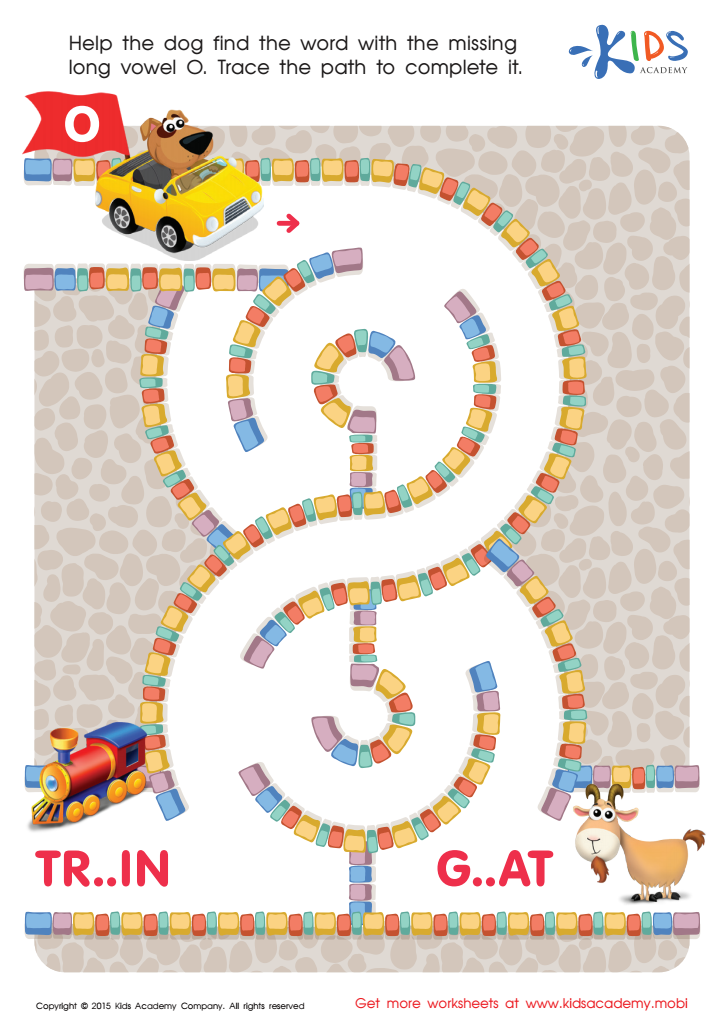
Long Vowel Sound O Worksheet
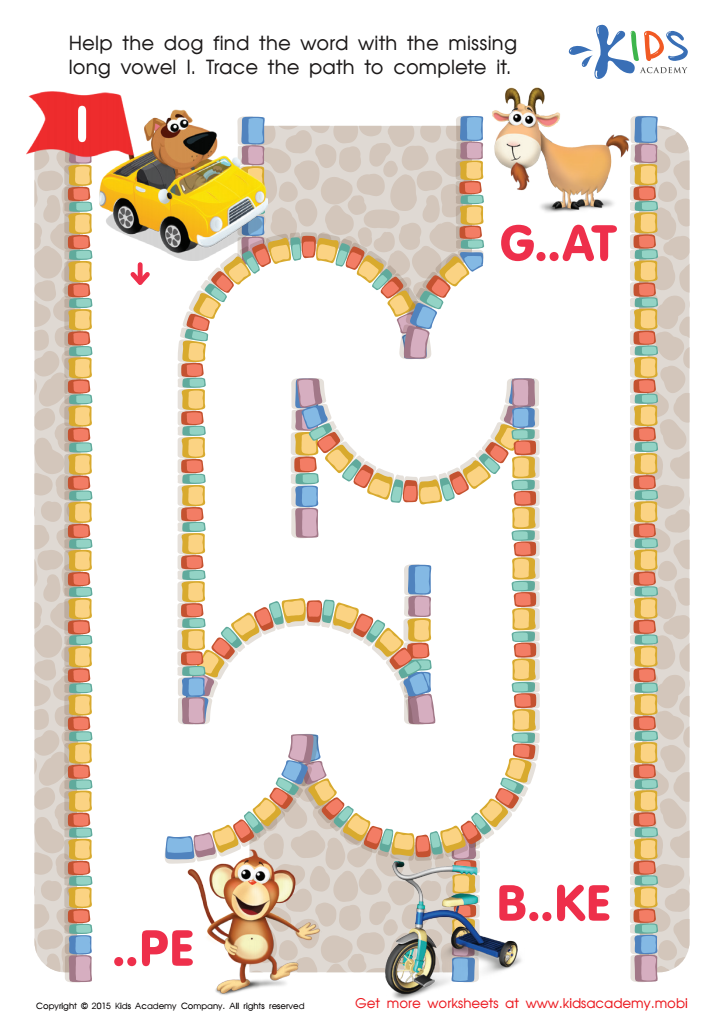
Long Vowel Sound I Worksheet





Parents and teachers of children aged 3-5 should place great importance on Vowel Recognition Extra Challenge Vowels because it forms a crucial foundation for early literacy skills. Vowel sounds are central to understanding language and play a significant role in phonemic awareness, which is the ability to identify and manipulate individual sounds in spoken words. This awareness is directly linked to later reading and writing success.
Engaging young learners in vowel recognition helps them differentiate between subtle sounds, enhancing their listening skills and precision. It's particularly vital for ages 3-5 when children's brains are highly receptive to language acquisition. By introducing extra challenge vowels, educators and parents amplify this learning by leveraging children's innate curiosity and abilities. This ensures that children can decode words, facilitating smoother transitions to reading.
Additionally, recognizing and understanding vowel sounds can aid in clearer speech development. Children who grasp these basics are often more confident communicators, showing improved vocabulary, pronunciation, and overall language competency. Therefore, investing attention in vowel recognition at an early age doesn’t just offer academic benefits; it paves the way for enhanced cognitive development, allowing children to become adept, enthusiastic readers and articulate speakers in the future.