Counting skills Extra Challenge Worksheets for Ages 3-5 - Page 2
41 filtered results
-
From - To
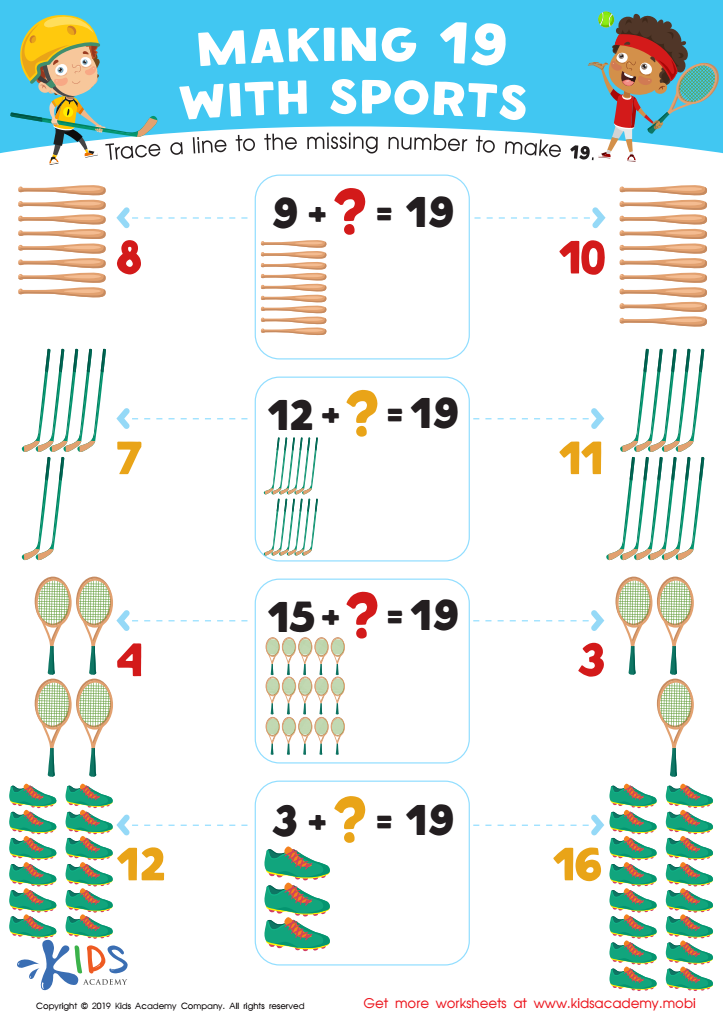
Making 19 with Sports Worksheet
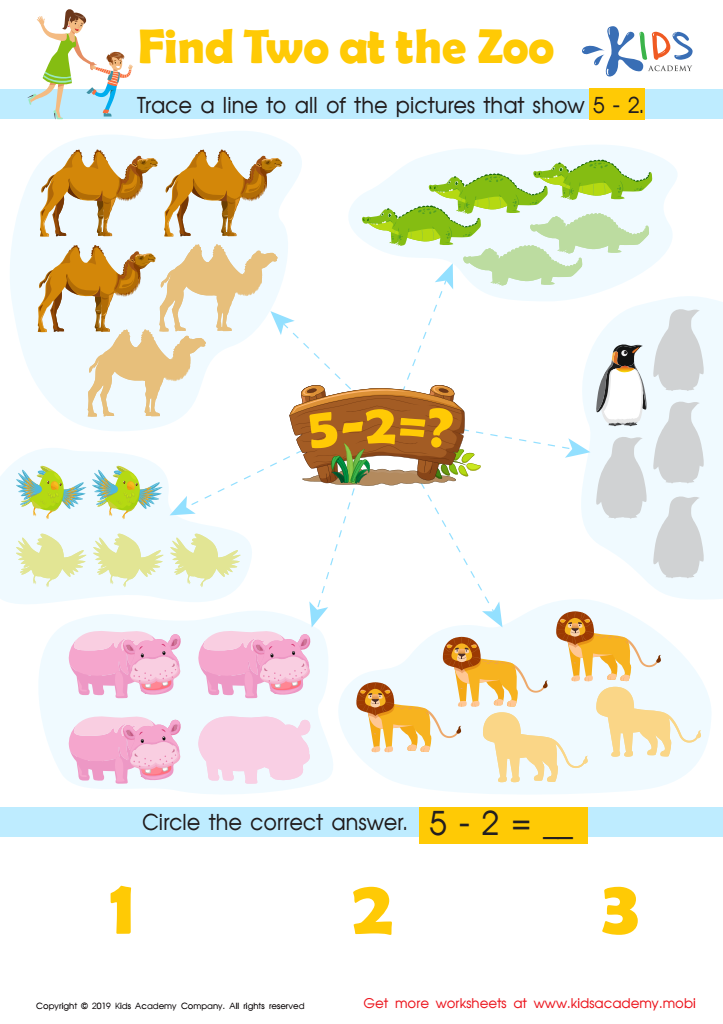
Find Two at the Zoo Worksheet
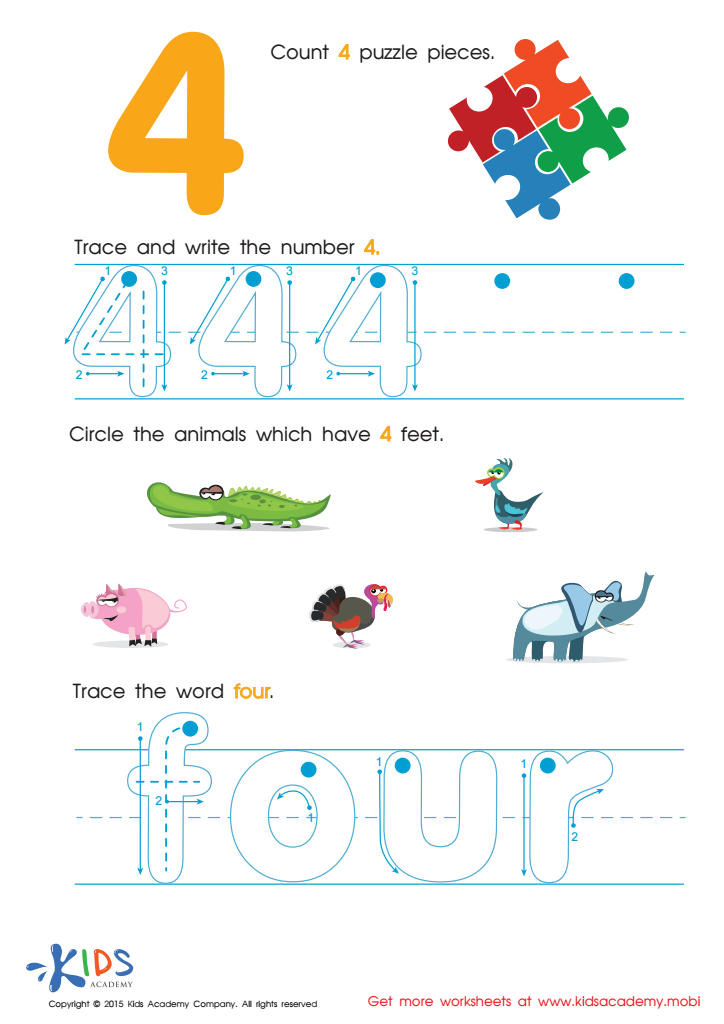
Teaching Children to Write Number 4 Worksheet
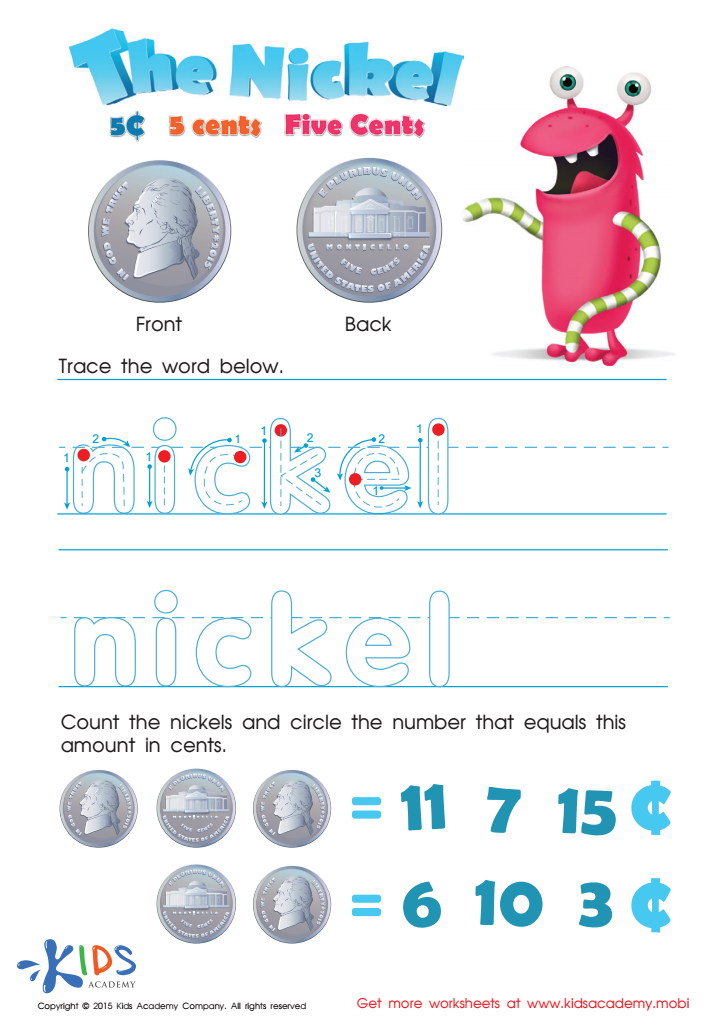
Five Cents or the Nickel Money Worksheet
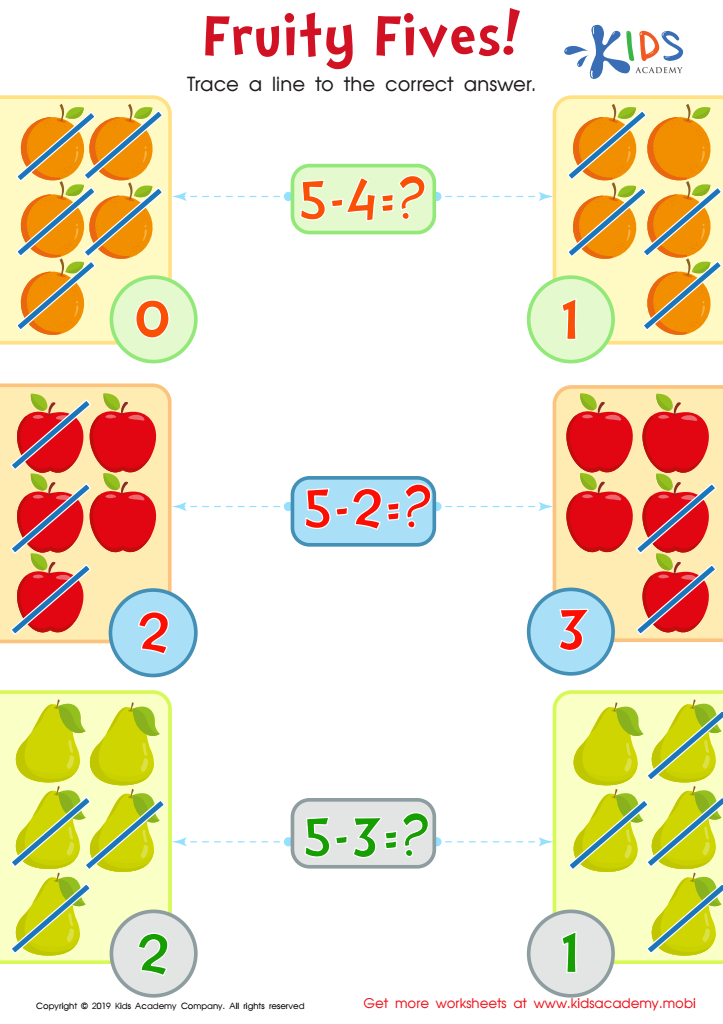
Fruity Fives! Worksheet
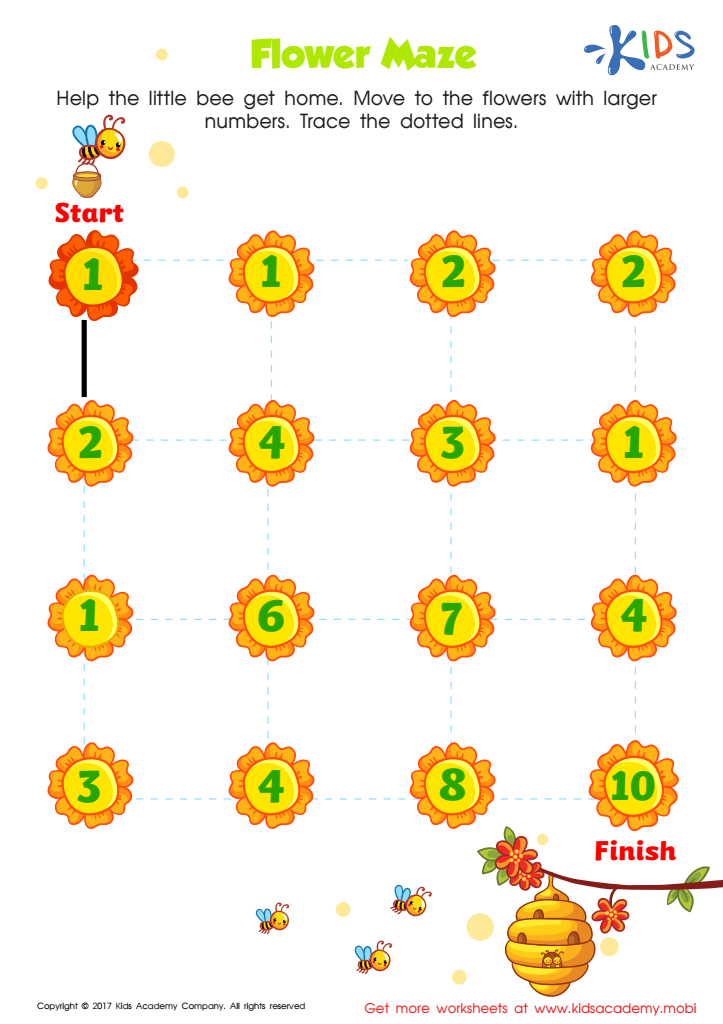
Number Maze For Kindergarten Printable
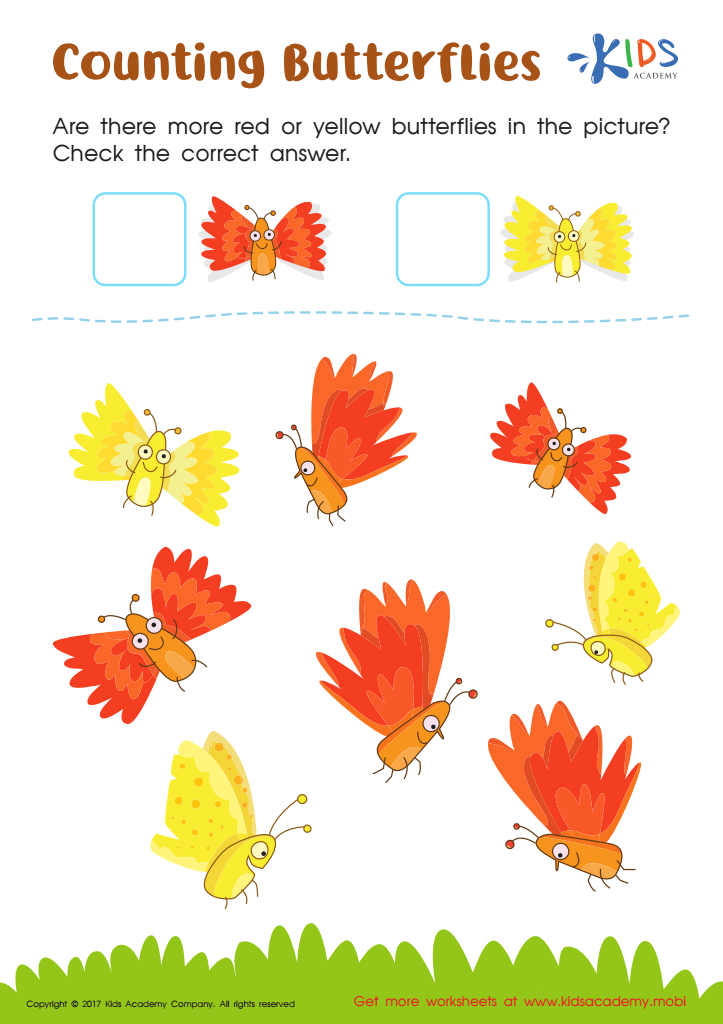
Counting Butterflies Worksheet
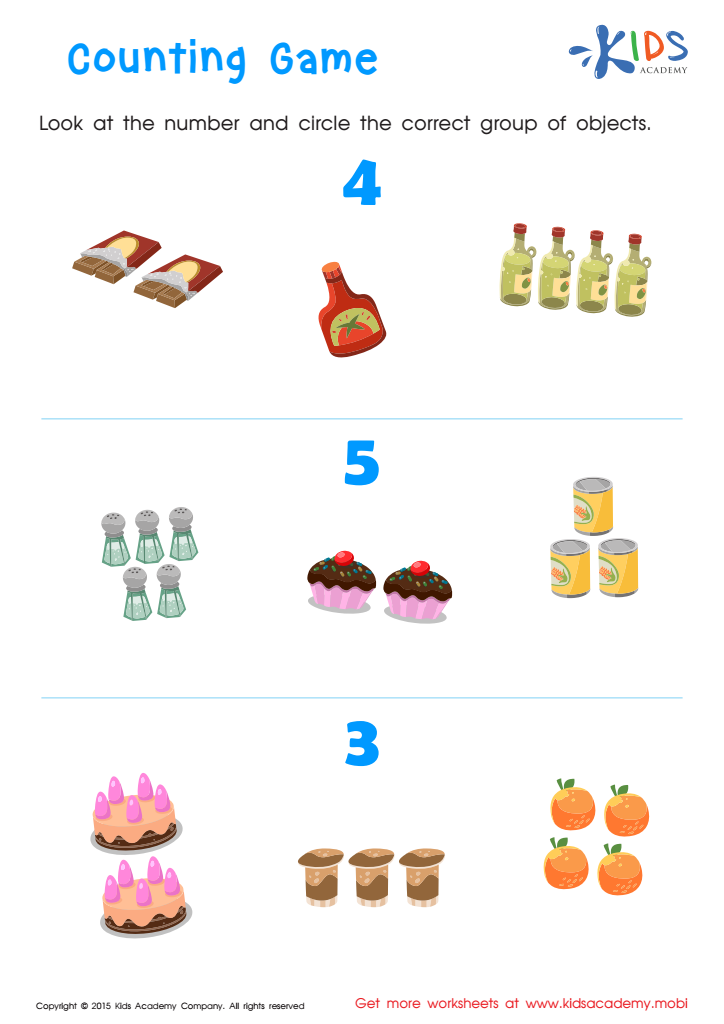
Counting Worksheet
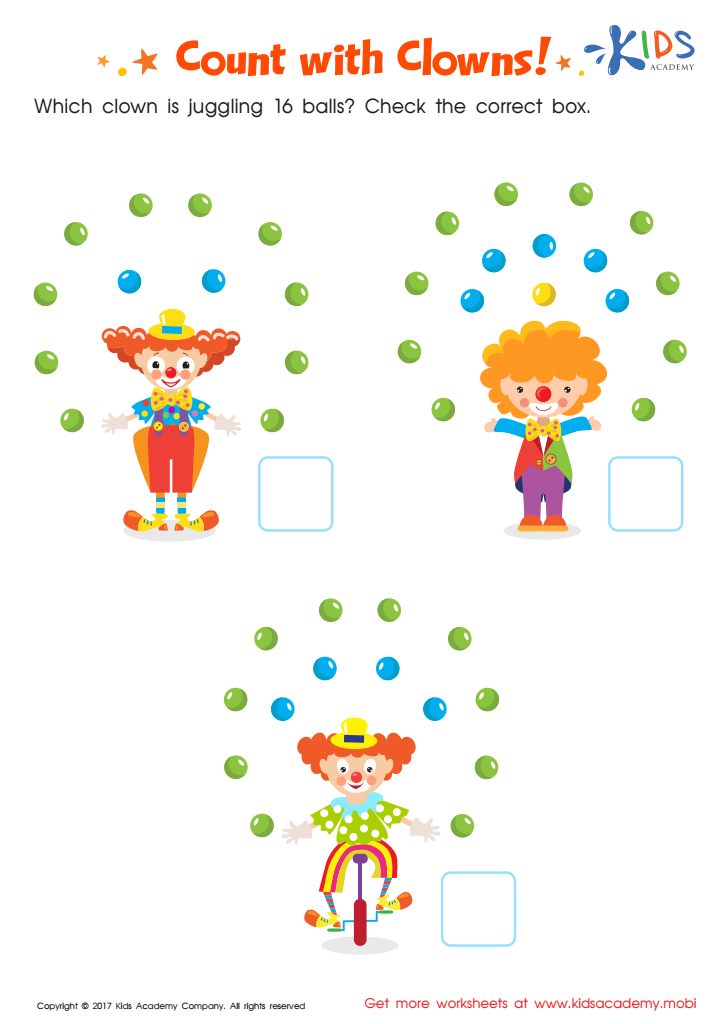
Count with Clowns Worksheet
Number 1 Printable
 Assign to My Students
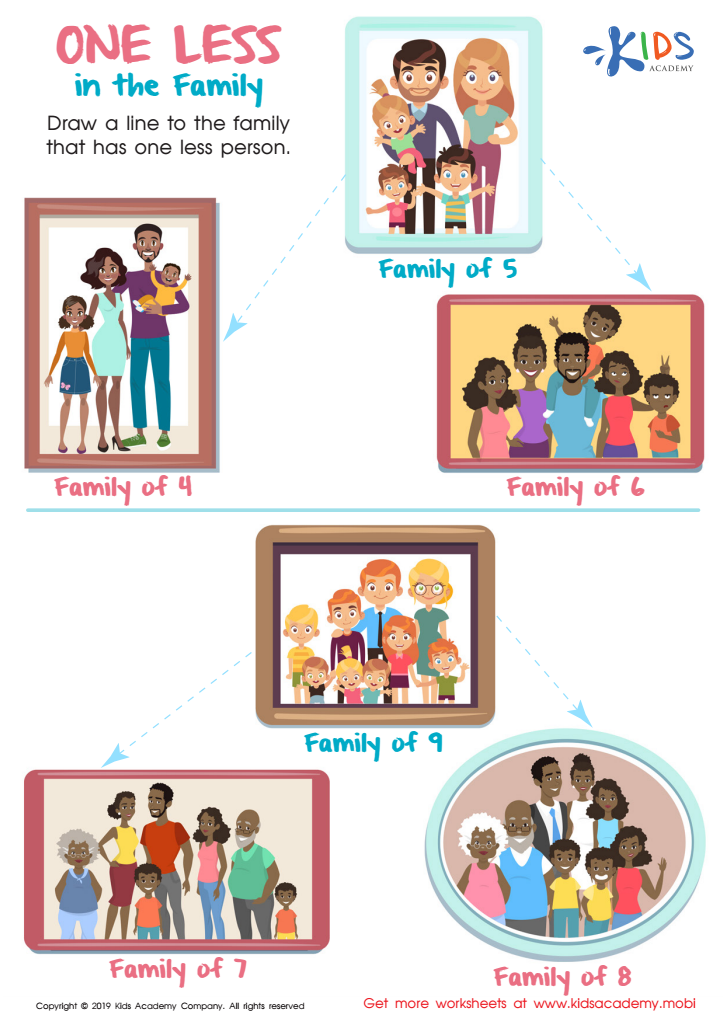
One Less in the Family Worksheet
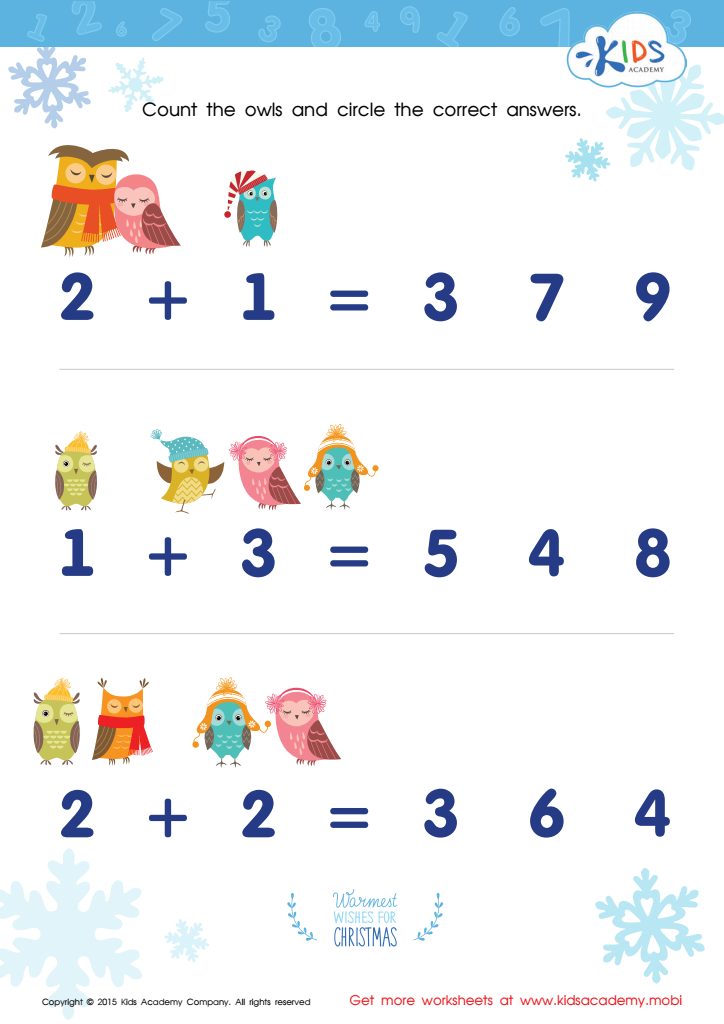
Count Little Owls Worksheet

Counting Worksheet: Let's Practice Counting
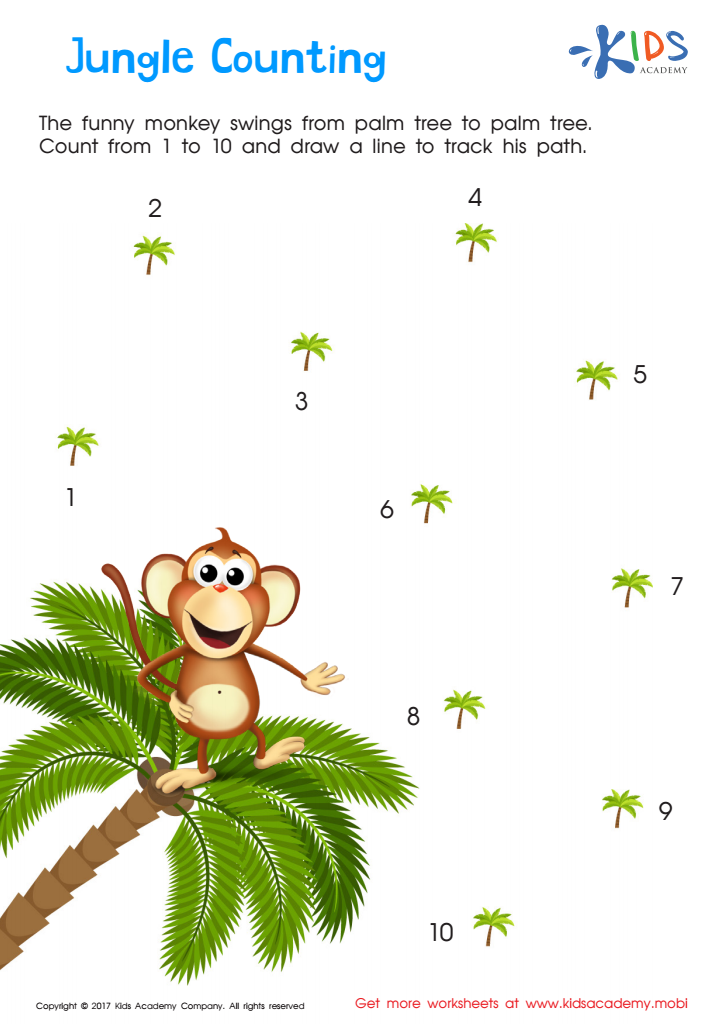
Jungle Counting Connect Dots Worksheet
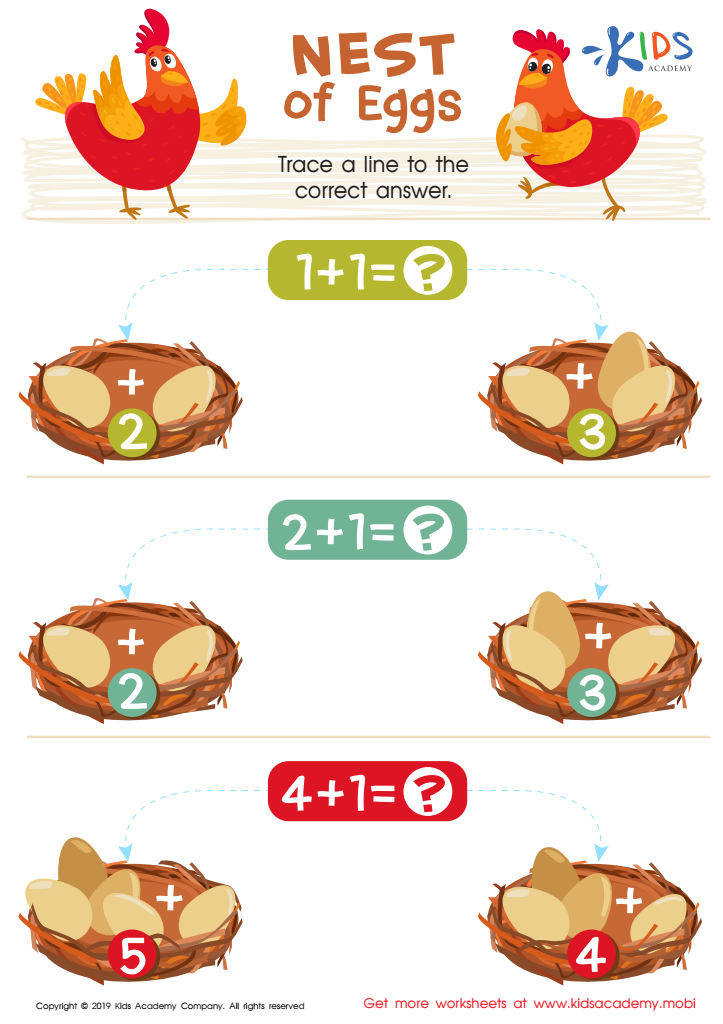
Nest of Eggs Worksheet
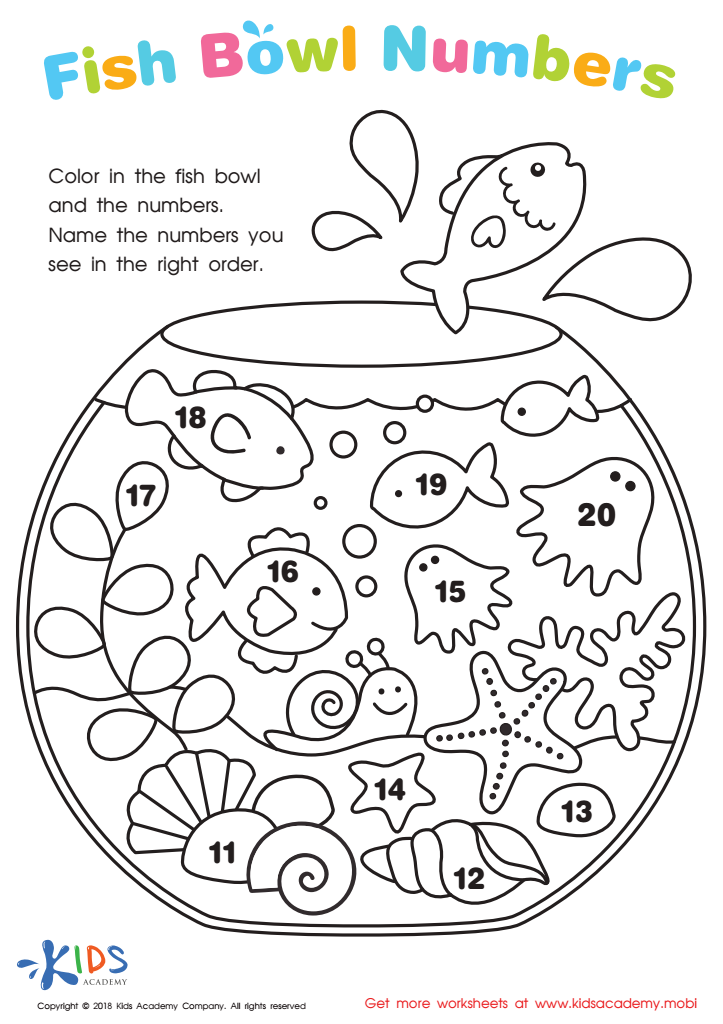
Fish Bowl Numbers Worksheet
Assign to My Students
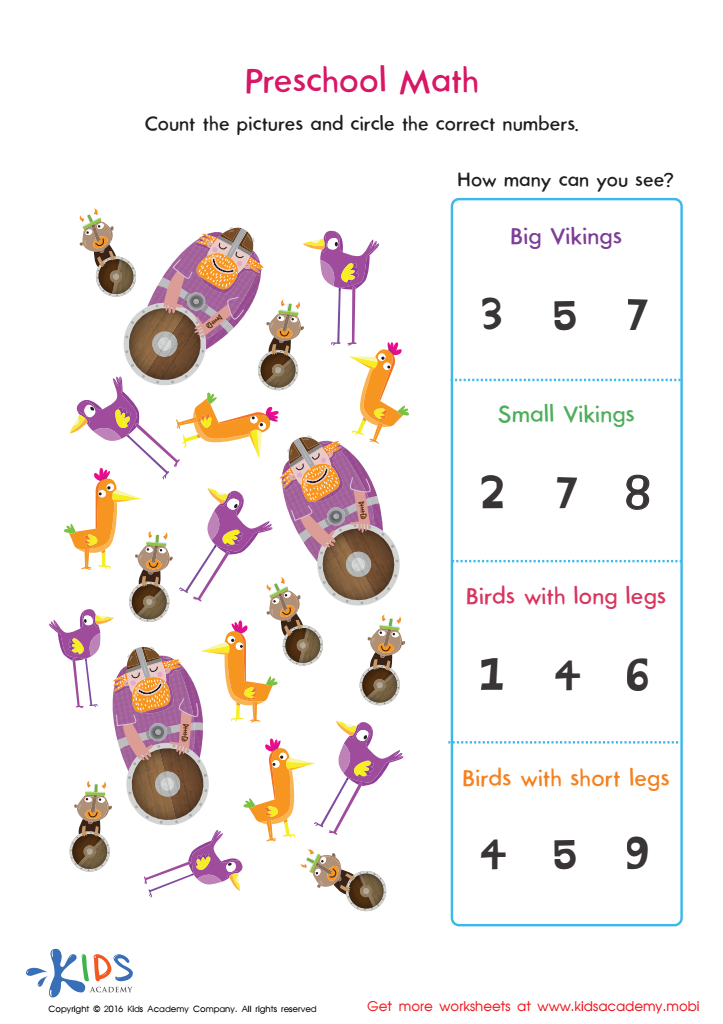






Counting skills are foundational for mathematical understanding and overall cognitive development, making it essential for parents and teachers to prioritize these activities for children aged 3-5. Early proficiency in counting enhances a child's ability to grasp number relationships, quantity assessment, and basic arithmetic, all of which are crucial for later academic success.
Introducing counting skills through engaging challenges during these formative years can stimulate a child's curiosity and foster a love for learning. Activities designed to challenge young learners go beyond simple rote memorization, encouraging critical thinking and problem solving. As children tackle more complex counting tasks, they develop perseverance and confidence in their abilities, laying a strong groundwork for future educational endeavors.
Moreover, these early math skills are tied to broader cognitive processes, such as memory, attention, and language development. Mastery of counting can introduce concepts like pattern recognition and sequencing, which are applicable in daily life and other academic subjects.
Beyond intellectual benefits, these challenges provide opportunities for social interaction and teamwork, as children often collaborate with peers or engage with supportive adults. This engagement fosters emotional and social skills, building a well-rounded developmental profile.
Overall, counting skills are a gateway to comprehensive growth and lifelong learning, justifying the attention and effort from both parents and teachers.








