Critical Thinking Extra Challenge Worksheets for Ages 3-5
10 filtered results
-
From - To
Welcome to our “Critical Thinking Extra Challenge Worksheets for Ages 3-5”! Designed to engage young minds, these worksheets foster essential problem-solving and reasoning skills through fun, interactive activities. Tailored for preschoolers, each worksheet promotes cognitive development while encouraging creativity and curiosity. Children will navigate exciting tasks that stimulate critical thinking, including pattern recognition, sorting, and basic puzzles. Perfect for parents and educators, these extra challenge worksheets provide a valuable resource for nurturing independent thinking in early learners. Start their journey towards becoming confident critical thinkers today with our dynamic and enriching activities designed specifically for little learners!
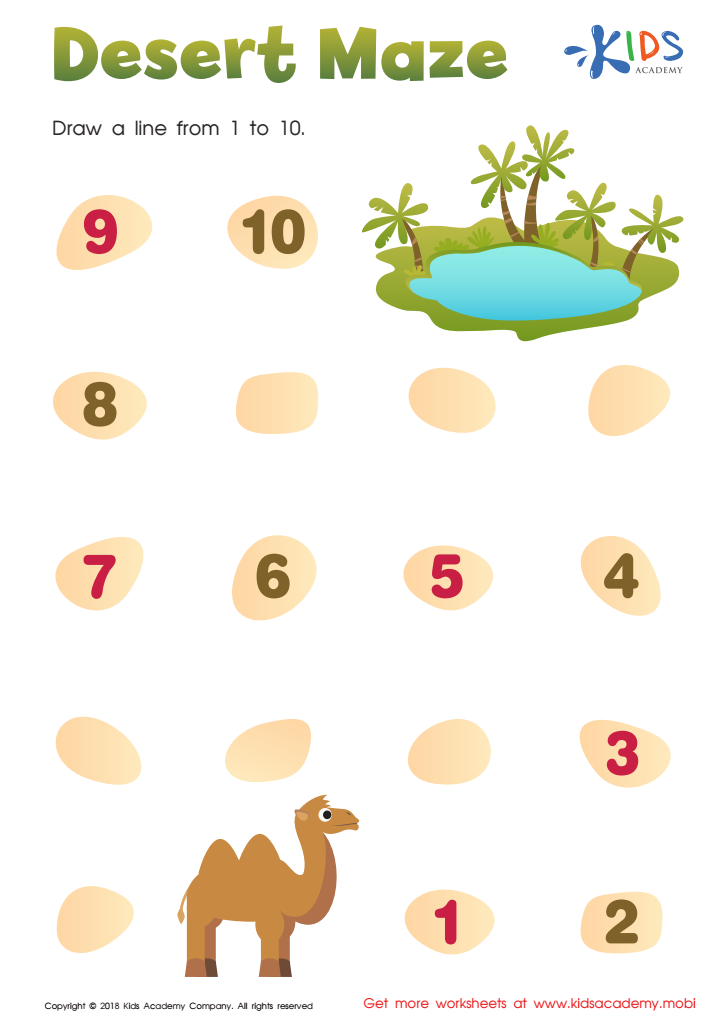
Desert Maze Worksheet
 Assign to My Students
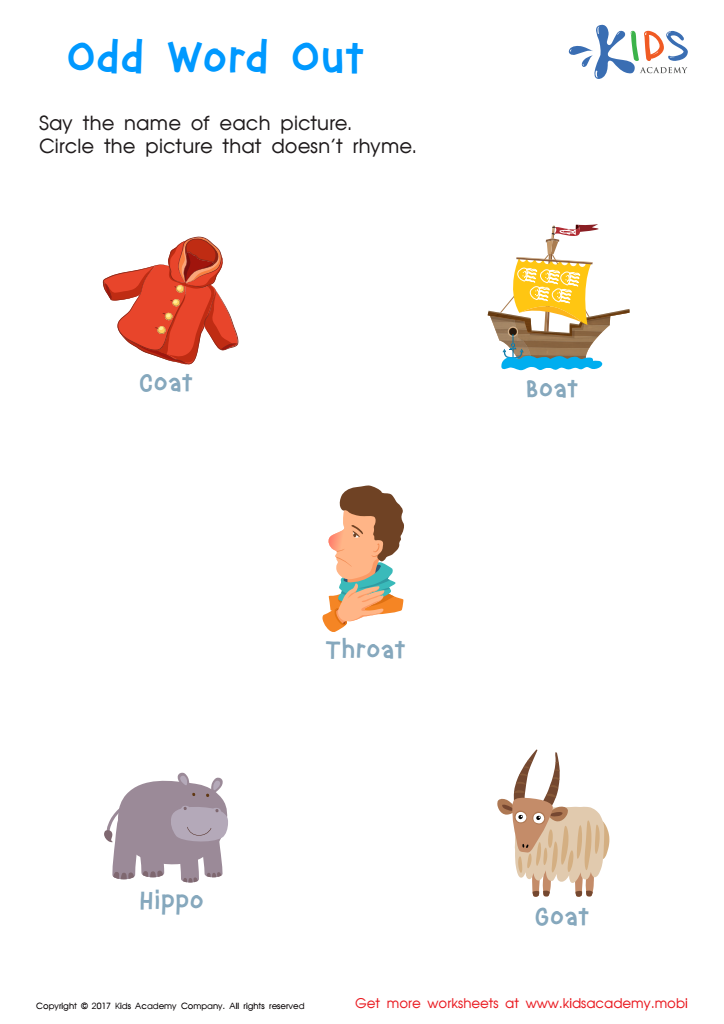
Odd Word Out Rhyming Worksheet
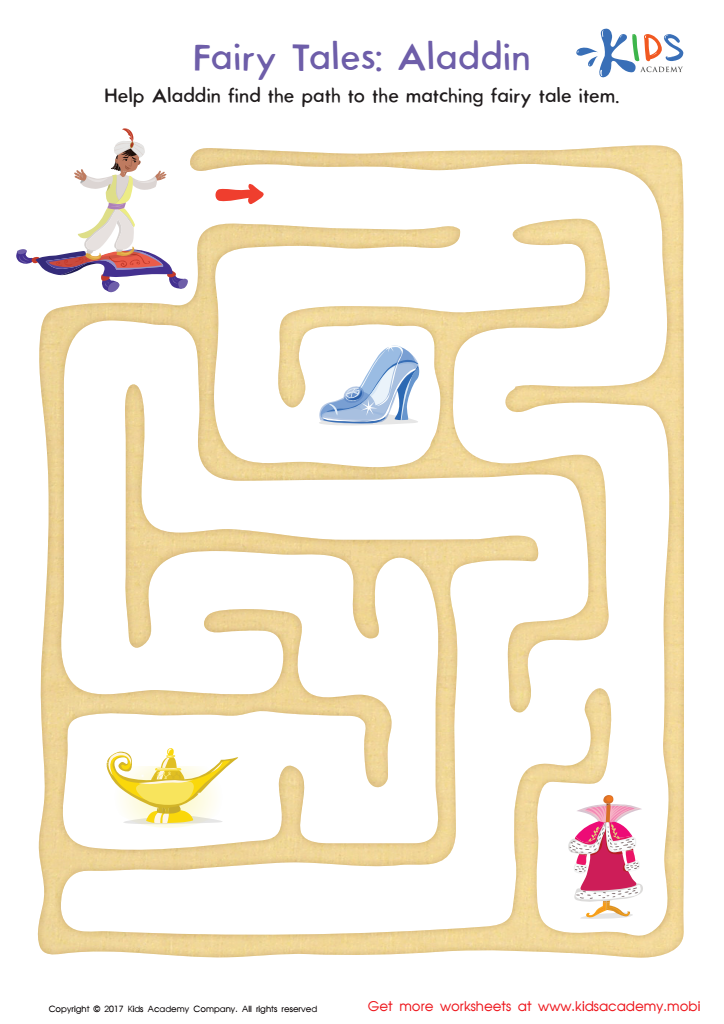
Fairy Tales Aladdin Printable
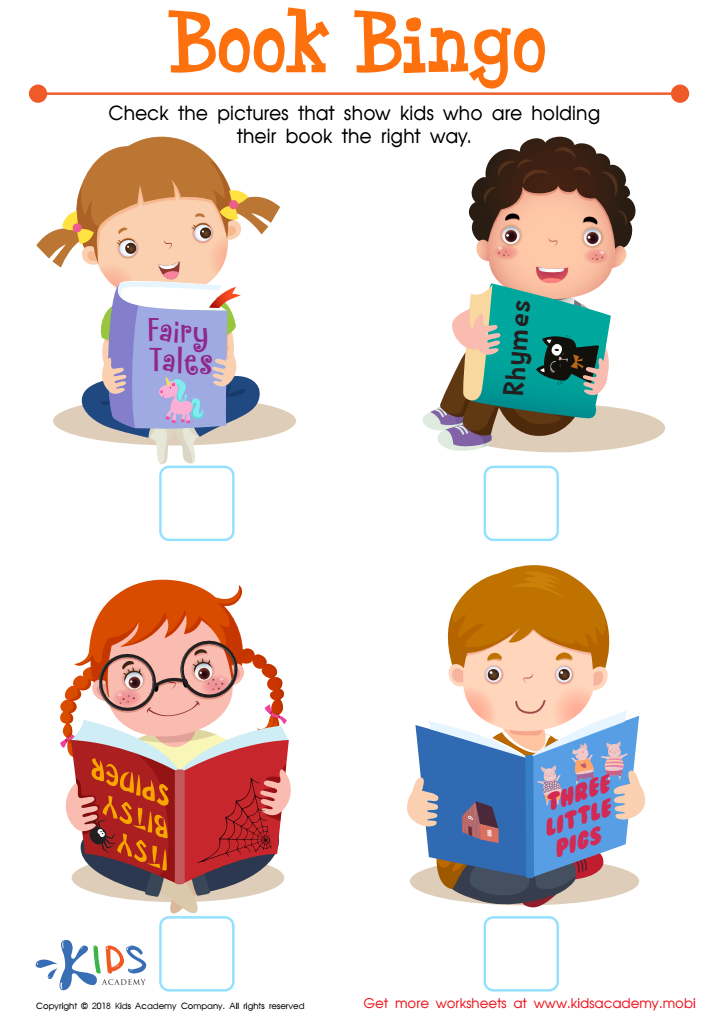
Book Bingo Worksheet
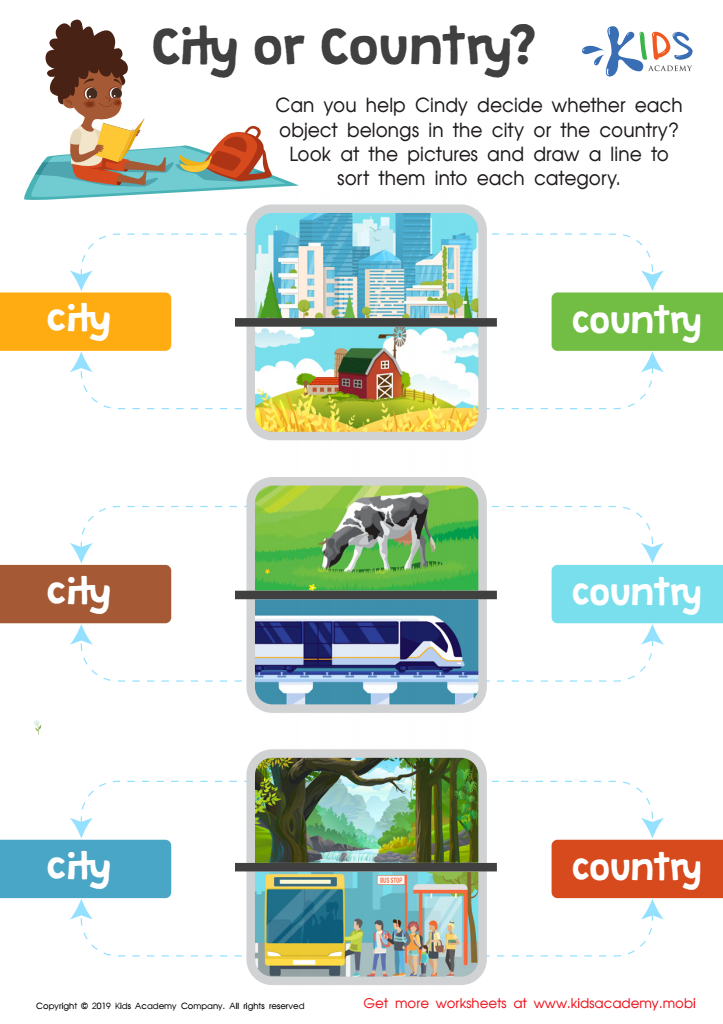
City or Country? Worksheet
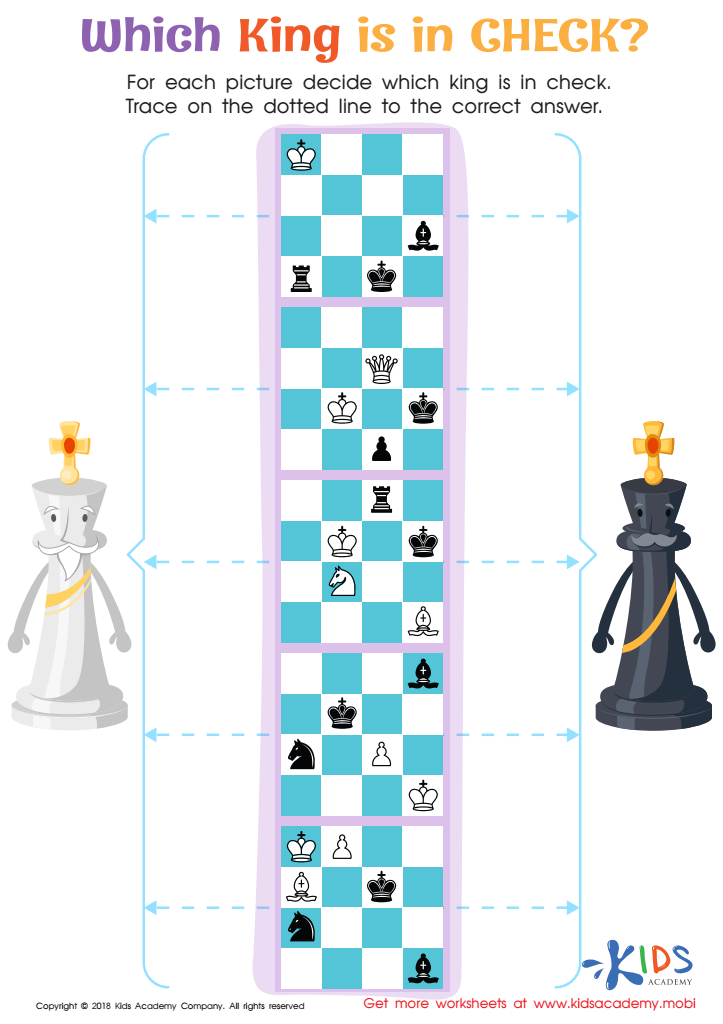
Which King is in Check? Worksheet
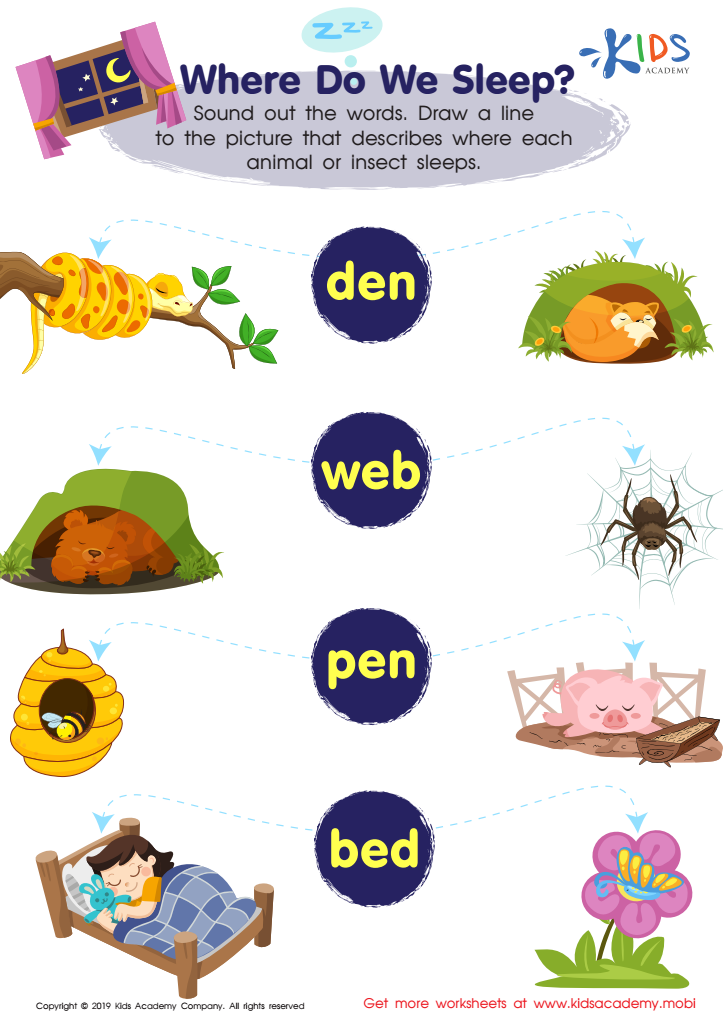
Where Do We Sleep Worksheet
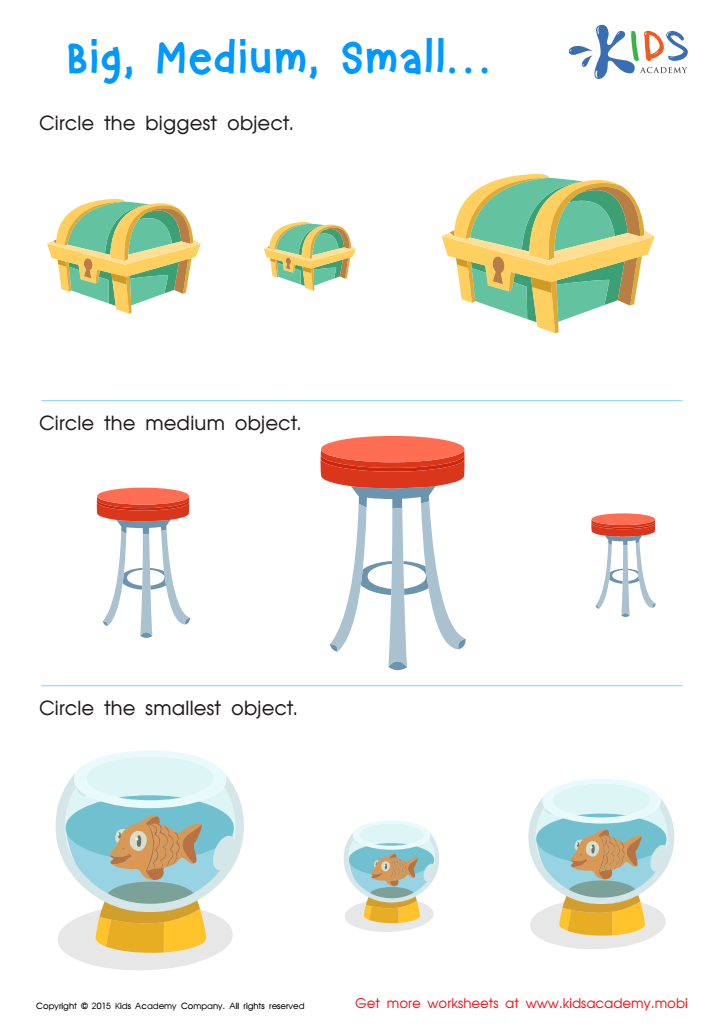
Big Medium Small Worksheet
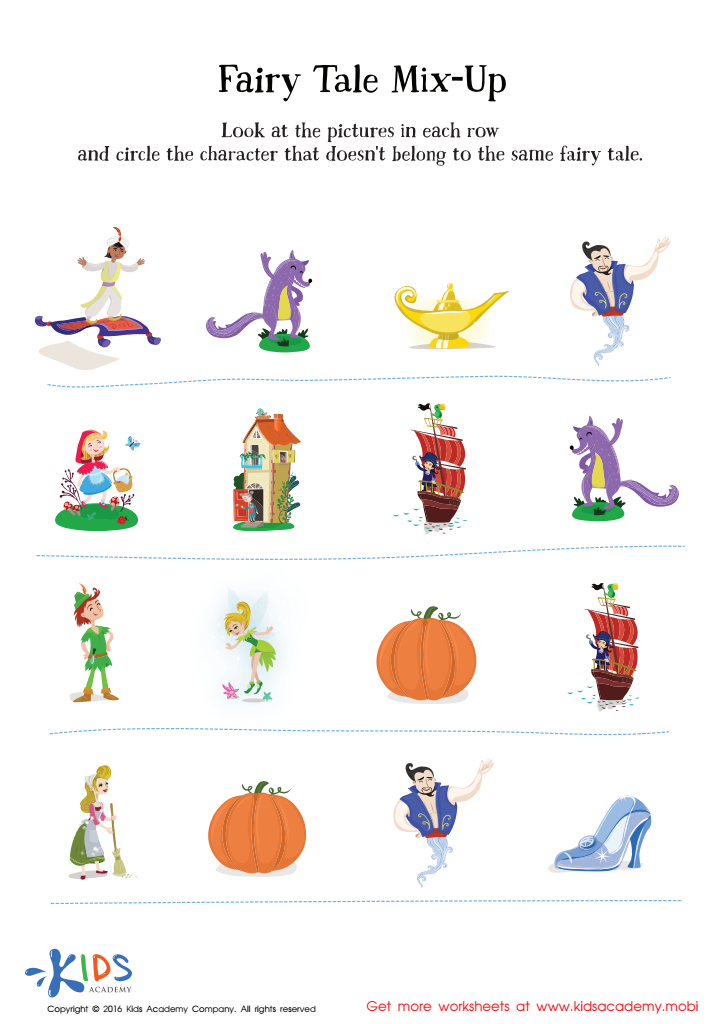
Fairy Tale Worksheet: Story Mix Up
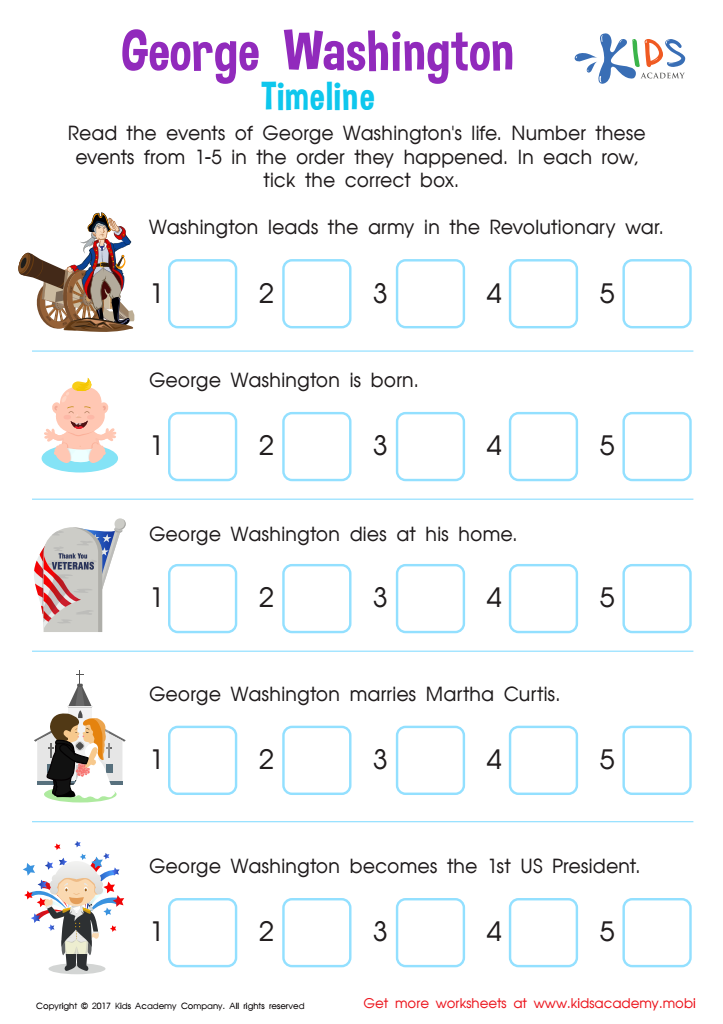
George Washington Timeline Worksheet








Parents and teachers should prioritize Critical Thinking Extra Challenges for ages 3-5 because these early years are crucial for cognitive development. During this formative stage, children begin to cultivate essential skills such as problem-solving, reasoning, and decision-making. Engaging in activities that promote critical thinking encourages curiosity, creativity, and independence, enabling children to explore their environment and understand complex ideas in a more meaningful way.
Furthermore, these challenges foster a love for learning by making it enjoyable and interactive. Techniques like puzzles, open-ended questions, and hands-on activities stimulate children's minds, inviting them to ask “why” and “how,” which deepens their understanding of the world around them.
Investing in critical thinking at this age helps build a strong foundation for future academic success. It equips children to approach challenges with perseverance and fosters resilience, as they learn that making mistakes is part of the learning process. Ultimately, the skills developed through these challenges prepare young learners not just for school but for life, encouraging them to become thoughtful, analytical, and engaged citizens. By valuing and integrating critical thinking in early education, parents and teachers set children on a path to lifelong learning and success.








