Problem-solving abilities Extra Challenge Worksheets for Ages 3-5
5 filtered results
-
From - To
Enhance your child's critical thinking skills with our "Problem-solving Abilities Extra Challenge Worksheets for Ages 3-5." Designed specifically for young learners, these engaging worksheets introduce essential problem-solving concepts through fun and interactive activities. Our expertly crafted challenges stimulate cognitive development, encouraging children to think creatively and find solutions independently. With colorful visuals and age-appropriate problems, your child will enjoy developing their analytical skills while building confidence. Ideal for use at home or in the classroom, these worksheets promote essential learning while keeping little minds engaged. Give your child a head start on critical thinking and problem-solving with our exciting extra challenges!
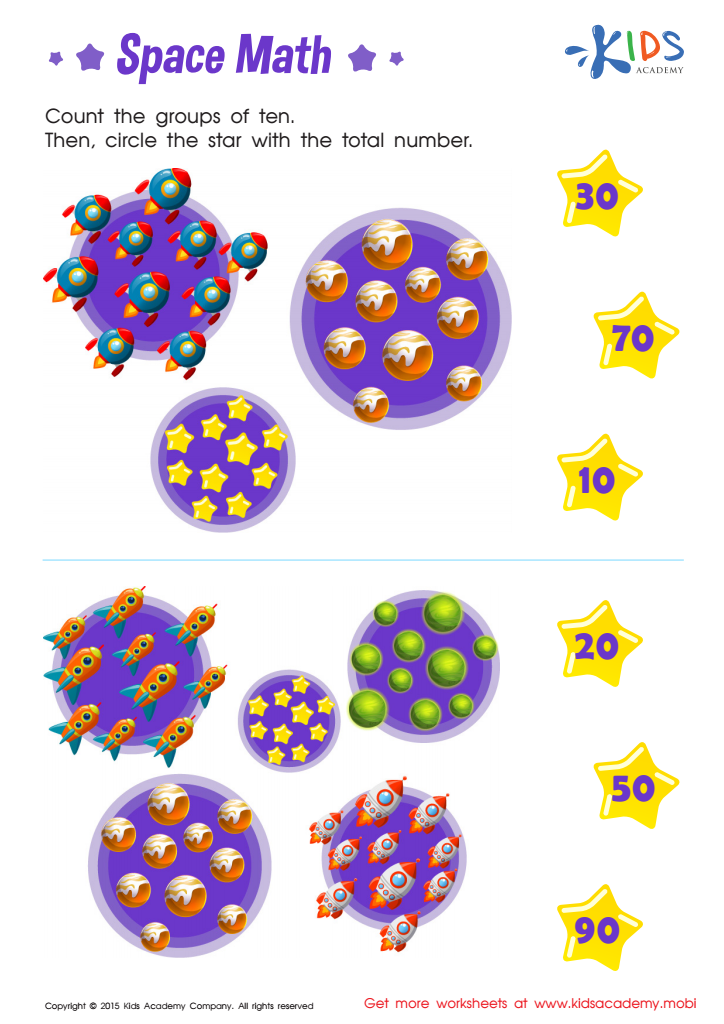
Learn dozens: Space math Worksheet
 Assign to My Students
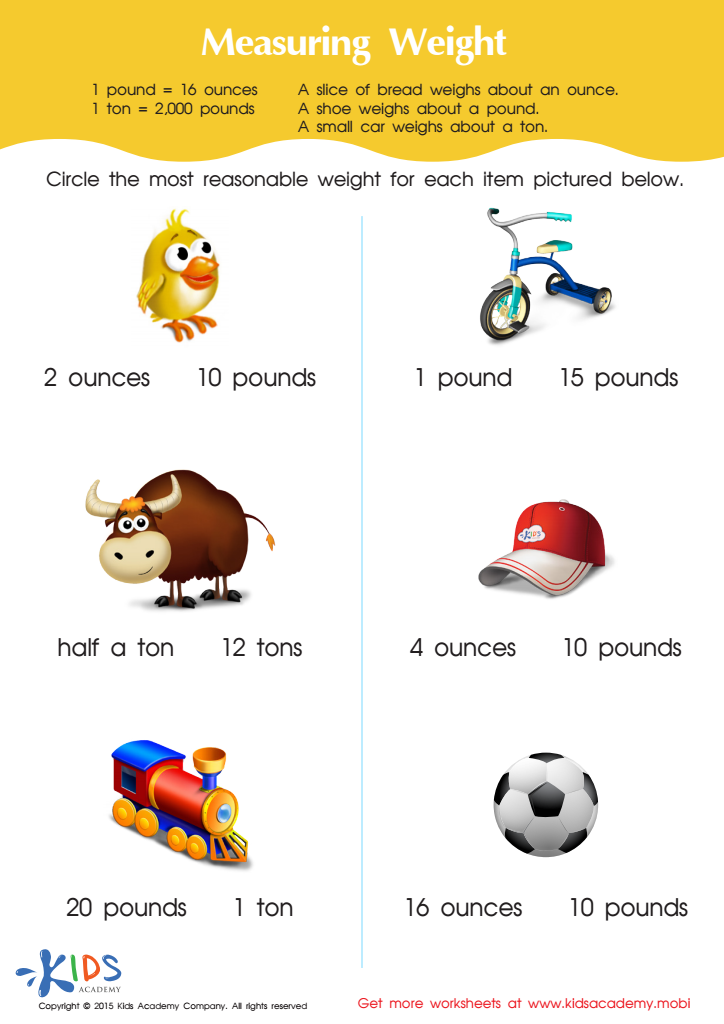
Measuring Weight in Ounces, Pounds and Tons (Part 2) Worksheet

Sweet Shop – Counting Coins Worksheet
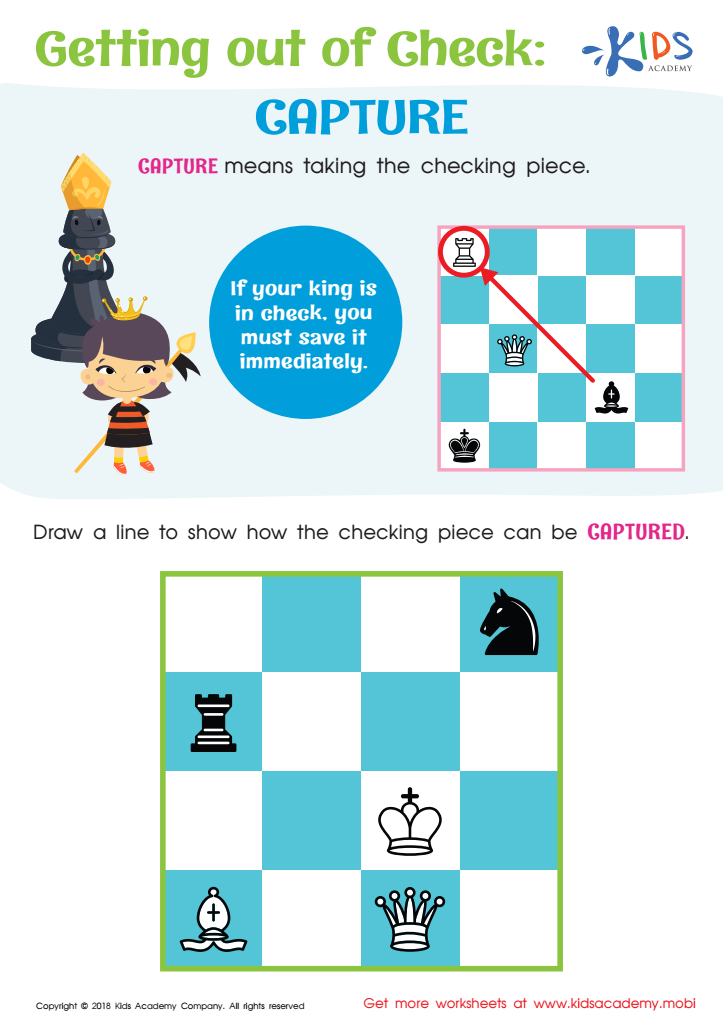
Getting out of Check: Capture

Sudoku Worksheet







Problem-solving is a crucial cognitive skill that significantly impacts a child's development, especially in the early years from ages 3 to 5. Parents and teachers should prioritize nurturing these abilities as they lay the foundation for critical thinking, creativity, and independence. During this tender age, children encounter various challenges, whether in play scenarios, social interactions, or basic tasks. Encouraging them to tackle these problems not only fosters resilience but also promotes cognitive development.
When parents and teachers provide problem-solving challenges, they stimulate children’s curiosity and decision-making skills, helping them learn to think critically and evaluate solutions. This age is marked by rapid brain development, and engaging in problem-solving activities encourages neural connections that are vital for future learning.
Moreover, heightened problem-solving abilities prepare children for academic success and social competence. Through collaborative challenges, they learn communication skills, patience, and empathy. This early exposure to tackling difficulties in a supportive environment cultivates a growth mindset, where children view obstacles as opportunities for learning rather than insurmountable barriers.
Ultimately, prioritizing problem-solving activities empowers children with essential skills they will rely on throughout their lives, equipping them for varied challenges in school and beyond.








