Reading Skills Extra Challenge Worksheets for Ages 3-5
6 filtered results
-
From - To
Elevate your child's reading abilities with our "Reading Skills Extra Challenge Worksheets for Ages 3-5." Designed to spark curiosity and foster early literacy, these engaging worksheets provide a fun and interactive way for young learners to strengthen their reading skills. Each activity targets essential skills such as letter recognition, phonics, vocabulary building, and comprehension, ensuring a well-rounded approach to literacy development. Fun illustrations and simple instructions make it easy for parents and teachers to incorporate these challenges into daily learning routines. Perfect for home or classroom use, our worksheets help cultivate a lifelong love of reading in your little ones!
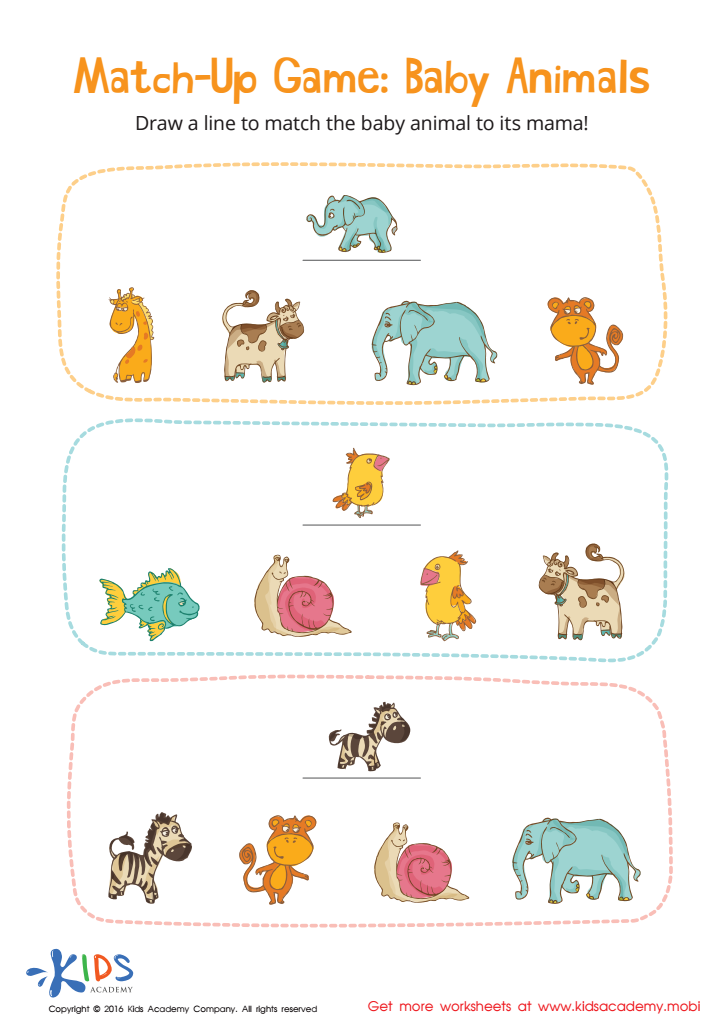
Baby Animals Match-Up Worksheet
 Assign to My Students
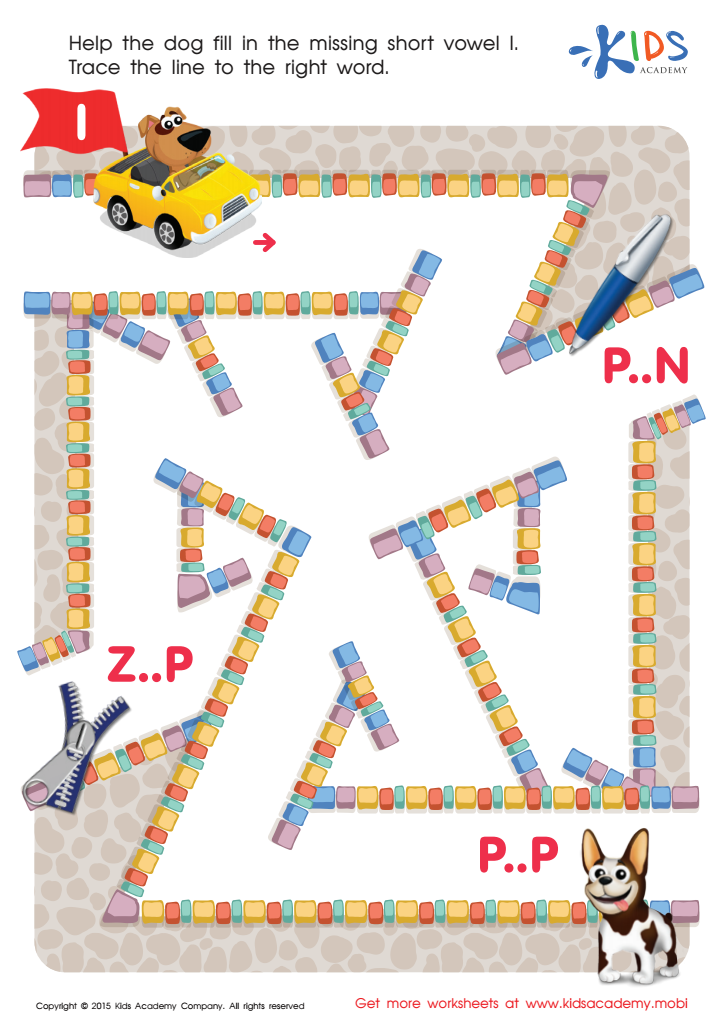
Short Vowel Sound I Worksheet
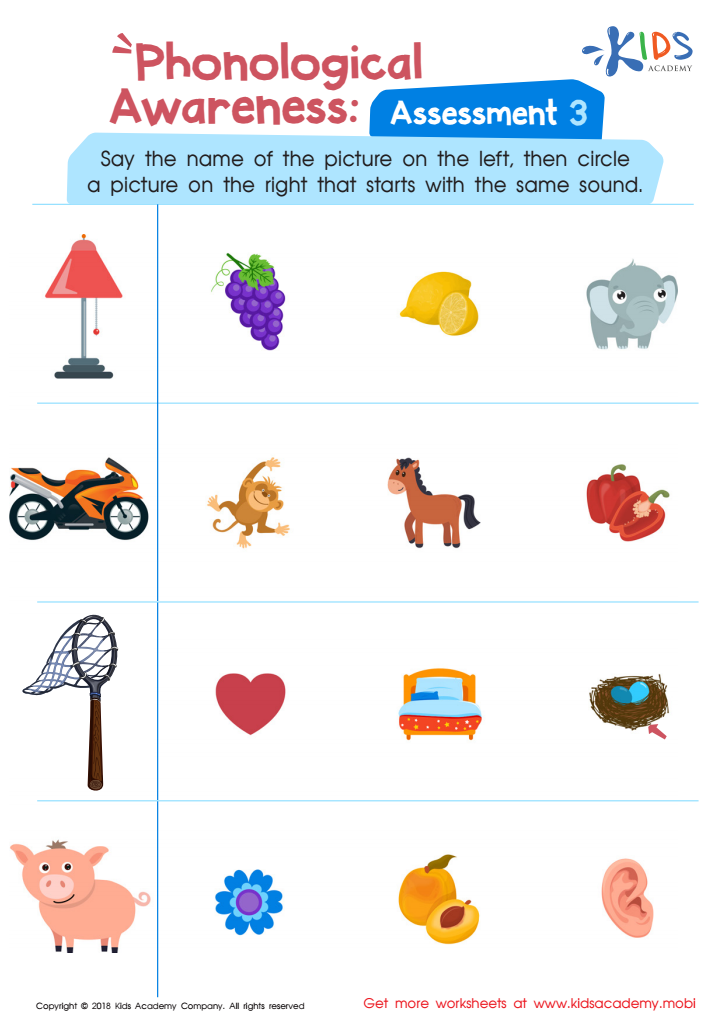
Phonological Awareness: Assessment 3 Worksheet
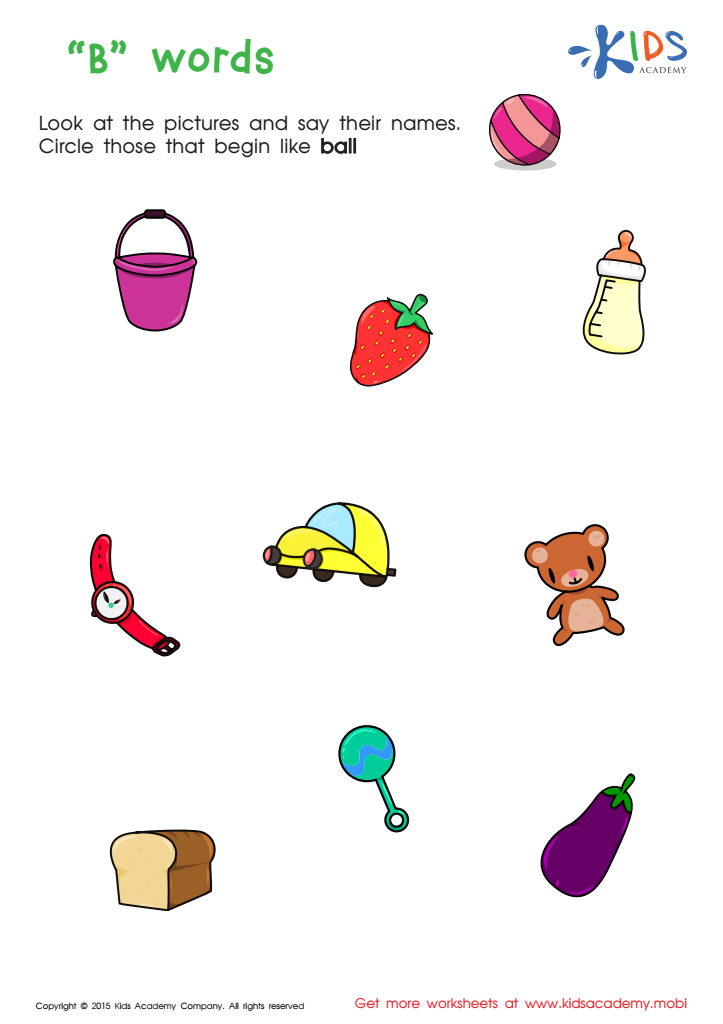
First Words Worksheet
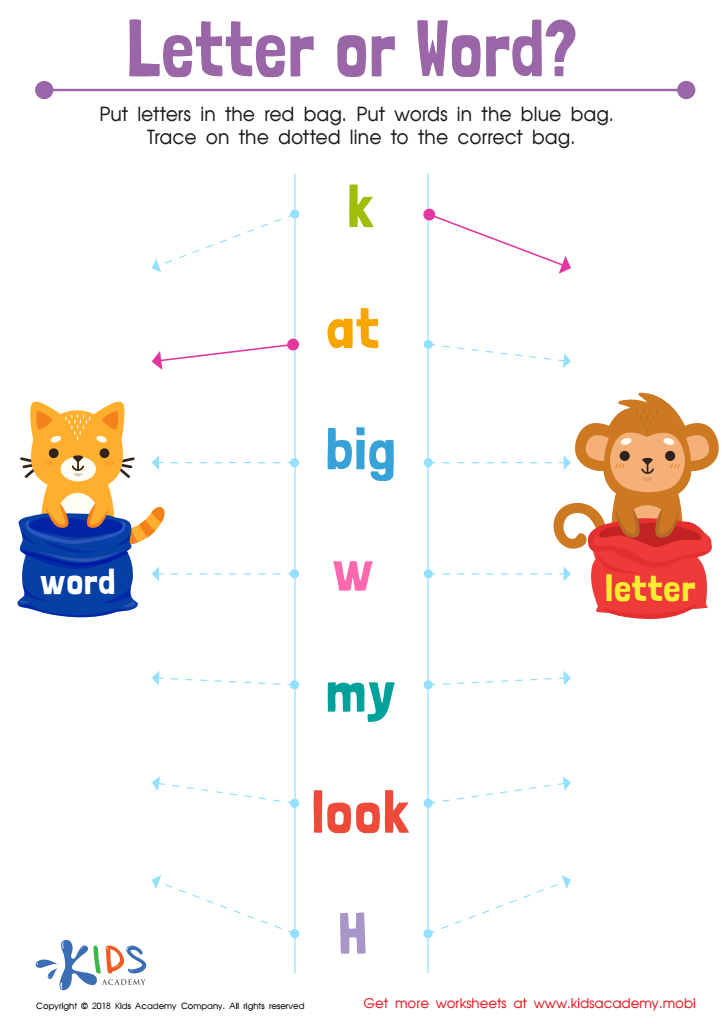
Letter or Word? Worksheet
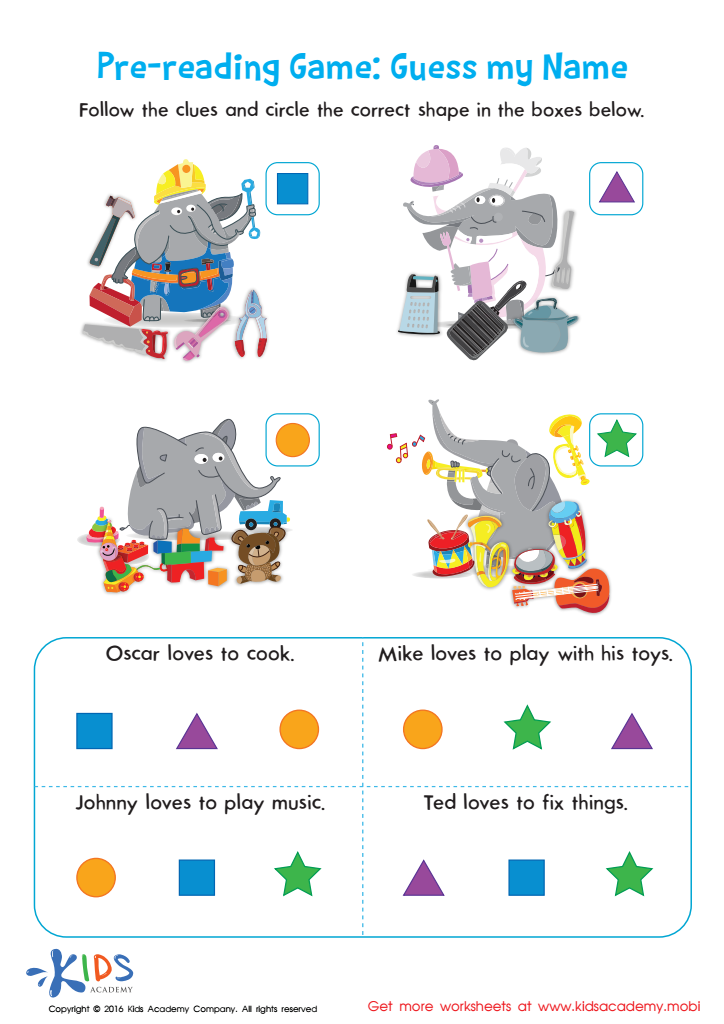
Pre Reading Worksheet Guess My Name








Parents and teachers should prioritize Reading Skills Extra Challenge for Ages 3-5 because early literacy development forms the foundation for a child’s future academic success and overall cognitive growth. At this age, children are highly receptive to learning, and introducing them to reading skills can ignite a lasting passion for literature and knowledge. The program emphasizes phonemic awareness, vocabulary building, and comprehension, which are crucial at this stage.
Engaging in reading-related activities helps develop critical thinking skills, enhances language acquisition, and fosters creativity. Children exposed to diverse literature will also gain insights into different cultures and perspectives, encouraging empathy and social awareness.
Moreover, early reading skills contribute to improved communication abilities, setting the groundwork for future collaboration and conflict resolution skills in social settings. This method promotes parental involvement, creating bonding moments between parents and children through shared reading experiences.
Teachers can utilize the Reading Skills Extra Challenge program to tailor learning experiences to individual students, ensuring they remain engaged while strengthening their reading skills. Overall, investing time and resources into reading initiatives at this early stage can yield long-term benefits, equipping children with vital tools necessitated for lifelong learning and personal development.








