Understanding patterns Extra Challenge Worksheets for Ages 3-5
3 filtered results
-
From - To
Unlock your child’s potential with our "Understanding Patterns Extra Challenge Worksheets" designed for ages 3-5! These engaging worksheets promote early math skills by focusing on pattern recognition, helping young learners identify, create, and extend simple patterns. Each worksheet is carefully crafted to cater to developing minds, offering fun activities that captivate children's attention and encourage critical thinking. Parents and teachers can easily download and print these resources to provide supplemental learning opportunities. Empower your little ones to become confident problem-solvers while enjoying the process of learning. Explore our collection today and inspire a love for patterns in your child's educational journey!
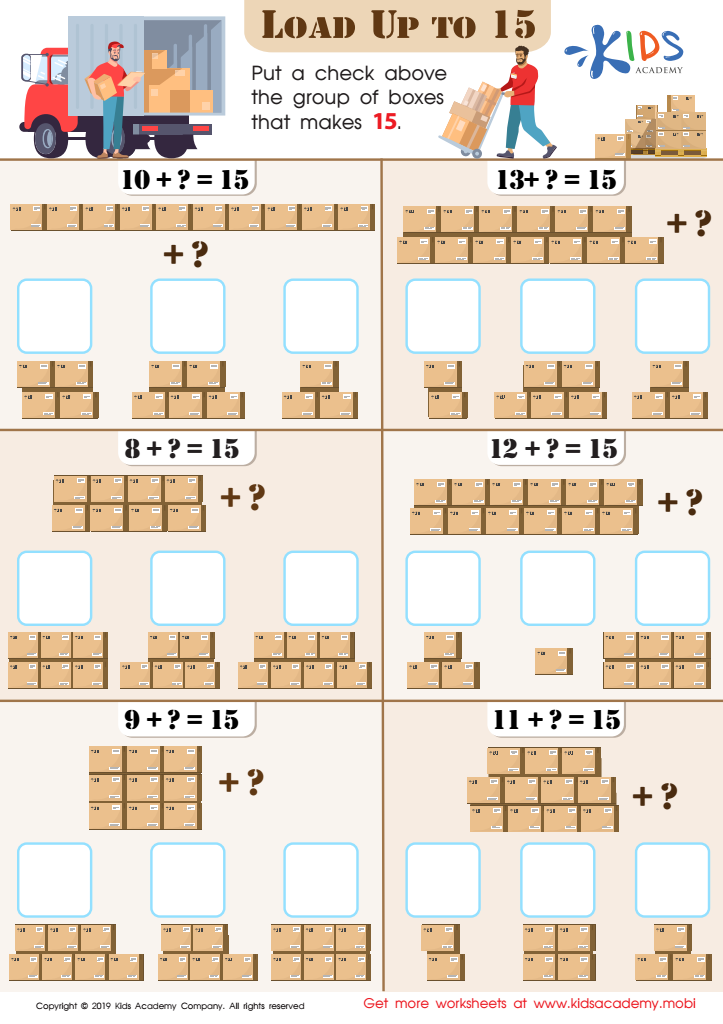
Load up to 15 Worksheet
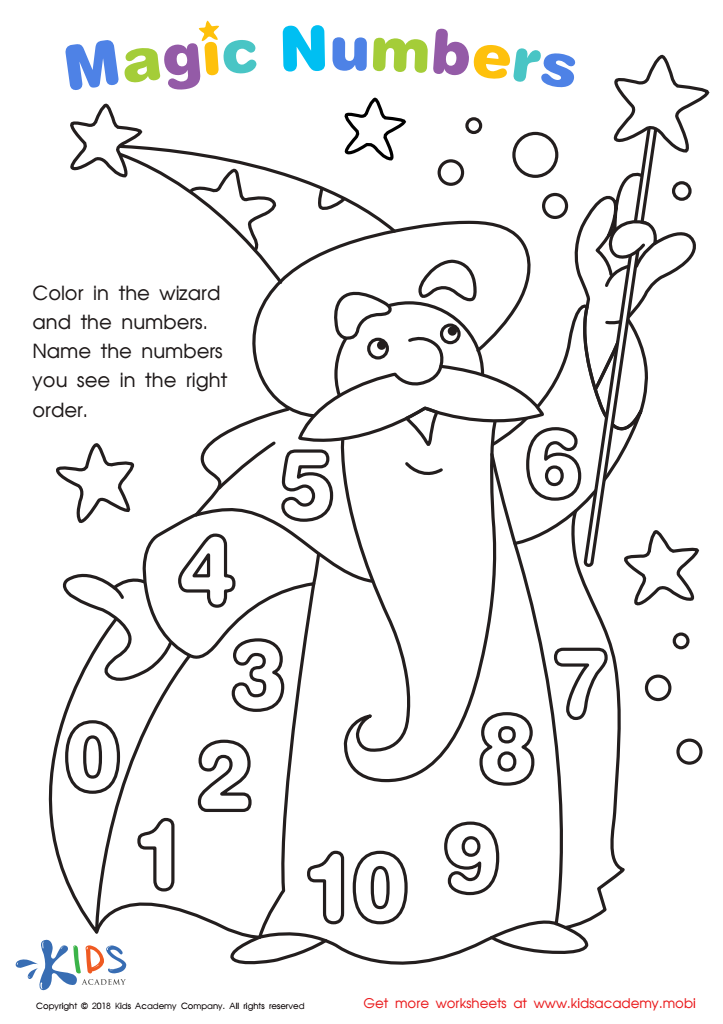
Magic Numbers Worksheet
 Assign to My Students
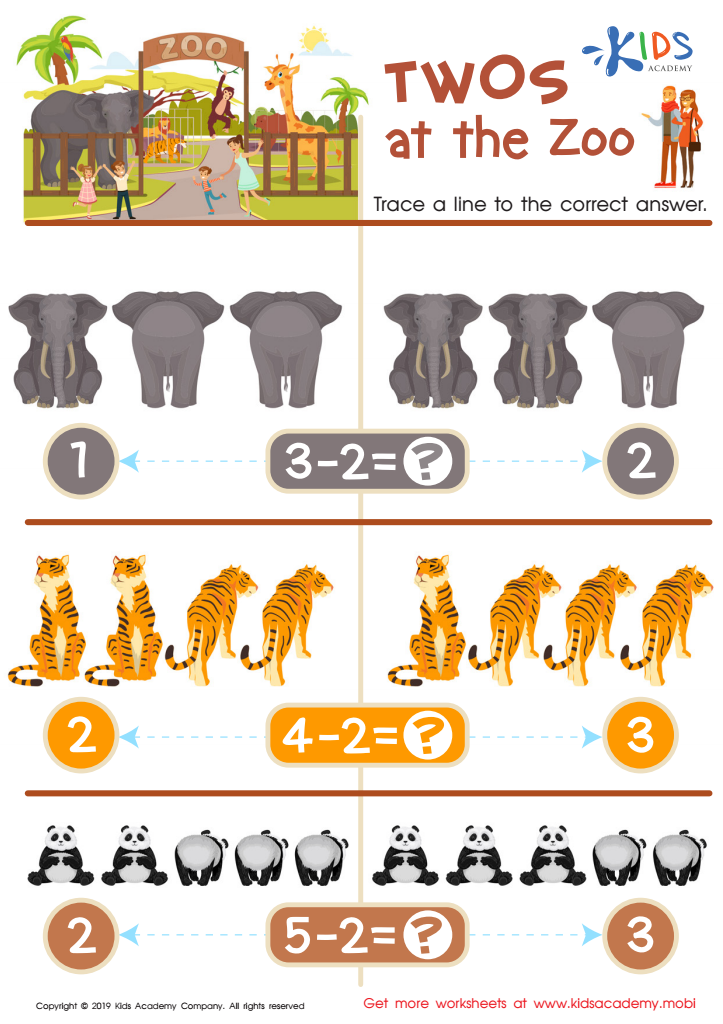
Twos at the Zoo Worksheet








Understanding patterns is a fundamental building block for early childhood development, crucial for children ages 3-5. Parents and teachers should care about promoting this skill because recognizing and creating patterns fosters critical thinking and problem-solving abilities, which are essential for later mathematical concepts such as addition, subtraction, and even geometry.
Patterns underpin many areas of learning. For young children, the exploration of patterns through visual, auditory, or kinesthetic experiences enhances cognitive skills and encourages creativity. When children identify and create patterns, they develop logical reasoning, which helps them make connections and predictions about the world around them.
Additionally, engaging with patterns can improve fine motor skills through activities like stringing beads or drawing shapes. Beyond academics, working with patterns can enhance language development as children describe their thoughts and processes.
Encouraging pattern recognition also supports collaboration and social interaction in play settings, as children share ideas and solutions. This social aspect builds communication skills and emotional intelligence. Ultimately, understanding patterns paves the way for adaptability in learning, making it an essential focus for parents and educators at this critical stage in a child's development.








