Vocabulary Building Extra Challenge Worksheets for Ages 3-5
13 filtered results
-
From - To
Boost your preschooler's language skills with our "Vocabulary Building Extra Challenge Worksheets for Ages 3-5"! These fun and engaging worksheets are designed to enhance your child's vocabulary through various challenging activities that encourage critical thinking and creativity. Covering a wide range of themes, these worksheets help young learners recognize and understand new words, improving their communication skills and setting a solid foundation for reading and writing. Ideal for kids aged 3 to 5, our worksheets provide an extra challenge to keep little minds stimulated, making learning both fun and effective. Start building a richer vocabulary today!
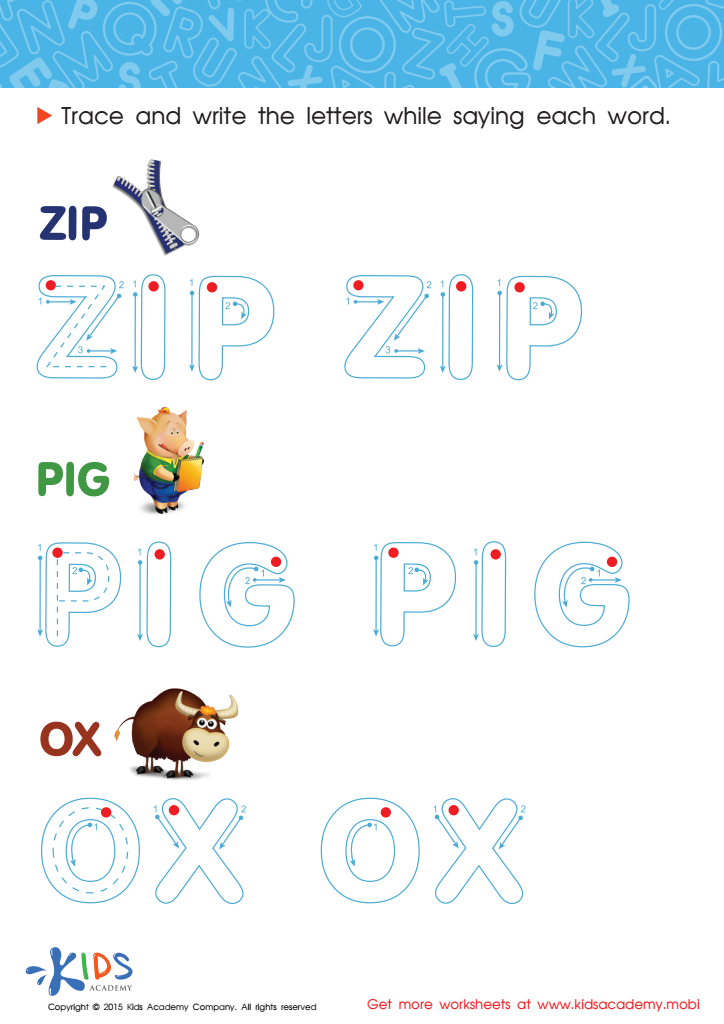
A Zip, a Pig and an Ox Spelling Worksheet
 Assign to My Students
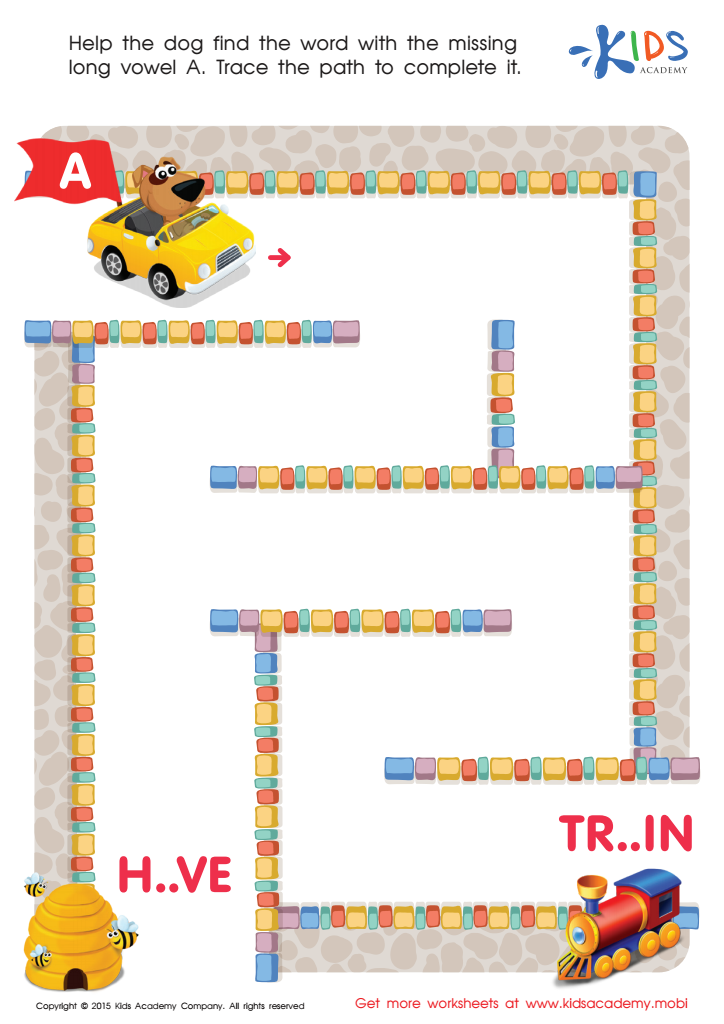
Long Vowel Sound A Worksheet
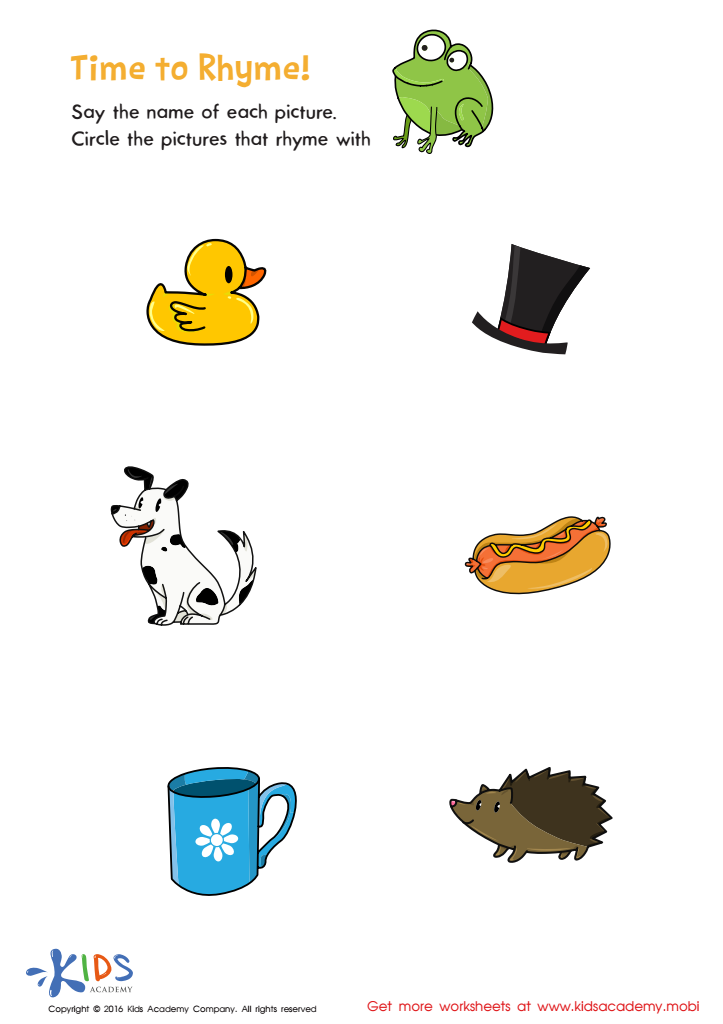
Rhyming Worksheet: Time to Rhyme Rhyming Worksheet
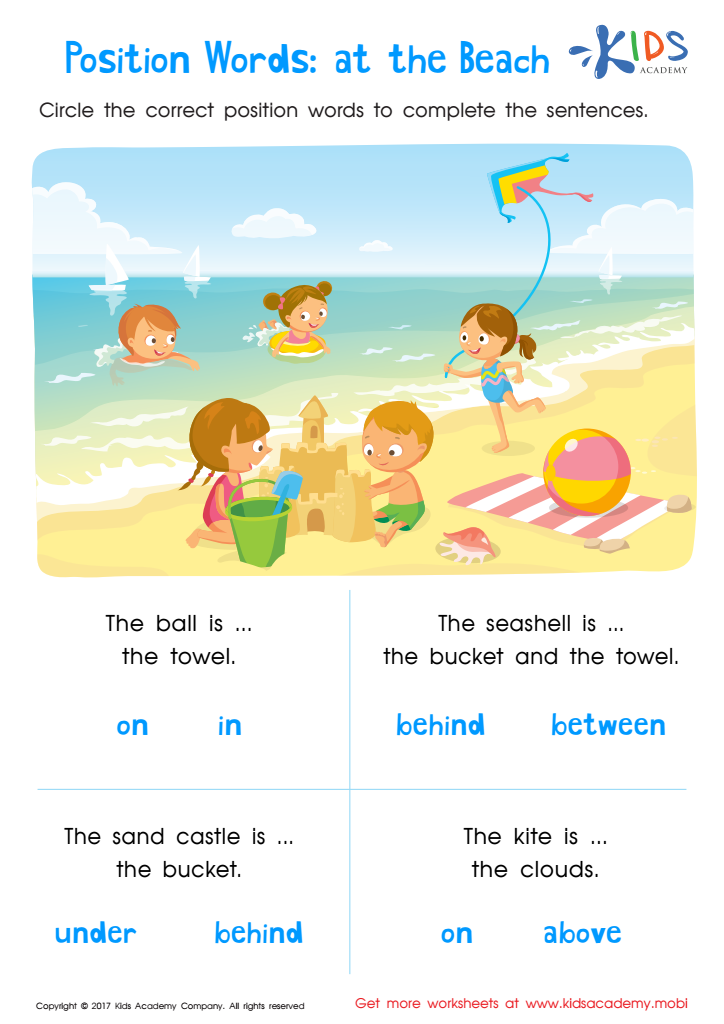
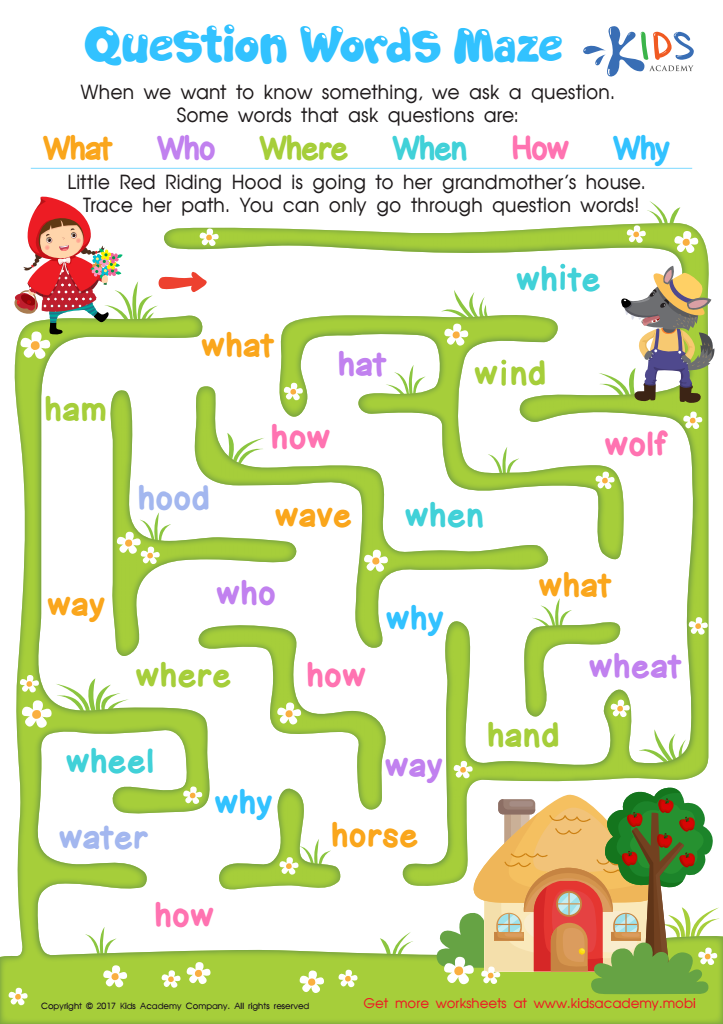
Question Words Maze Worksheet
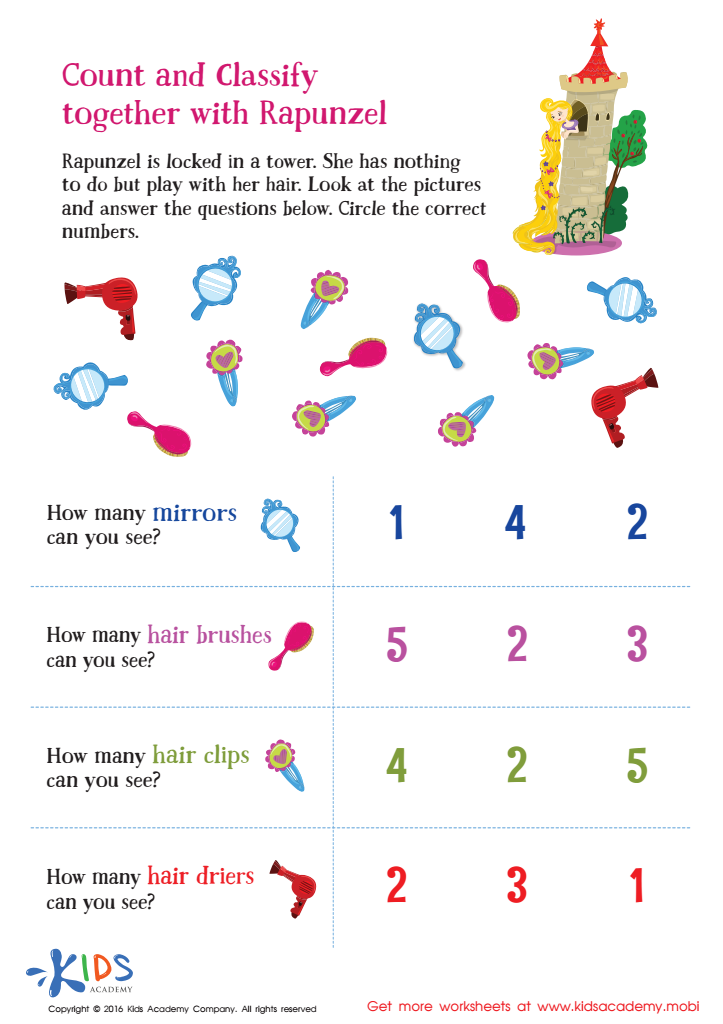
Fairy Tale Worksheet: Count and Classify with Rapunzel
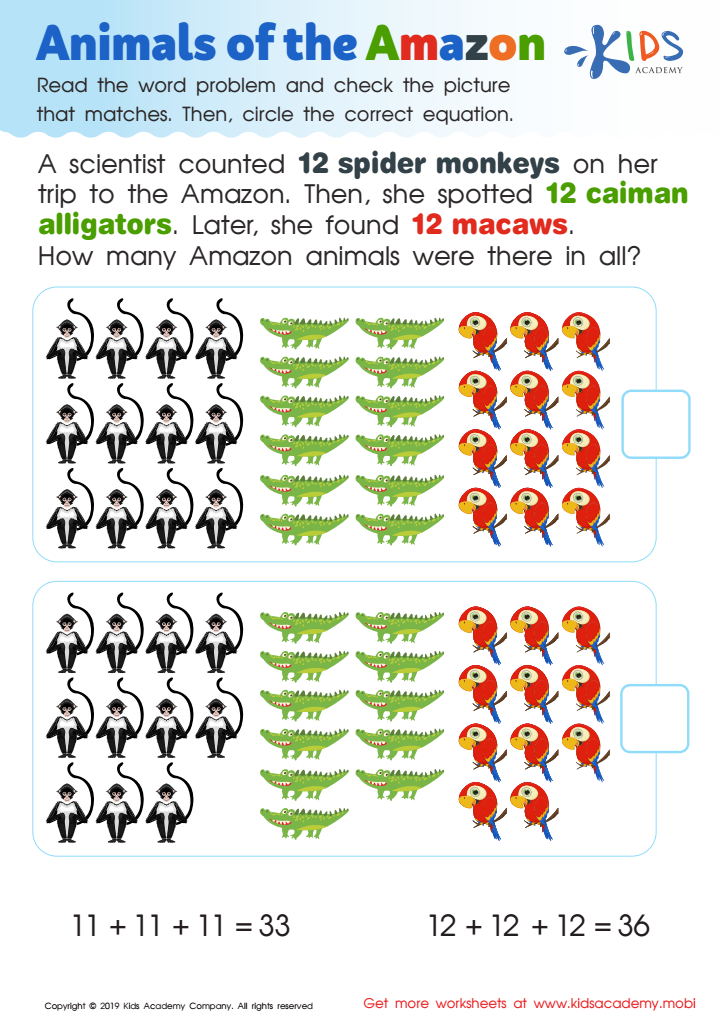
Animals of Amazon Worksheet
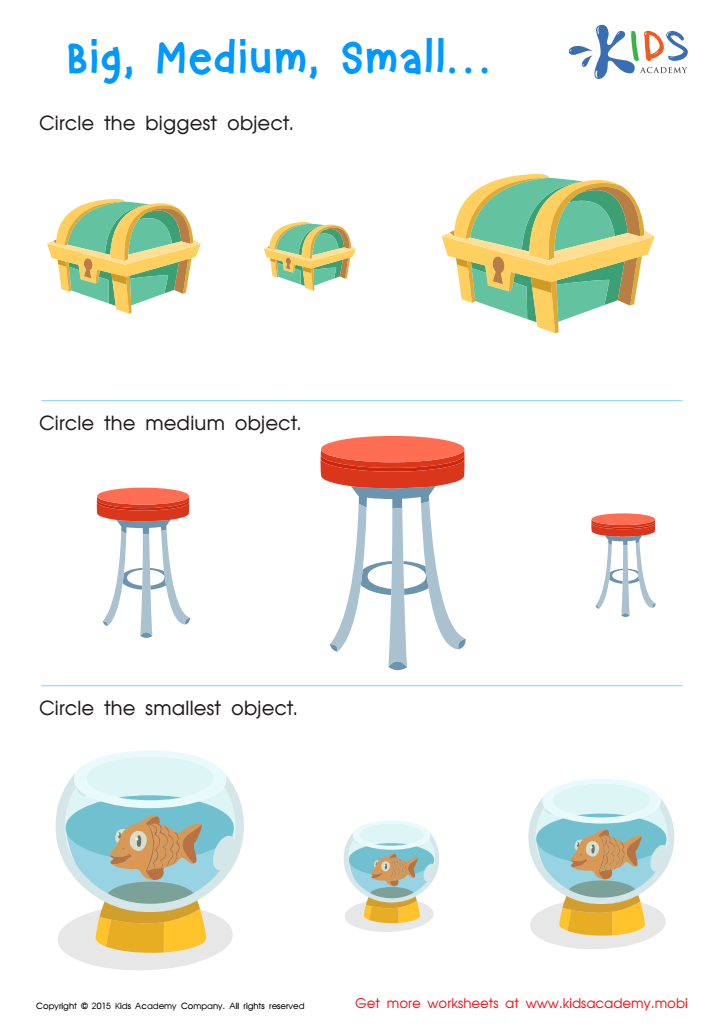
Big Medium Small Worksheet
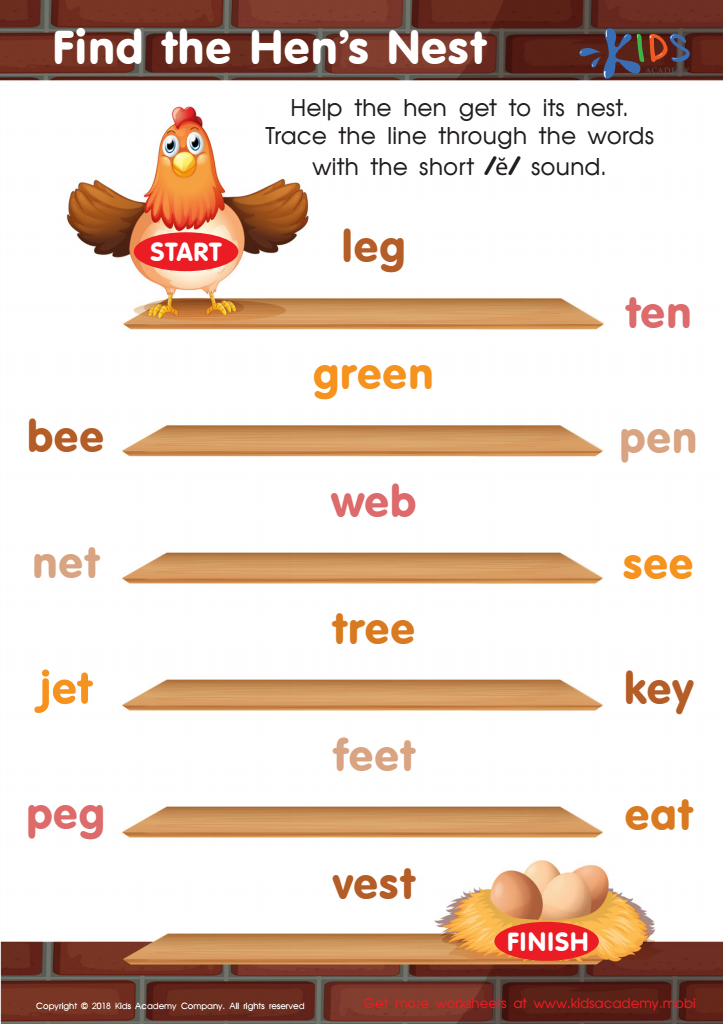
Find Hens Nest Reading Worksheet
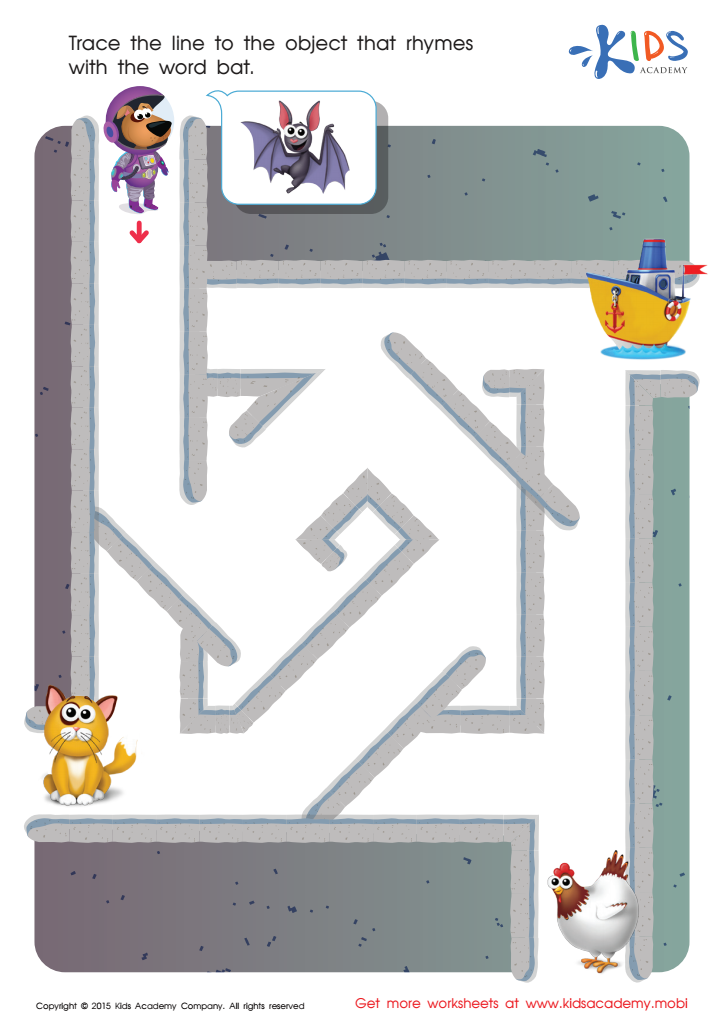
Bat Rhyming Words Worksheet
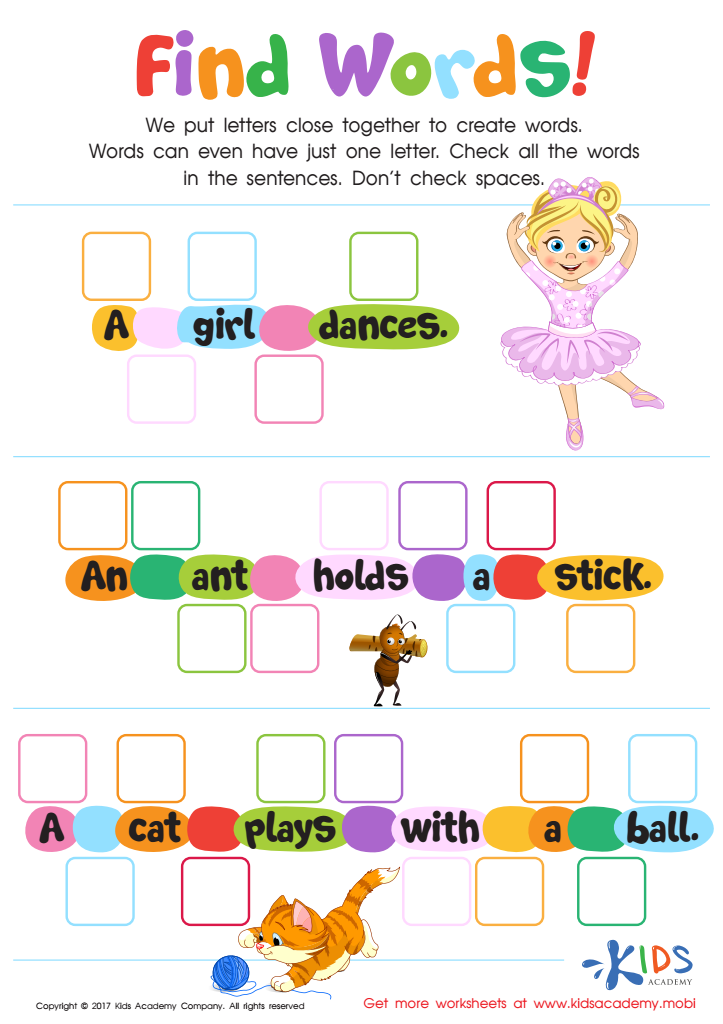
Find Words Worksheet
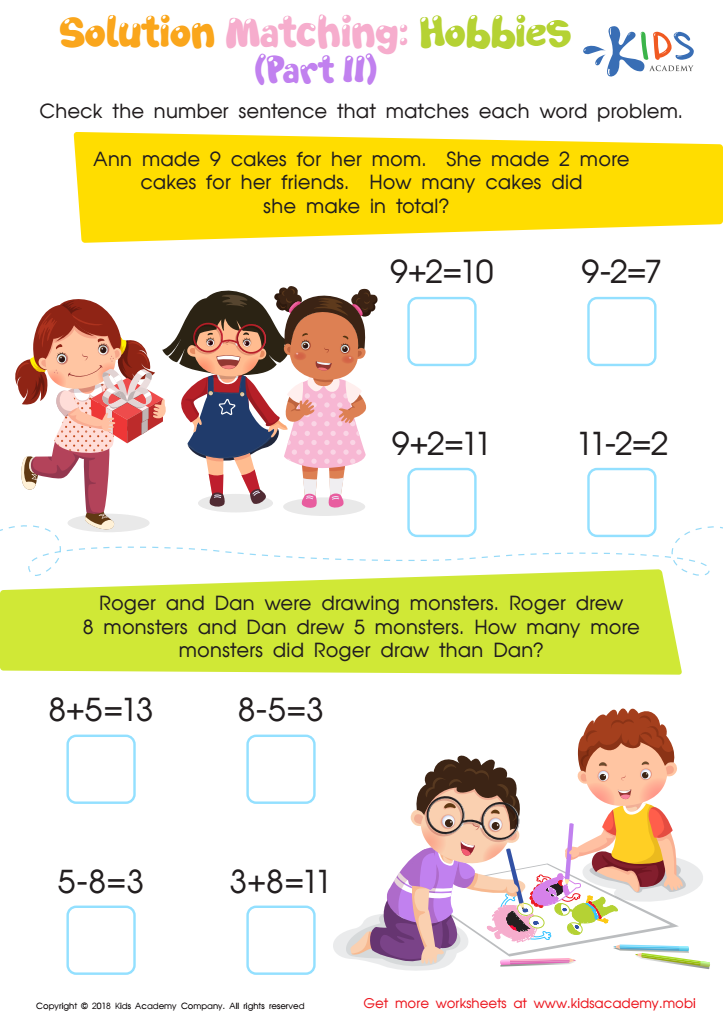
Solution Matching: Hobbies. Part 2 Worksheet
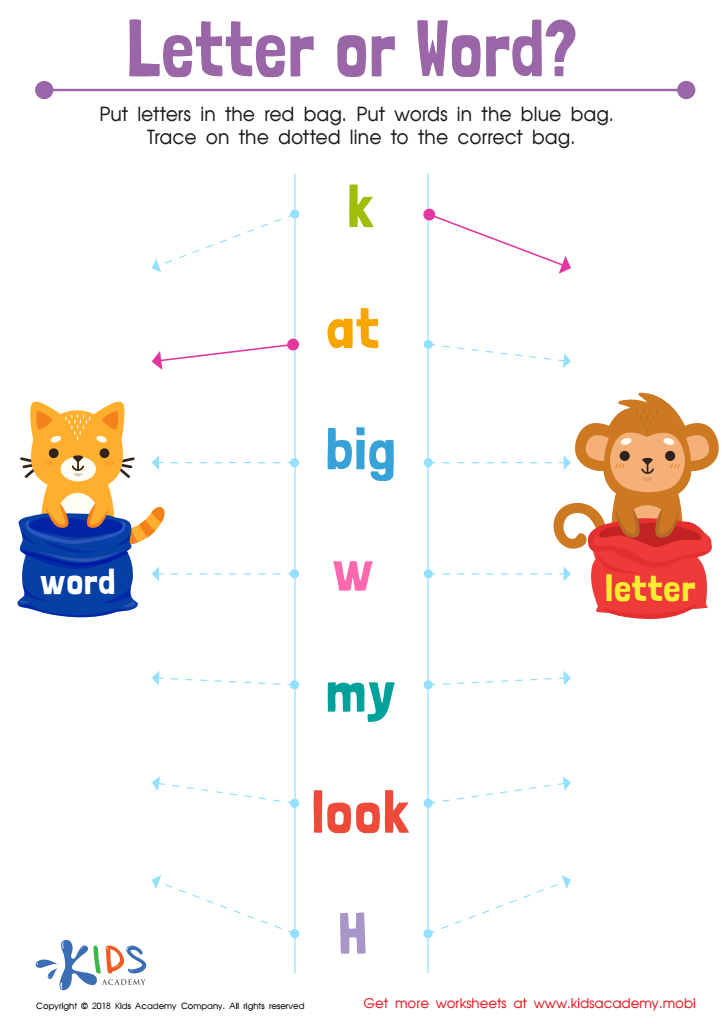
Letter or Word? Worksheet




.jpg)


Vocabulary building in early childhood, especially between the ages of 3-5, sets a crucial foundation for lifelong learning and literacy. By enriching a young child's vocabulary, parents and teachers equip them with the essential tools for clear communication, comprehension, and effective expression. During these formative years, a child's brain is incredibly receptive, and exposure to a diverse vocabulary enhances cognitive development and critical thinking skills.
Engaging in Vocabulary Building Extra Challenges ensures that children are not only learning new words but are also understanding their meanings and proper usage. This expanded lexicon contributes to their reading readiness, fostering a smooth transition into more complex literacy skills. Children with robust vocabularies find it easier to grasp new concepts, follow instructions, and express their thoughts and needs more precisely.
Furthermore, vocabulary development has a direct impact on a child's self-confidence. As they become more articulate, they navigate social interactions with greater ease, which can improve their relationships with peers and adults. Additionally, consistent vocabulary enrichment sets the stage for academic success, as students with strong language skills typically perform better in school.
Incorporating vocabulary building activities at a young age doesn't just prepare children for immediate educational milestones but paves the way for future academic and personal achievements, making it an essential component of early childhood education.








