Shape Recognition Extra Challenge 2D Shapes Worksheets for Ages 3-5
4 filtered results
-
From - To
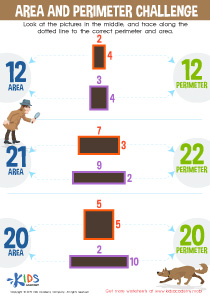
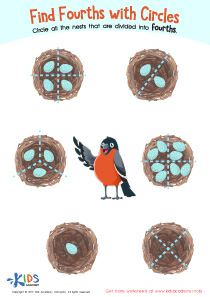
Enhance your child's shape recognition skills with our "Shape Recognition Extra Challenge 2D Shapes Worksheets for Ages 3-5." These engaging worksheets are designed to make learning about shapes enjoyable and interactive. Your little ones will explore various 2D shapes through fun activities that reinforce their understanding while developing critical thinking and problem-solving skills. Perfect for early learners, these worksheets offer challenging tasks that promote cognitive growth and are essential for foundational math skills. Perfect for home or classroom use, they provide an exciting opportunity to support your child's educational journey in a playful way! Download now and watch them thrive!
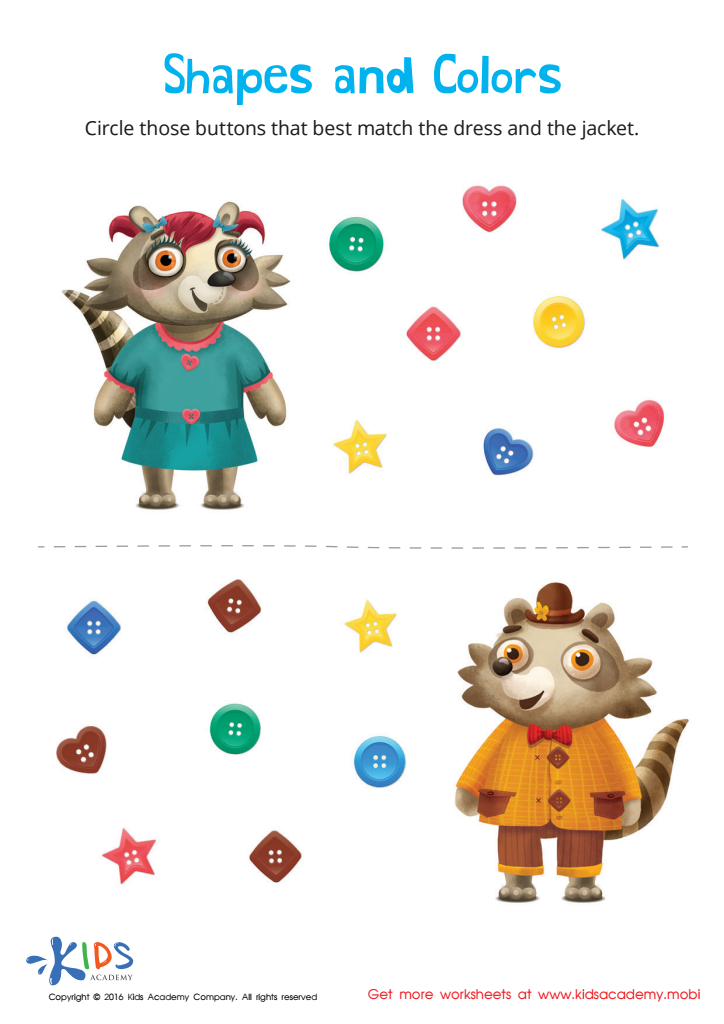
Matching: Shapes and Colors Worksheet
 Assign to My Students


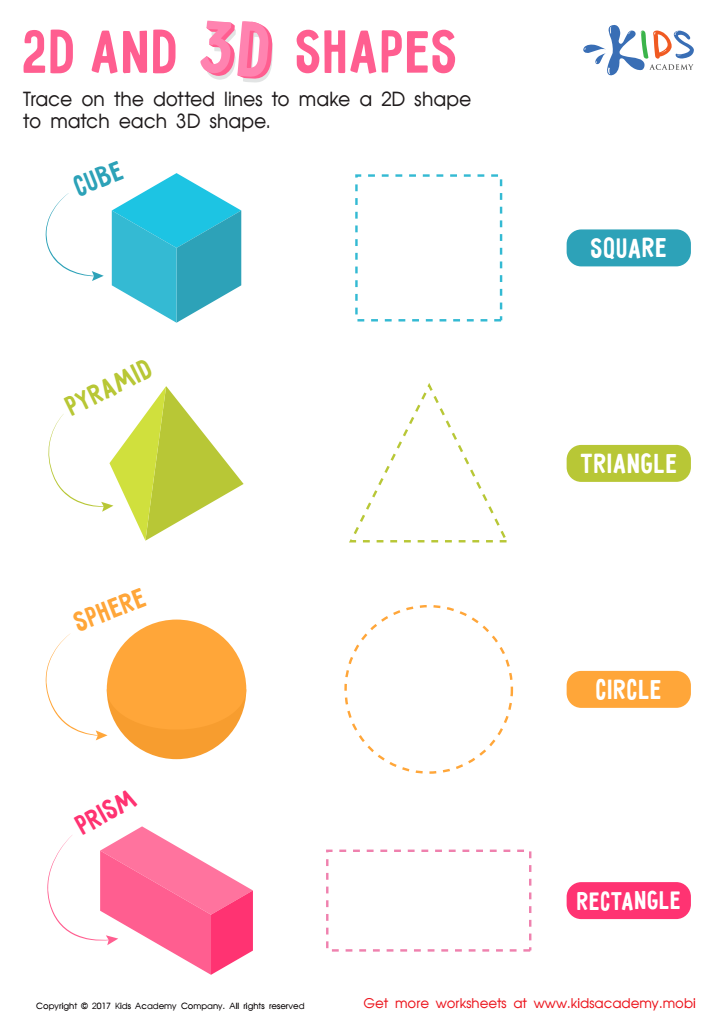
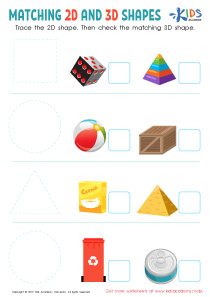
2D and 3D Shapes Worksheet
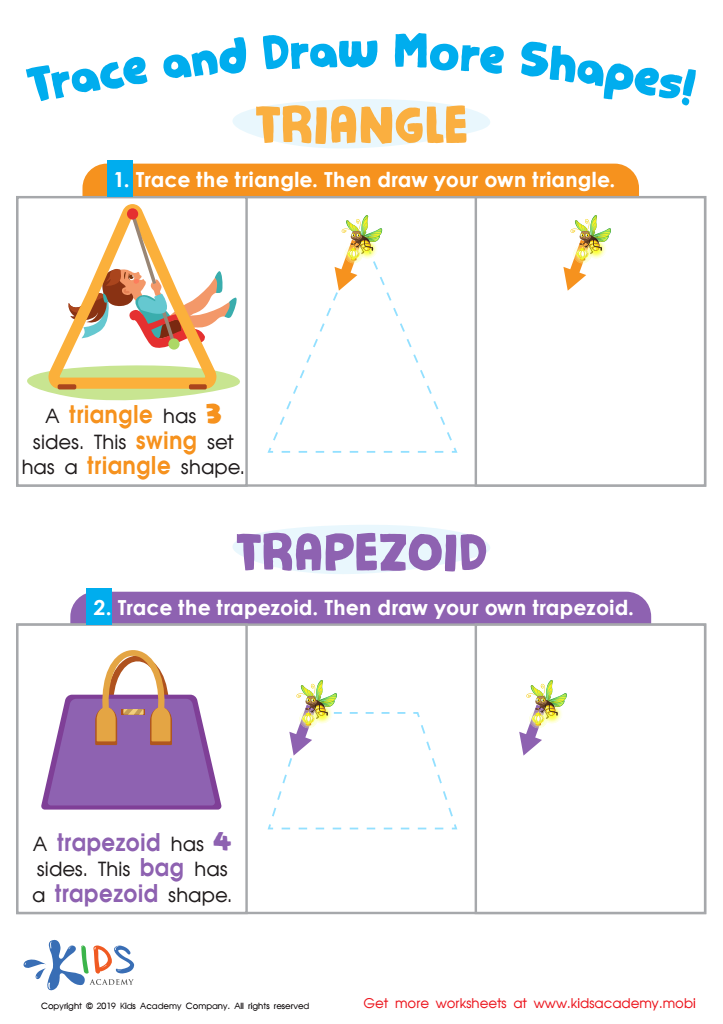
Trace and Draw More Shapes Worksheet
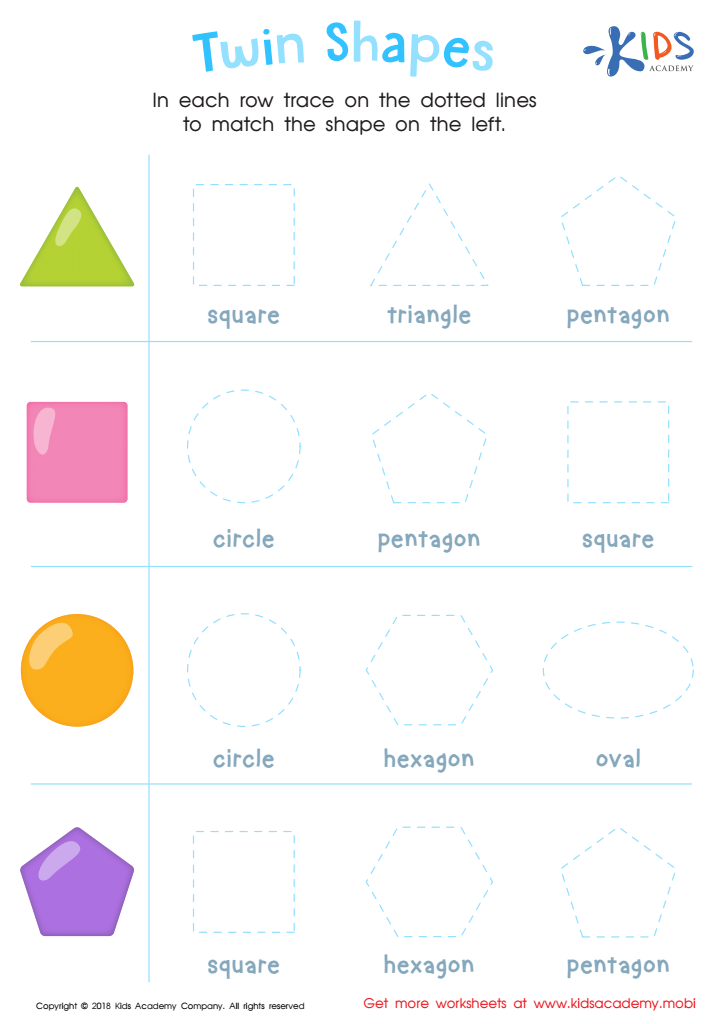
Twin Shapes Dot-to-Dot Worksheet








Shape recognition is a crucial foundational skill for children aged 3-5, as it plays a vital role in their overall cognitive development and early mathematics understanding. Engaging in activities that focus on 2D shapes not only helps children recognize and name different shapes, such as circles, squares, and triangles, but also enhances their ability to categorize, compare, and create spatial awareness.
Parents and teachers should prioritize shape recognition Extra Challenge activities because they stimulate critical thinking and problem-solving skills. When children interact with shapes through games and hands-on learning, they develop coordination and fine motor skills as they manipulate physical objects. These activities can be woven into daily routines, making learning fun and interactive. Moreover, exposure to shapes fosters creativity; as children create their own shapes or patterns, they build an understanding of geometry that they will carry into more advanced math concepts as they grow.
Additionally, mastering shape recognition supports language development, as children learn to articulate their observations and describe shapes positively. This early skill forms the basis for future academic success, making shape recognition Extra Challenge activities an essential and valuable part of early childhood education. Parents and teachers working together on these fun activities can enrich the learning experience and encourage a love for learning in young children.