Counting skills Extra Challenge Numbers Worksheets for Ages 3-5
22 filtered results
-
From - To
Enhance your child's counting skills with our "Extra Challenge Numbers Worksheets" designed specifically for ages 3-5. These engaging and interactive worksheets provide a fun approach to mastering numbers through unique activities that stimulate learning. With a variety of challenges, children will practice counting, number recognition, and early math concepts while enjoying vivid illustrations and playful themes. Ideal for both classroom and home use, these worksheets cater to various learning styles, helping to boost confidence and creativity in young learners. Watch your little ones thrive as they explore the exciting world of numbers in an engaging way!
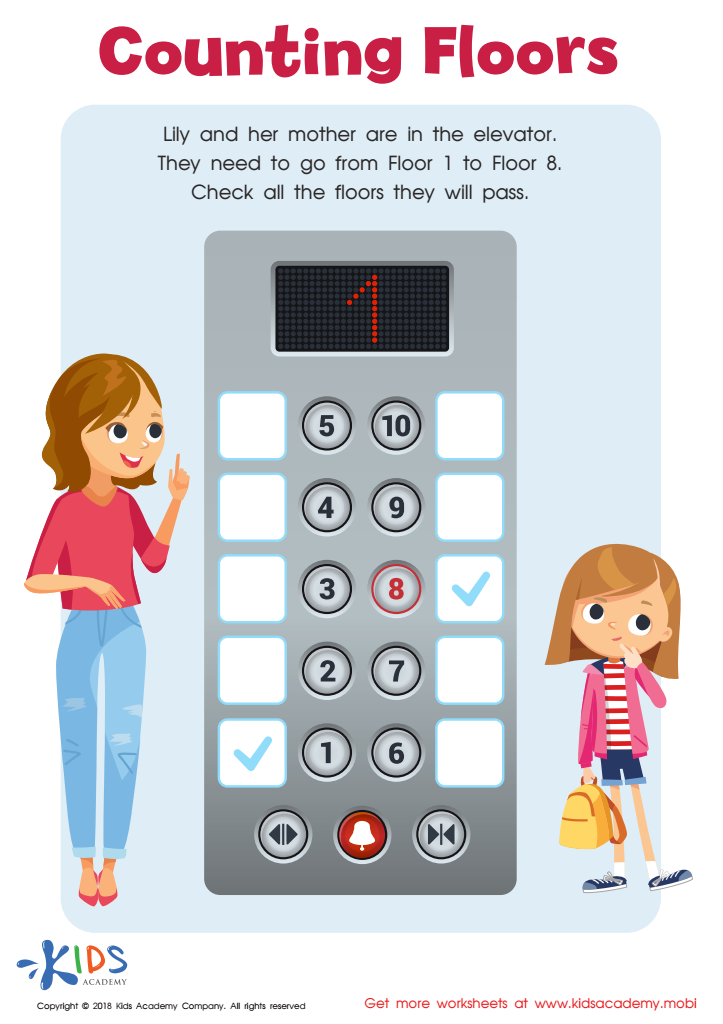
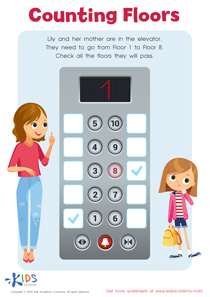
Counting Floors Worksheet
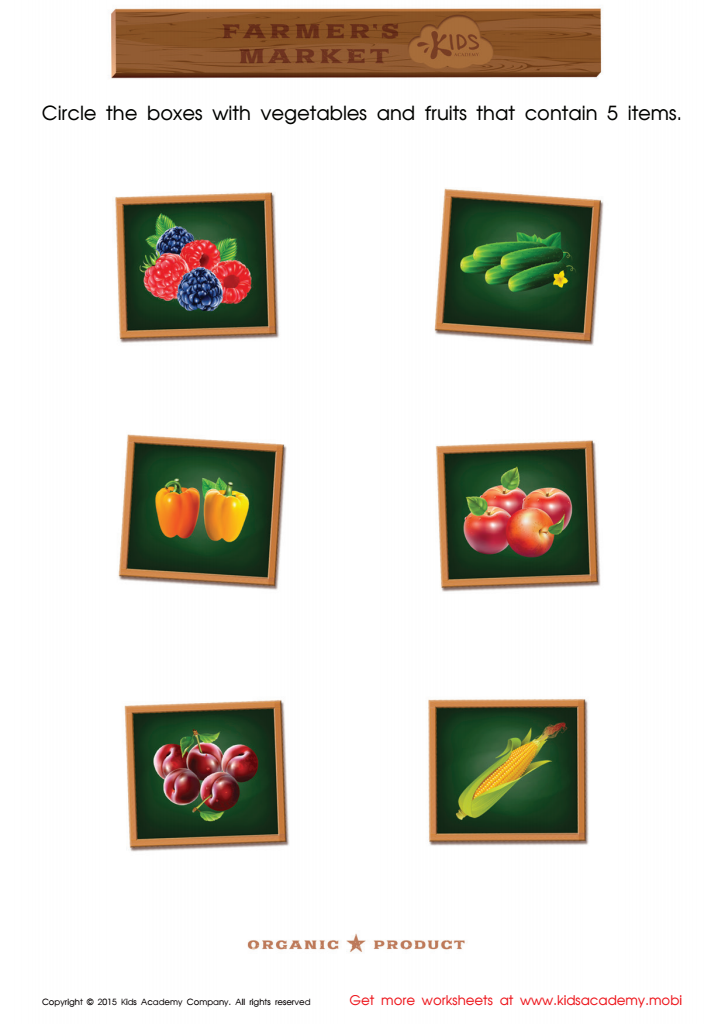
Count and Match Vegetables 1 – 7 Math Worksheet
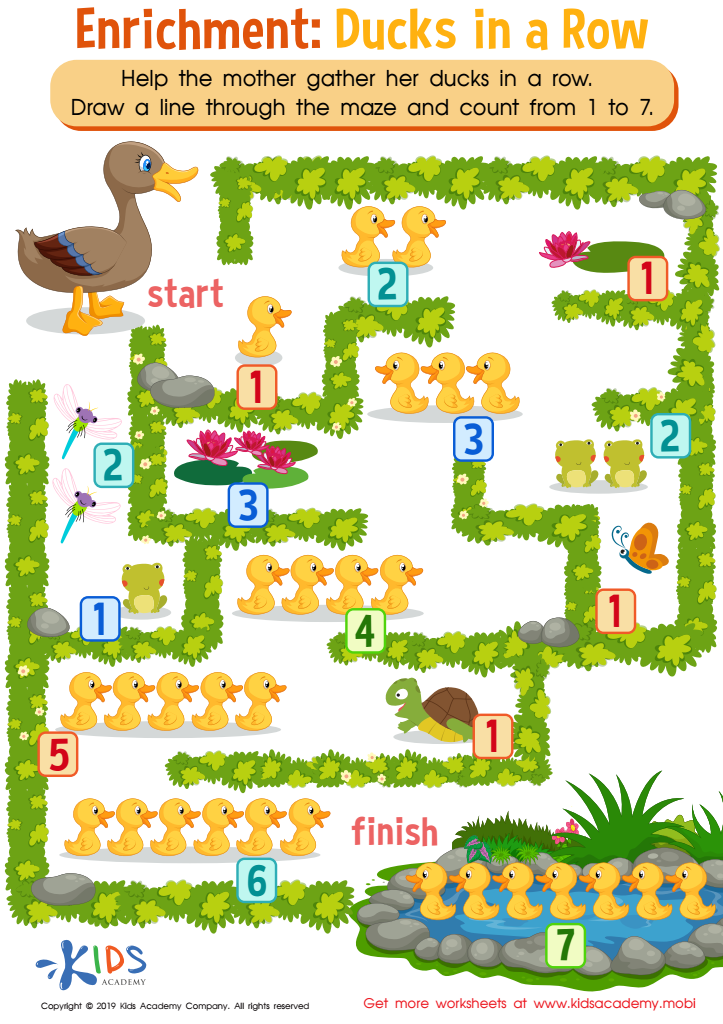
Ducks in a Row Worksheet
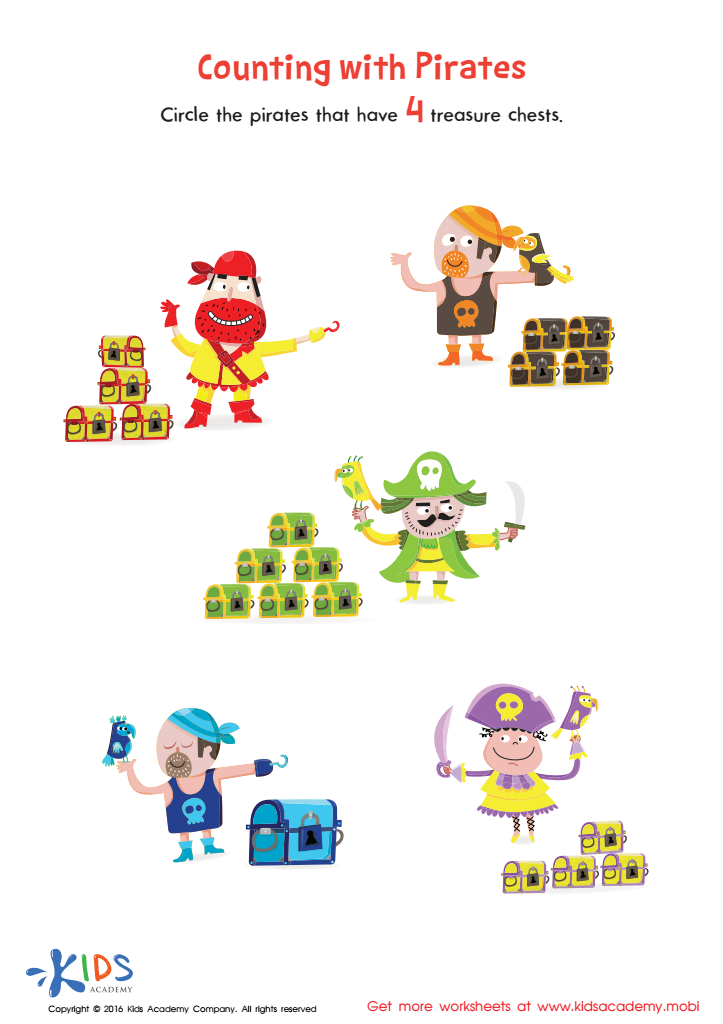
Counting With Pirates Worksheet
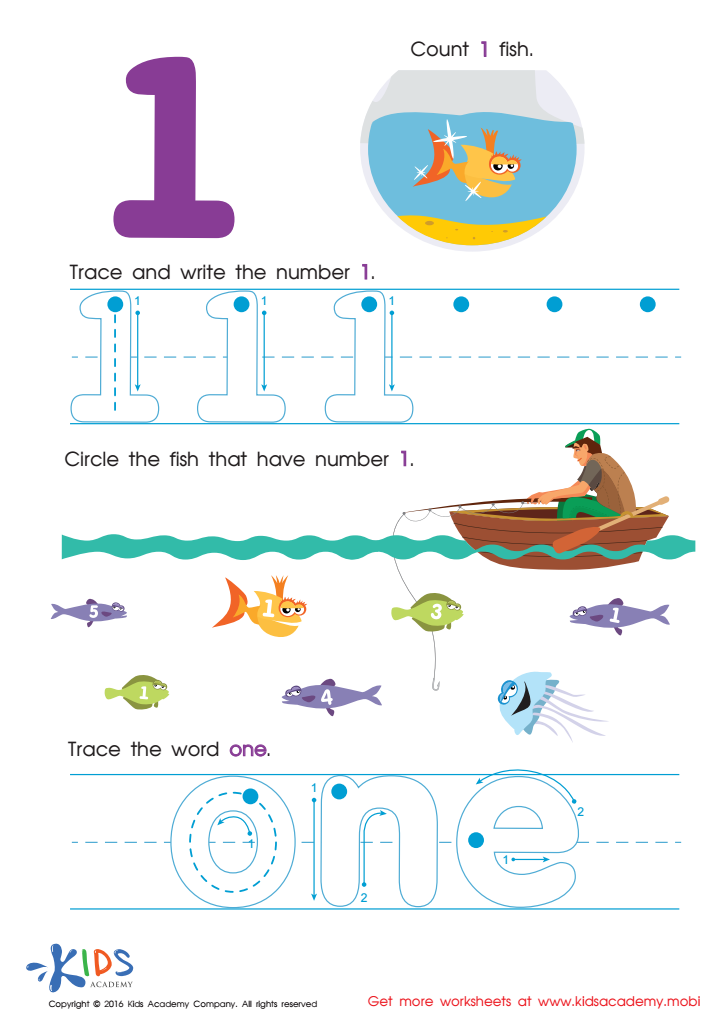
Learning to Write 1 Worksheet
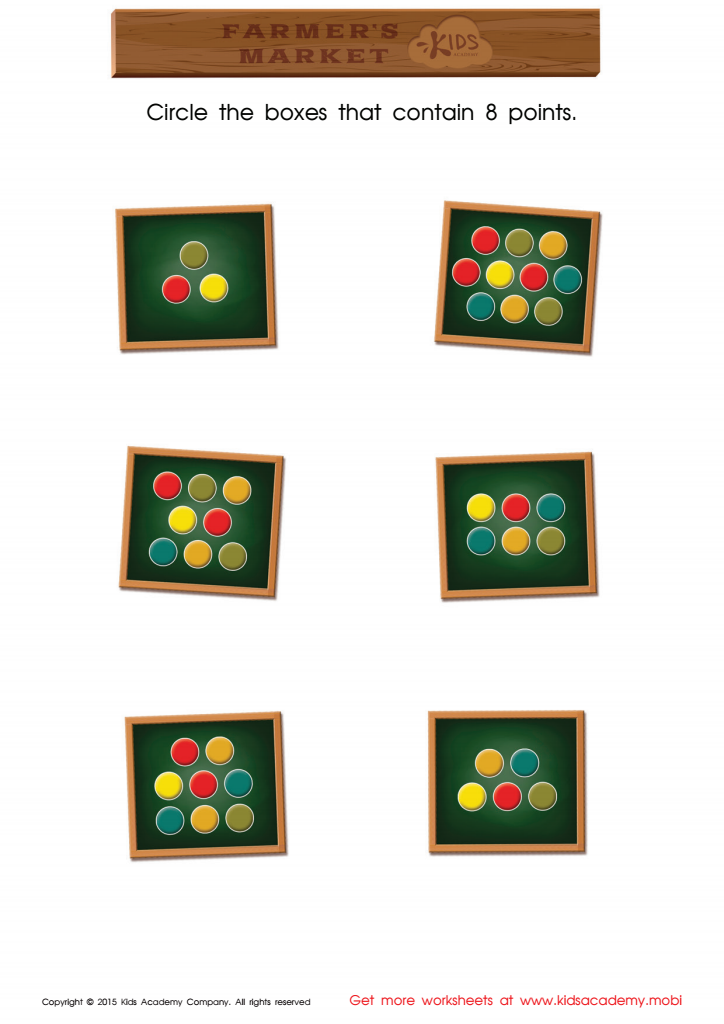
Count and Match Points 8 Math Worksheet
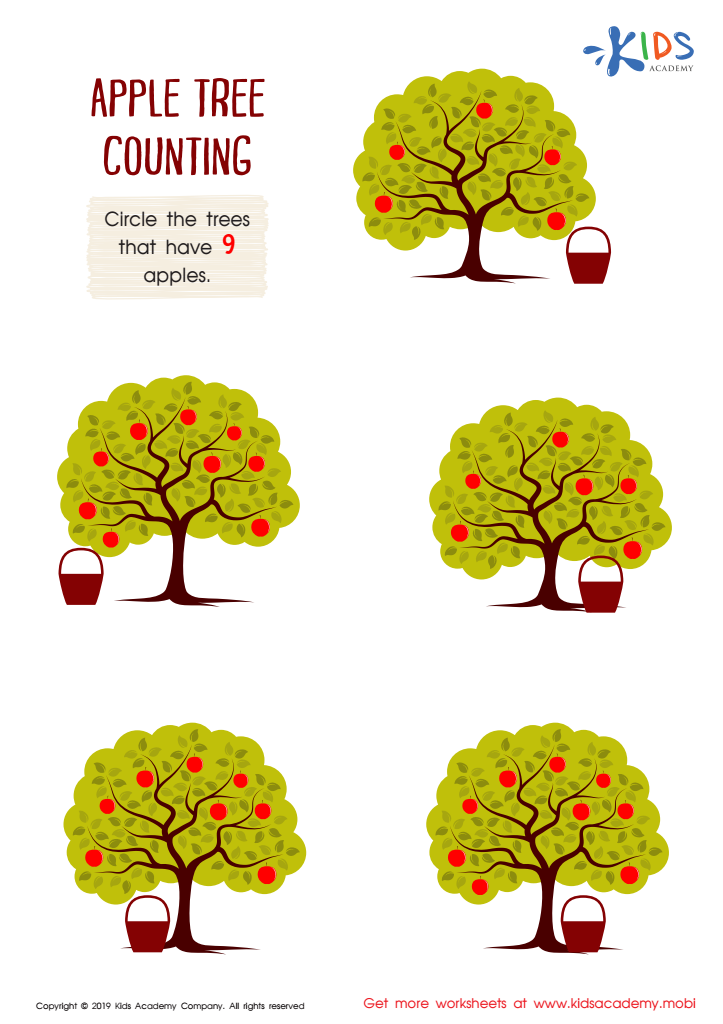
Apple Tree Counting Worksheet
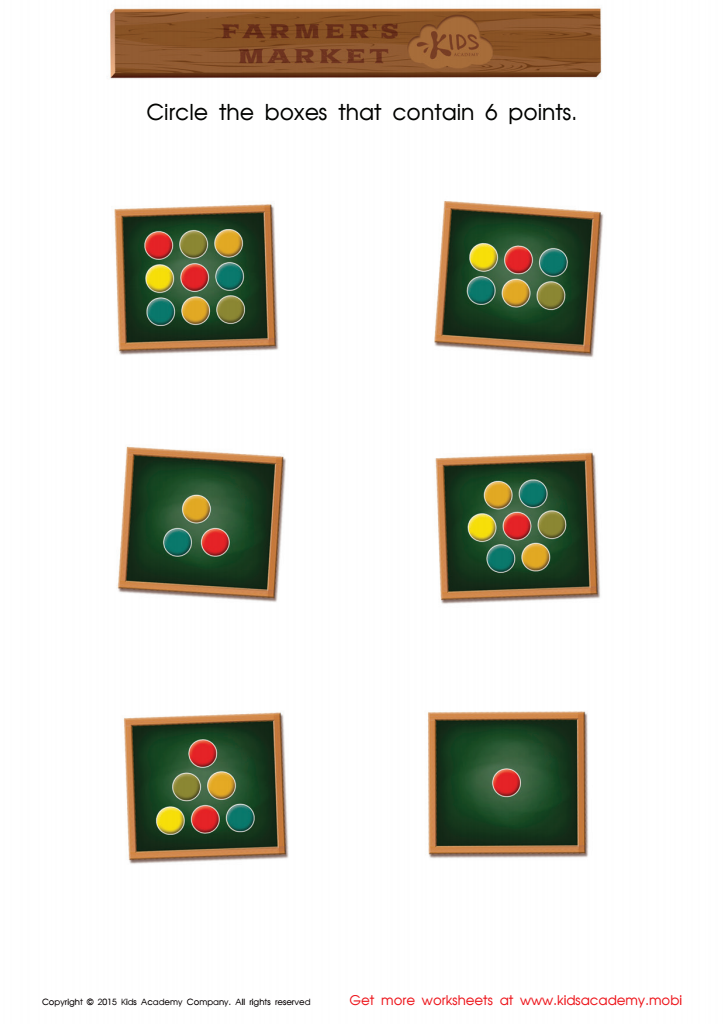
Count and Match Points 6 Math Worksheet
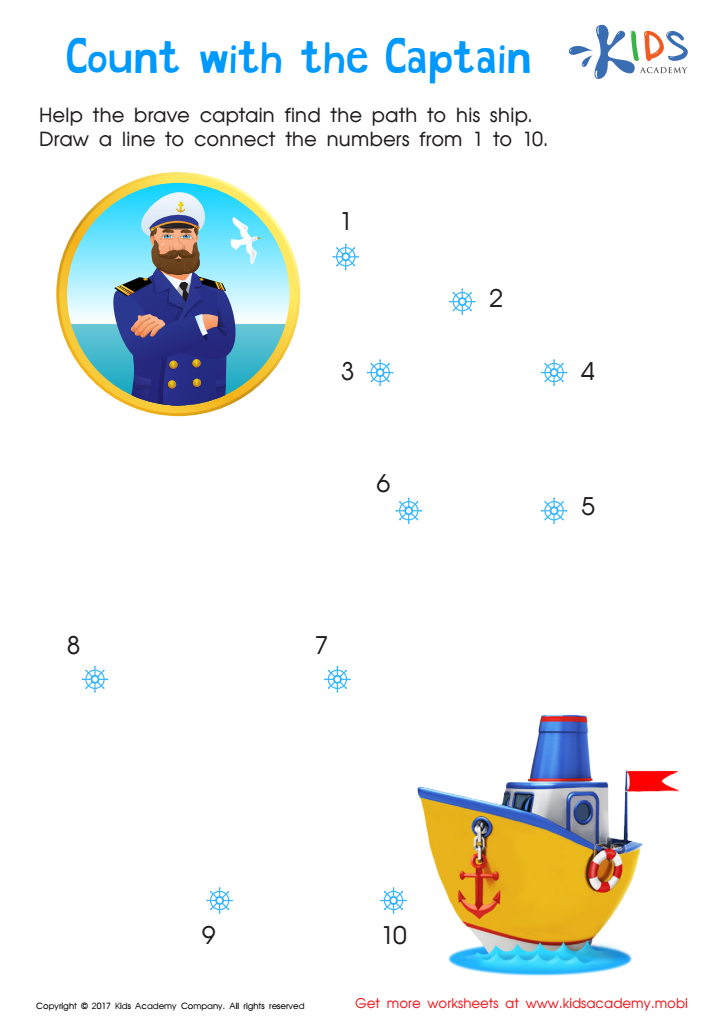
Count with the Captain Connect Dots Worksheet
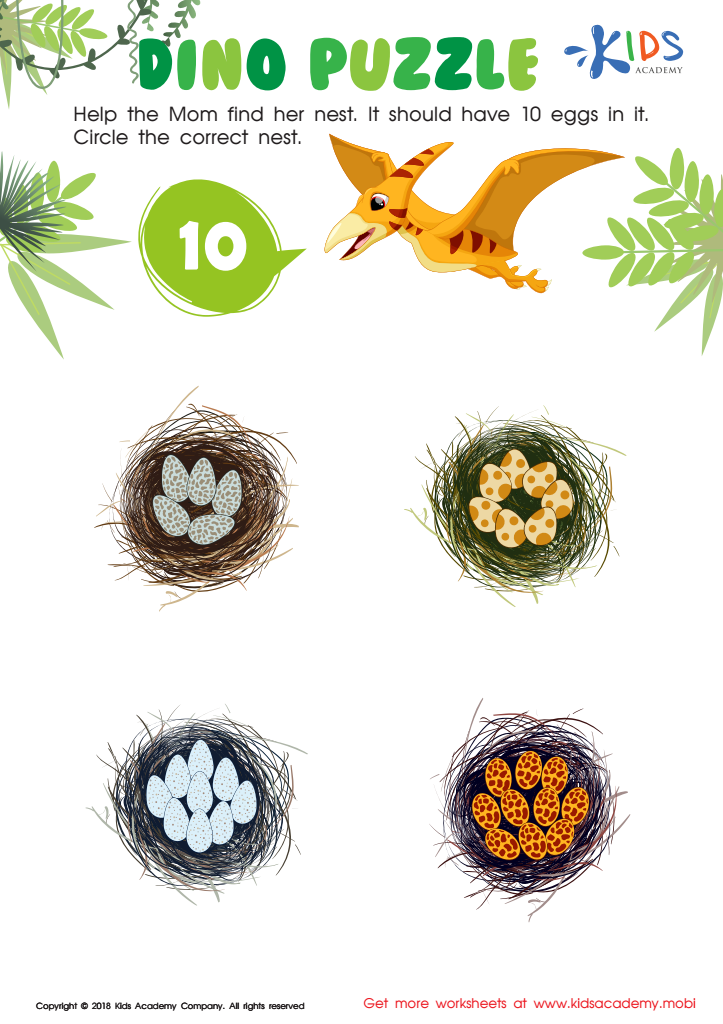
Learn Number For Kindergarten Worksheet
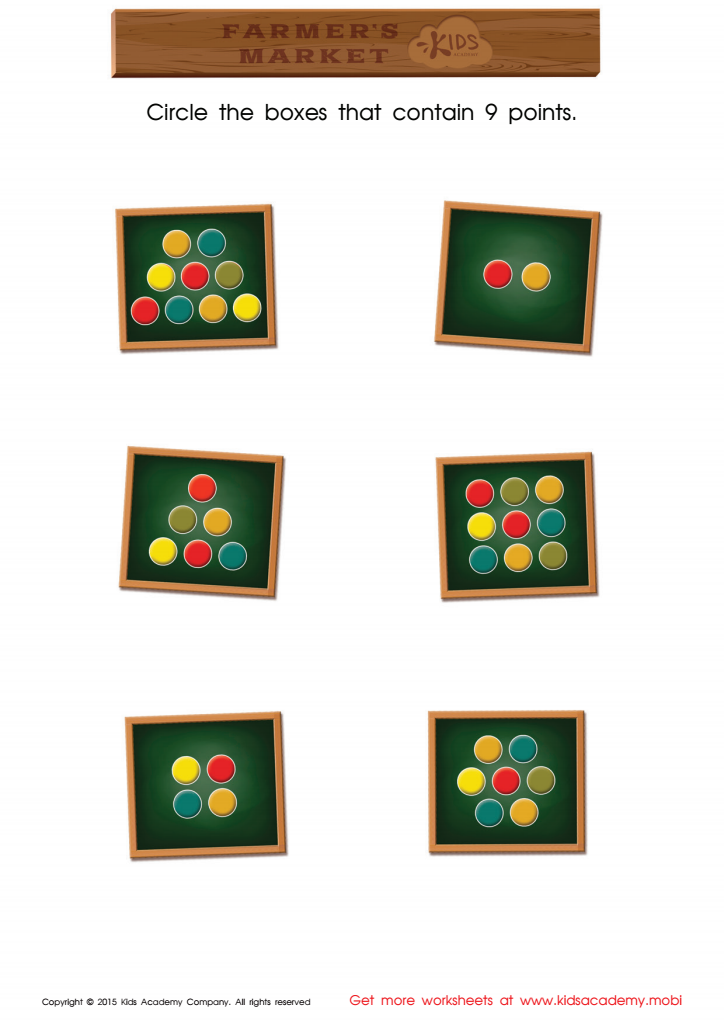
Count and Match Points 9 Math Worksheet
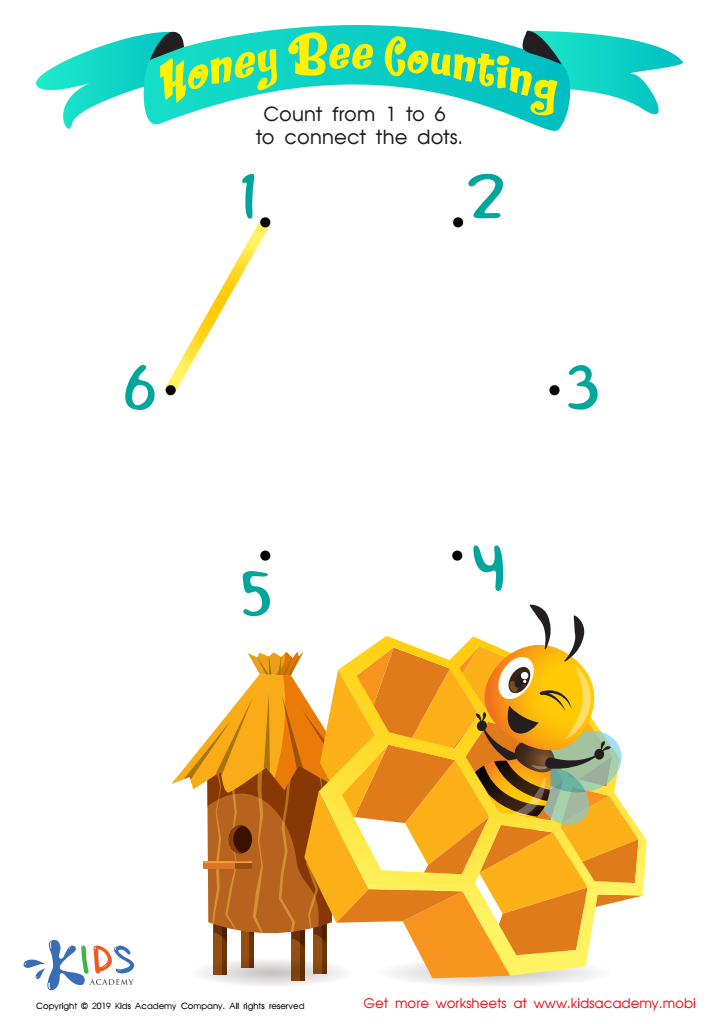
Honey Bee Counting Worksheet
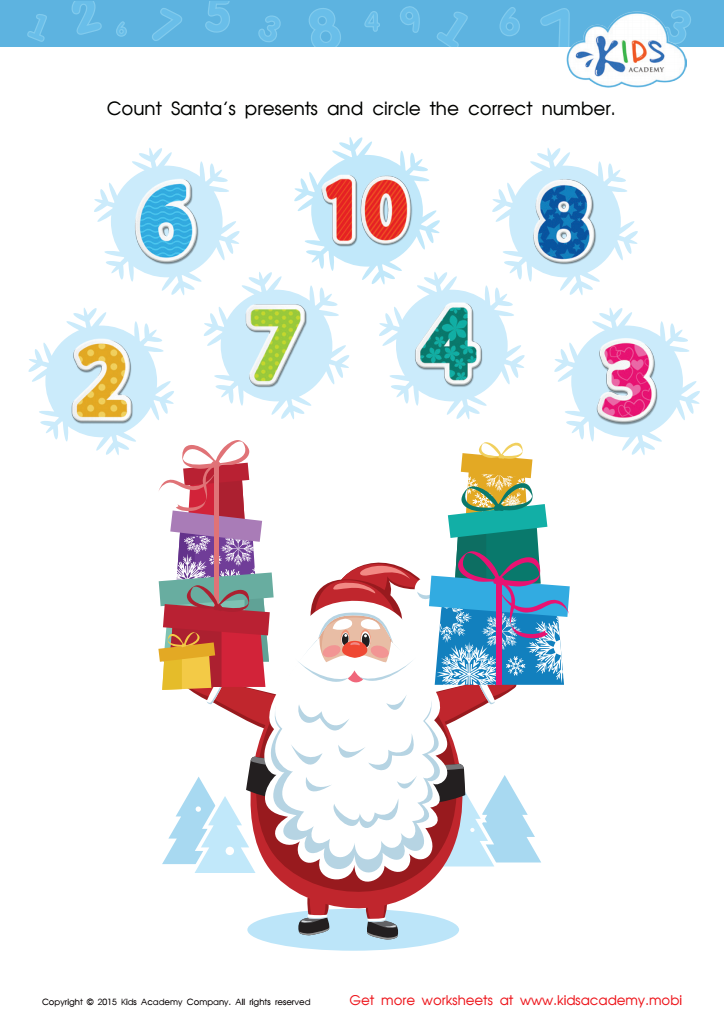
Count Santa's Presents Worksheet
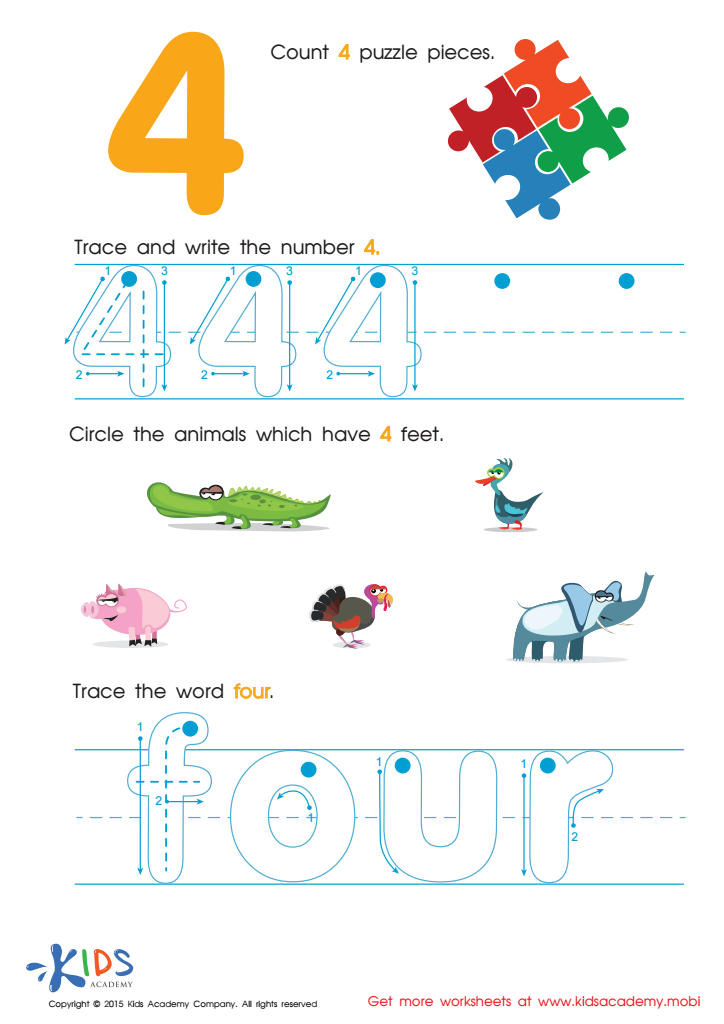
Teaching Children to Write Number 4 Worksheet
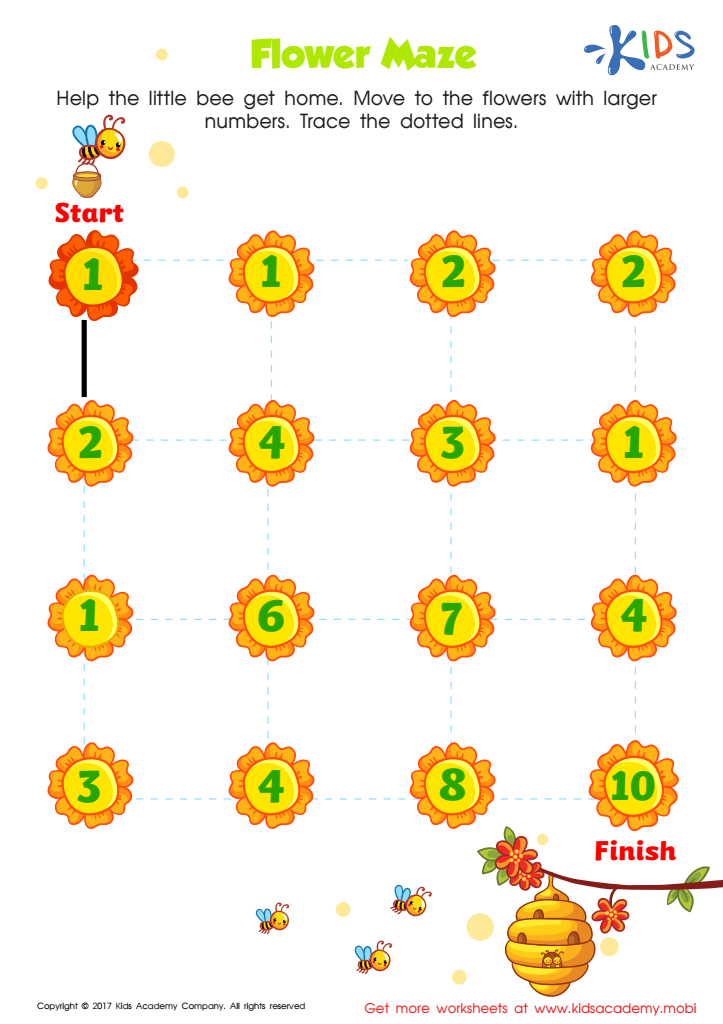
Number Maze For Kindergarten Printable
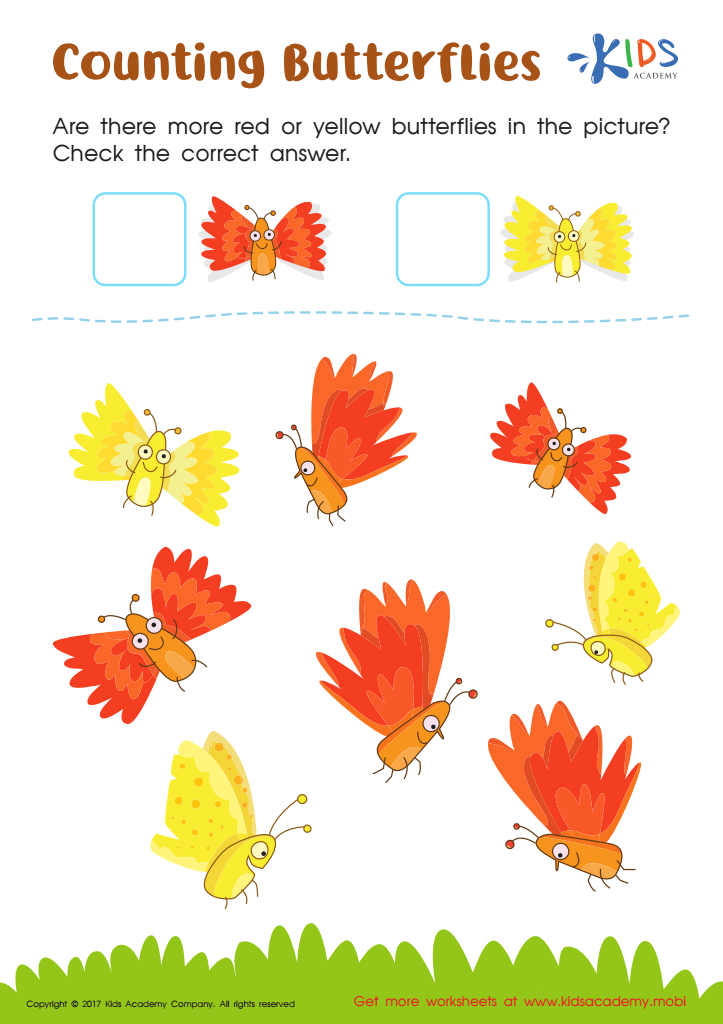
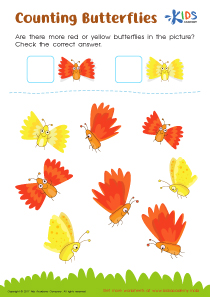
Counting Butterflies Worksheet
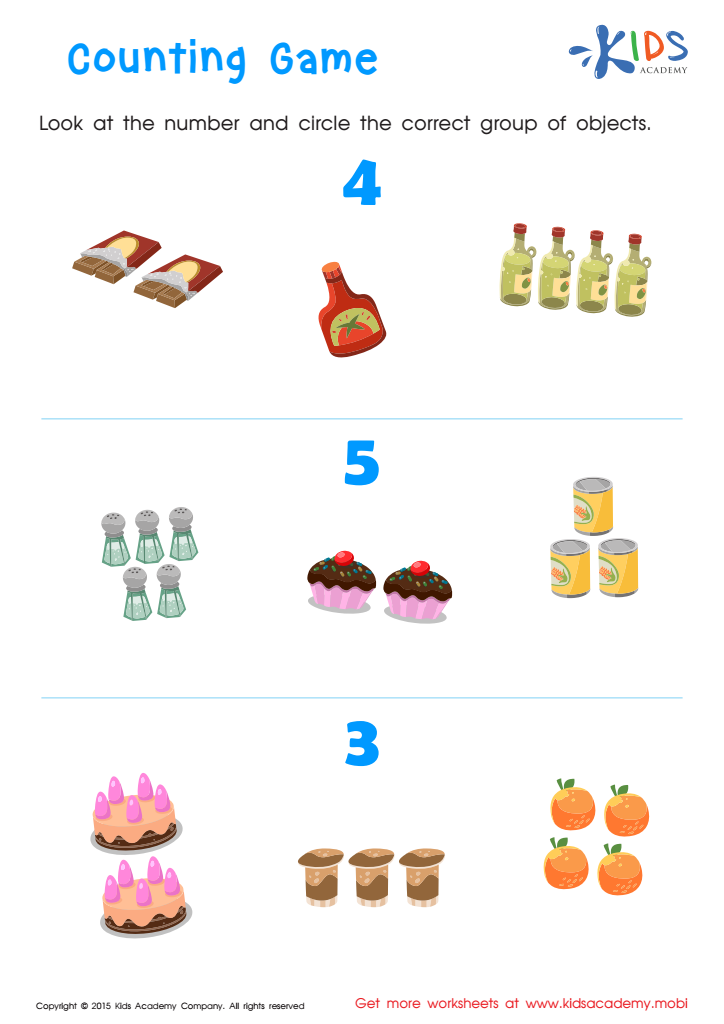
Counting Worksheet
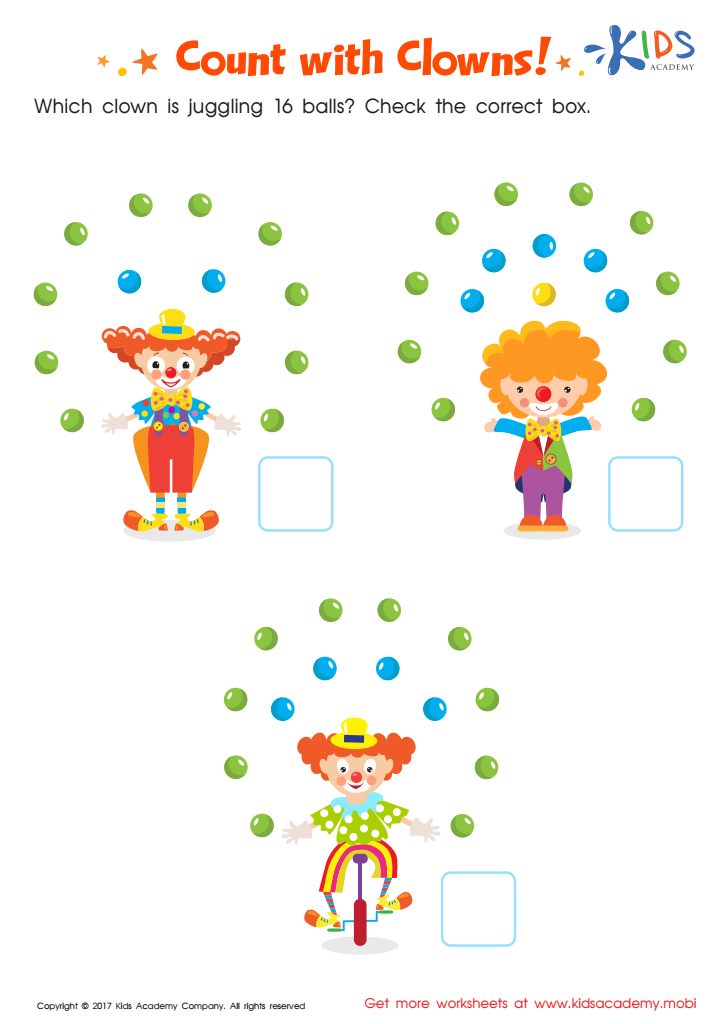
Count with Clowns Worksheet
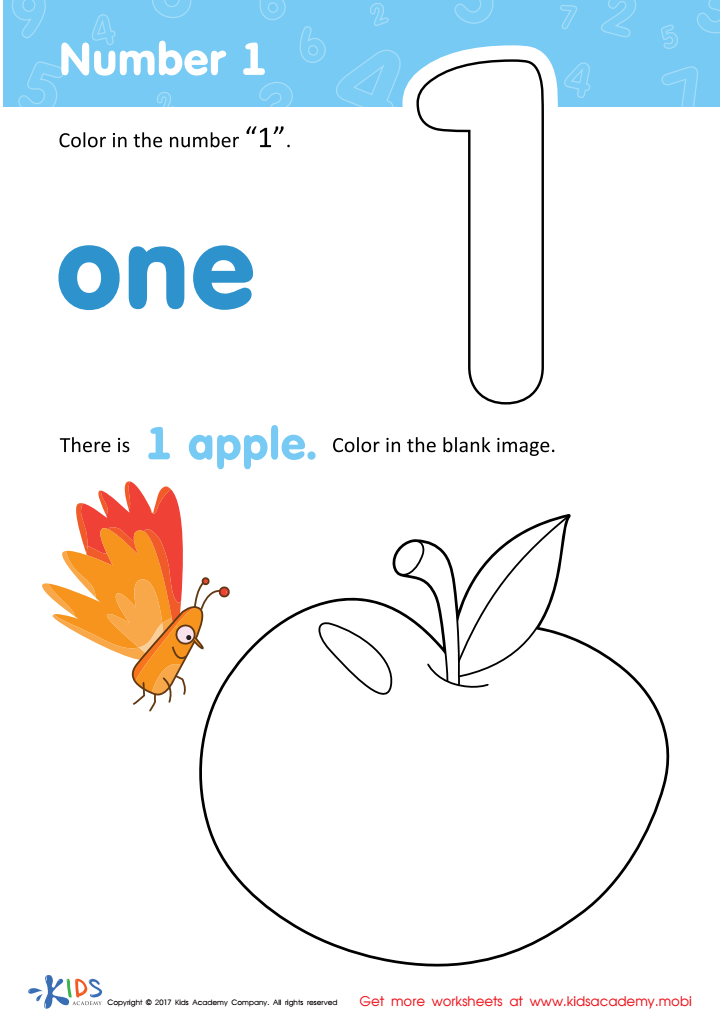
Number 1 Printable
 Assign to My Students
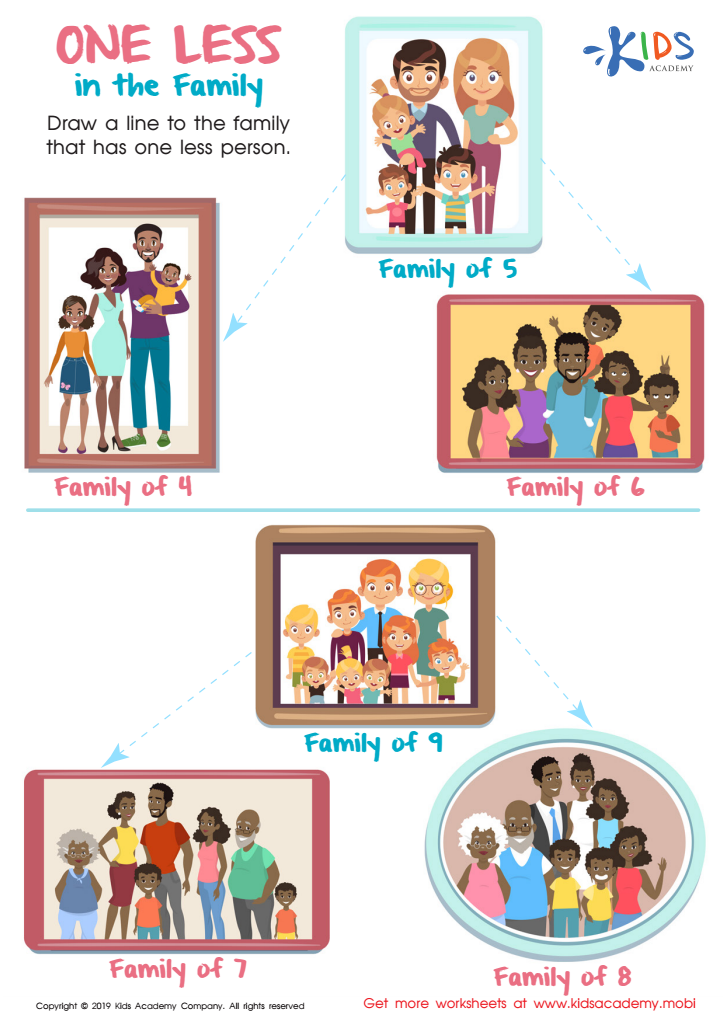
One Less in the Family Worksheet
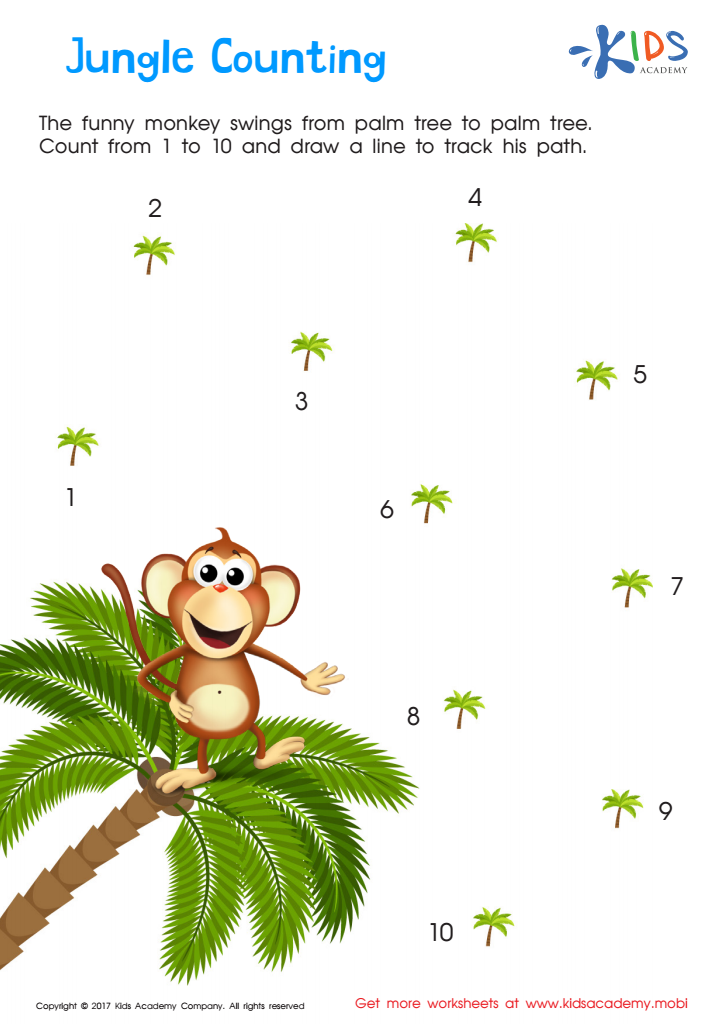
Jungle Counting Connect Dots Worksheet
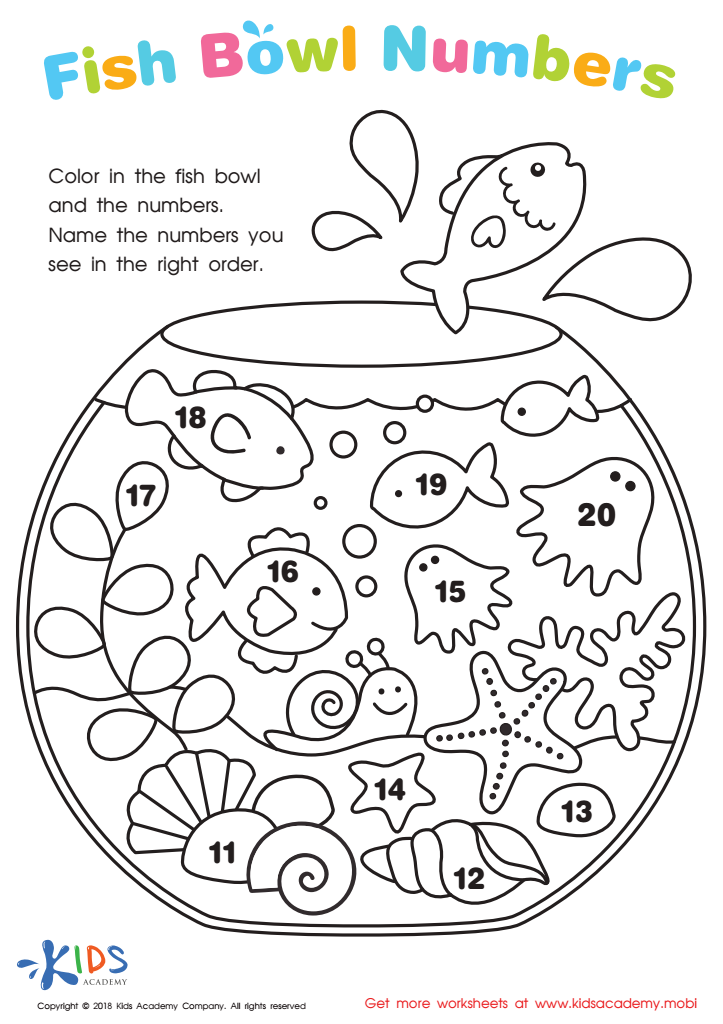
Fish Bowl Numbers Worksheet
Assign to My Students








Counting skills are foundational for young children's cognitive development, serving as the building blocks for math fluency, problem-solving, and critical thinking. For children ages 3-5, developing counting skills fosters a sense of number sense, helping them understand quantities, relationships between numbers, and the concept of one-to-one correspondence. Engaging children in counting challenges at this age not only enhances their mathematical understanding but also promotes language skills as they learn to express numerical concepts verbally.
Parents and teachers should care about counting skills, as these abilities significantly influence later academic success. Early math skills are good predictors of later achievement in math and other subjects. By introducing fun and engaging counting challenges, educators and caregivers can motivate children to explore math actively, fostering a positive attitude toward learning. Furthermore, integrating counting into everyday activities—whether through counting toys, snacks, or steps—makes learning relatable and enjoyable, reinforcing the idea that math is all around us.
Additionally, strength in counting lays the groundwork for more advanced mathematical concepts such as addition, subtraction, and beyond. Overall, nurturing counting skills in young learners is essential for their academic, social, and emotional growth, equipping them with tools for lifelong learning.