Vowel Recognition Extra Challenge Alphabet Worksheets for Ages 3-6
7 filtered results
-
From - To
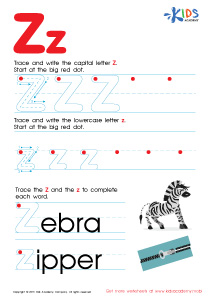
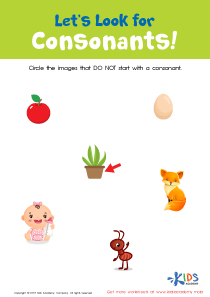
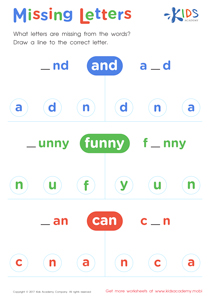
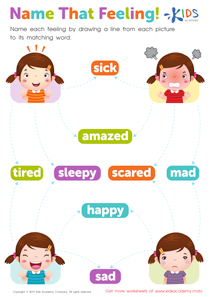
Enhance your child's learning journey with our Vowel Recognition Extra Challenge Alphabet Worksheets, designed for ages 3-6. These engaging worksheets focus on developing essential vowel recognition skills through interactive and fun activities. Perfect for preschool and kindergarten-aged children, each worksheet features colorful illustrations and challenging tasks that keep little learners motivated. These exercises promote early literacy and comprehension, helping kids identify and pronounce vowels with confidence. Ideal for homeschooling or supplementary practice, our worksheets adapt to various learning styles and encourage independent exploration. Discover the joy of learning with our thoughtfully crafted materials, fostering a strong foundation for reading success!
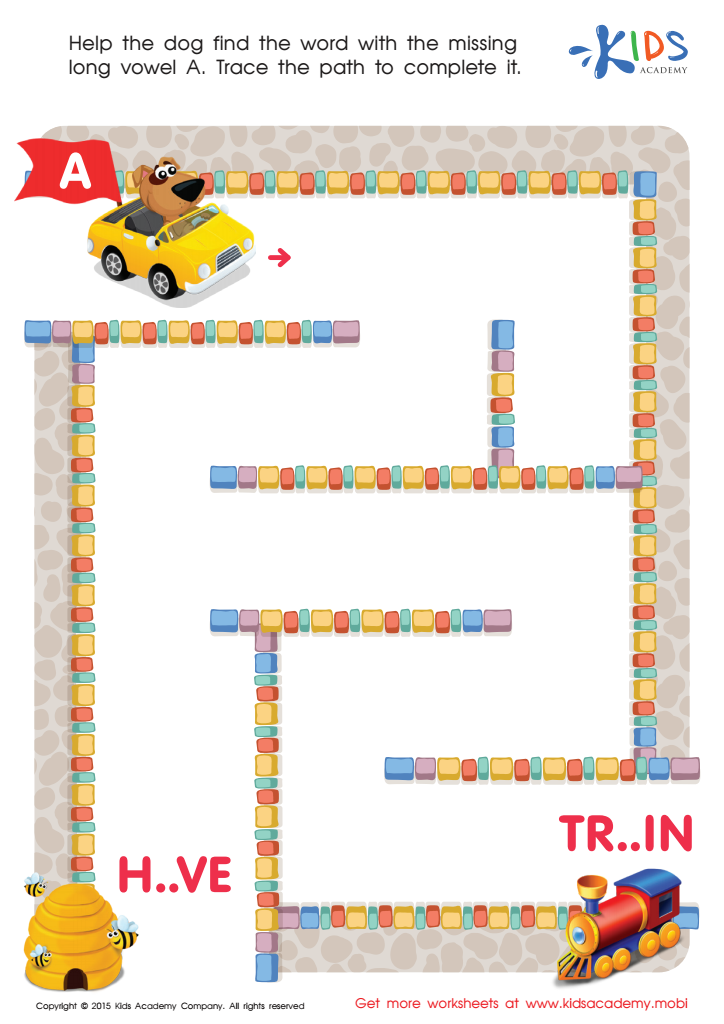
Long Vowel Sound A Worksheet
 Assign to My Students
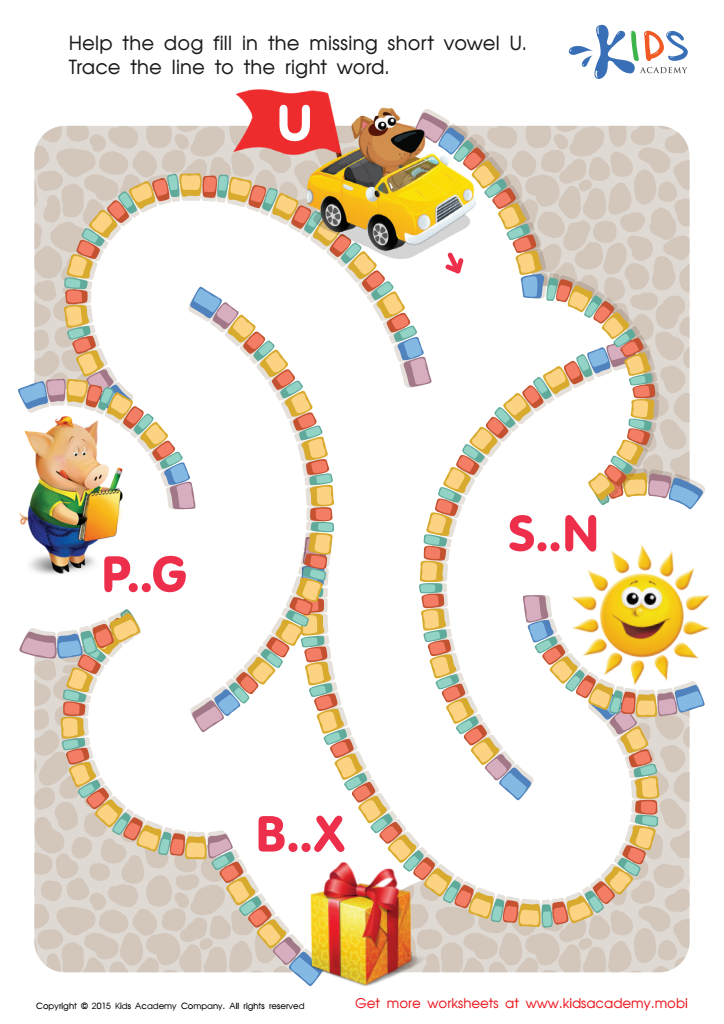
Short Vowel Sound U Worksheet
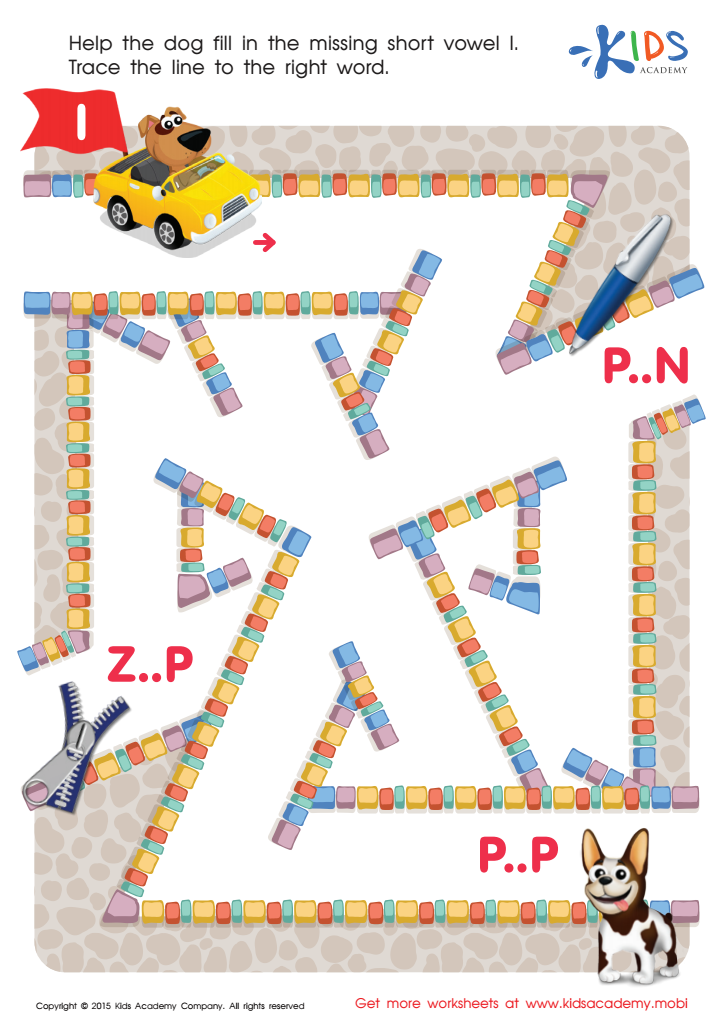
Short Vowel Sound I Worksheet
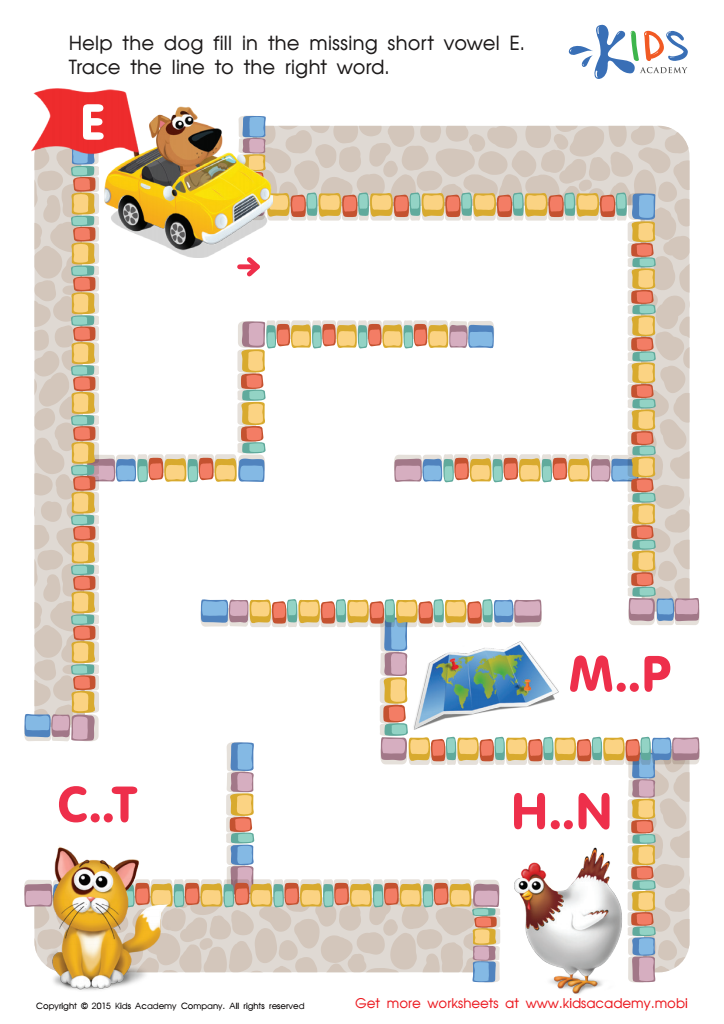
Short Vowel Sound E Worksheet
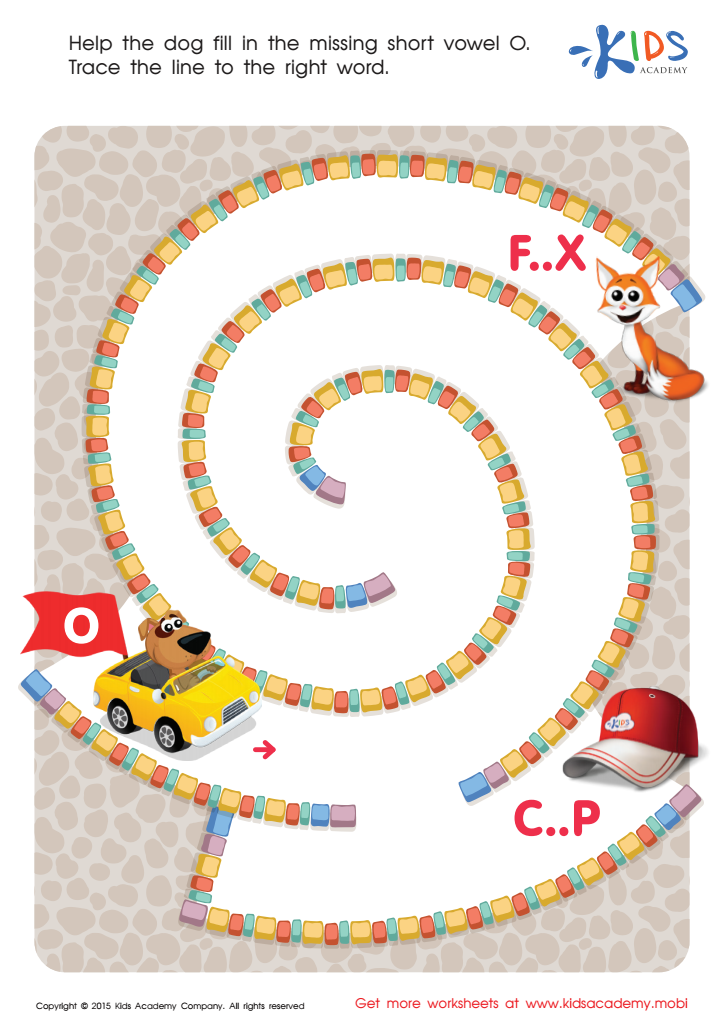
Short Vowel Sound O Worksheet
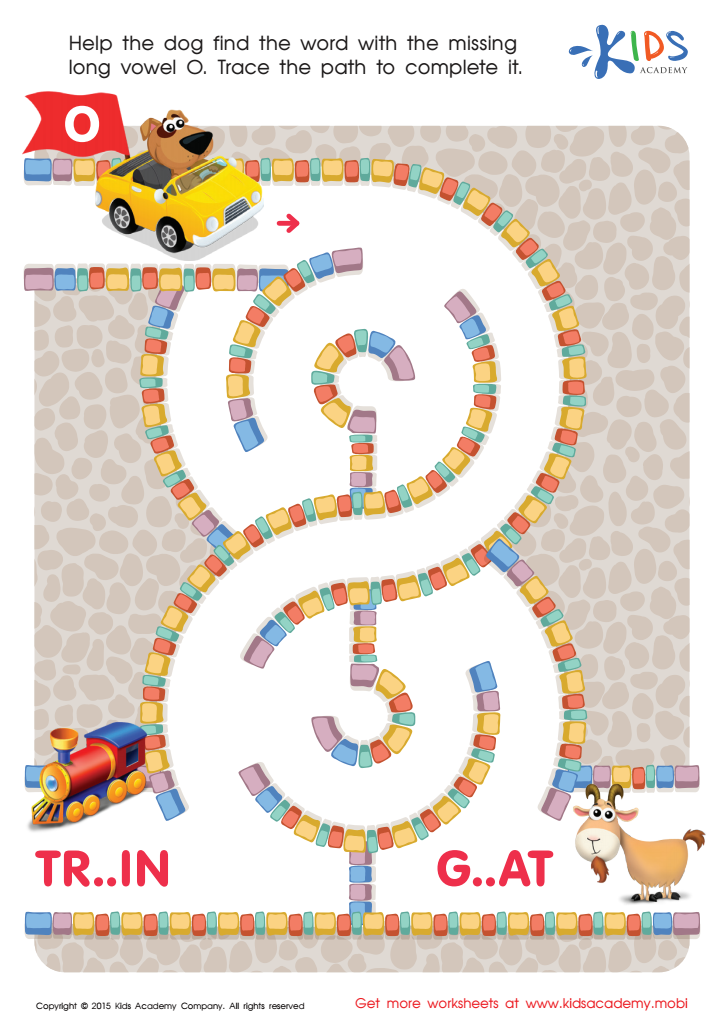
Long Vowel Sound O Worksheet
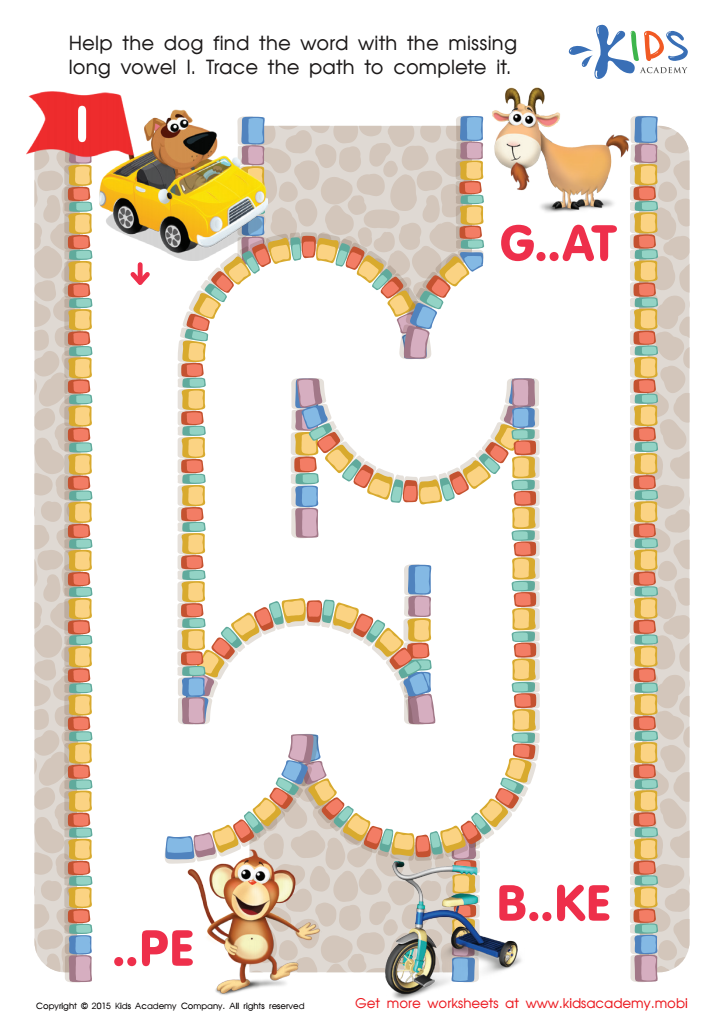
Long Vowel Sound I Worksheet







Vowel recognition is a crucial foundational skill for young learners, particularly those aged 3-6. Understanding vowels is imperative as they play a significant role in language development and reading proficiency. The Vowel Recognition Extra Challenge teaches children to identify, distinguish, and comprehend the importance of vowels in various words, setting the stage for future literacy successes.
For parents and teachers, fostering these skills early is essential. Vowels are the building blocks of communication; they are found in nearly every word. Recognizing vowels can enhance phonemic awareness, leading to better spelling, reading fluency, and overall language comprehension. As children become confident in their vowel knowledge, they are likely to experience increased self-esteem and motivation in their learning.
Moreover, engaging with Vowel Recognition activities can make learning fun and interactive. By using creative methods like games or songs, educators and parents can help children develop a love for language and an eagerness to read. Investing time and effort into mastering vowel recognition can yield significant long-term benefits, including improved academic performance, stronger vocabulary, and enhanced writing skills. Thus, creators of phonics programs, parents, and teachers should prioritize vowel recognition as a key component of early childhood education.