Alphabet Recognition Extra Challenge Worksheets for Ages 3-6
6 filtered results
-
From - To
Boost your child's alphabet recognition skills with our engaging Alphabet Recognition Extra Challenge Worksheets, designed for ages 3-6! These worksheets offer a fun and interactive way to reinforce letter identification, enhance vocabulary, and improve handwriting. Each worksheet features vibrant illustrations and creative activities that keep young learners motivated while they explore the alphabet. From matching letters to completing letter patterns, our extra challenge worksheets provide varied difficulties to cater to different learning levels. Perfect for home or classroom use, these resources are ideal for preparing children for reading and writing success. Download now and watch your child thrive in their literacy journey!
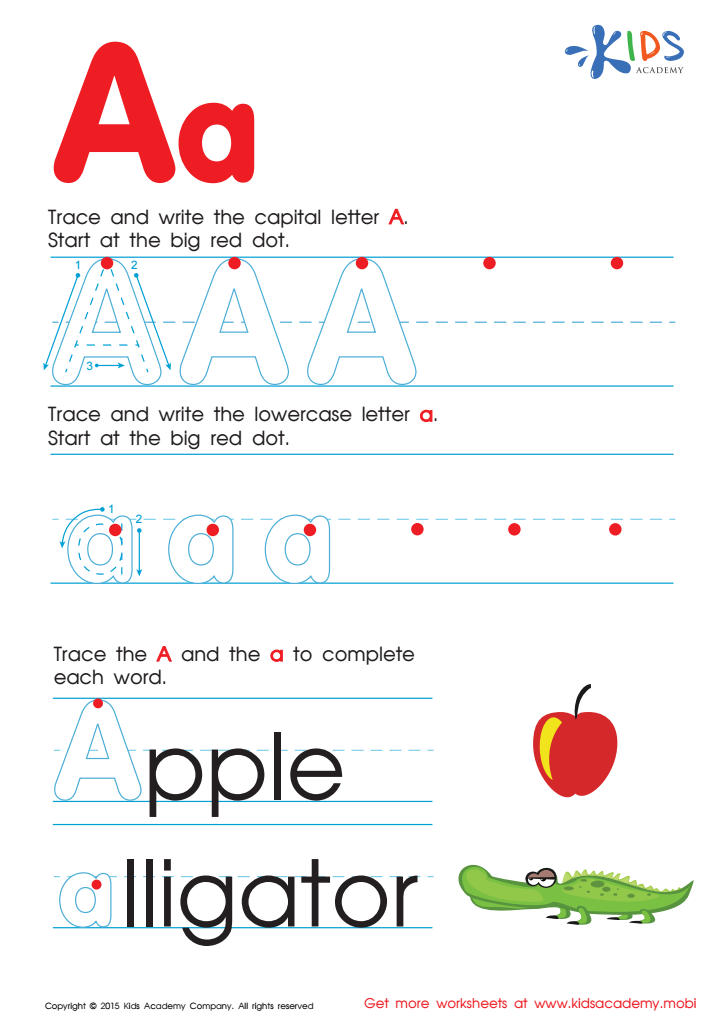
Letter A Tracing Page
 Assign to My Students
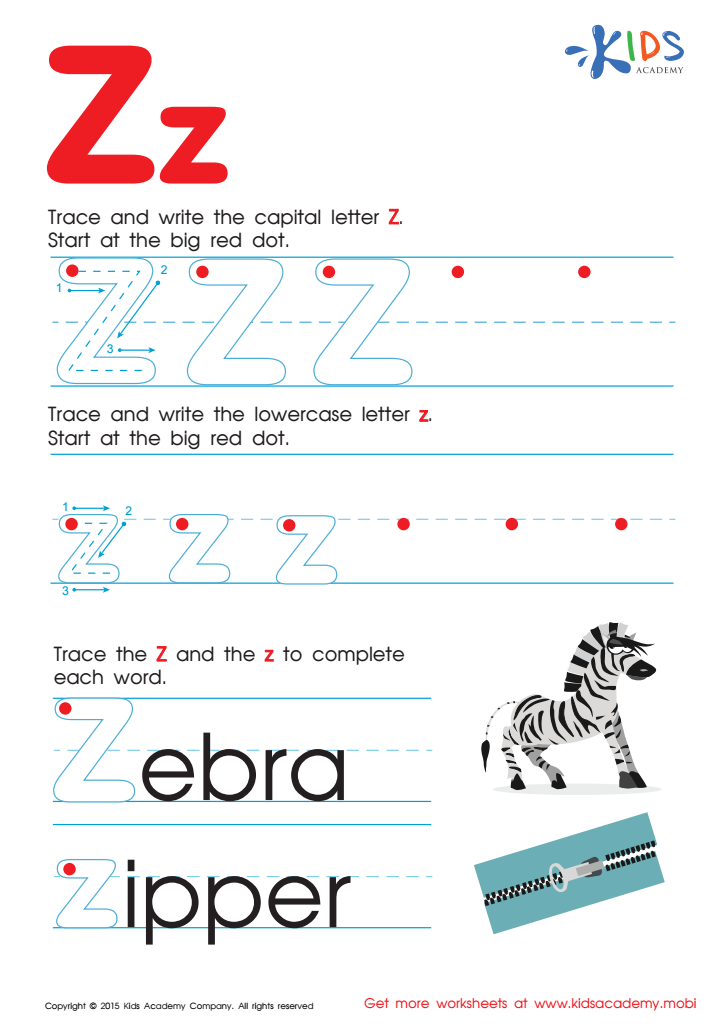
Letter Z Tracing Page
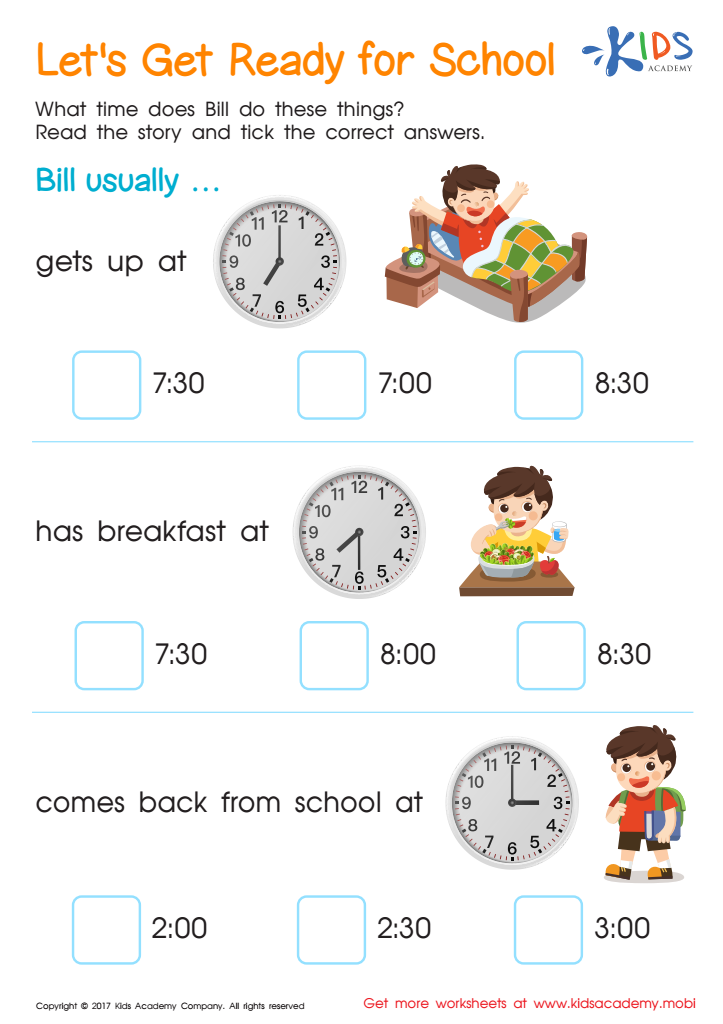
Lets Get Ready For School Time Printable
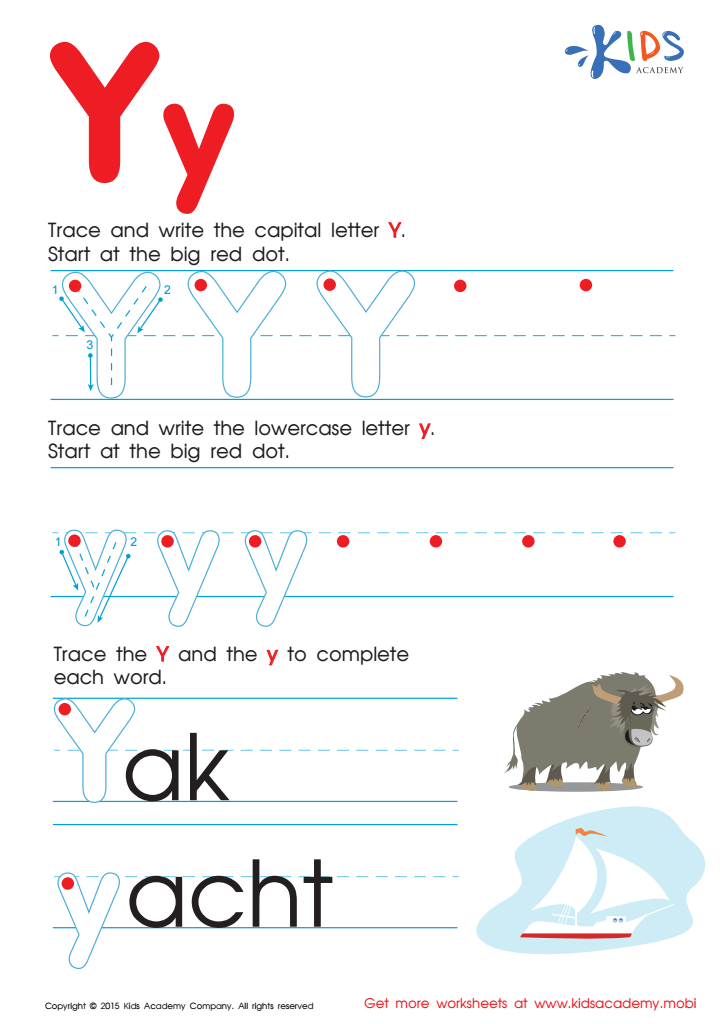
Letter Y Tracing Page
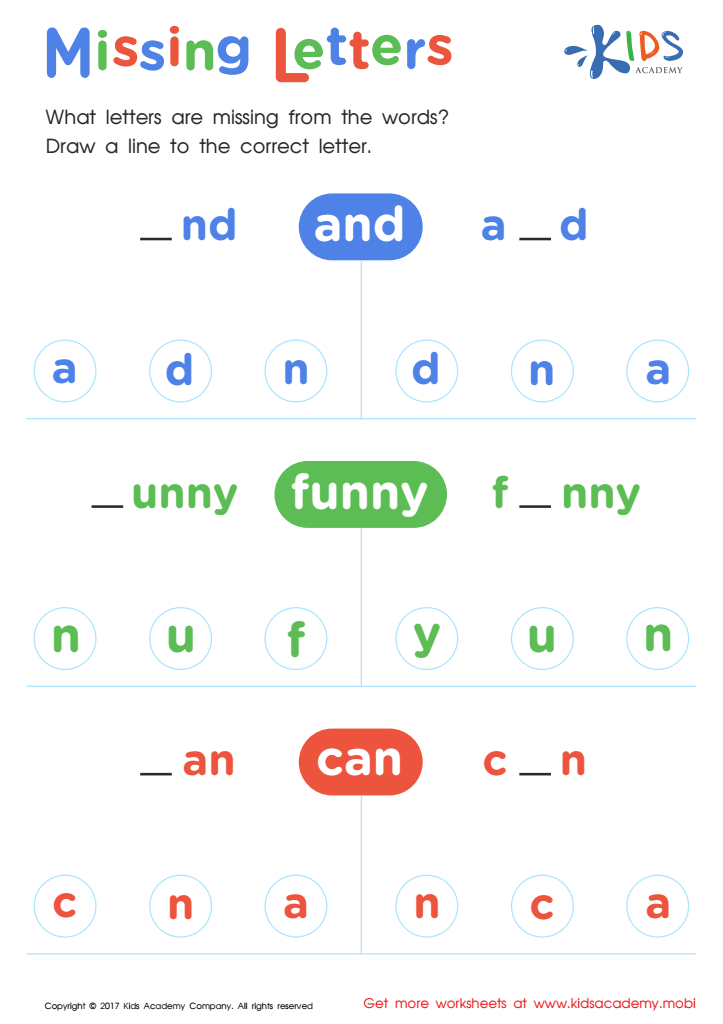
Missing Letters Worksheet
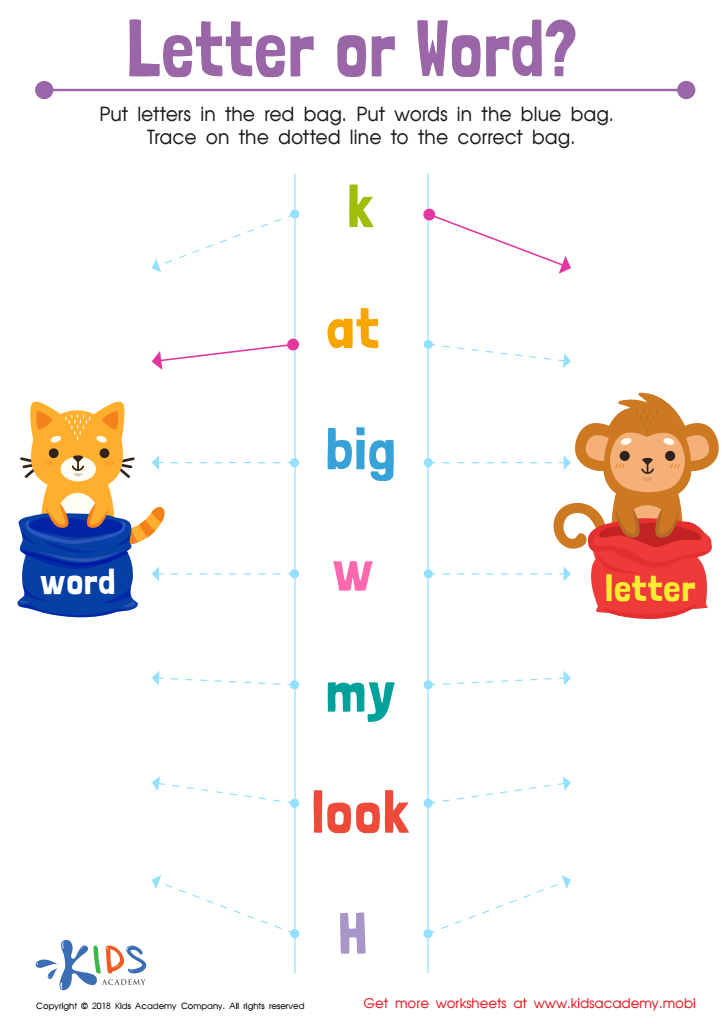
Letter or Word? Worksheet







Alphabet recognition is a fundamental skill that forms the basis for literacy and future academic success. For children aged 3-6, the ability to identify and understand letters is crucial as they begin their educational journey. The Alphabet Recognition Extra Challenge engages young learners by offering creative and interactive activities that make learning fun and effective.
Parents and teachers should care about this challenge because early literacy skills significantly impact long-term educational outcomes. Mastery of alphabet recognition fosters phonemic awareness, reading proficiency, and communication skills. Engaging children through this challenge encourages confident learners who develop a love for reading from a young age. This not only enhances their cognitive development but also boosts their social skills as they collaborate and share ideas during group activities.
Furthermore, in today's digital age, literacy is intertwined with technology and information processing. By prioritizing alphabet recognition, parents and teachers prepare children to navigate a world that increasingly demands robust literacy skills. Involvement in such challenges cultivates parental support, reinforces classroom learning, and creates a holistic approach to education. Ultimately, fostering alphabet recognition in early learners sets the foundation for lifelong learning and success.








