Color recognition Extra Challenge Worksheets for Ages 3-6
9 filtered results
-
From - To
Unlock your child's artistic potential with our Color Recognition Extra Challenge Worksheets, designed specifically for ages 3-6! These engaging worksheets provide a fun and interactive way for young learners to develop their color identification and matching skills. Each worksheet is thoughtfully crafted to differ in complexity, catering to various learning levels while keeping children entertained. Through vibrant illustrations and imaginative activities, kids will enhance their visual recognition and comprehension of colors. Encourage creativity and foster a love for learning with these educational tools! Perfect for homeschooling, early education centers, or just fun at home, these worksheets are a fantastic resource for every young learner.
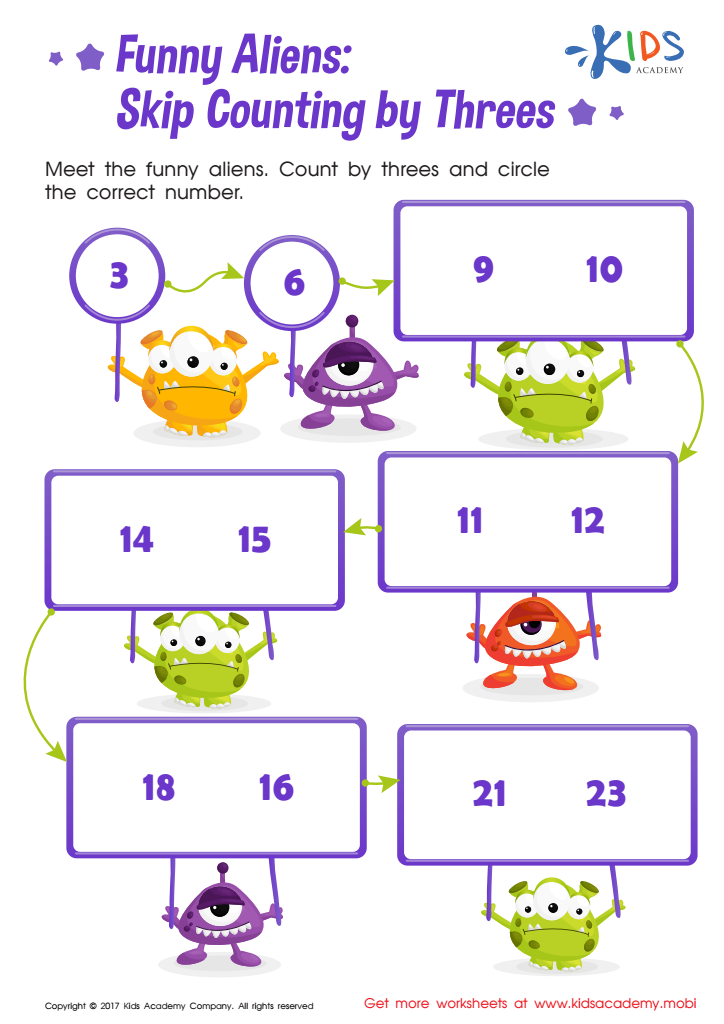
Skip Counting by 3s: Funny Aliens Printable
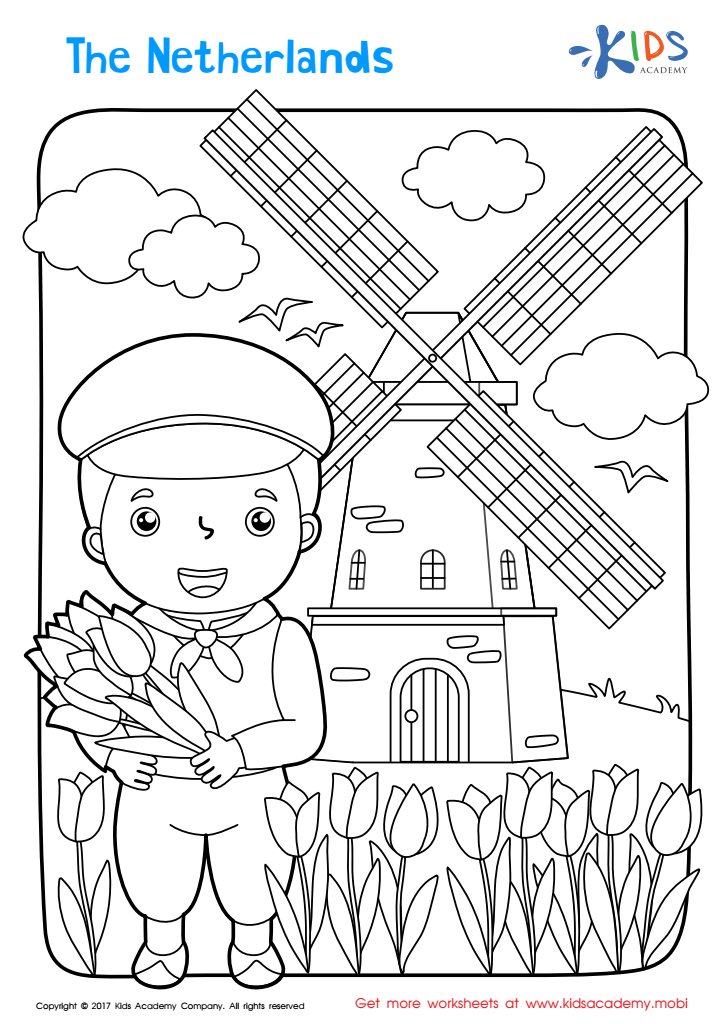
The Netherlands Printable
 Assign to My Students
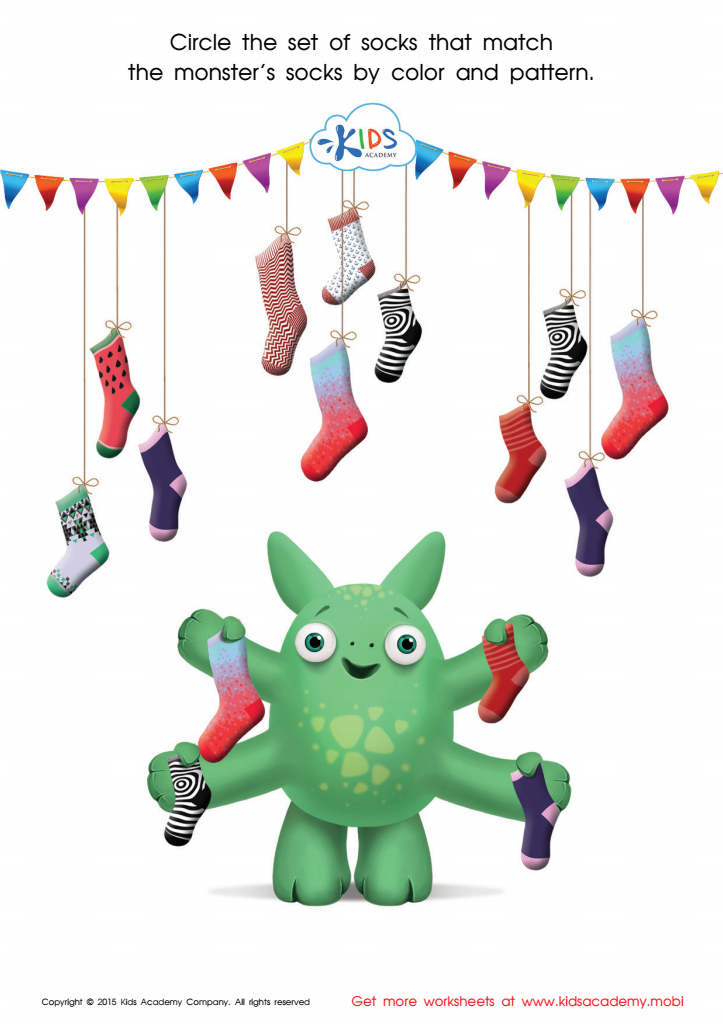
Sort the Monster's Socks Worksheet
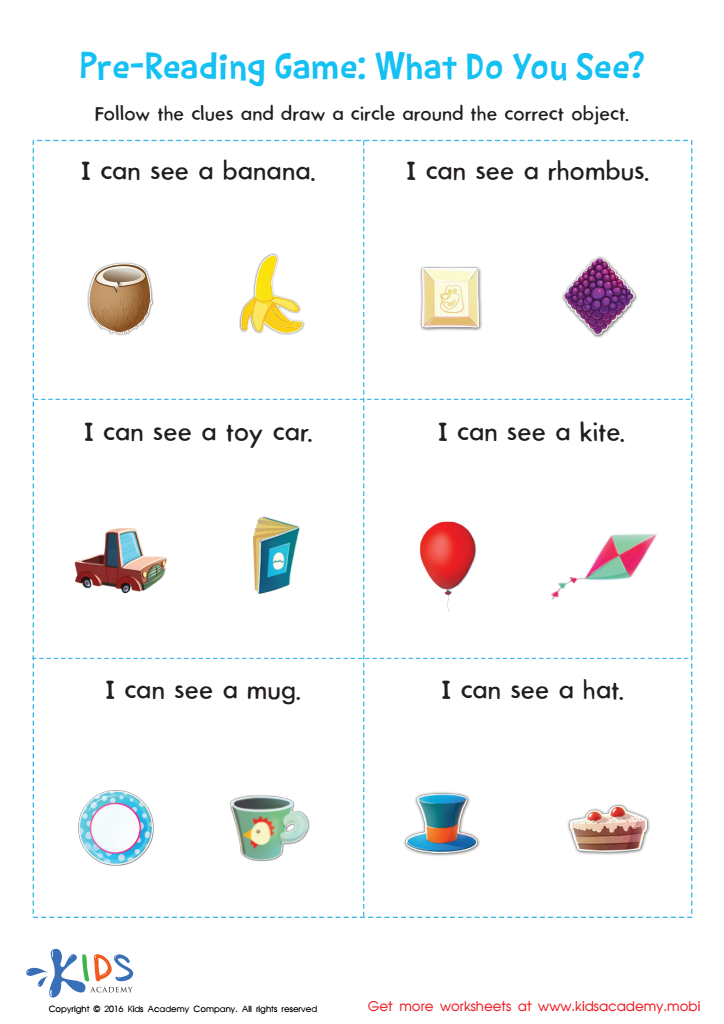
Pre–reading Worksheet: What Do You See?

Santa Claus Tracing Winter Words Worksheet
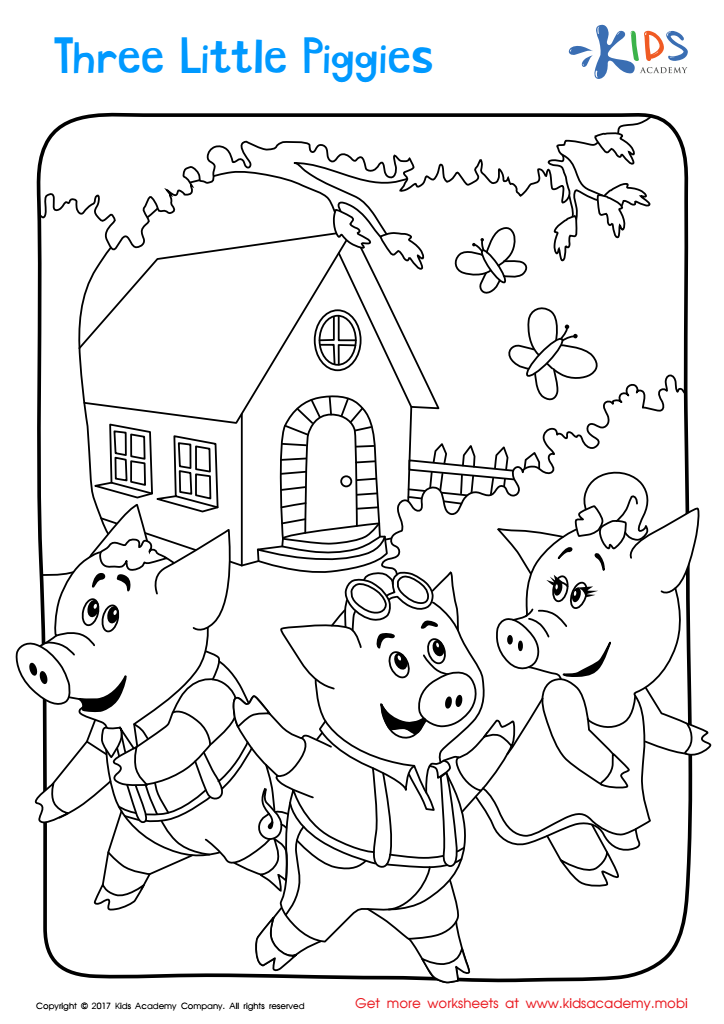
Three Little Piggies Printable Coloring Page
Assign to My Students
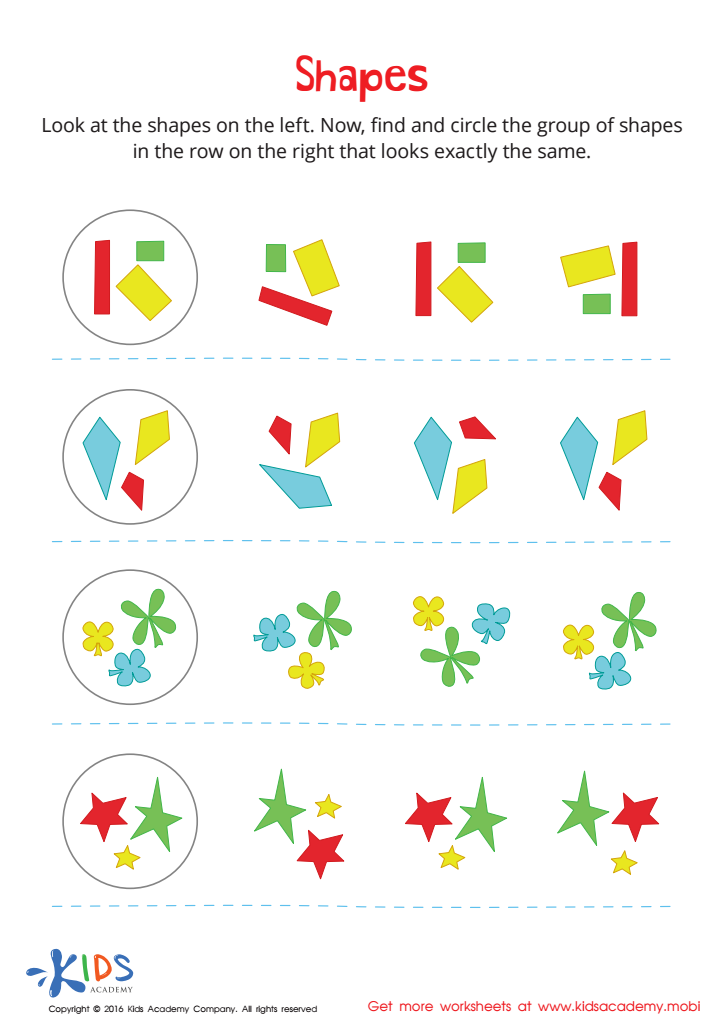
Shapes Worksheet
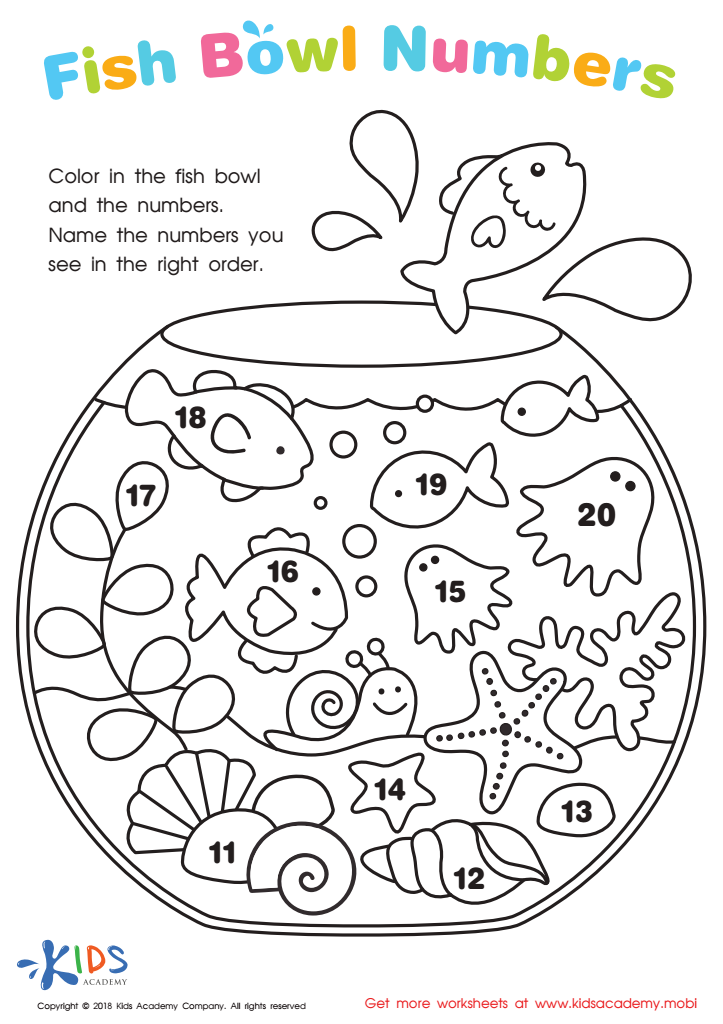
Fish Bowl Numbers Worksheet
Assign to My Students
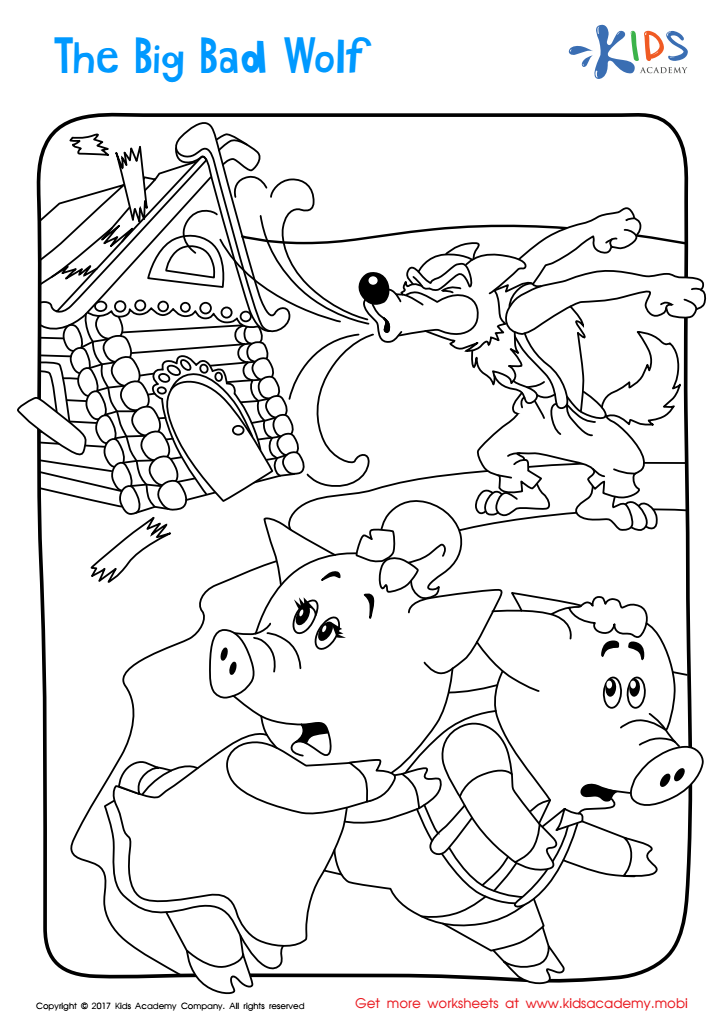
Big Bad Wolf Printable Coloring Page
Assign to My Students








Color recognition plays a fundamental role in early childhood development, making it crucial for parents and teachers to prioritize it for children aged 3-6. First, it fosters cognitive skills, as differentiating colors requires mental processing that helps children identify and categorize objects in their environment. Cognitive development forms the foundation for more complex learning in math, science, and reading.
Second, color recognition is integral to language development. As children learn to identify and name colors, they expand their vocabulary and improve communication skills. This increased language ability enhances their ability to express thoughts and emotions effectively.
Moreover, color activities are an excellent avenue for creativity and imagination. Engaging children in art projects that utilize various colors nurtures their creativity, allowing self-expression and exploration.
In addition, color recognition supports social development as children work in groups on color-based activities, teaching them valuable skills like teamwork and sharing.
Finally, the Extra Challenge in color recognition can motivate children, promoting a love for learning through fun and interactive experiences. Encouraging children to engage with colors beyond simple identification fosters critical thinking, enhances memory, and encourages exploration—skills that are vital for their overall growth and success in the future.








