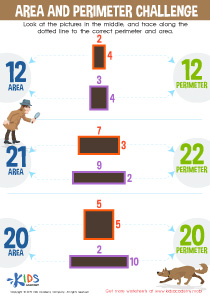
Cognitive Development Extra Challenge 2D Shapes Worksheets for Ages 3-6
4 filtered results
-
From - To
Enhance your child's cognitive development with our engaging Extra Challenge 2D Shapes Worksheets, specially designed for ages 3-6! These worksheets provide a fun way for young learners to explore and identify various two-dimensional shapes, nurturing critical thinking and problem-solving skills. Packed with vibrant illustrations and interactive activities, our resources captivate children's attention while promoting shape recognition, spatial awareness, and creativity. Ideal for home or classroom use, these worksheets empower educators and parents to create an enriching learning environment. Support your child's cognitive growth today with these stimulating and educational printable worksheets that make mastering 2D shapes both enjoyable and rewarding!
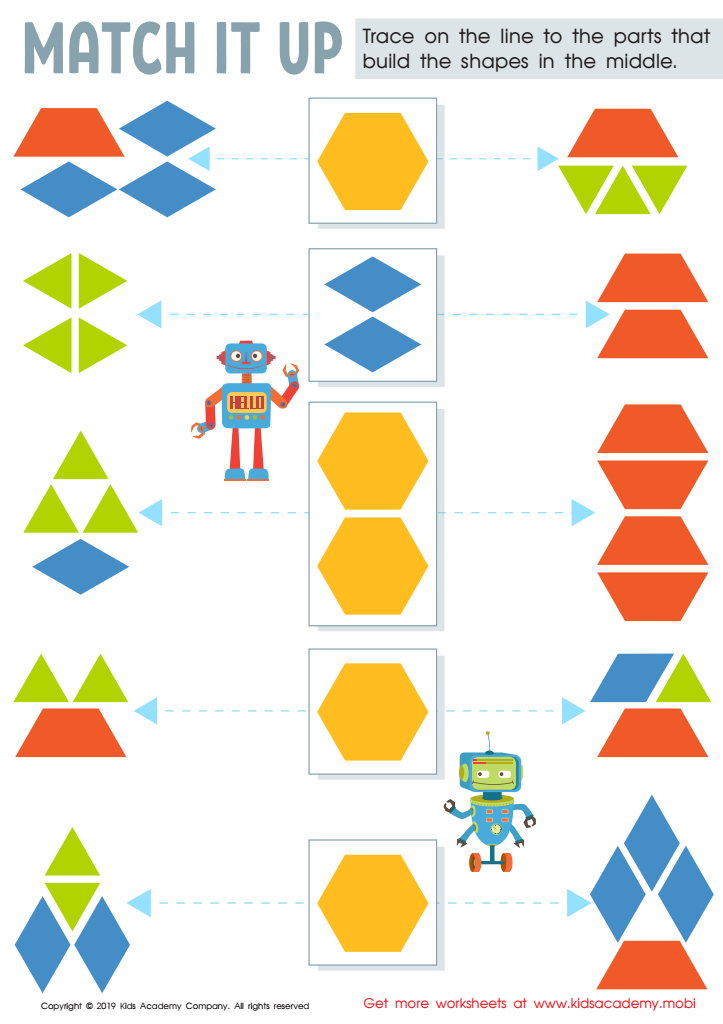
Match It up Worksheet
 Assign to My Students


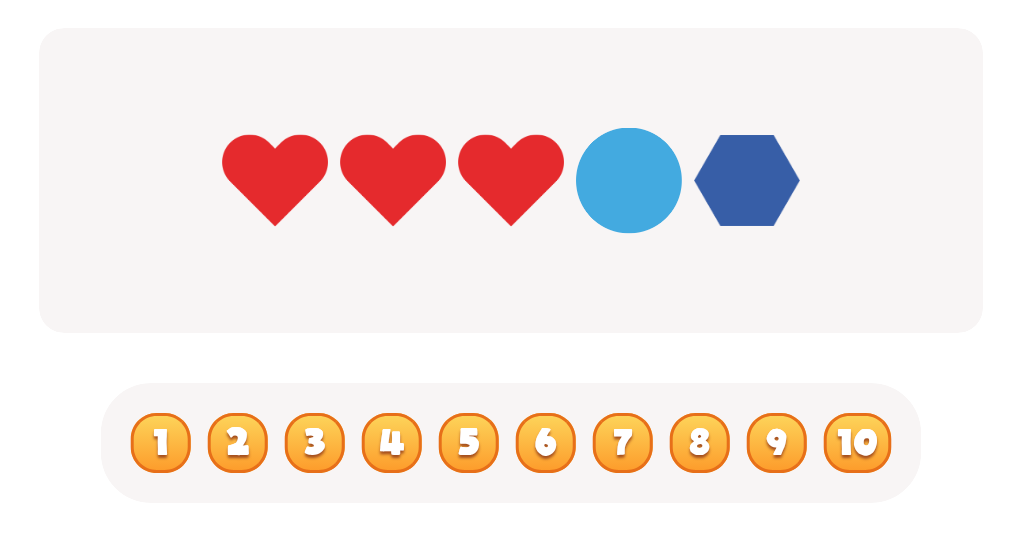
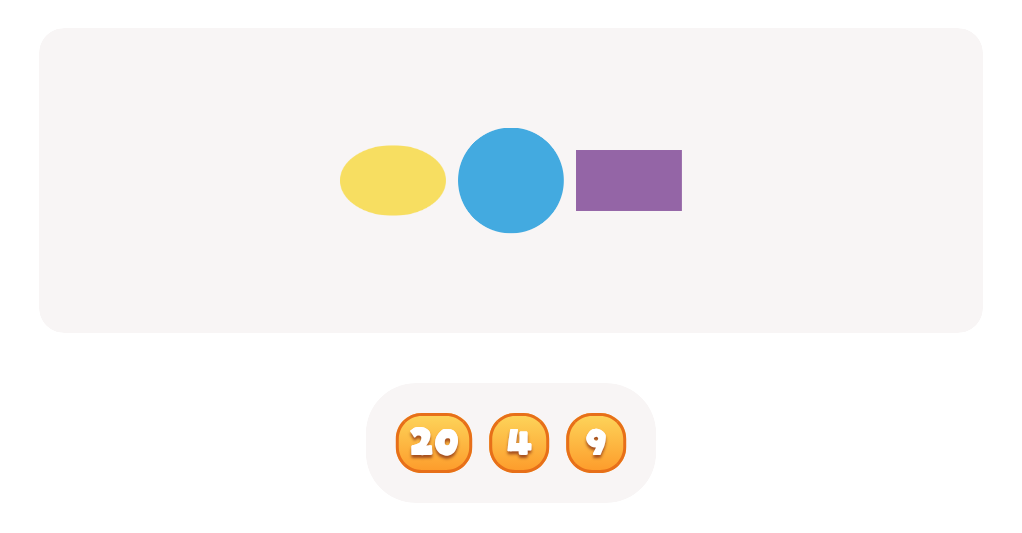
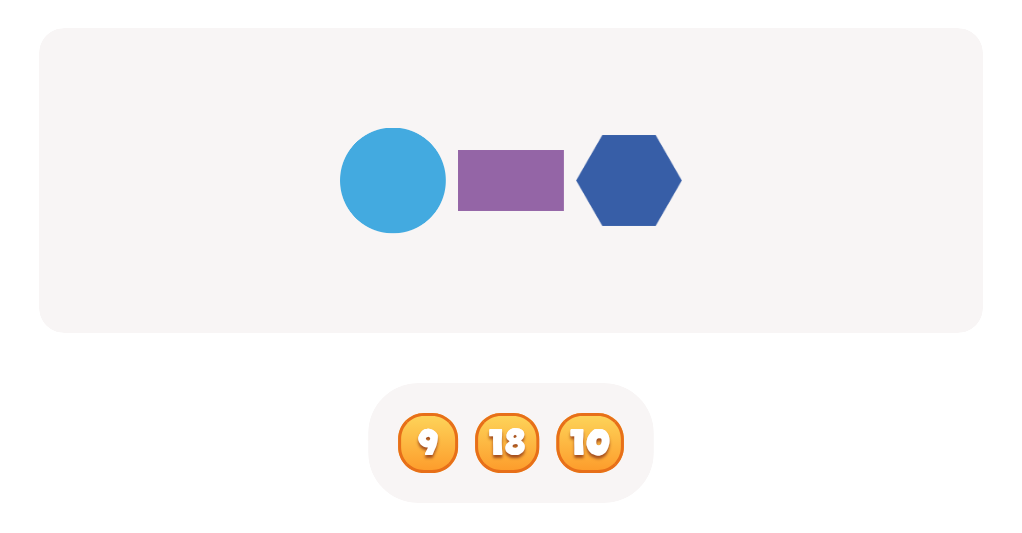

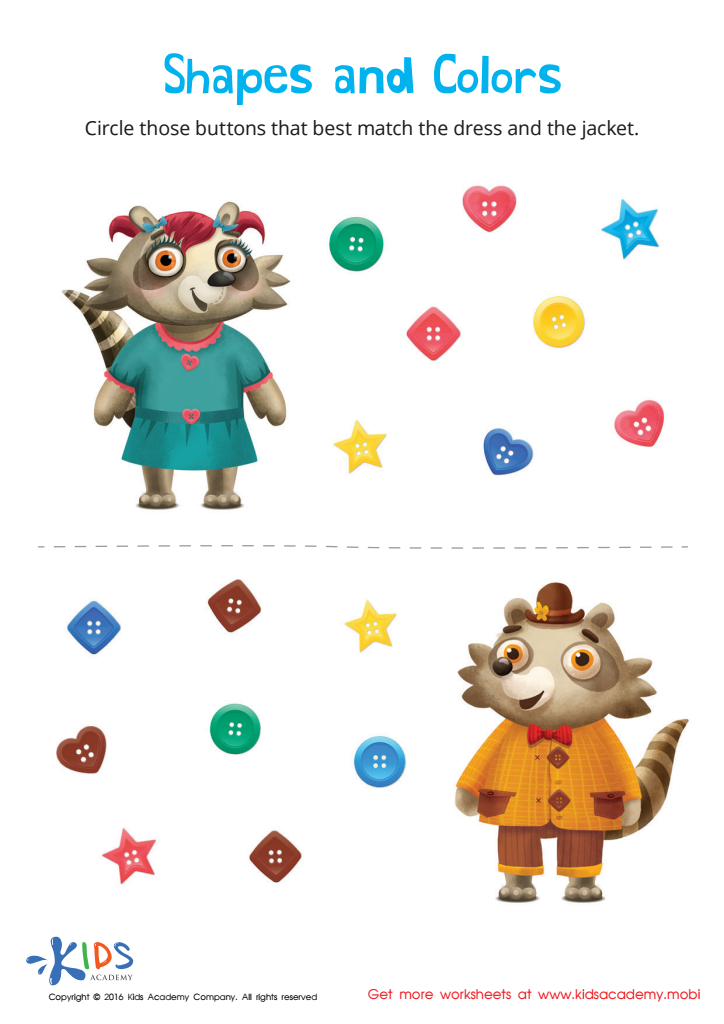
Matching: Shapes and Colors Worksheet
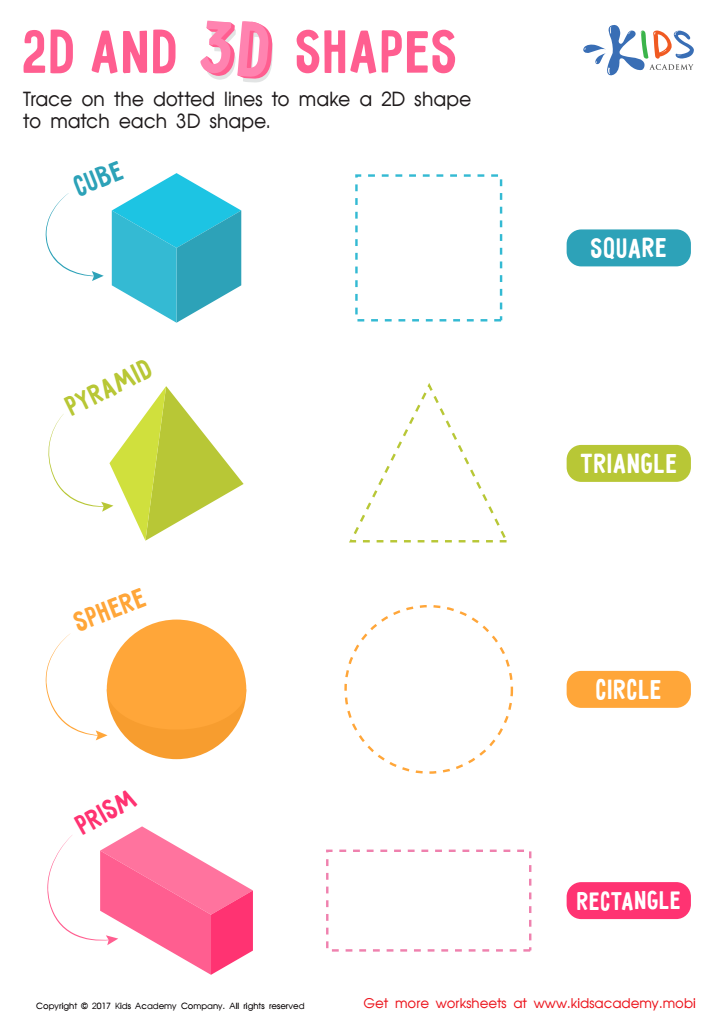
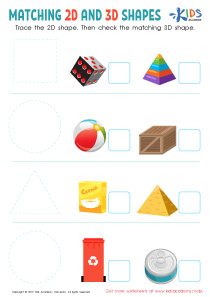
2D and 3D Shapes Worksheet
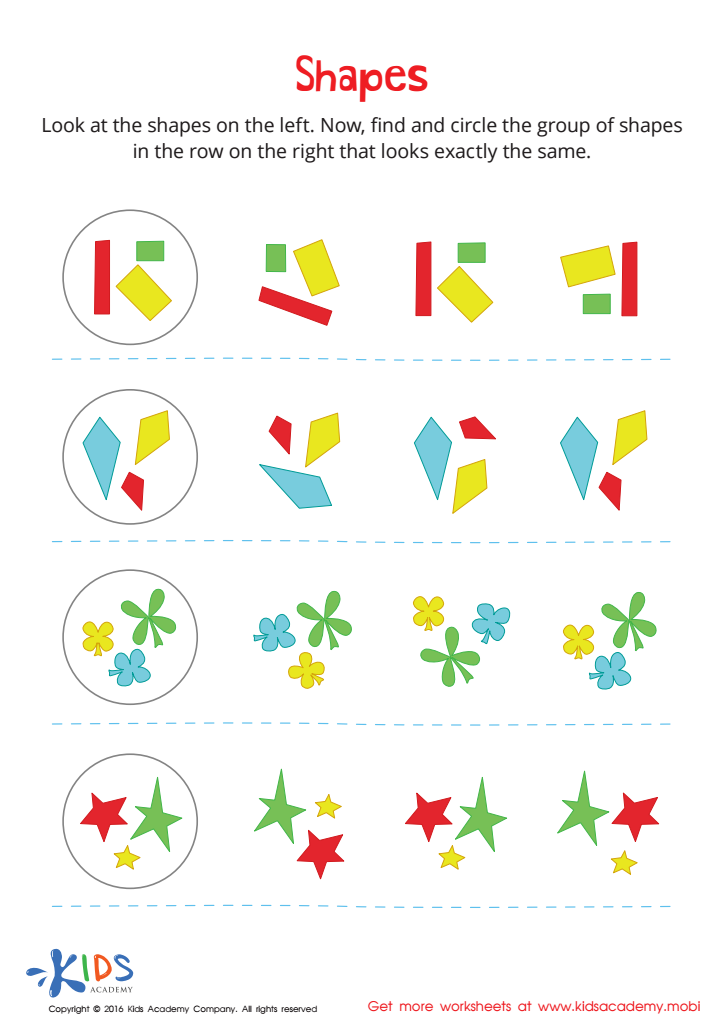
Shapes Worksheet








Cognitive development in early childhood is crucial for lifelong learning, and the exploration of 2D shapes serves as a fundamental building block in this process. For children aged 3-6, encountering and engaging with shapes enhances critical thinking and problem-solving skills. Recognizing and differentiating between shapes is not just a fun activity; it helps children develop spatial awareness, which is essential for both mathematical understanding and physical coordination.
Parents and teachers should care about incorporating shape-focused challenges like the Cognitive Development Extra Challenge 2D Shapes because these activities inspire curiosity and foster engagement. When children identify shapes in their environment, they make connections between their learning and real-world contexts, which aids in retention and comprehension. Through hands-on activities such as drawing, tracing, or constructing with shapes, children develop fine motor skills and boost their creativity.
Moreover, understanding shapes lays the groundwork for more complex concepts in geometry, making it a key precursor to advanced math skills. Supporting children in mastering these foundational skills not only enhances cognitive growth but also builds confidence and a positive attitude towards learning. Investing in early cognitive development prepares young learners for future academic success, making these activities invaluable for parents and educators alike.