Understanding patterns Extra Challenge Math Worksheets for Ages 3-6
4 filtered results
-
From - To
Discover our "Understanding Patterns Extra Challenge Math Worksheets" tailored for young learners aged 3-6. These engaging worksheets are designed to enhance children's mathematical skills by helping them recognize, create, and extend patterns, a foundational concept in early math education. With colorful illustrations and age-appropriate challenges, these activities promote critical thinking and cognitive development. Ideal for use at home or in the classroom, our worksheets ensure that students have fun while mastering essential skills. Foster a love for math in your child and watch them thrive with our Extra Challenge worksheets focused on understanding patterns!
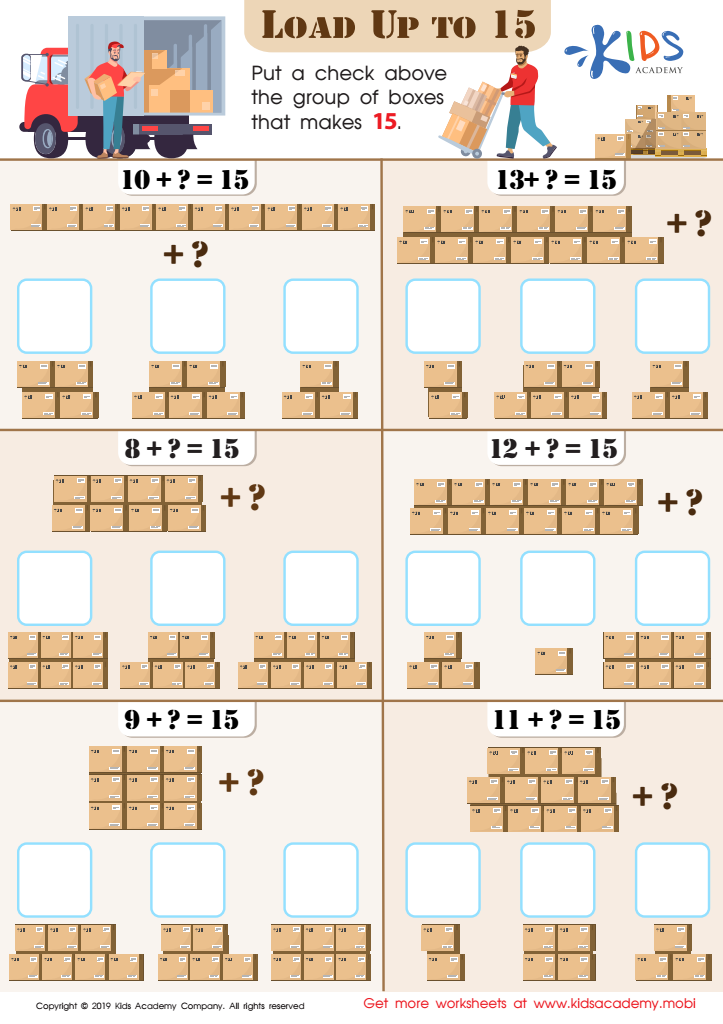
Load up to 15 Worksheet
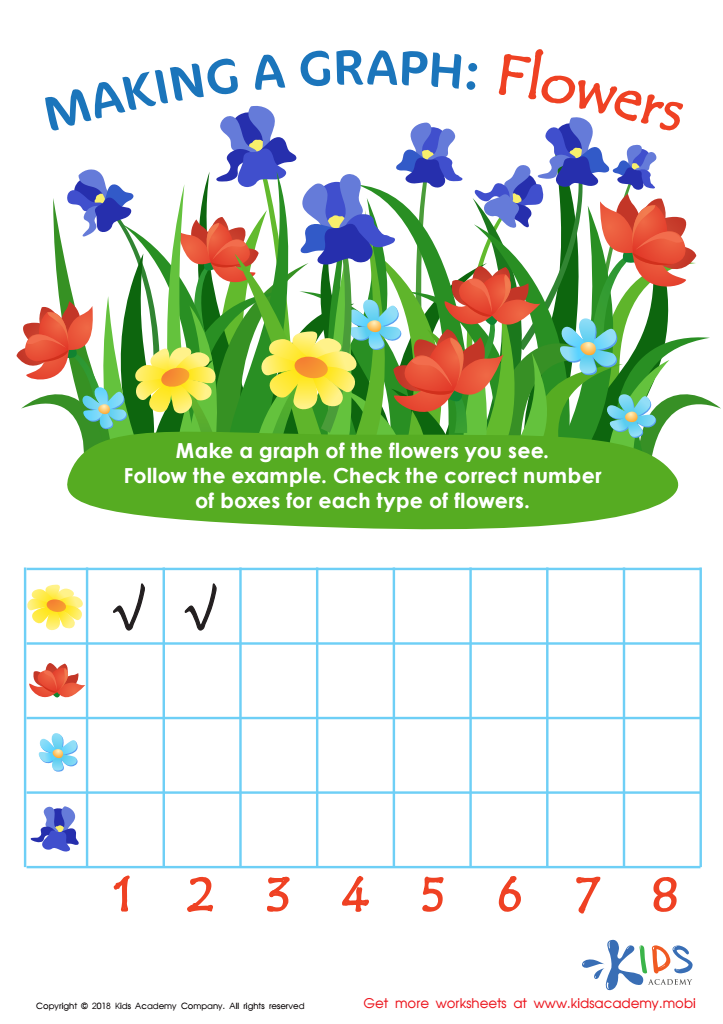
Making a Graph: Flowers Worksheet
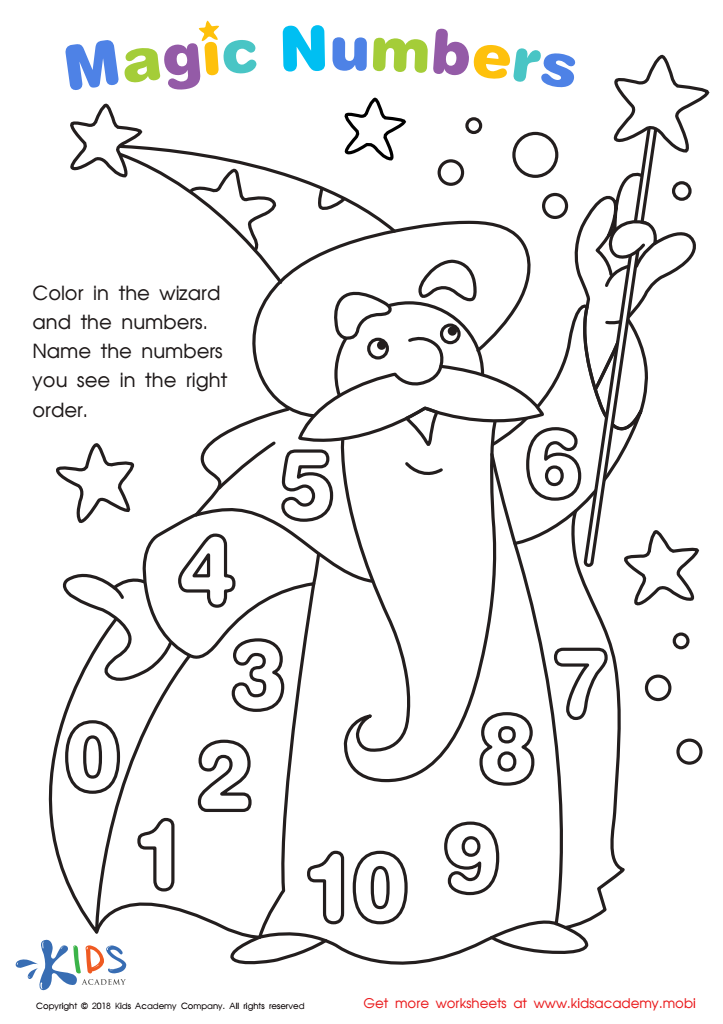
Magic Numbers Worksheet
 Assign to My Students
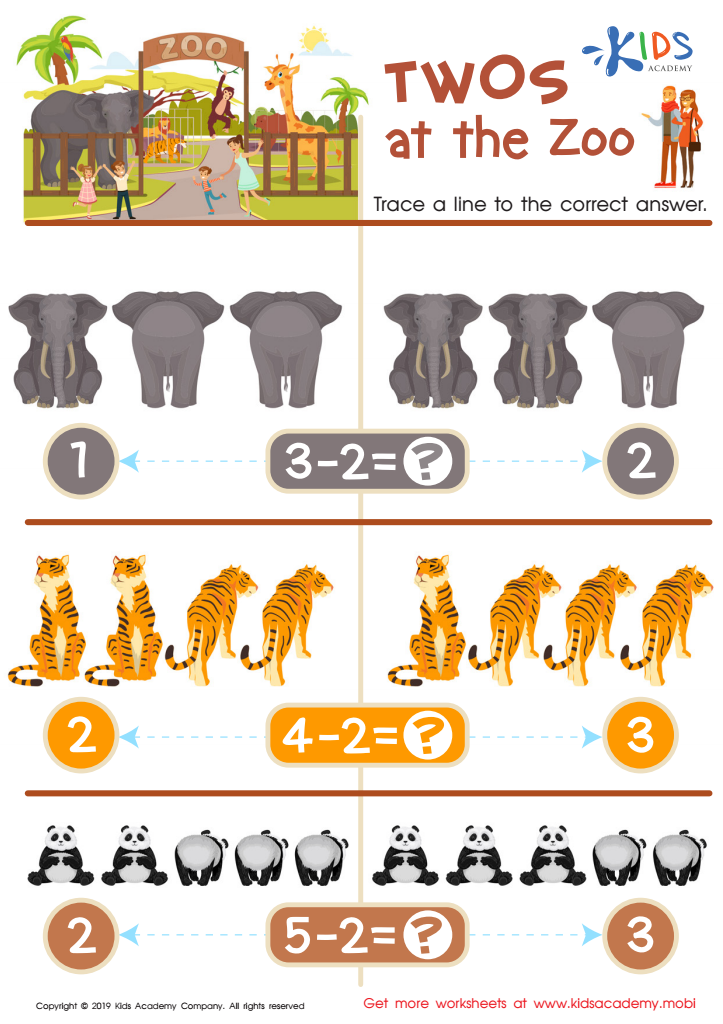
Twos at the Zoo Worksheet








Understanding patterns is foundational in early childhood education, serving as a building block for various mathematical concepts. For parents and teachers of children ages 3-6, recognizing the importance of this skill is crucial. Engaging in pattern recognition helps develop critical thinking, logical reasoning, and problem-solving abilities. When children identify and create patterns, they enhance their cognitive skills and improve their ability to predict outcomes, which is essential for more advanced math later on.
Moreover, learning about patterns integrates language skills. Children learn to describe, discuss, and articulate their reasoning, thereby enhancing their communication abilities. This also provides opportunities for interdisciplinary learning where math integrates with art, music, and everyday life, making it more relatable and enjoyable.
Additionally, understanding patterns can boost a child's confidence. As they grasp and master these concepts, their self-worth grows, encouraging a positive attitude towards learning. Parents and teachers should focus on providing rich experiences filled with visual, auditory, and kinesthetic activities related to patterns. These early interactions set the stage for a lifelong appreciation for math and a strong educational foundation, making it critical for the successful development of young learners.








