Logical Reasoning Extra Challenge Matching Worksheets for Ages 3-6
3 filtered results
Difficulty Level
Grade
Age
-
From - To
Subject
Activity
Standards
Explore our "Logical Reasoning Extra Challenge Matching Worksheets for Ages 3-6" at Kids Academy. These engaging and educational resources foster critical thinking and problem-solving skills in young learners. Designed specifically for preschool and early elementary kids, our worksheets provide fun and challenging exercises to improve their logical reasoning abilities. Stimulate your child's intellectual development through interactive matching activities that will keep them intrigued and entertained. Perfect for both classroom and home learning, our high-quality printable worksheets are designed to support and enhance your child's cognitive growth. Help your little one excel with Kids Academy!
Favorites
With answer key
Interactive
 Assign to My Students
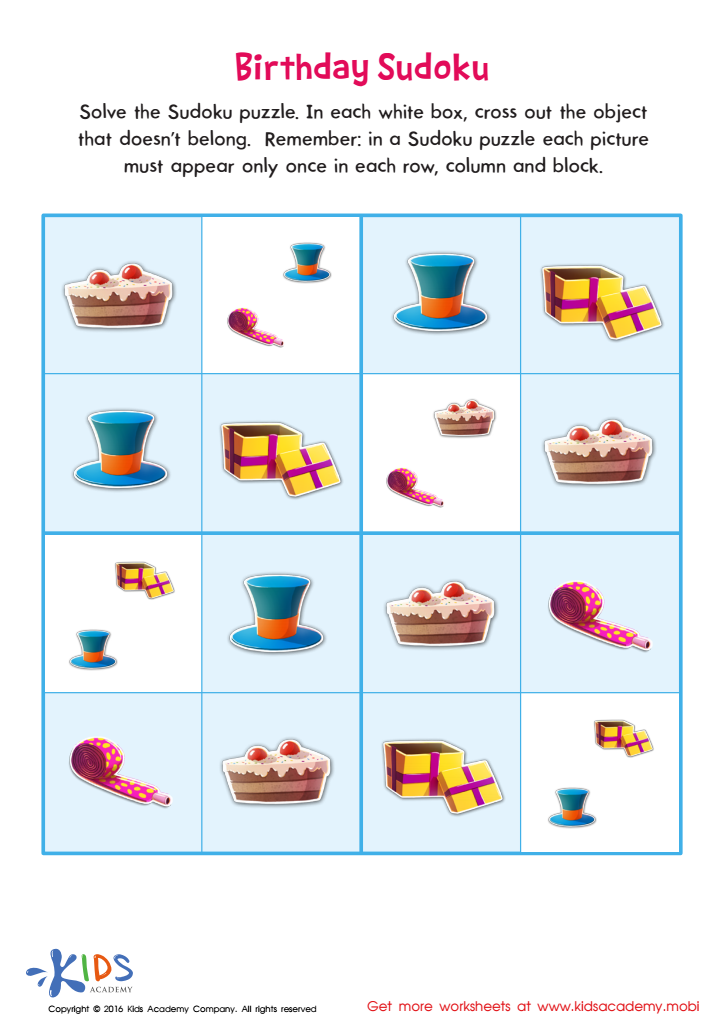
Birthday Sudoku Sorting Worksheet
With this Sudoku printable, your child will have fun and strengthen their problem-solving skills.
Birthday Sudoku Sorting Worksheet
Worksheet
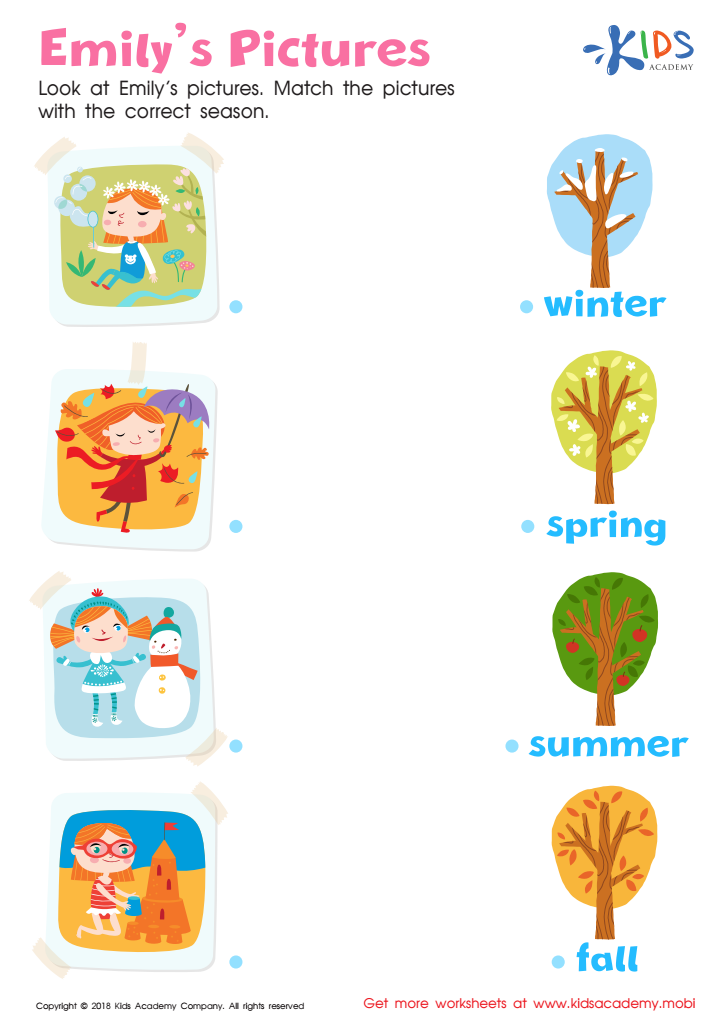
Emily's Pictures Worksheet
Look at the pictures of Emily on the left. Ask your child what she's doing in each one. Then, match the activities to the seasons on the right. Help your kids identify the correct season for each activity. Shorten to 80 words: Look at the pictures of Emily on the left. Ask your child what she's doing in each one, then match the activities to the seasons on the right. Help your kids find the correct season for each activity.
Emily's Pictures Worksheet
Worksheet
Join Kids Academy for Free
Who is primarily going to use this learning content?





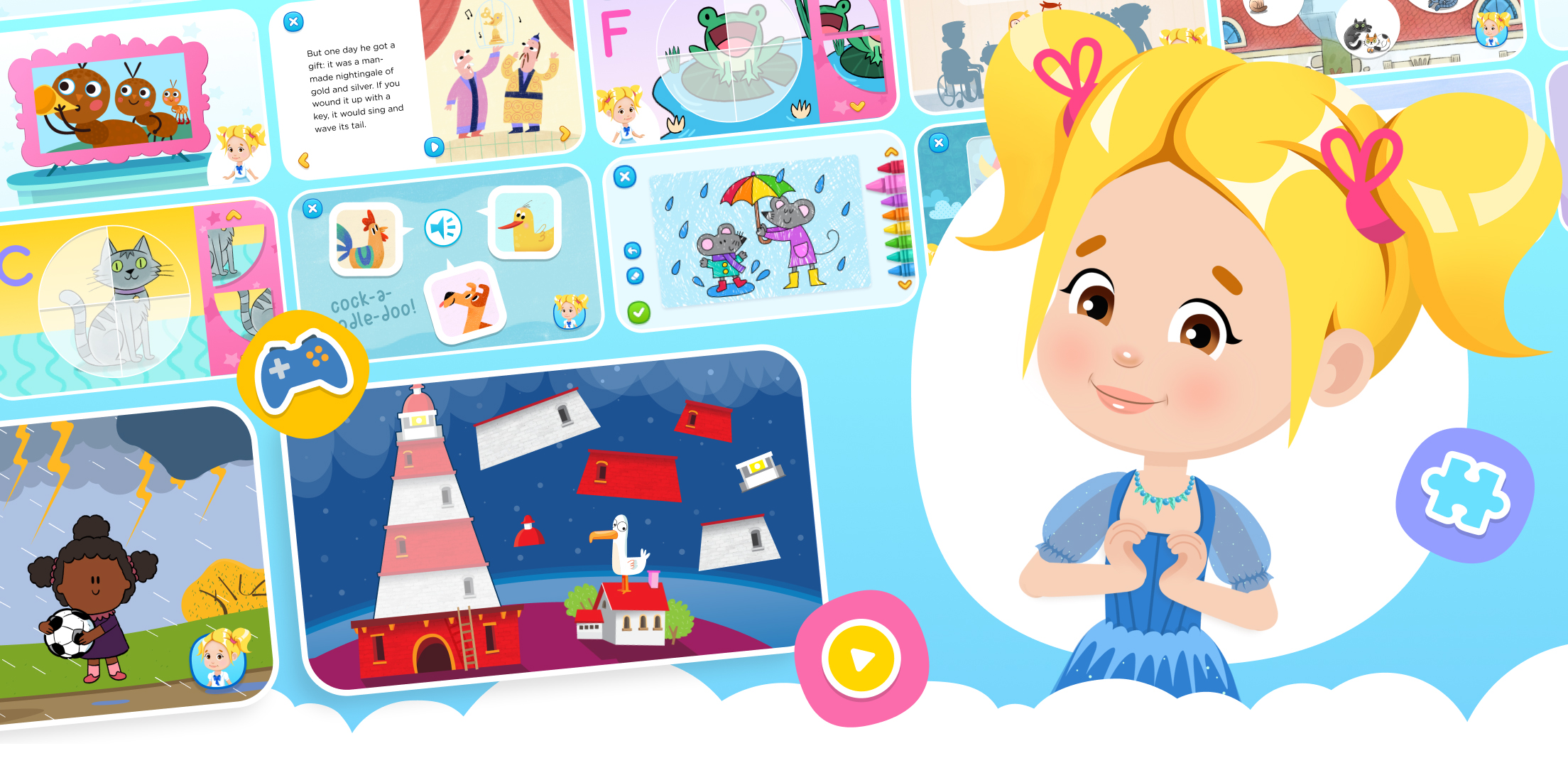


Logical reasoning is a critical foundational skill, and exposing children ages 3-6 to extra challenge activities in this area offers substantial benefits. During this stage, children's brains are exceptionally malleable, making it an ideal period to develop crucial cognitive abilities.
Logical reasoning exercises, particularly matching games, help foster essential skills such as problem-solving, pattern recognition, and critical thinking. By engaging in these activities, children learn to make connections between concepts, enhancing their ability to process and organize information. For instance, matching objects based on color, shape, or function can also strengthen memory and attention to detail.
Moreover, such activities promote independent thinking and boost confidence. When children successfully complete logical reasoning challenges, it provides a tangible sense of accomplishment, encouraging a positive attitude toward learning. These early successes also build a foundation for future academic skills, as logical reasoning aids in understanding mathematical concepts, scientific reasoning, and reading comprehension.
Participation in these games is not only intellectually stimulating but also enjoyable, making learning a fun and collaborative experience. By incorporating logical reasoning challenges early on, parents and teachers lay the groundwork for lifelong cognitive development, nurturing inquisitive and analytic minds prepared to tackle more complex tasks in later years.