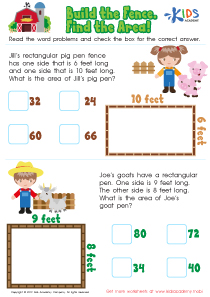
Pattern recognition Extra Challenge Matching Worksheets for Ages 3-6
3 filtered results
-
From - To
Enhance your child’s cognitive skills with our "Pattern Recognition Extra Challenge Matching Worksheets" designed for ages 3-6! These engaging worksheets offer a variety of matching activities that encourage children to identify and extend patterns, fostering critical thinking and problem-solving abilities. With vibrant illustrations and age-appropriate challenges, kids will enjoy honing their analytical skills while having fun. Perfect for preschoolers and kindergarteners, these worksheets can be easily integrated into home or classroom settings. Jumpstart your little one’s learning journey today with these interactive, skill-building resources that pave the way for future success in math and beyond! Download now and watch them excel!
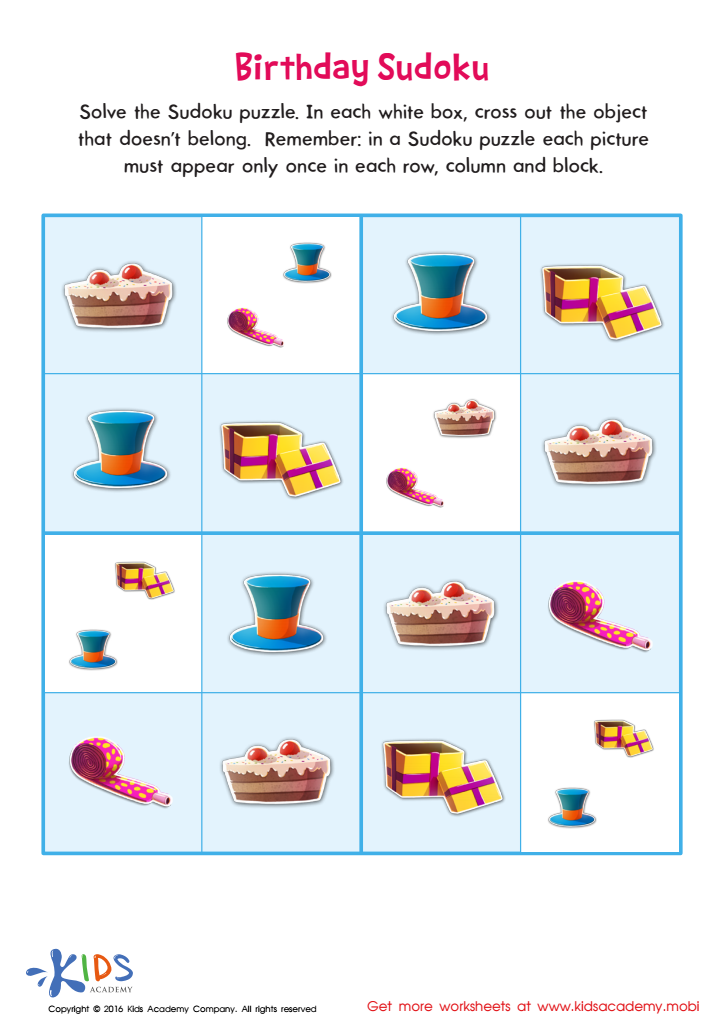
Birthday Sudoku Sorting Worksheet
 Assign to My Students
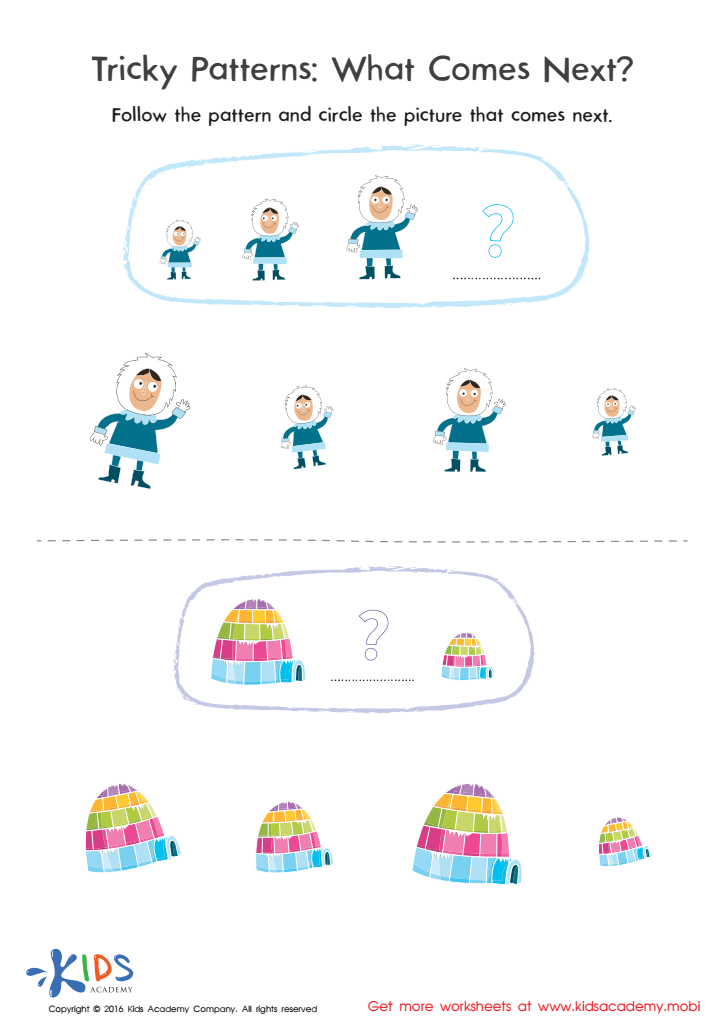
Tricky Patterns Size Worksheet
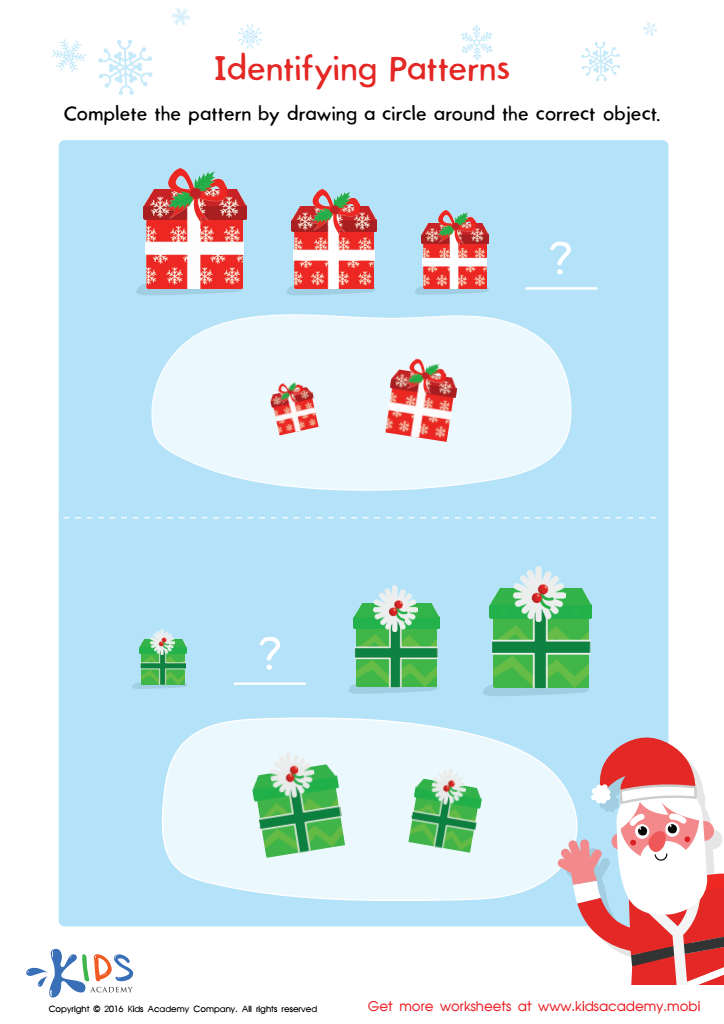
Identifying Patterns Worksheet








Pattern recognition is a fundamental skill that lays the groundwork for critical thinking and problem-solving abilities in young children. The "Extra Challenge Matching" activity for ages 3-6 enhances this skill by engaging learners in recognizing, analyzing, and connecting patterns. It cultivates cognitive development and prepares children for concepts in math, science, and reading.
Parents and teachers should prioritize such activities because they not only promote intellectual growth but also foster creativity and resilience. As children identify and match patterns, they learn to notice similarities and differences, which sharpens their observation skills and attention to detail. This can lead to improved focus and comprehension in other learning areas.
Moreover, pattern recognition activities encourage collaboration and social interaction. When children work together, they develop communication skills and empathy, as they must discuss and negotiate solutions. By engaging in challenging matching tasks, children also build confidence in their abilities, teaching them that persistence can lead to success.
Ultimately, embracing pattern recognition challenges equips children with the foundational tools necessary for lifelong learning, making it vital for parents and teachers to recognize and support this key aspect of early education.