Shape Recognition Extra Challenge Matching Worksheets for Ages 3-6
3 filtered results
-
From - To
Enhance your child's shape recognition skills with our "Shape Recognition Extra Challenge Matching Worksheets" designed for ages 3-6! These worksheets provide an engaging way for young learners to identify, match, and compare different shapes through fun and interactive exercises. Perfect for early childhood development, our activities foster critical thinking, hand-eye coordination, and fine motor skills. Give your preschooler or kindergartener a head start in math and geometry while keeping them entertained. Discover a new world of learning with Kids Academy's expertly crafted, printable worksheets, and watch your child’s confidence and abilities soar!
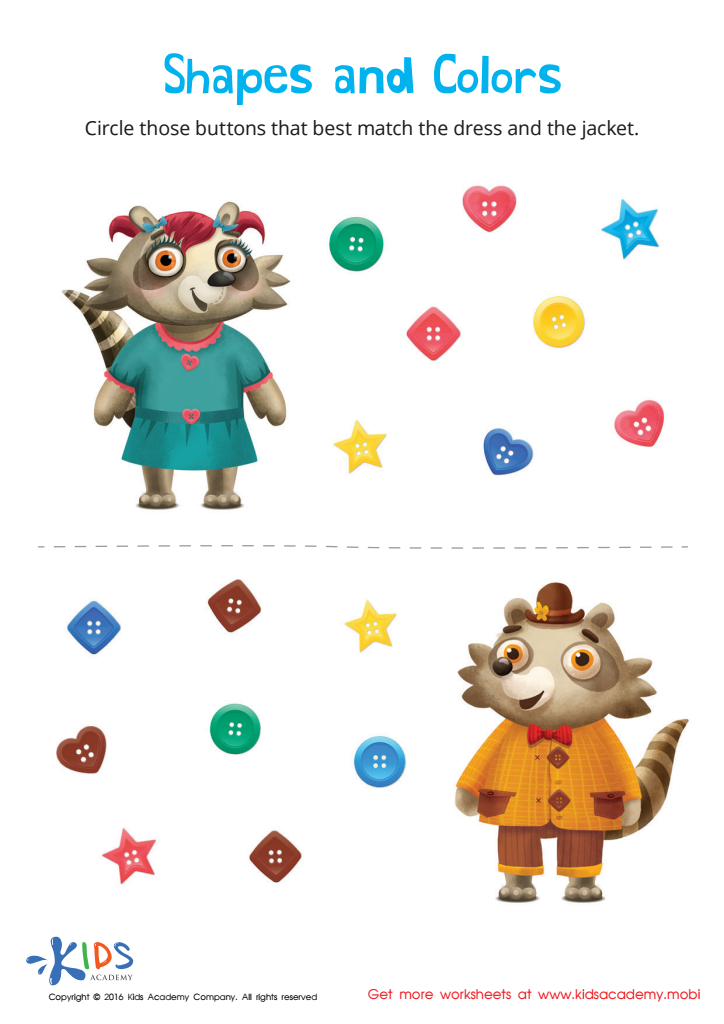
Matching: Shapes and Colors Worksheet
 Assign to My Students
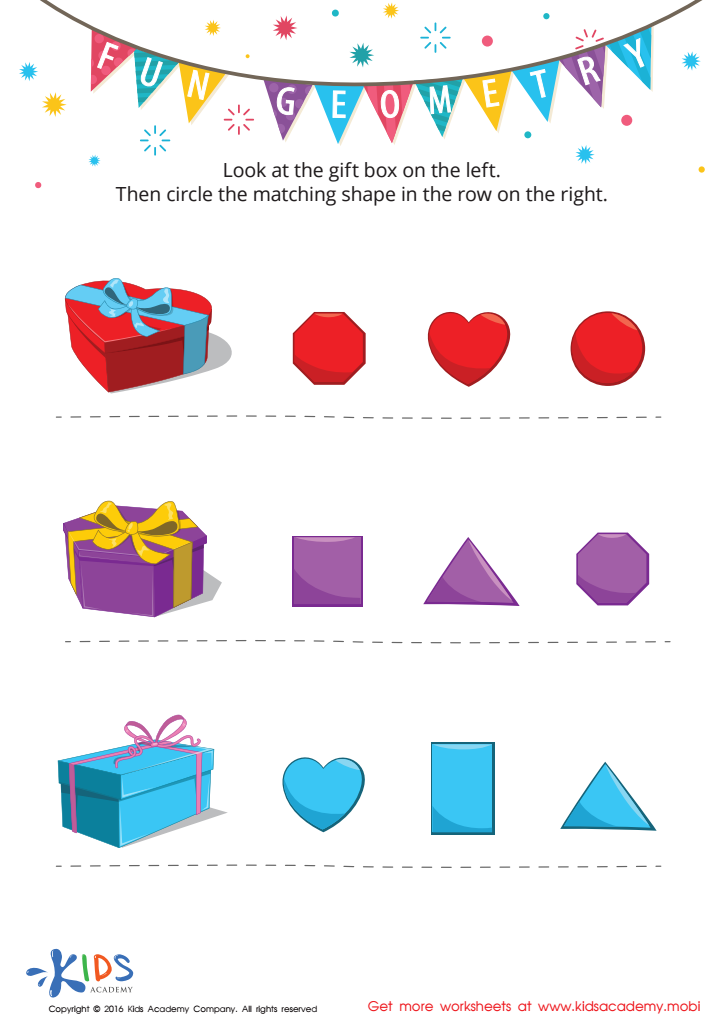
Fun Geometry Worksheet
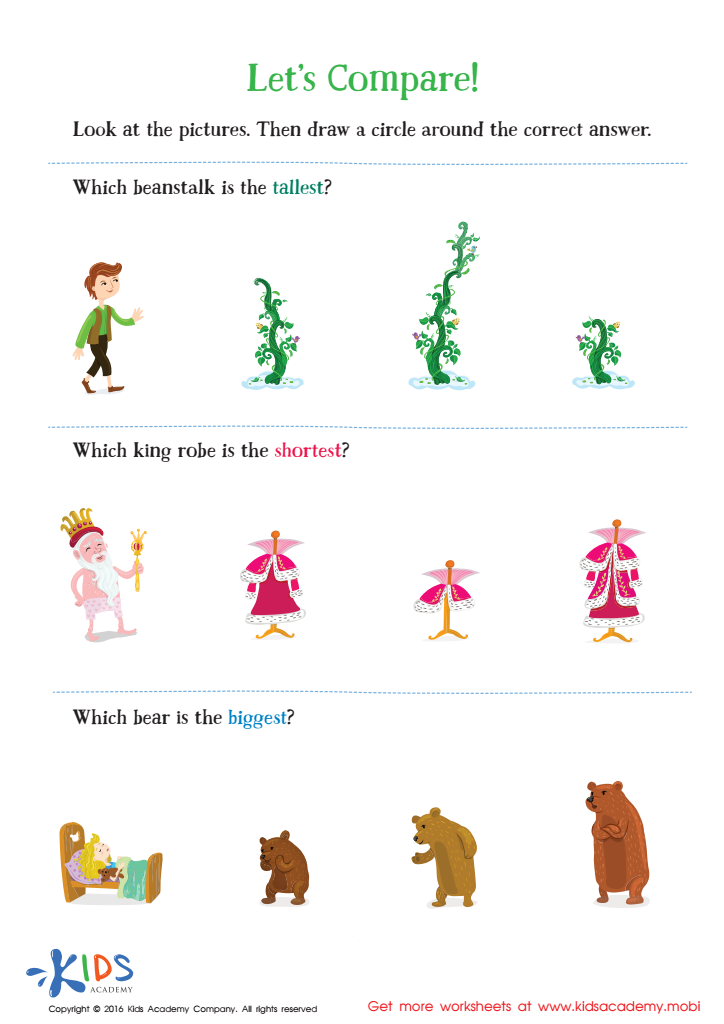
Fairy Tale Worksheet: Let's Compare





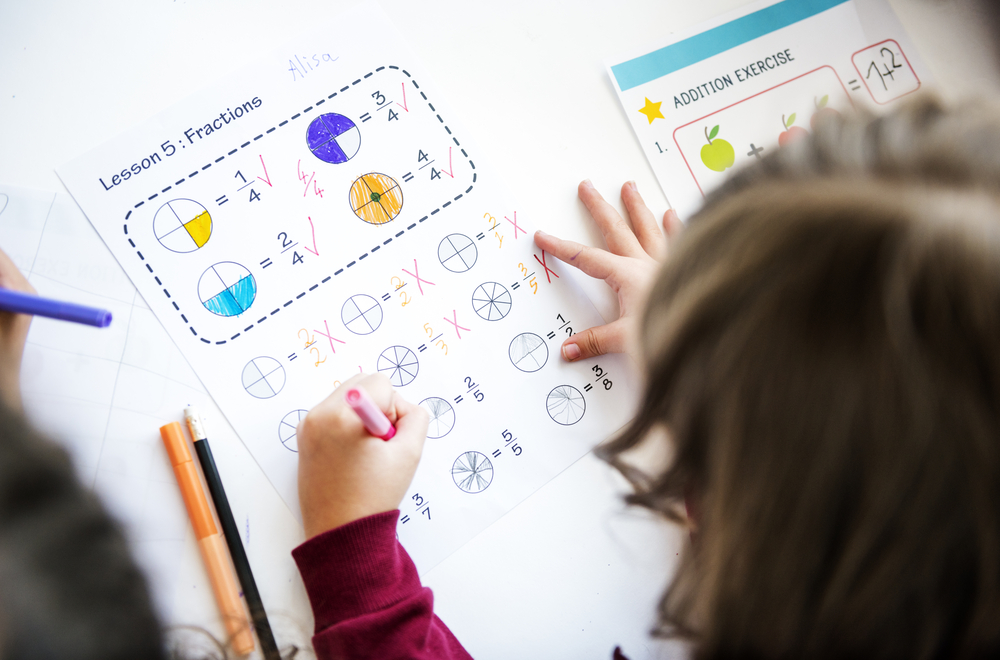

Shape recognition is vital in early childhood development, serving as a stepping stone to more complex mathematical and cognitive skills. For ages 3-6, engaging in activities like Shape Recognition Extra Challenge Matching offers multifaceted benefits. Parents and teachers should care about this because it enhances visual perception and spatial awareness. Recognizing and differentiating shapes helps children understand how objects relate to each other and their environment, fostering early geometry understanding.
Moreover, the ability to identify and match shapes boosts problem-solving skills and logical thinking. Children learn to observe details, compare and group shapes based on similarities and differences, sharpening their analytic abilities. These foundational skills are crucial for later academic success, especially in STEM fields.
In addition, shape recognition supports language development. As children learn shape names and characteristics, their vocabulary expands. Discussing shapes can stimulate conversations that build descriptive language and comprehension.
Also, these activities can improve fine motor skills. Handling shape cutouts and fitting them into matching slots fosters hand-eye coordination and dexterity.
By prioritizing Shape Recognition Extra Challenge Matching, parents and teachers contribute to a child's overall cognitive development, laying a strong educational foundation and nurturing a lifelong love for learning through playful and engaging methods.