Word Recognition Extra Challenge Reading Worksheets for Ages 3-6
3 filtered results
Difficulty Level
Grade
Age
-
From - To
Subject
Activity
Standards
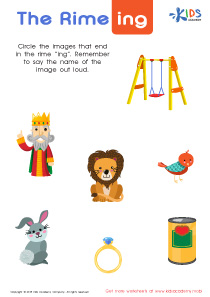
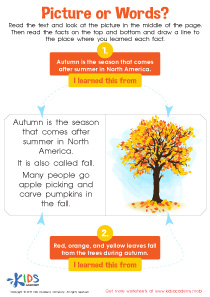
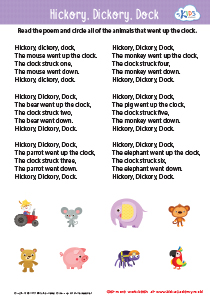
Enhance your child's reading skills with our Word Recognition Extra Challenge Reading Worksheets designed for ages 3-6! These engaging and interactive worksheets are tailored to promote confidence and proficiency in identifying words and reinforcing vocabulary. Each activity is expertly crafted to ensure young learners can practice word recognition through fun exercises, including games, matching activities, and creative tasks. Perfect for at-home learning or supplementary classroom exercises, these worksheets provide the ideal platform for little ones to advance their literacy skills while having fun! Download now to give your child the extra challenge they need on their reading journey!
Favorites
With answer key
Interactive
 Assign to My Students
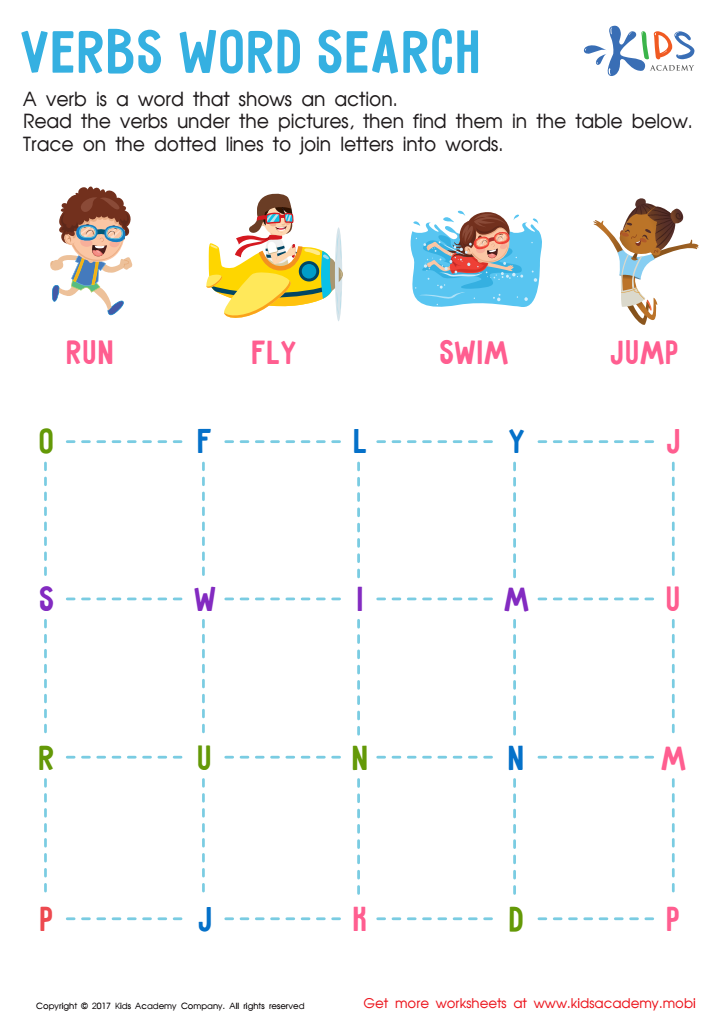
Verbs Word Search Worksheet
Ask your child if they understand the meaning of the word "verb". If not, explain that it's a word that shows an action. Give examples of familiar verbs. Then look at the pictures in the tracing sheet and read the words. Ask your child to follow the dotted lines to find the hidden words. Perfect tool to teach spot and use verbs!
Verbs Word Search Worksheet
Worksheet
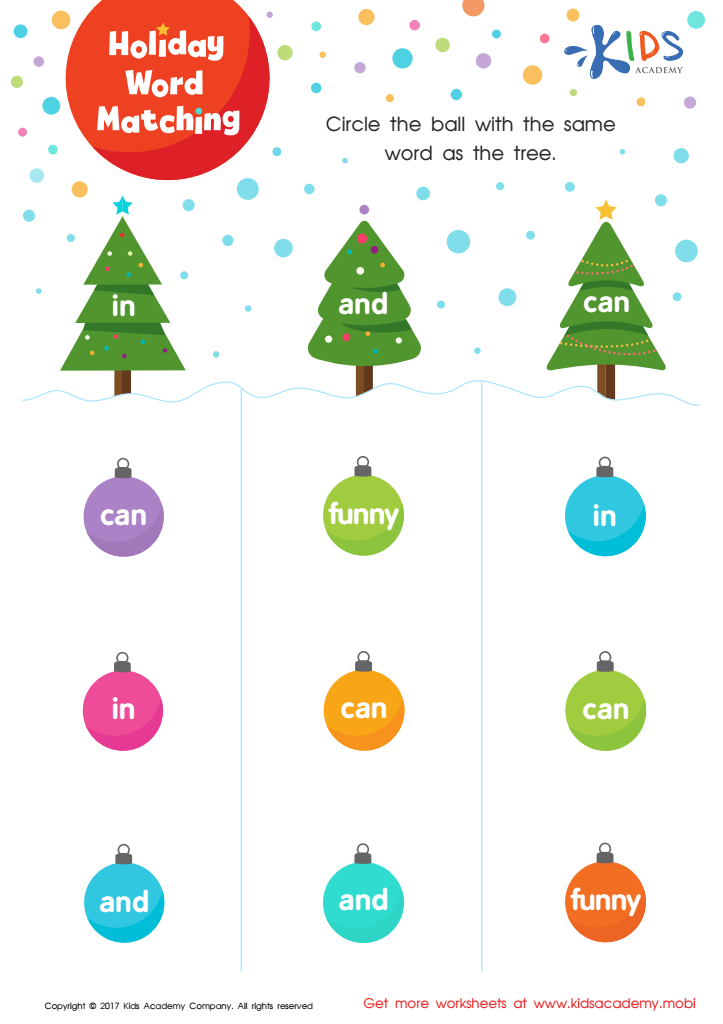
Holiday Word Matching Worksheet
Decorate with Kids Academy this year! Keep kids learning this holiday season with this festive worksheet. Let them look for sight words on Christmas trees then circle the matching ornament to decorate. It's a fun and educational way to enjoy the holidays!
Holiday Word Matching Worksheet
Worksheet
Join Kids Academy for Free
Who is primarily going to use this learning content?







Parents and teachers should prioritize Word Recognition Extra Challenge Reading for children aged 3-6 because it lays a crucial foundation for literacy development. At this age, children are naturally curious and eager to learn, making it an ideal time to introduce word recognition skills. Mastering these skills enables young learners to confidently identify and understand written words, which is essential for reading comprehension and overall academic success later on.
Furthermore, enhancing word recognition early on promotes language development, expands vocabulary, and improves phonemic awareness. These skills are interconnected and facilitate children’s ability to decode and make sense of text, setting them up for a lifelong love of reading.
Additionally, incorporating challenge reading into daily activities nurtures a positive attitude toward learning, allowing children to thrive in diverse educational settings. Engaging children with a variety of texts boosts their motivation and curiosity, sparking a desire to explore new concepts.
Finally, fostering strong word recognition skills in early learners can help identify and address potential learning differences or delays before they impact later academic performance. By prioritizing this aspect of early literacy, parents and teachers empower children to embark on their educational journeys with confidence and success.