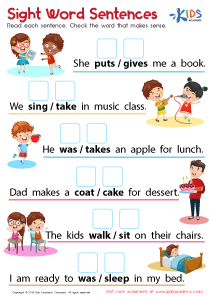
Extra Challenge Reading Non-Fiction Worksheets for Ages 3-6
6 filtered results
-
From - To
Welcome to our "Extra Challenge Reading Non-Fiction Worksheets" designed for ages 3-6! These engaging worksheets provide young learners with the opportunity to explore fascinating nonfiction topics, enhancing their reading skills while nurturing their curiosity about the world. Each worksheet is crafted to promote comprehension, critical thinking, and vocabulary development through fun and relatable content. Perfect for classroom instruction or at-home learning, these challenging activities encourage independent exploration and support early literacy skills. Our thoughtfully designed materials make learning enjoyable and effective—empowering young readers to develop a love for nonfiction! Download your worksheets today and inspire curious minds!
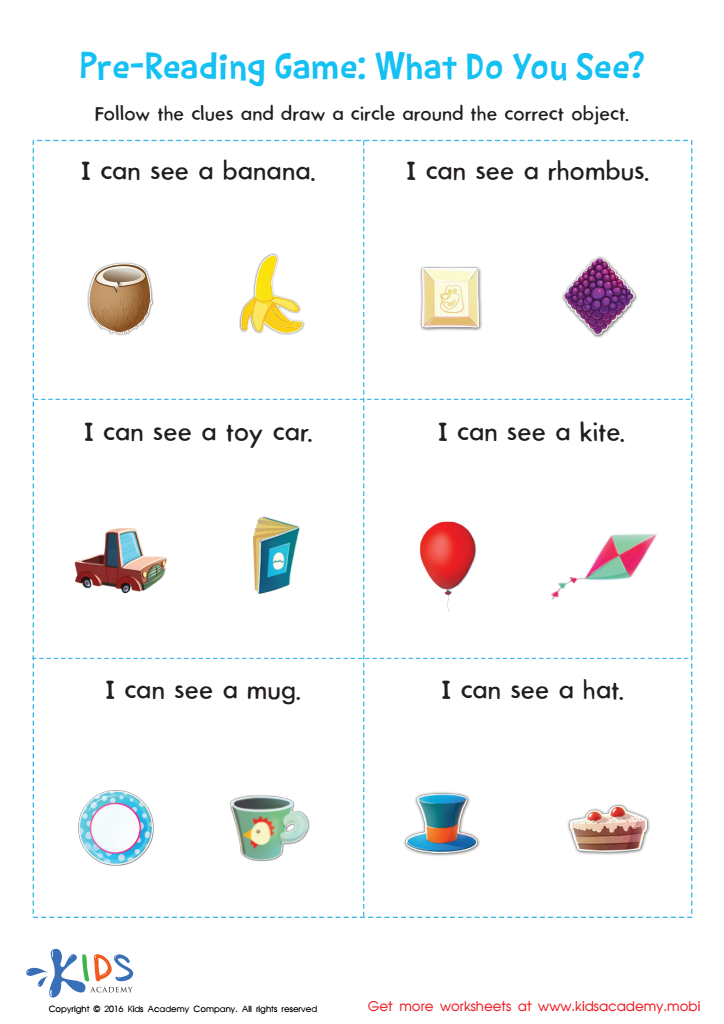
Pre–reading Worksheet: What Do You See?
 Assign to My Students
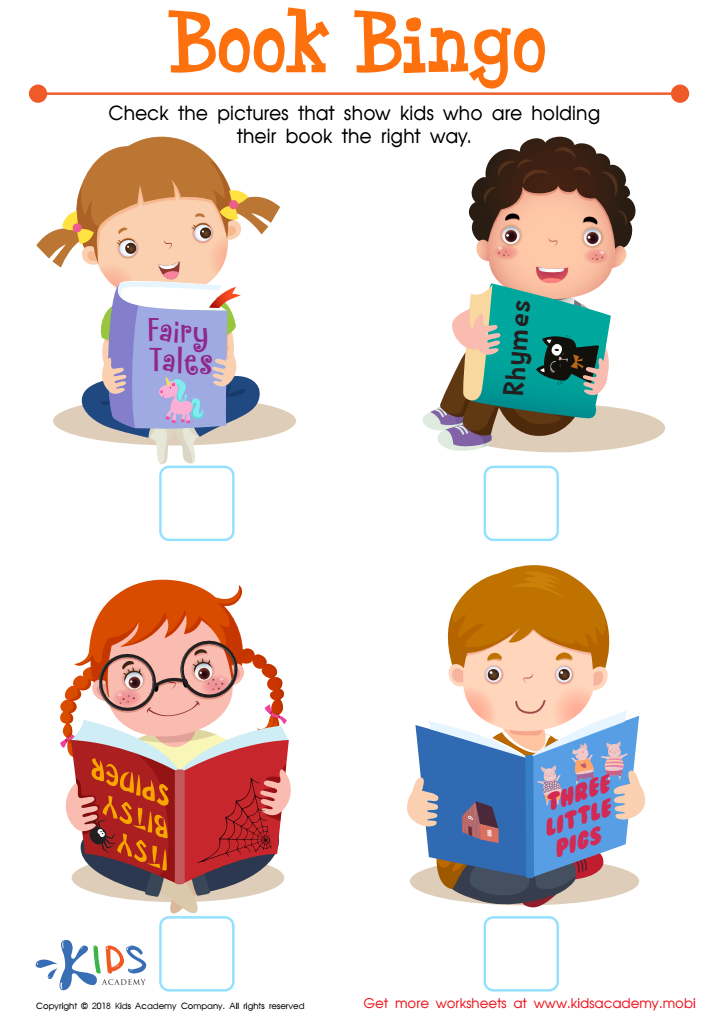
Book Bingo Worksheet
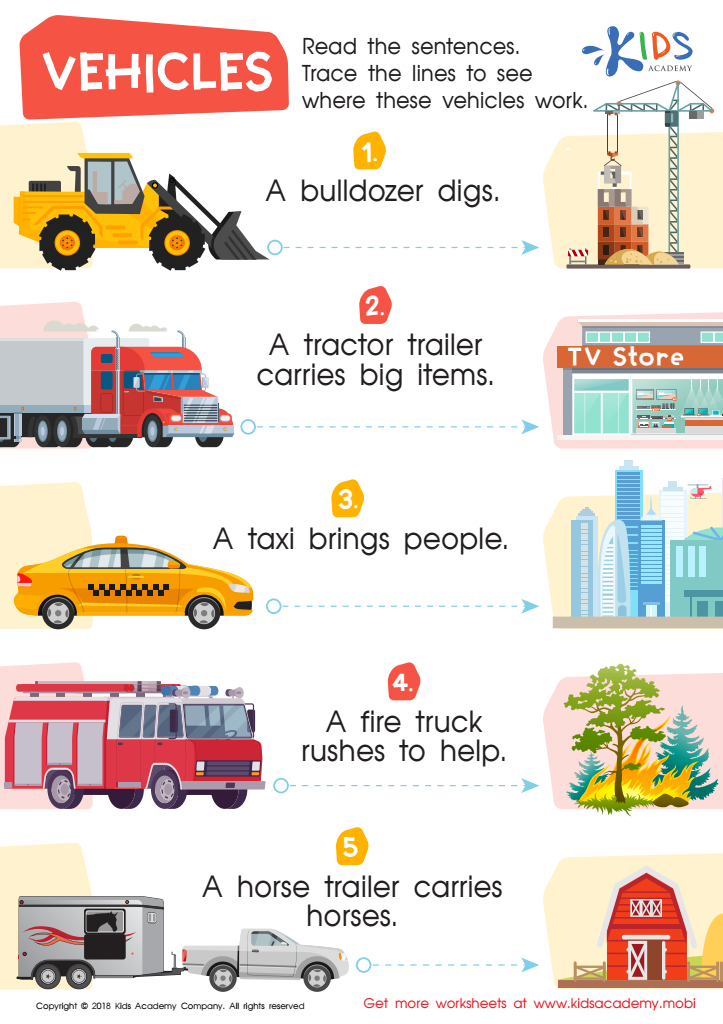
Vehicles Worksheet
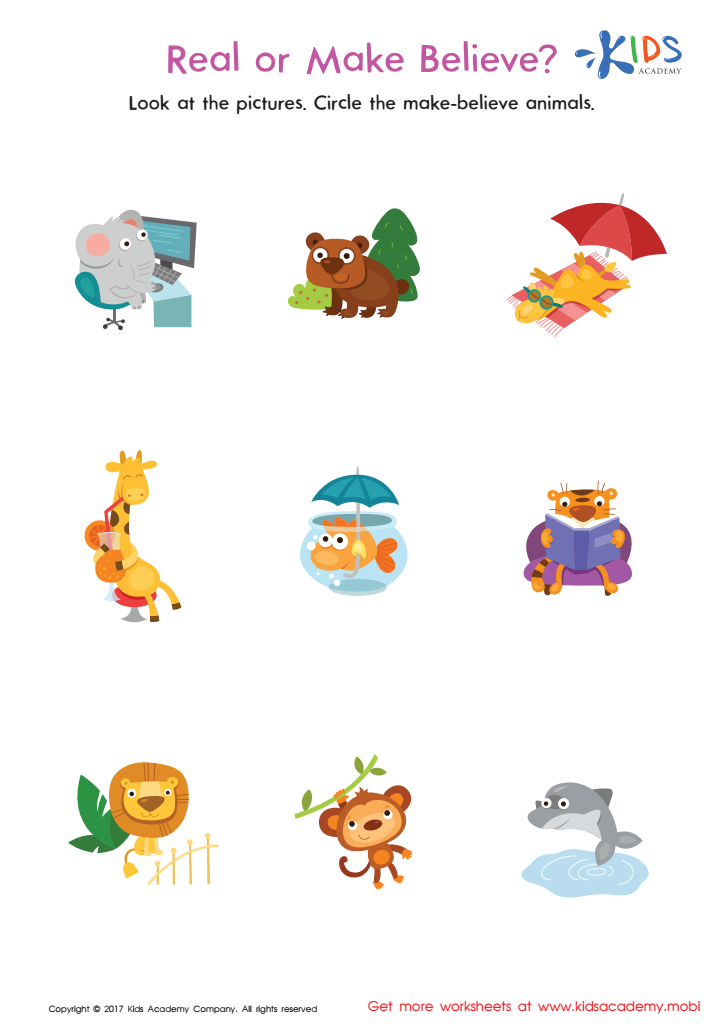
Fact or Make Believe Worksheet
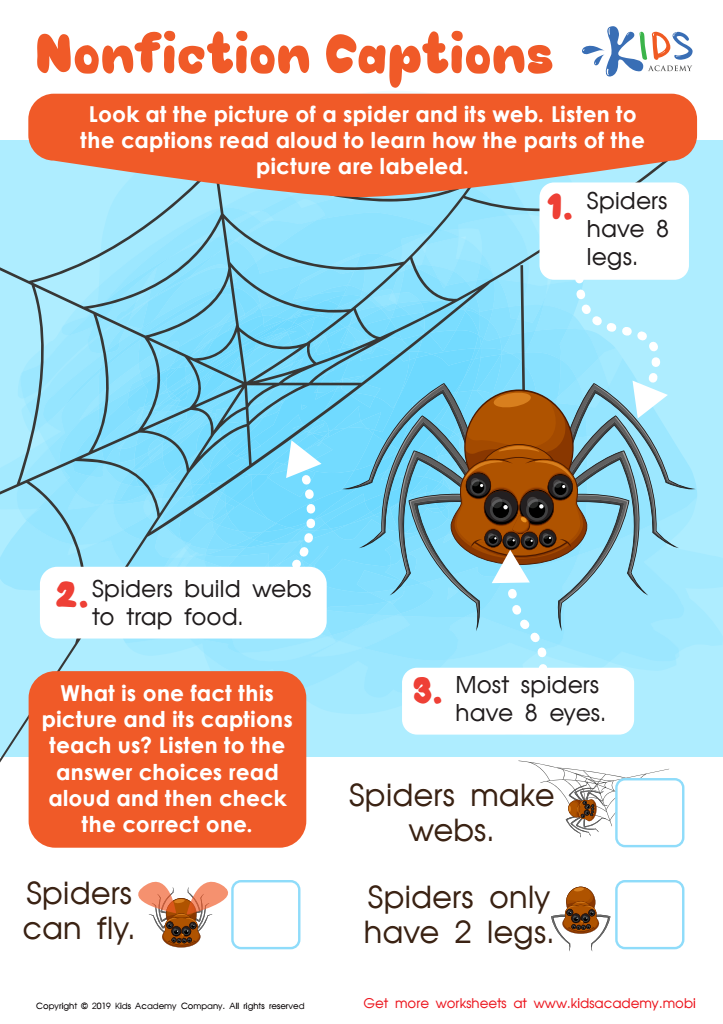
Nonfiction Captions Worksheet
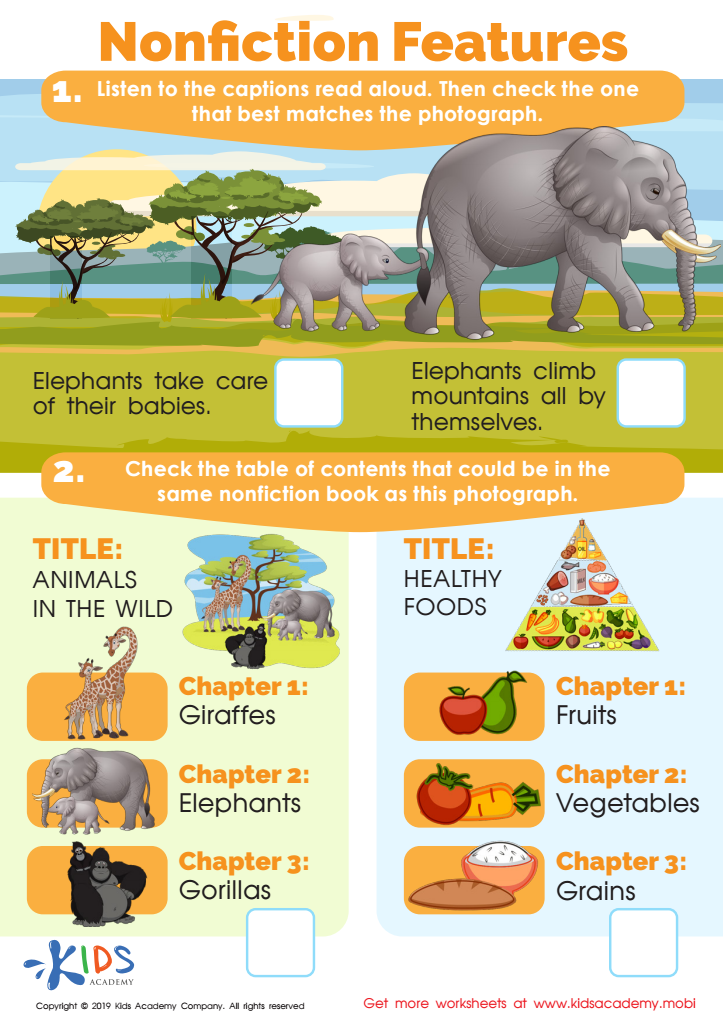
Nonfiction Features Worksheet








Parents and teachers should prioritize Extra Challenge Reading Non-Fiction for children ages 3-6 because it lays a crucial foundation for lifelong learning and critical thinking. Engaging in non-fiction reading fosters curiosity and cultivates a love for facts and real-world knowledge, encouraging children to explore their interests beyond fantasy narratives. These texts introduce young learners to concepts like science, history, and geography, helping them connect to their environment and understand how the world works.
Early exposure to non-fiction also enhances vocabulary development, enabling children to express their thoughts and ideas more articulately. This type of reading fosters comprehension skills, as children learn to analyze and synthesize information from different sources. Furthermore, it encourages discussions between parents, teachers, and children, fostering communication skills and keeping the engagement active.
Additionally, non-fiction helps to build cognitive skills and supports STEM (Science, Technology, Engineering, and Mathematics) education from an early age. The critical thinking skills developed during these formative years contribute to academic success as children progress in school. By encouraging Extra Challenge Reading Non-Fiction, adults empower children to become informed, curious, and engaged learners, setting the stage for a bright future.