Counting skills Extra Challenge Worksheets for Ages 3-7 - Page 3
52 filtered results
-
From - To
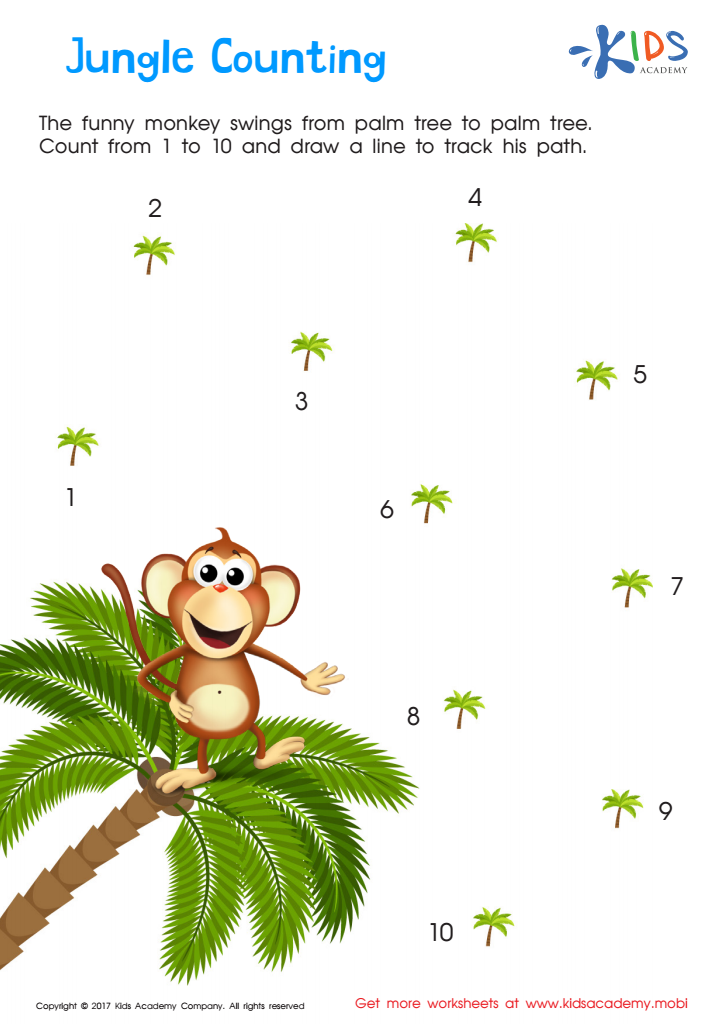
Jungle Counting Connect Dots Worksheet
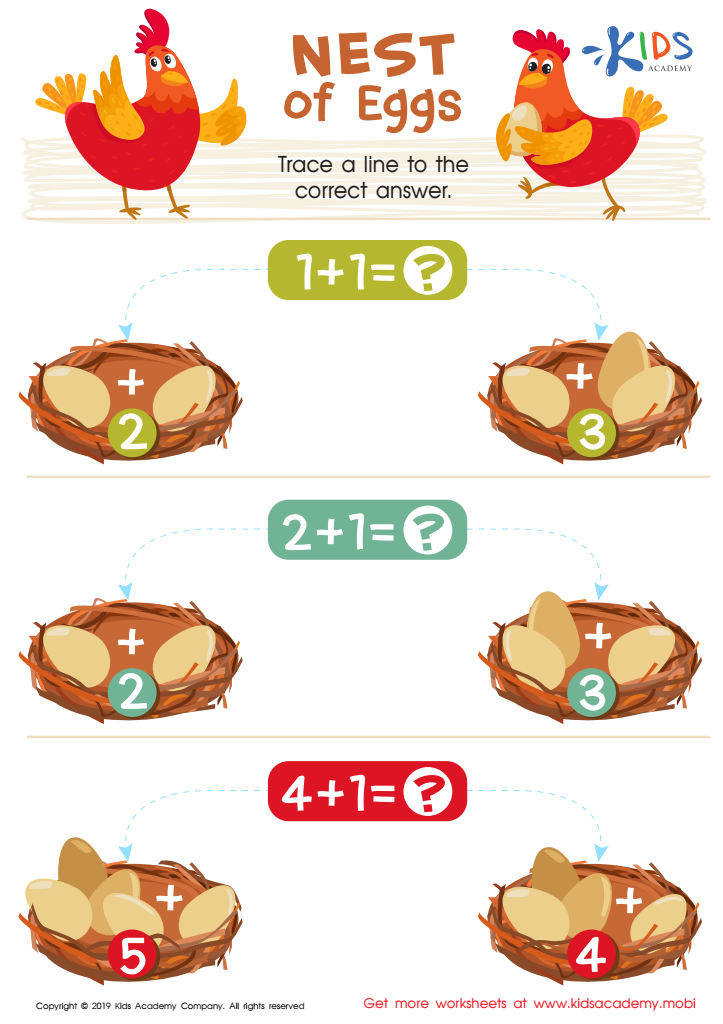
Nest of Eggs Worksheet
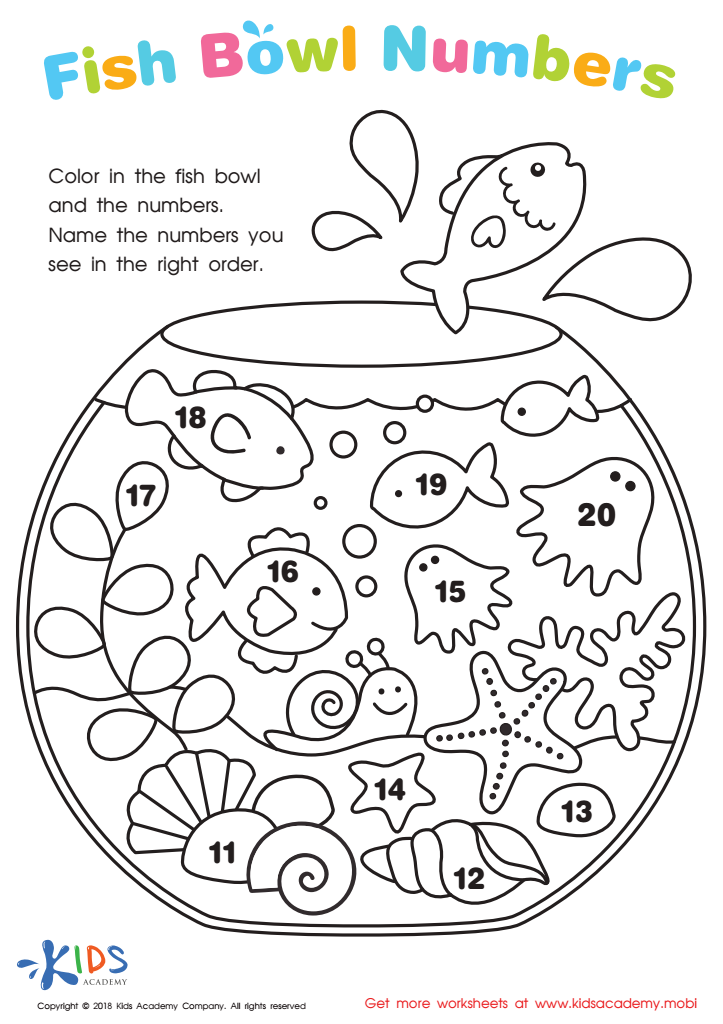
Fish Bowl Numbers Worksheet
 Assign to My Students
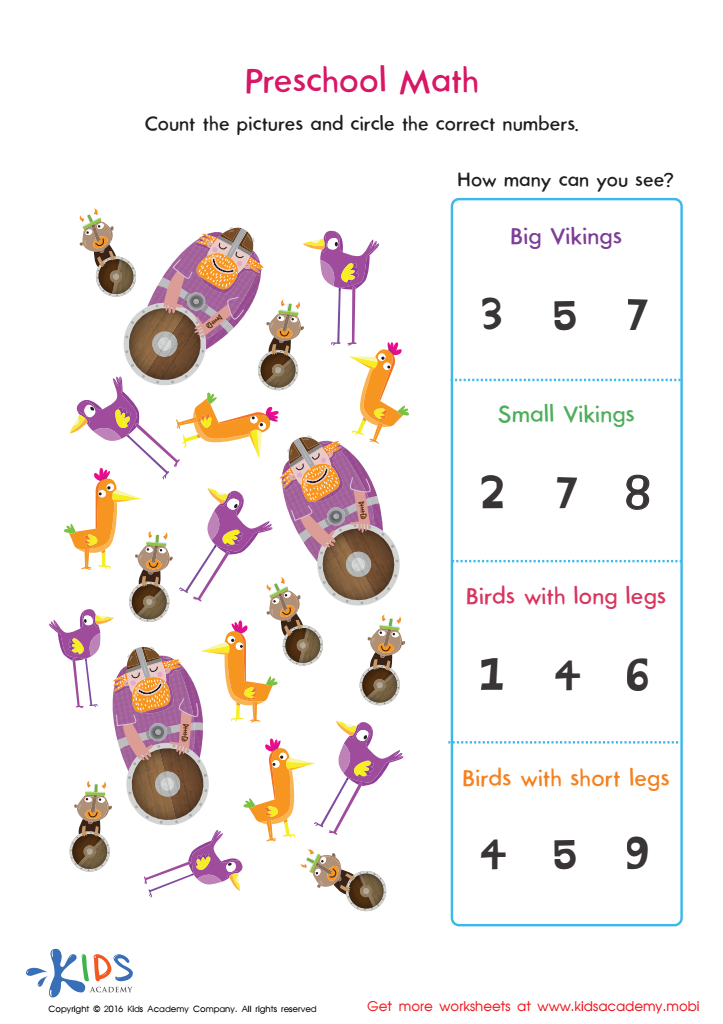







Counting skills are foundational for children's early mathematical understanding and overall cognitive development. Encouraging counting beyond the basics can bolster a child's numerical fluency and confidence. For parents and teachers working with children ages 3-7, focusing on counting skills through extra challenges can take various forms, such as games, practical activities, or themed counting scenarios.
These challenges can spark a child's curiosity, making math enjoyable and engaging. They foster critical thinking and problem-solving abilities, allowing children to explore numbers in different contexts, from structuring simple patterns to identifying quantities in their environment.
Moreover, strong counting skills at an early age set the stage for future academic success in subjects like math and science. It prepares children to tackle more complex concepts, such as addition and subtraction, during their elementary years. By actively participating in enhancing these skills, parents and teachers nurture a supportive learning environment, fostering a love for learning. Additionally, children with proficient counting skills often exhibit greater self-esteem and motivation in their learning endeavors.
In conclusion, prioritizing counting skills through extra challenges enriches children's academic journey and equips them with vital skills that will benefit them throughout their education and beyond.








