Counting skills Extra Challenge Math Worksheets for Ages 3-7 - Page 3
50 filtered results
-
From - To
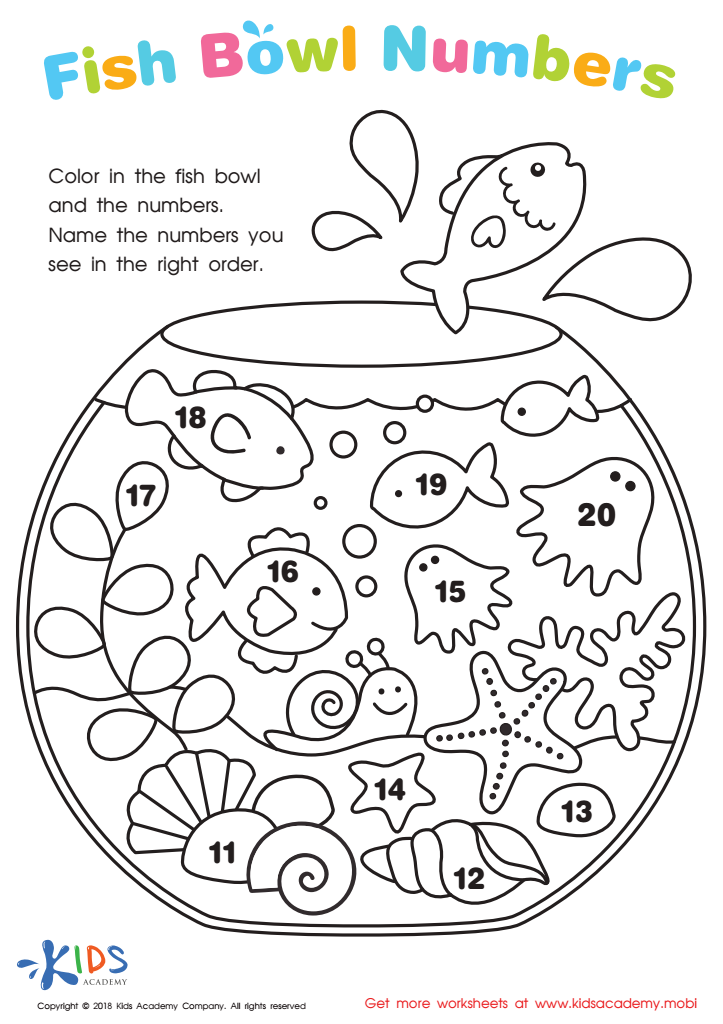
Fish Bowl Numbers Worksheet
 Assign to My Students
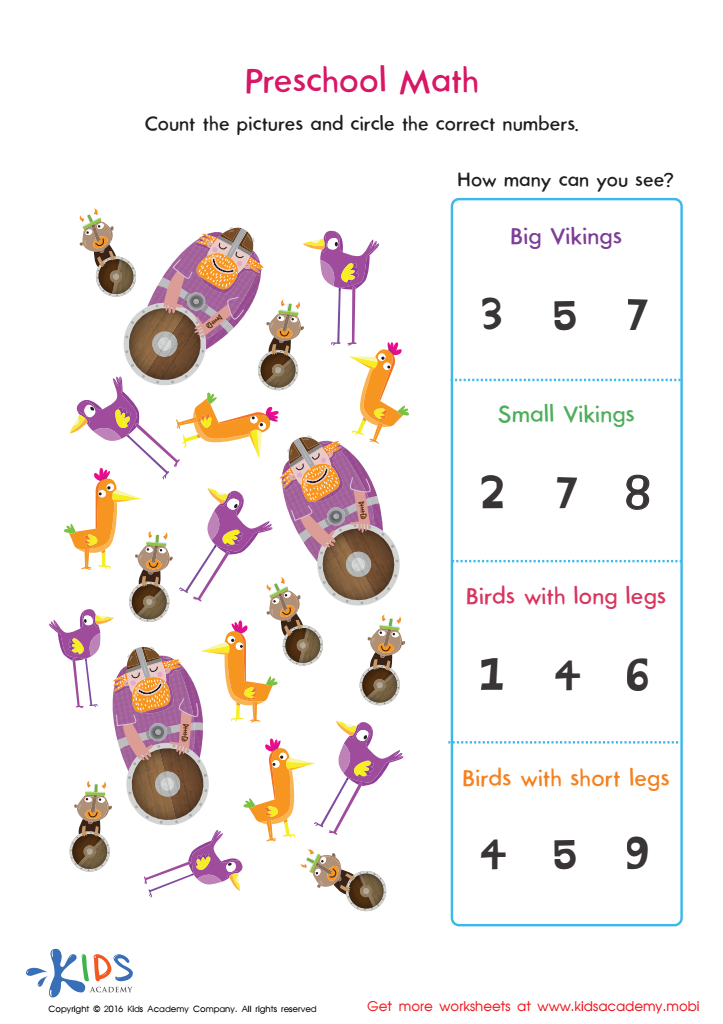



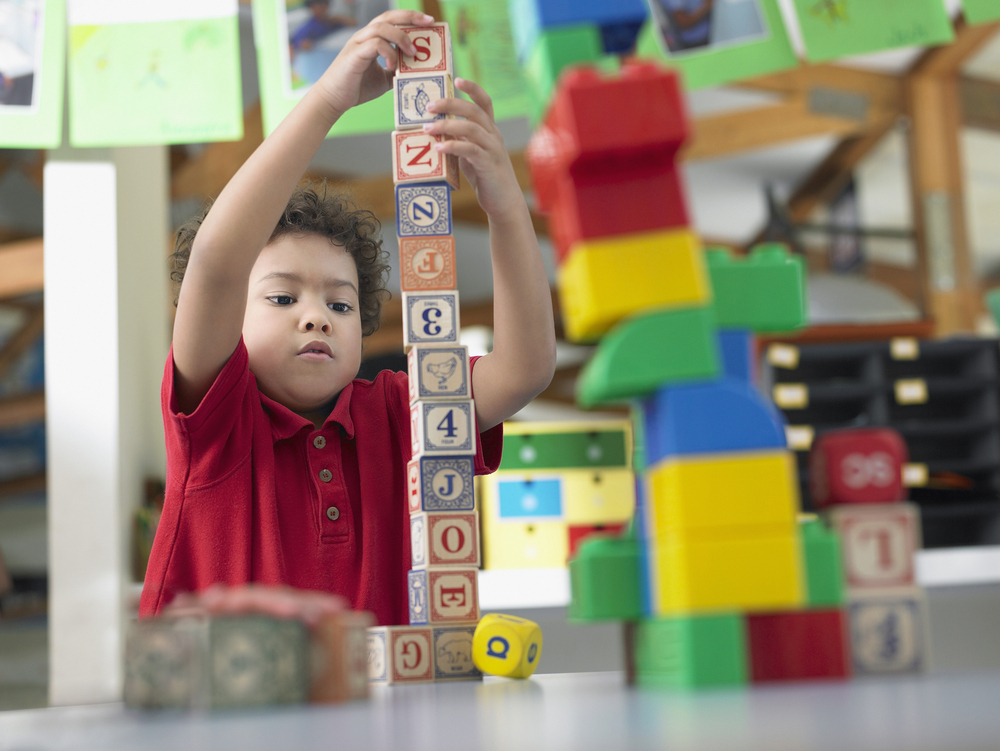




Counting skills serve as foundational building blocks for children's overall mathematics understanding. For children ages 3-7, mastering counting not only enhances their ability to recognize and understand numbers but also prepares them for more complex mathematical concepts later on. Engaging in activities that focus on counting fosters critical cognitive development, encouraging problem-solving skills, logical reasoning, and spatial awareness.
Parents and teachers should care about extra-challenge math programs, as they can enhance motivation and engagement in young learners. By introducing innovative and fun counting challenges, these programs encourage children to practice their skills in an enjoyable way, reducing math anxiety and building confidence. Furthermore, they provide opportunities for children to explore counting through different contexts, such as grouping, measuring, and problem-solving, which makes learning more relatable.
Offering additional counting challenges equips educators and parents to tailor learning experiences to each child's abilities, ensuring they progress at a suitable pace. This individualized attention fosters a love for learning and sets the stage for future academic success. Thus, focusing on counting skills and supplementary challenges is crucial for cultivating a strong mathematical foundation in young learners. Investing in these skills at an early age pays dividends throughout their educational journey.