Extra Challenge Building Vocabulary Worksheets for Ages 3-7 - Page 2
27 filtered results
-
From - To
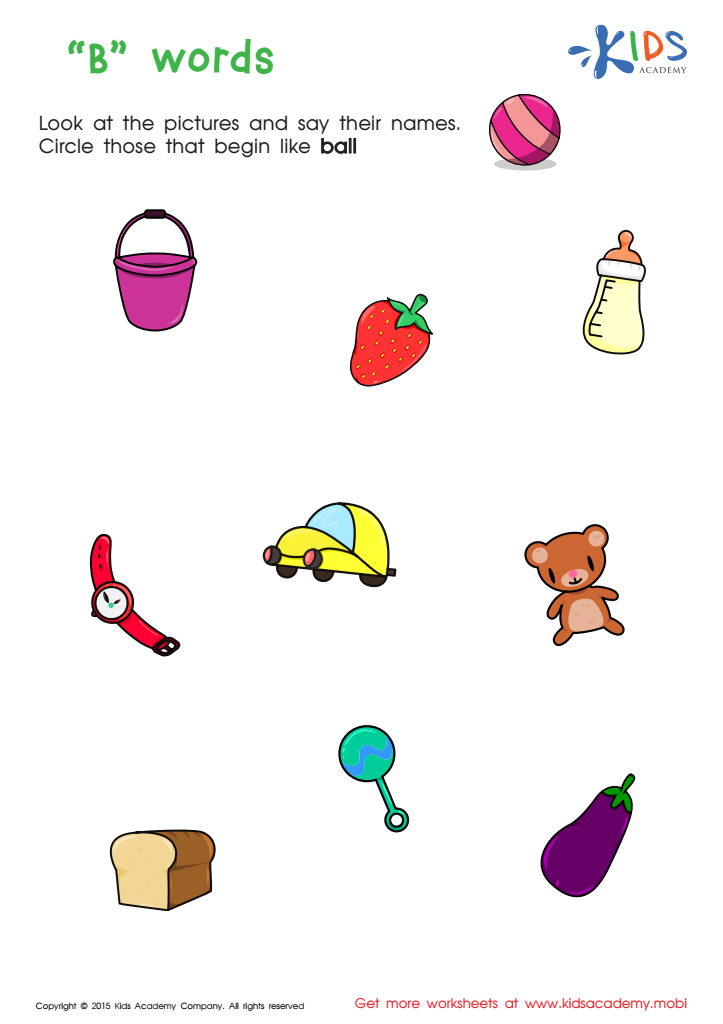
First Words Worksheet
 Assign to My Students











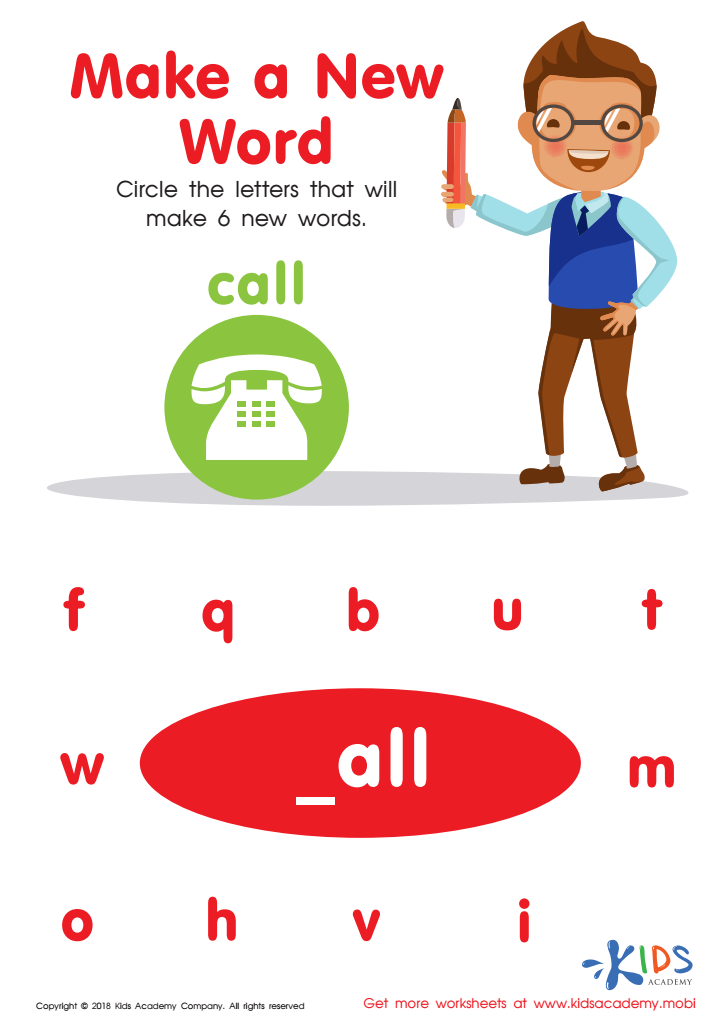
Make a New Word Worksheet
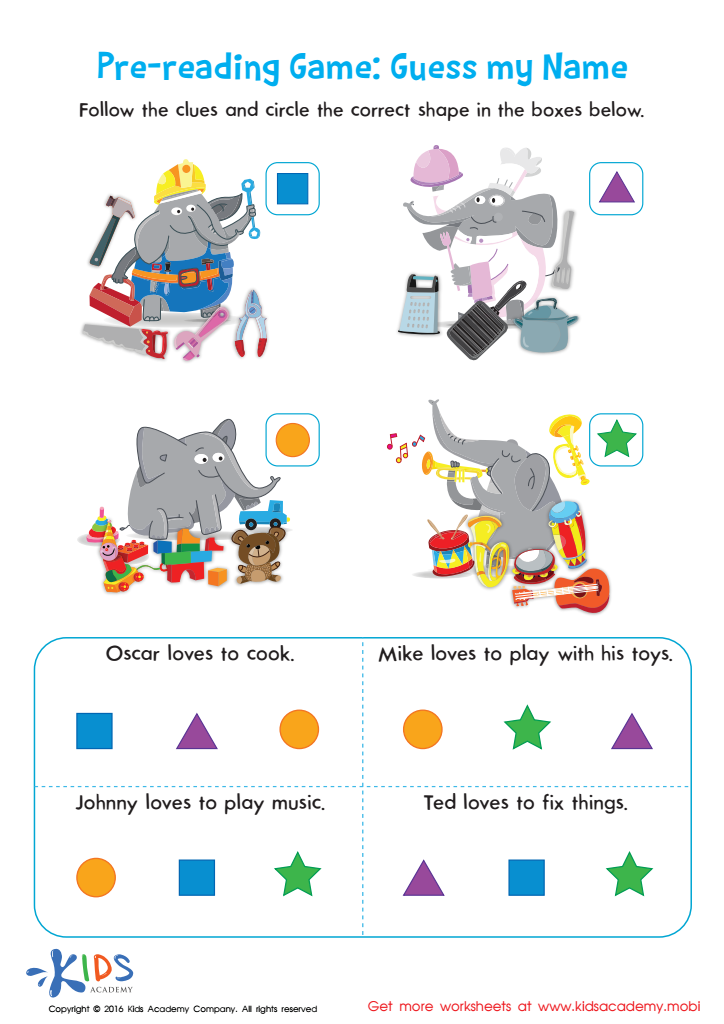
Pre Reading Worksheet Guess My Name







Expanding vocabulary in children ages 3-7 is crucial for their overall cognitive and language development. During this pivotal stage, their brains are exceptionally receptive to learning new words and concepts. Enriching their vocabulary can significantly enhance their communication skills, enabling them to express themselves more clearly and confidently.
For parents and teachers, focusing on extra challenges to build vocabulary helps lay a strong foundation for reading and writing skills. When children understand a wider range of words, they can better comprehend stories, follow instructions, and engage in more meaningful conversations. This early mastery of language also boosts their academic performance and prepares them for the more complex language demands of later schooling.
Moreover, a rich vocabulary is closely linked to critical thinking and problem-solving abilities. It allows children to describe their thoughts and understand concepts more comprehensively. This enhanced ability to interact with their environment and others fosters social development and emotional intelligence.
By prioritizing vocabulary enrichment, parents and teachers invest in children's intellectual growth and future success. Integrating challenging, engaging activities makes learning fun and encourages a lifelong love for reading, directly contributing to their academic and personal development. Indulging in stories, discussions, songs, and games are not just enjoyable but instrumental in their growth.