Alphabet Recognition Extra Challenge ABC Letters Worksheets for Ages 3-8
3 filtered results
-
From - To
Introducing our "Alphabet Recognition Extra Challenge ABC Letters Worksheets" for children ages 3-8! These engaging and vibrant worksheets are designed to enhance letter recognition and alphabet skills through fun and challenging activities. Ideal for preschool to second graders, our worksheets offer variety and creativity, pushing young learners to identify, trace, and match letters with ease. Perfect for at-home practice or classroom use, they stimulate cognitive development and motor skills in an enjoyable way. Give your child the edge they need in early literacy with these expertly crafted educational resources! Start your child's alphabet adventure today!
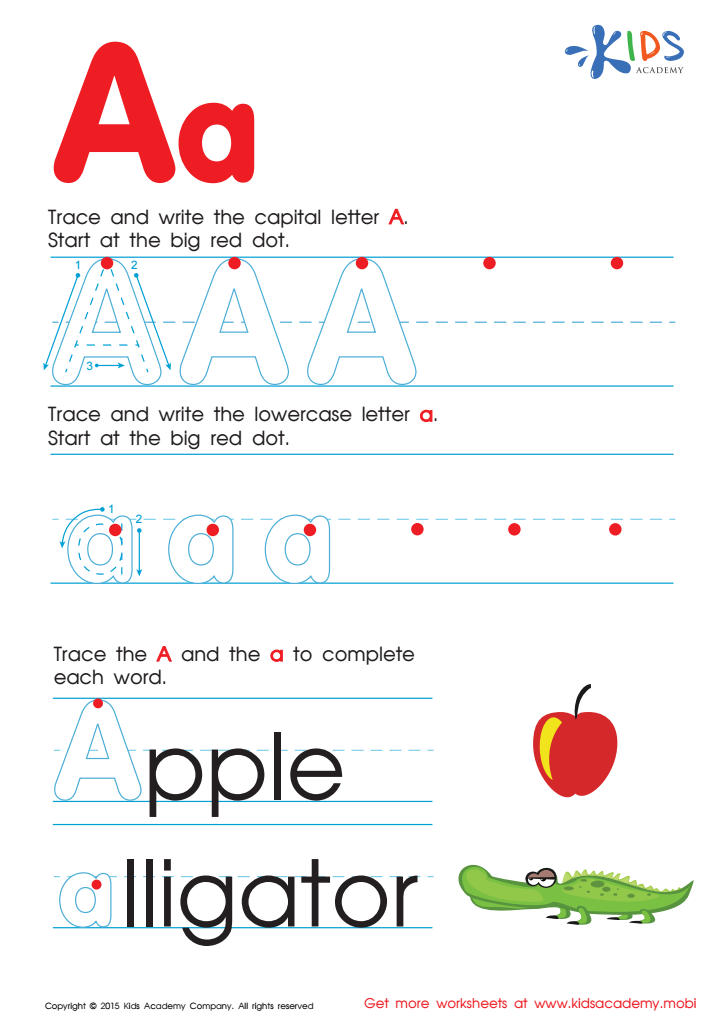
Letter A Tracing Page
 Assign to My Students





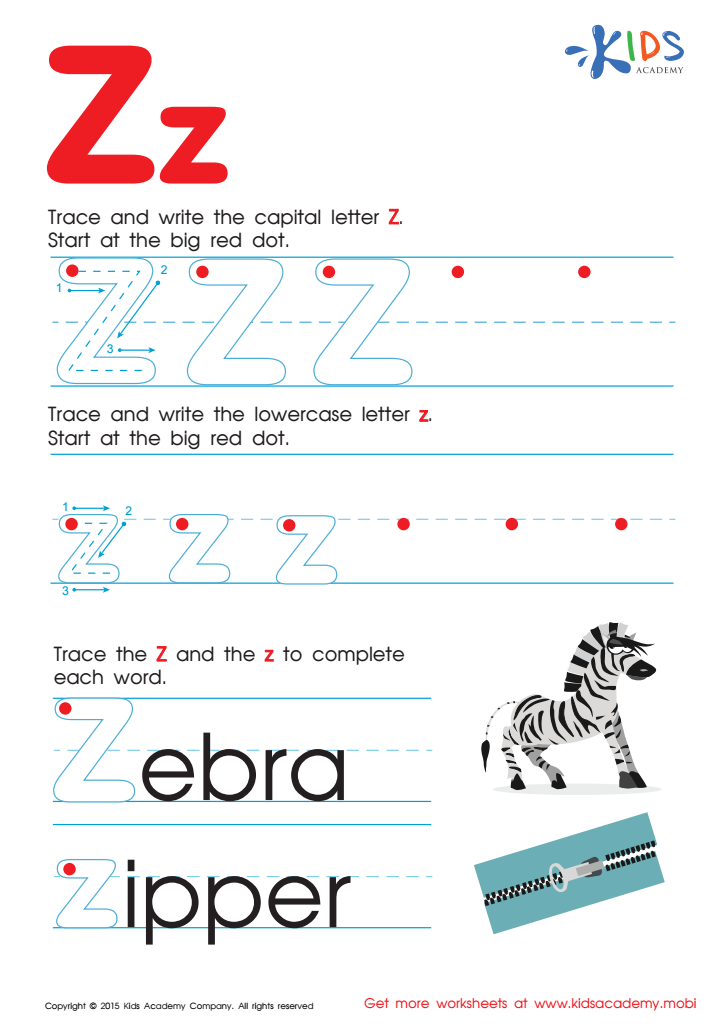
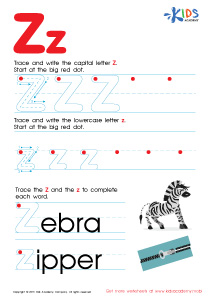
Letter Z Tracing Page
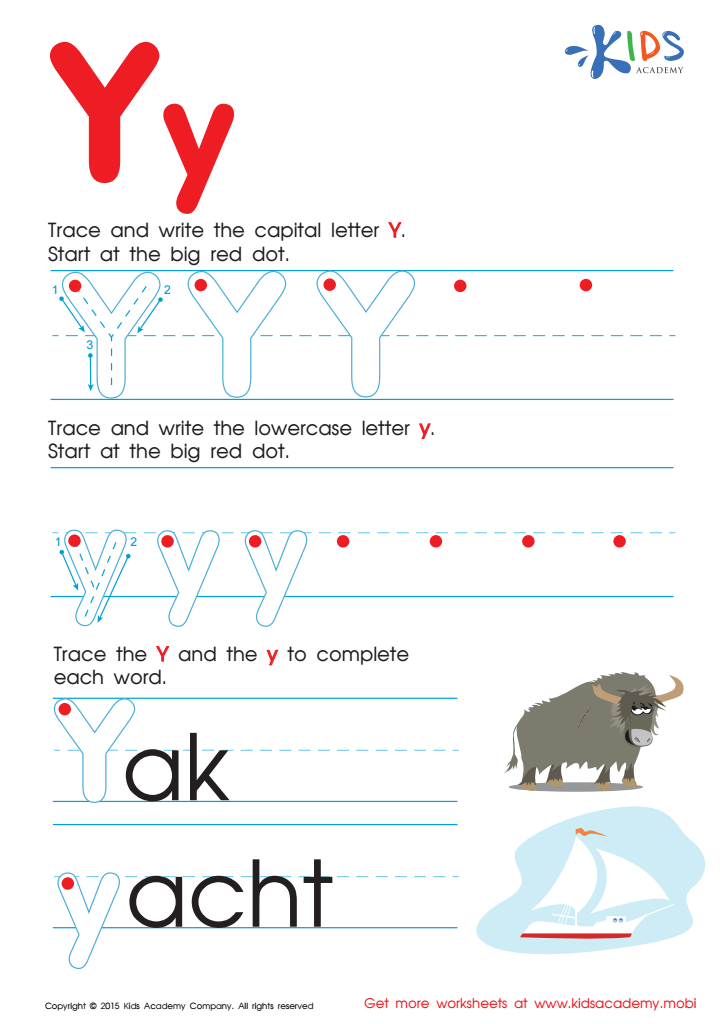
Letter Y Tracing Page








Parents and teachers should care about Alphabet Recognition Extra Challenge ABC Letters for ages 3-8 because it lays a fundamental cornerstone in a child's educational journey. During these early years, children's brains are in a critical phase of development, making it essential to engage them with foundational skills like alphabet recognition. These challenges promote literacy, which is pivotal for later reading and writing abilities.
Engaging with such activities strengthens cognitive skills by fostering attention, memory, and pattern recognition. It builds their confidence and sets up a positive attitude toward learning. For parents, it offers an opportunity to participate in their child's learning, enabling them to understand and support their child's progress. For teachers, these challenges can help identify students who may need extra assistance early on, ensuring timely intervention.
Moreover, these activities often incorporate fun and interactive elements, making learning enjoyable and less intimidating for children. Mastery of alphabet recognition is linked to later academic success, as it is foundational to all future literacy skills. By investing time and effort in these early educational activities, parents and teachers can cultivate a strong literacy foundation, setting the stage for a child's lifelong love of learning and academic achievement.