Letter recognition Extra Challenge Tracing Letters Worksheets for Ages 3-8
7 filtered results
-
From - To
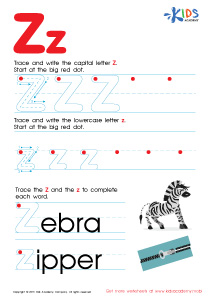
Boost your child's literacy skills with our Letter Recognition Extra Challenge Tracing Letters Worksheets, specially designed for ages 3-8. These engaging worksheets foster early literacy development through fun, interactive tracing activities. Each worksheet encourages children to practice letter formation while enhancing their recognition of both uppercase and lowercase letters. Ideal for preschool and early elementary learners, our resources help build essential handwriting skills and boost confidence in reading and writing. With a variety of exercises to choose from, your little one will enjoy hours of educational play. Start the journey towards reading readiness today with these delightful tracing worksheets!
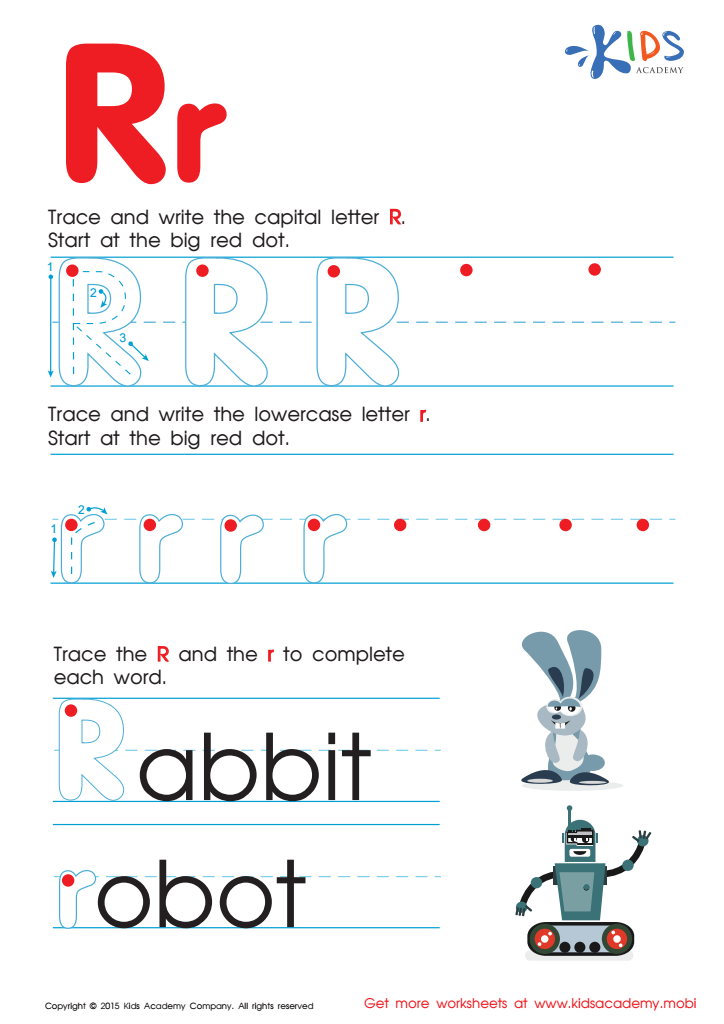
Letter R Tracing Page
 Assign to My Students
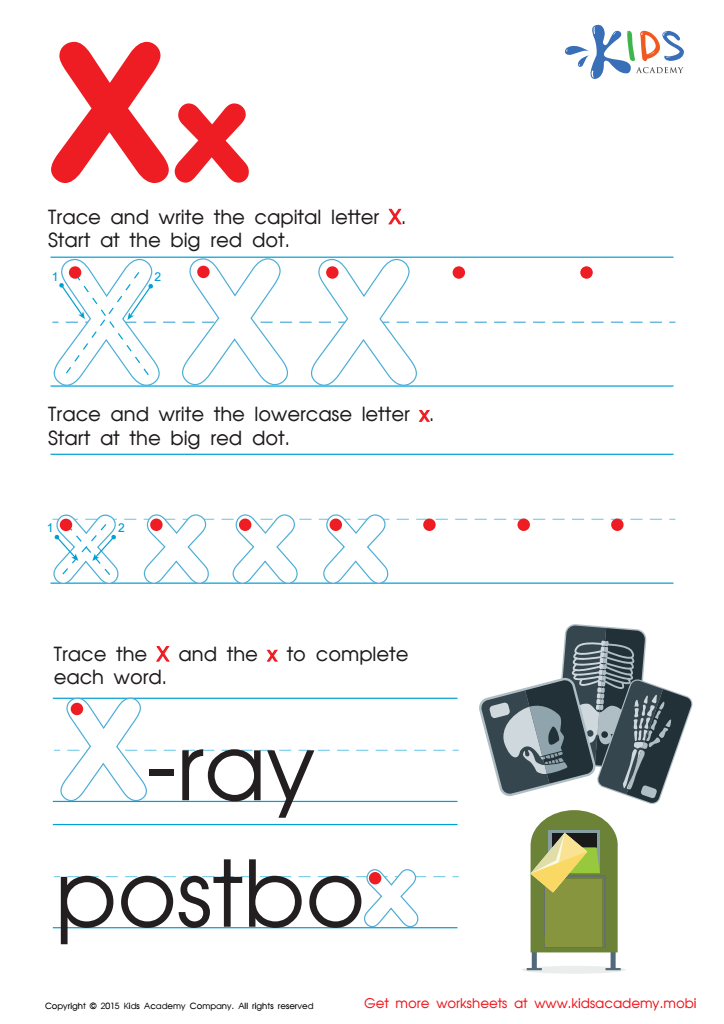
Letter X Tracing Page
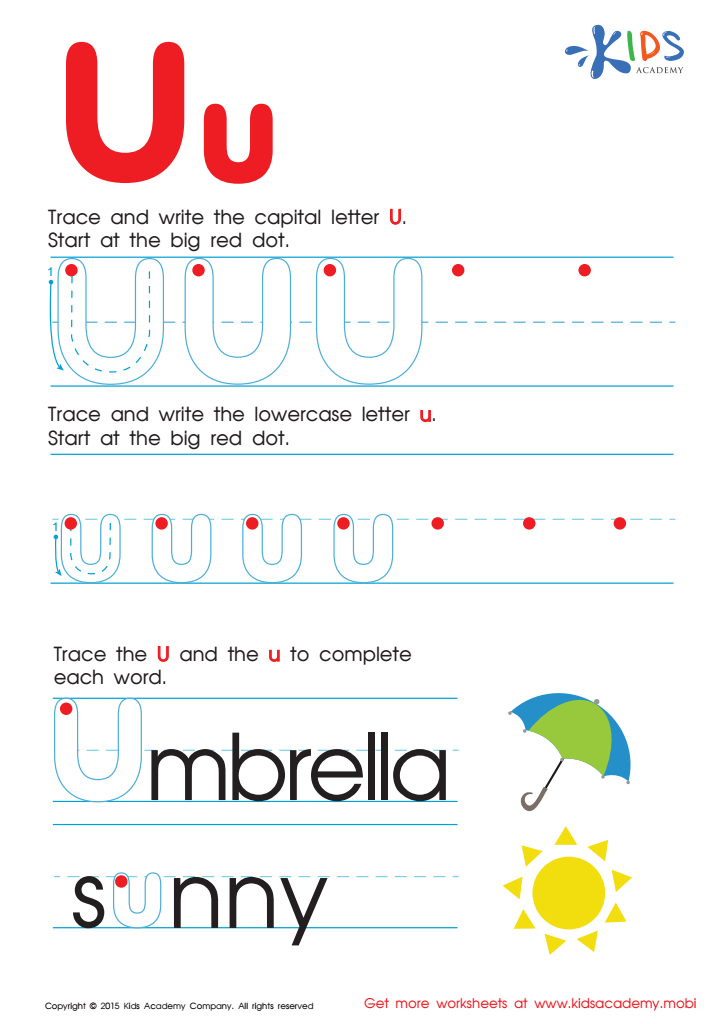
Letter U Tracing Page
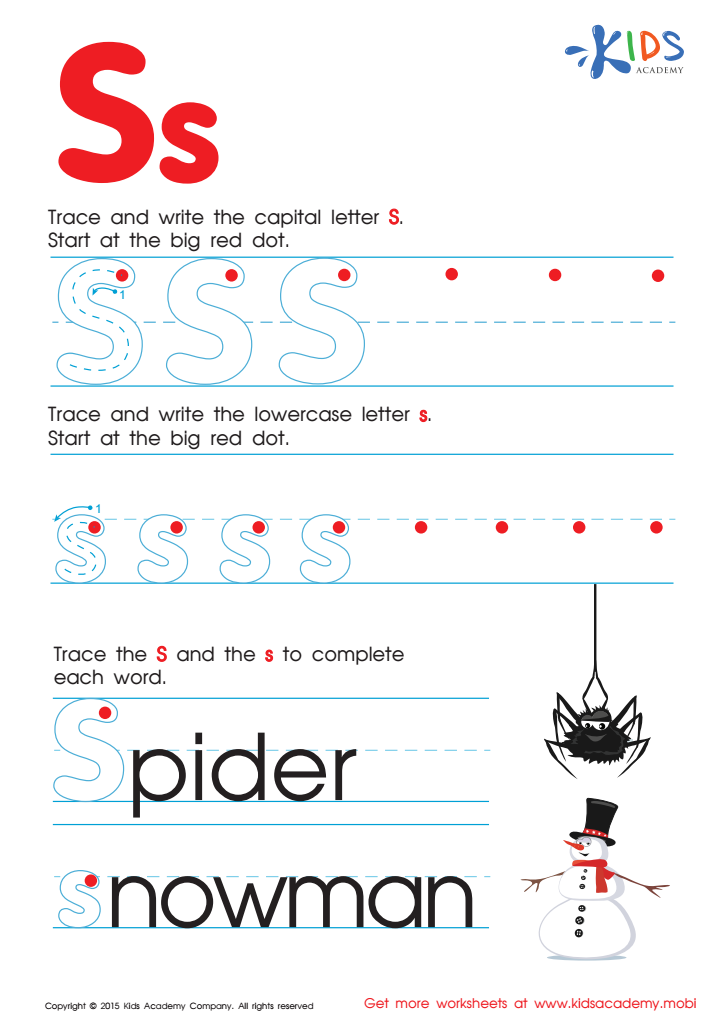
Letter S Tracing Page
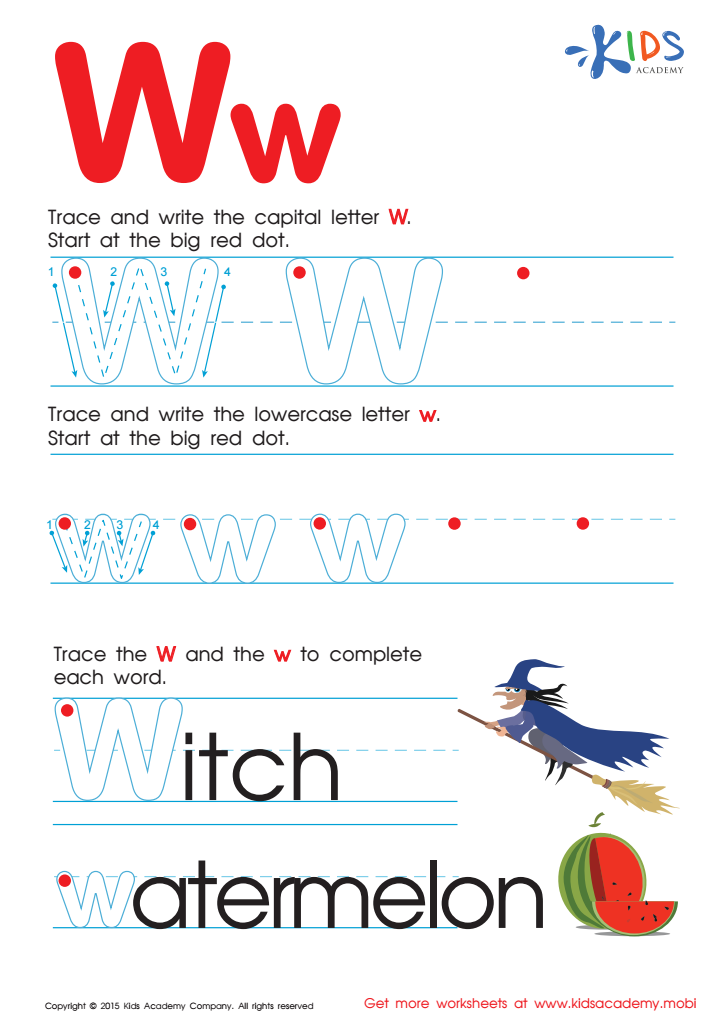
Letter W Tracing Page
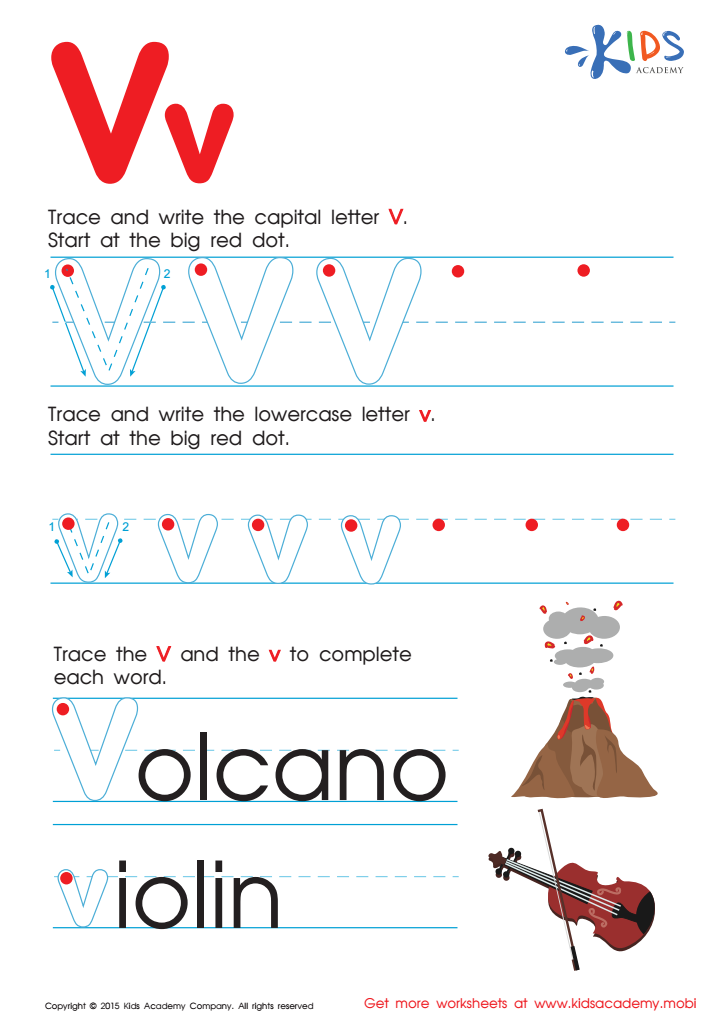
Letter V Tracing Page
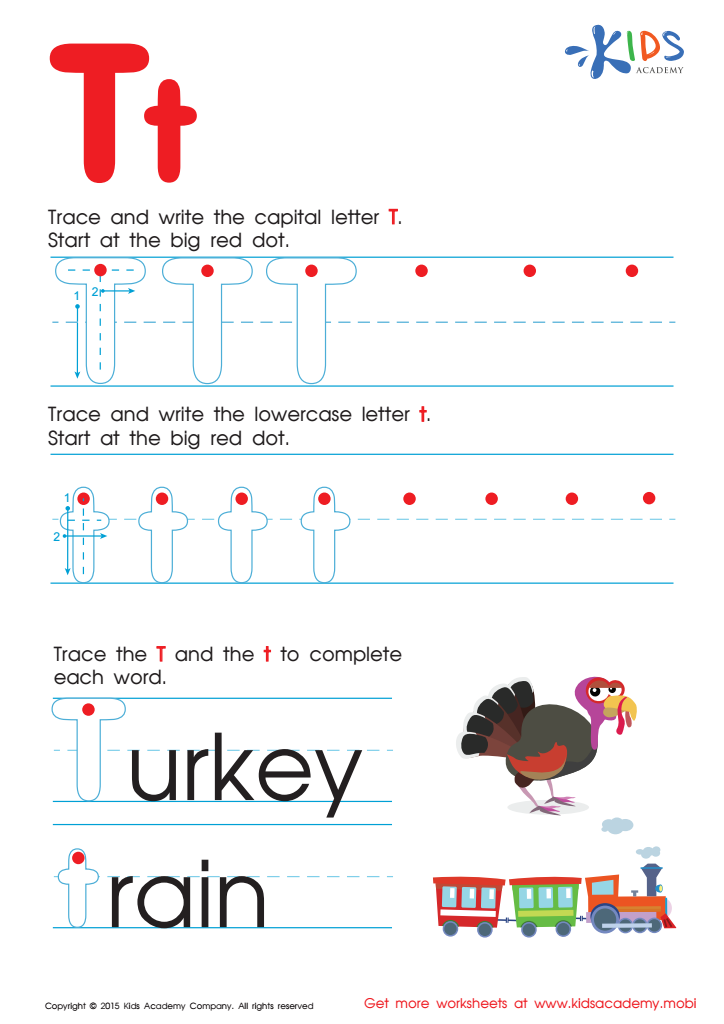
Letter T Tracing Page







Letter recognition is a foundational skill crucial for early literacy development in children ages 3 to 8. Parents and teachers should prioritize letter recognition activities, such as tracing letters, as they provide significant cognitive, physical, and emotional benefits.
Firstly, letter recognition is essential in helping children understand that letters represent sounds and build the basis for reading and writing. Tracing letters accelerates this process by allowing children to develop fine motor skills and hand-eye coordination, necessary for writing letters correctly. Engaging in this hands-on activity keeps their attention, making learning enjoyable.
Additionally, letter tracing activities promote cognitive skills by encouraging memory recall and pattern recognition. Children can visualize the letter shapes while reinforcing their understanding through repetition. Furthermore, as they trace, they gain confidence in their abilities, making them more eager to explore reading and writing.
For parents and teachers, these activities can serve as valuable opportunities for interaction, bonding, and reinforcing concepts in a supportive environment. Encouraging letter recognition through tracing not only lays the groundwork for literacy but also endorses a love for learning—an essential factor in a child’s overall development and academic success. Thus, investing time in these activities is truly worthwhile.