Basic Addition Extra Challenge Numbers 0–10 Worksheets for Ages 3-8
4 filtered results
-
From - To
Unlock your child's math potential with our "Basic Addition Extra Challenge Numbers 0–10 Worksheets" designed for ages 3-8! These engaging and interactive worksheets encourage young learners to master fundamental addition skills in a fun and stimulating way. Featuring colorful illustrations and diverse exercises, children will practice adding numbers from 0 to 10 while developing critical cognitive abilities. Ideal for home or school use, these worksheets seamlessly blend entertainment with education, promoting confidence in math. Challenge your child today and watch them flourish in their mathematical journey! Perfect for reinforcing classroom lessons and enhancing early numeracy skills. Download now and get started!
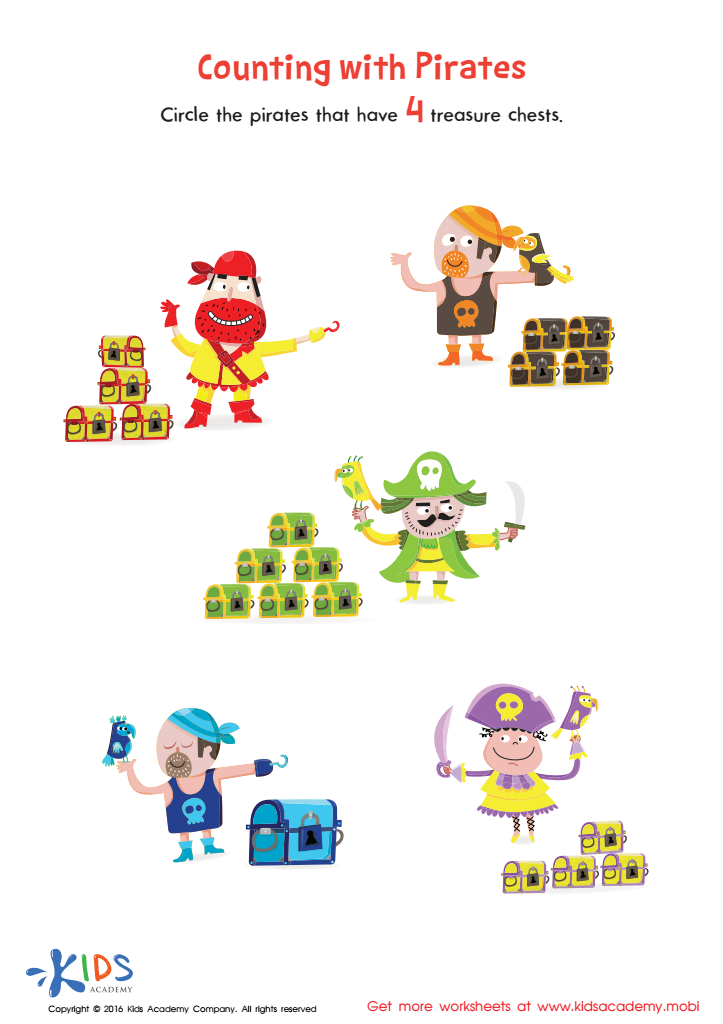
Counting With Pirates Worksheet
 Assign to My Students
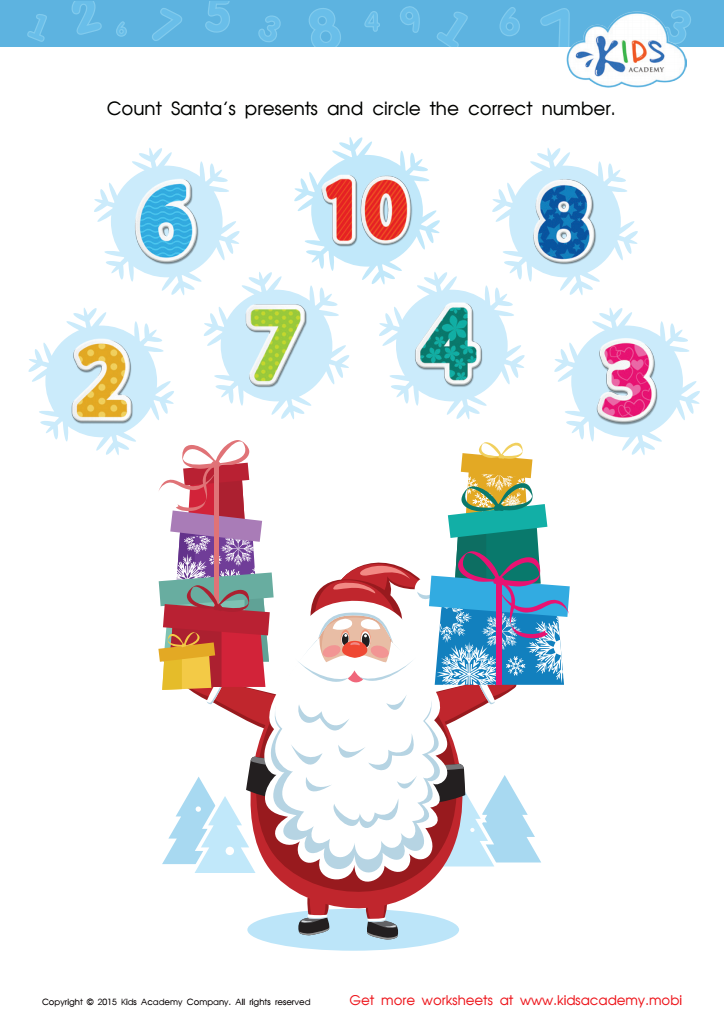
Count Santa's Presents Worksheet
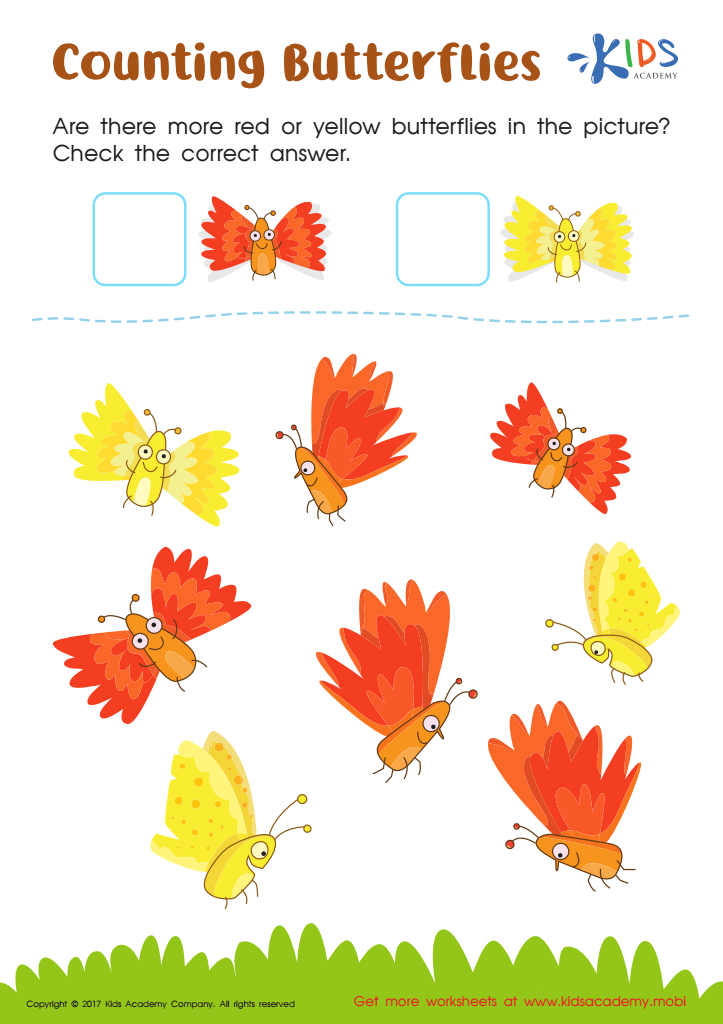
Counting Butterflies Worksheet
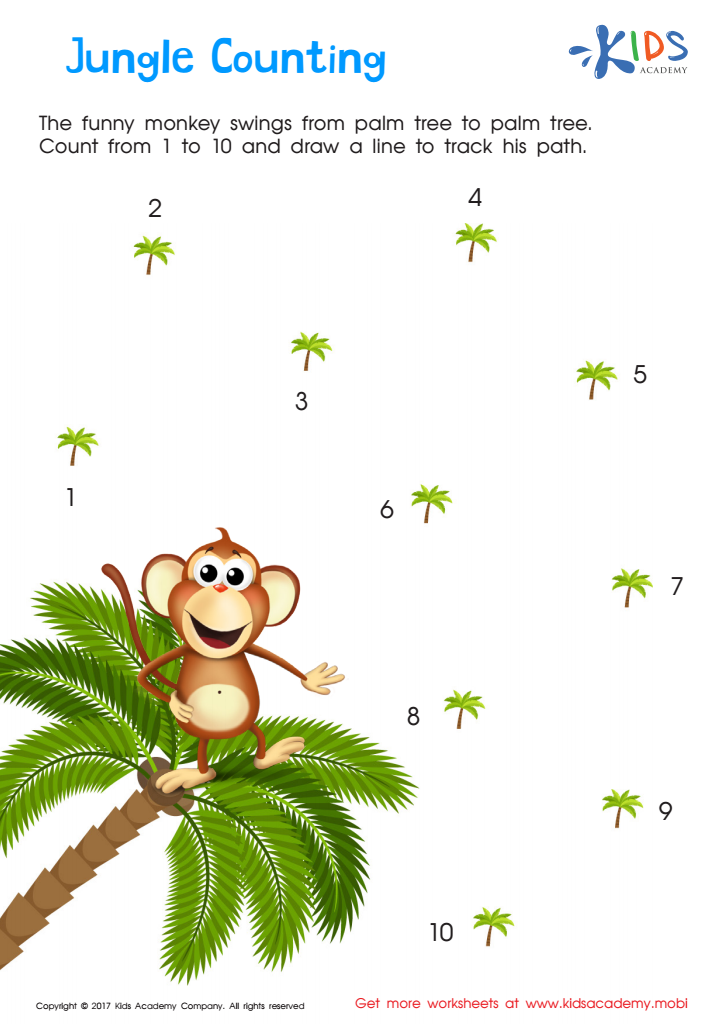
Jungle Counting Connect Dots Worksheet








Parents and teachers should prioritize basic addition concepts for children aged 3-8, especially when focusing on numbers 0-10, because this foundational skill sets the stage for all future mathematical learning. Early exposure to addition helps develop critical thinking and problem-solving skills, essential for academic success across all subjects.
Ages 3-8 are crucial for cognitive development; children begin to understand numerical concepts, patterns, and relationships. By introducing fun and engaging activities that involve basic addition within this number range, caregivers can help children build confidence and a positive attitude towards math. Mastery of basic addition not only promotes numerical fluency but also enhances memory and attention skills.
Engaging children in extra challenge activities related to basic addition fosters perseverance and resilience. Establishing a strong math identity at such a young age can prevent anxiety and negative attitudes toward mathematics in the future. Moreover, incorporating physical objects for counting, visual aids, or interactive games can create an enjoyable learning environment. Ultimately, focusing on basic addition prepares children for more complex mathematical concepts, empowering them to excel in their educational journey. Supporting their learning at this stage is vital for fostering a lifelong love for mathematics.