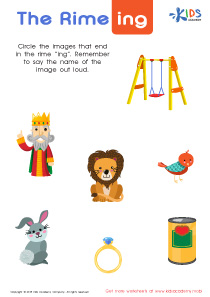
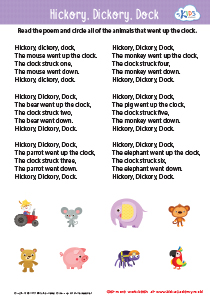
Cognitive Development Extra Challenge Reading Worksheets for Ages 3-8
7 filtered results
-
From - To
Enhance your child's cognitive abilities with our "Cognitive Development Extra Challenge Reading Worksheets for Ages 3-8." Designed to stimulate young minds, these worksheets are tailored to boost linguistic skills, improve comprehension, and promote critical thinking. Each activity is crafted to challenge ages 3-8, making learning an engaging and dynamic experience. Our fun, educational resources are a perfect fit whether for homeschooling, classroom enrichment, or supplemental practice. Give your child the cognitive edge they need with exercises that go beyond basic learning, nurturing advanced reading skills and unlocking their full potential. Explore the possibilities of enriched learning today!
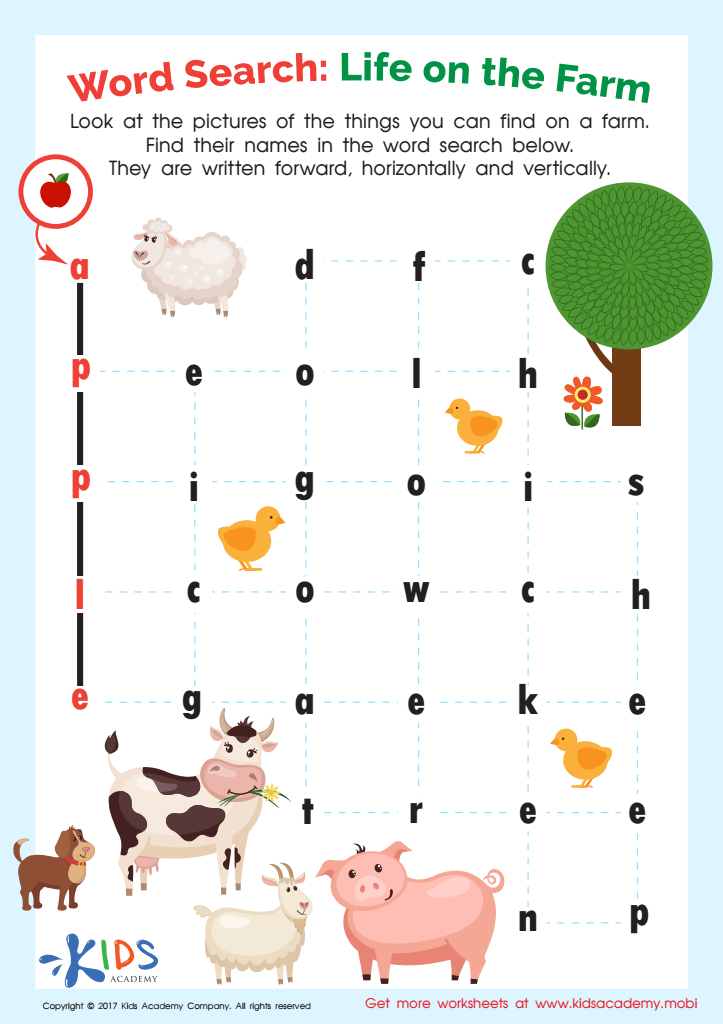
Word Search Puzzles Worksheet
 Assign to My Students
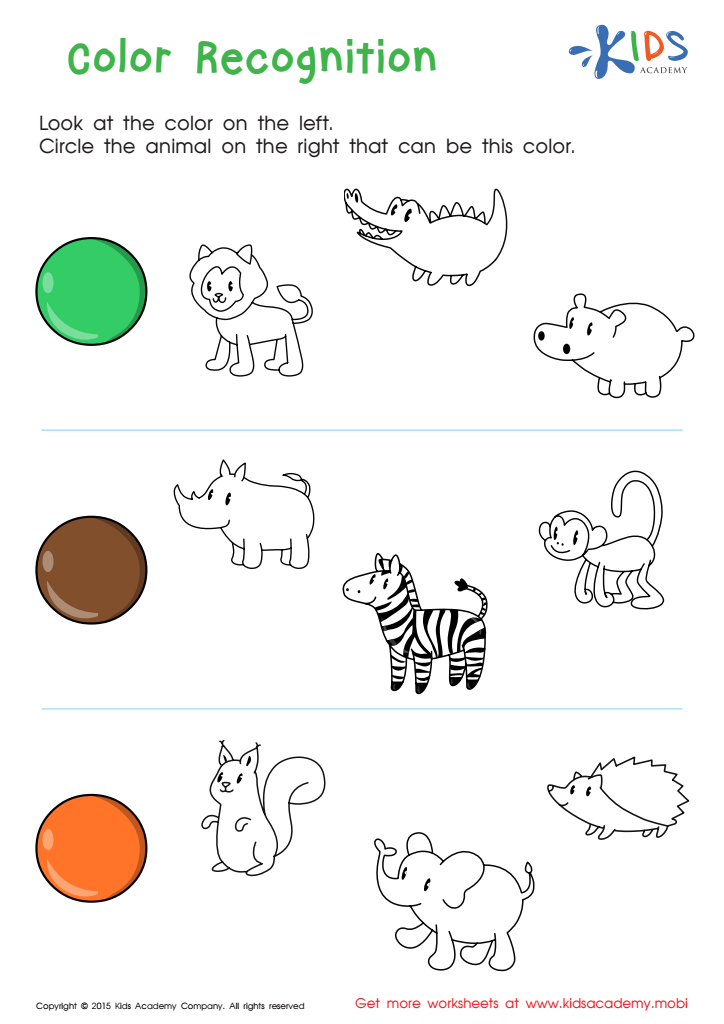
First Words: Color Recognition Worksheet
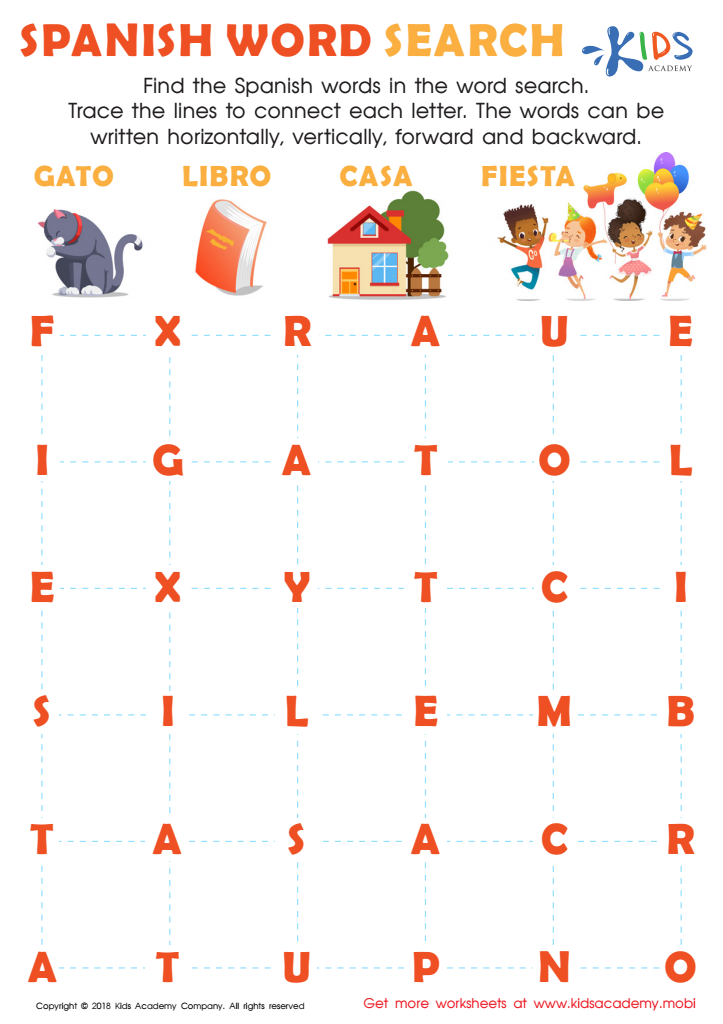
Spanish Word Search Worksheet
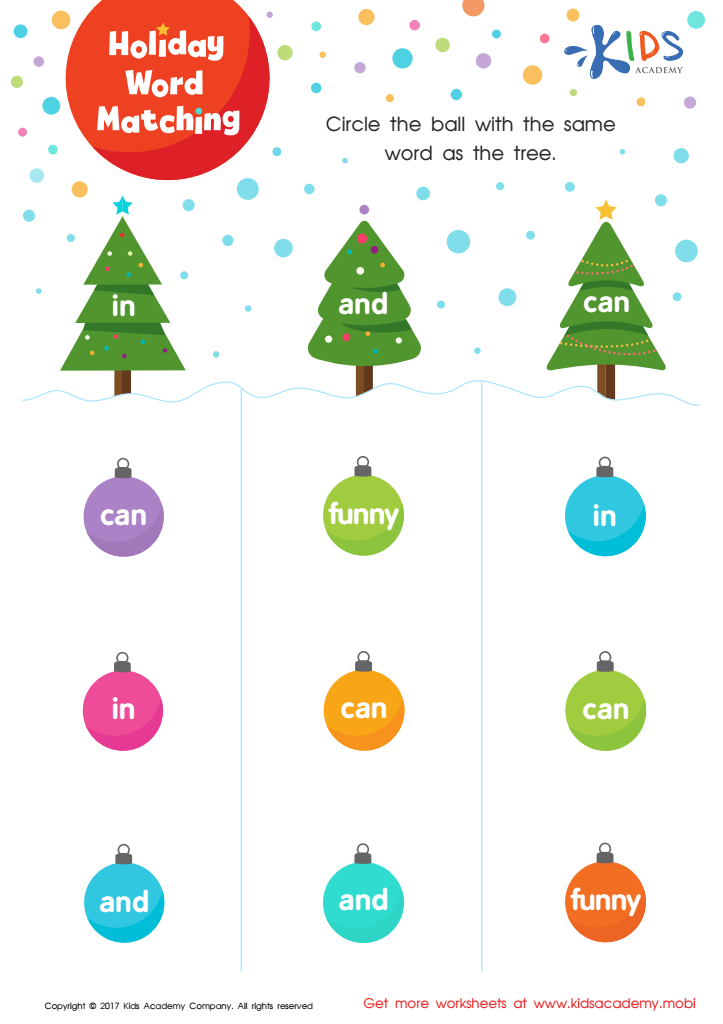
Holiday Word Matching Worksheet
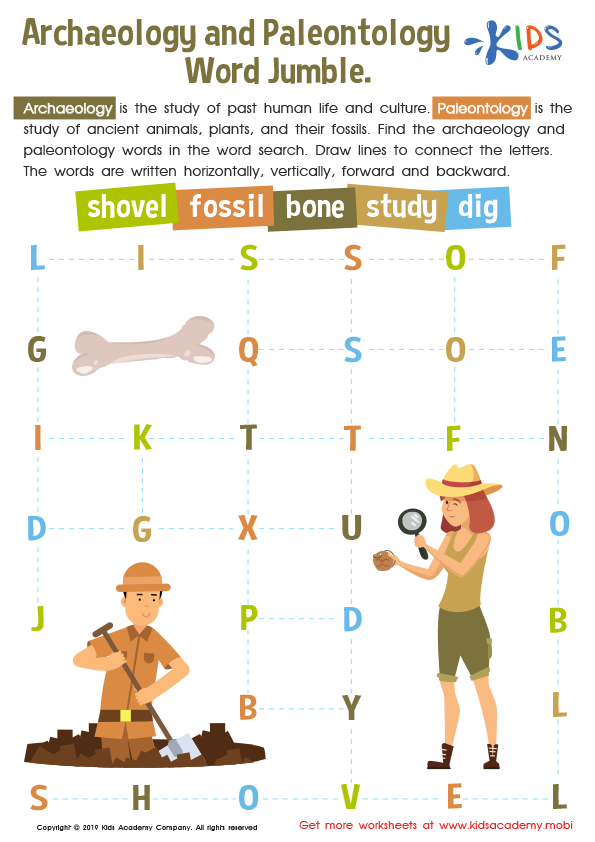
Archaeology and Paleontology Word Jumble Worksheet
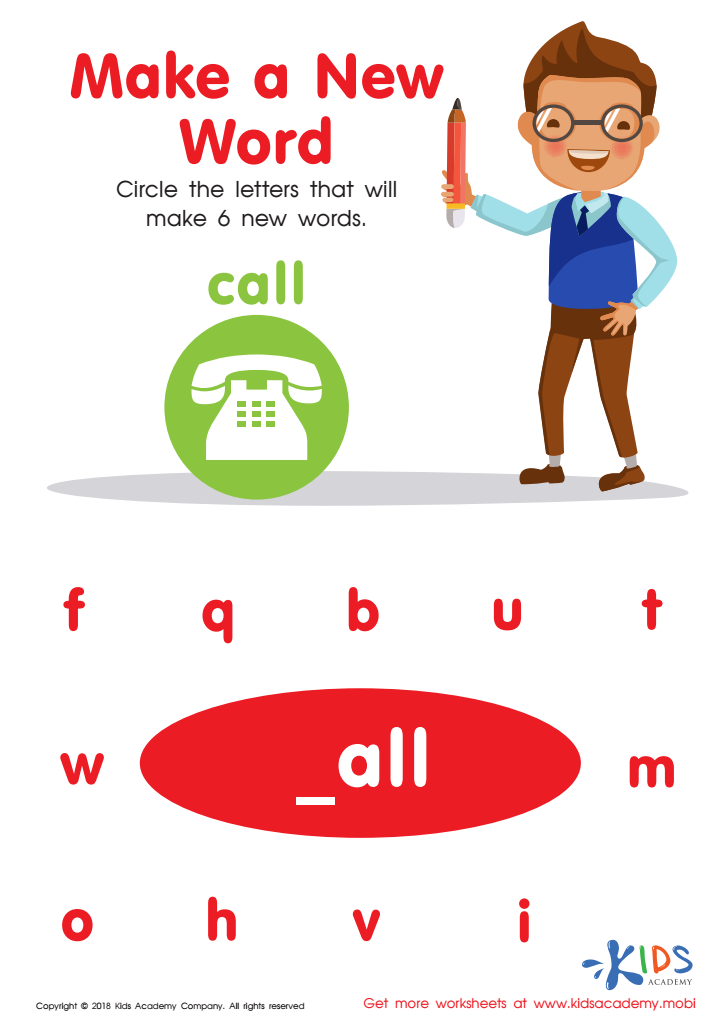
Make a New Word Worksheet
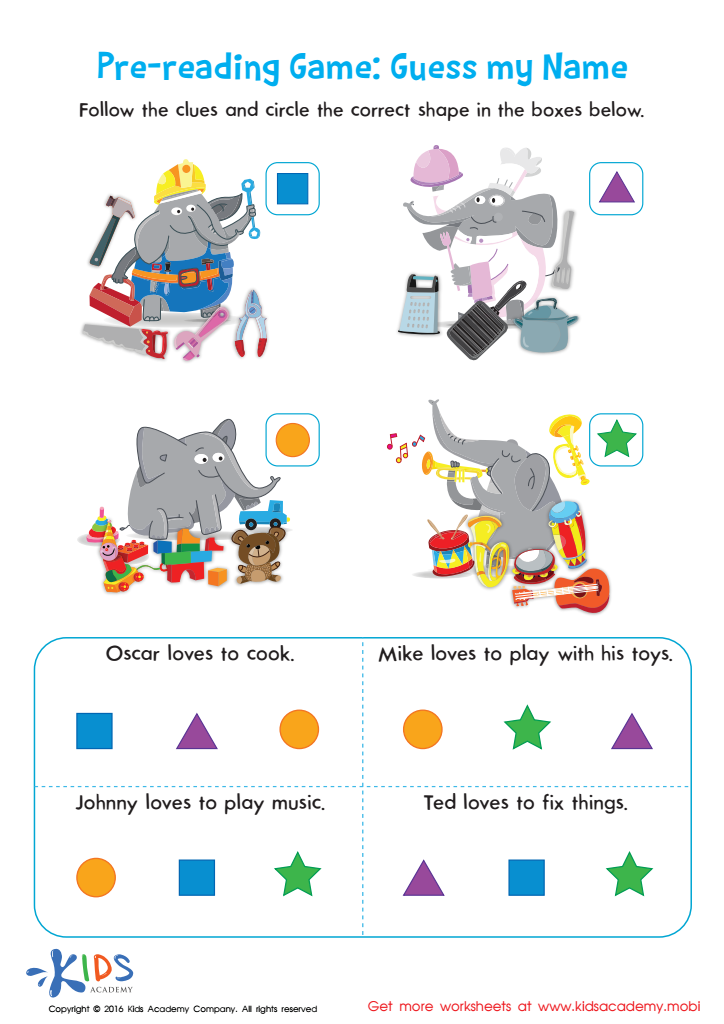
Pre Reading Worksheet Guess My Name


.jpg)



Cognitive Development Extra Challenge Reading for children aged 3-8 is crucial because it lays the foundational skills crucial for future learning and cognitive abilities. During this formative period, children's brains undergo rapid growth and development. Engaging activities like challenging reading can stimulate neural connections, enhancing memory, attention, and problem-solving skills.
For parents and teachers, facilitating these reading experiences means supporting children in developing critical pre-literacy and literacy skills, such as vocabulary acquisition, phonemic awareness, and comprehension. Early exposure to diverse and challenging texts helps children to decode words, recognize patterns, and make connections, which are essential for successful reading and writing.
Moreover, this kind of cognitive engagement fosters a love for learning and curiosity. It encourages critical thinking and creativity as children are introduced to new concepts and perspectives. Books can serve as windows to different cultures, histories, and ideas, broadening the young learners' horizons and promoting empathy and understanding.
By prioritizing Cognitive Development Extra Challenge Reading, parents and teachers prepare children not only for academic success but also for lifelong learning and adaptable thinking. This dedication also reinforces the importance of educational involvement at home and school, creating a unified support system vital for a child's growth and stability.