Logical thinking Extra Challenge Grammar Worksheets for Ages 3-8
3 filtered results
-
From - To
Boost your child's logical thinking and grammar skills with our engaging "Logical Thinking Extra Challenge Grammar Worksheets for Ages 3-8." Carefully designed for young learners, these worksheets offer exciting activities that blend fun and learning. From identifying patterns to piecing together sentences, each task nurtures critical thinking and linguistic abilities. Perfect for homeschooling or supplemental education, these easy-to-print worksheets support early writing and comprehension skills, ensuring a strong academic foundation. Visit Kids Academy today and give your child an extra challenge that transforms learning into a joyful adventure!
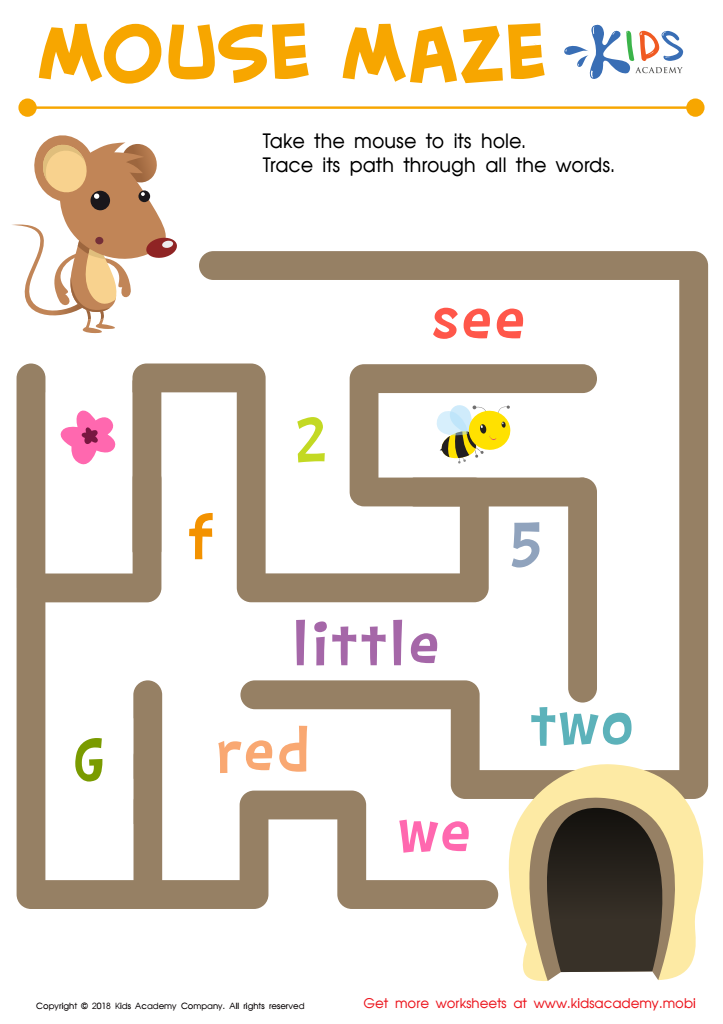
Find Words Mouse Maze Worksheet
 Assign to My Students
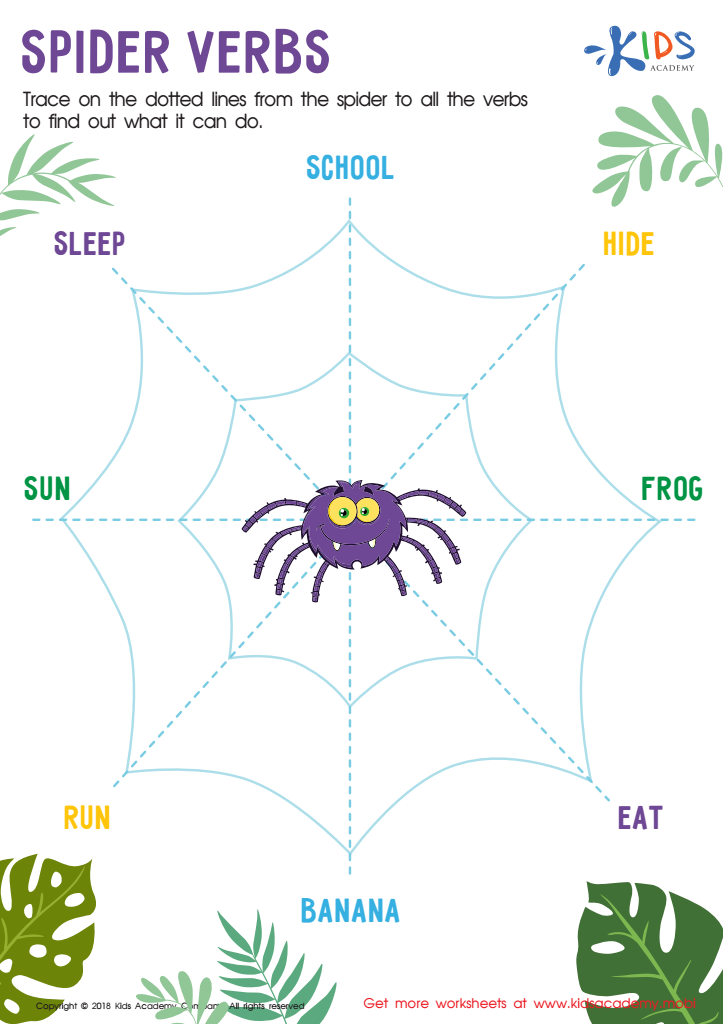
Spider Verbs Worksheet
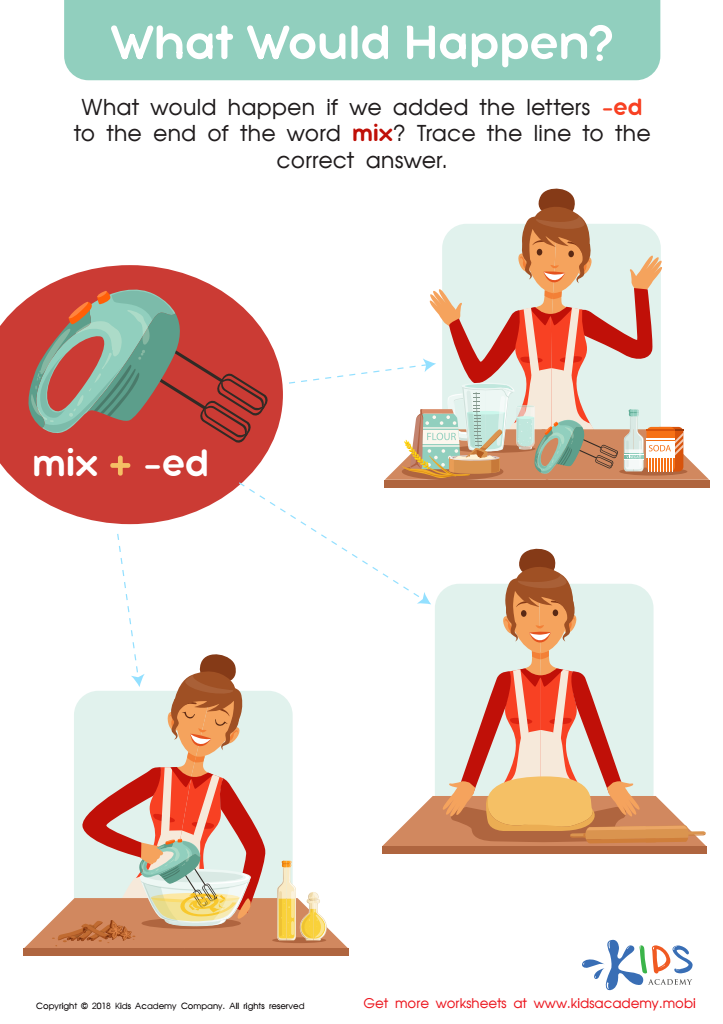
What Would Happen? Worksheet




.jpg)


Logical thinking, vocabulary development, and grammar are foundational skills critical to a child's development. For children aged 3-8, developing these skills is crucial for several reasons.
First, logical thinking helps children make sense of the world around them. At this age, kids are naturally curious and are learning to solve problems on their own. Engaging them in activities that challenge their reasoning helps build their cognitive abilities. For example, when children sort objects by color or size, or when they figure out simple puzzles, they are enhancing their ability to think logically.
Second, vocabulary development is integral to communication. By the age of 3, children start forming more structured sentences and by age 8, they should have a well-rounded vocabulary for their age. Exposure to a rich vocabulary helps children express themselves more clearly and understand others better, which is vital for their emotional and social development.
Lastly, proper grammar forms the bedrock of effective communication. When children use correct grammar, they are better understood and able to express their ideas more effectively. This, in turn, boosts their confidence and academic performance.
Therefore, parents and teachers should care about these areas because they build critical thinking, communication skills, and the emotional and social foundations that children need for future success.