
Color recognition Extra Challenge Worksheets for Ages 3-9
10 filtered results
Difficulty Level
Grade
Age
-
From - To
Subject
Activity
Standards
Unlock your child's creativity and cognitive skills with our "Color Recognition Extra Challenge Worksheets" designed specifically for ages 3-9. These engaging worksheets provide a fun and interactive way to help young learners identify and differentiate colors while enhancing their fine motor skills. Each worksheet features captivating illustrations and diverse activities that encourage exploration and critical thinking. Perfect for homeschooling or classroom settings, these resources are designed to challenge students as they progressively develop their color recognition abilities. Foster a love for learning in a vibrant, colorful way—download our extra challenge worksheets today! Perfect for nurturing confident learners!
Favorites
With answer key
Interactive
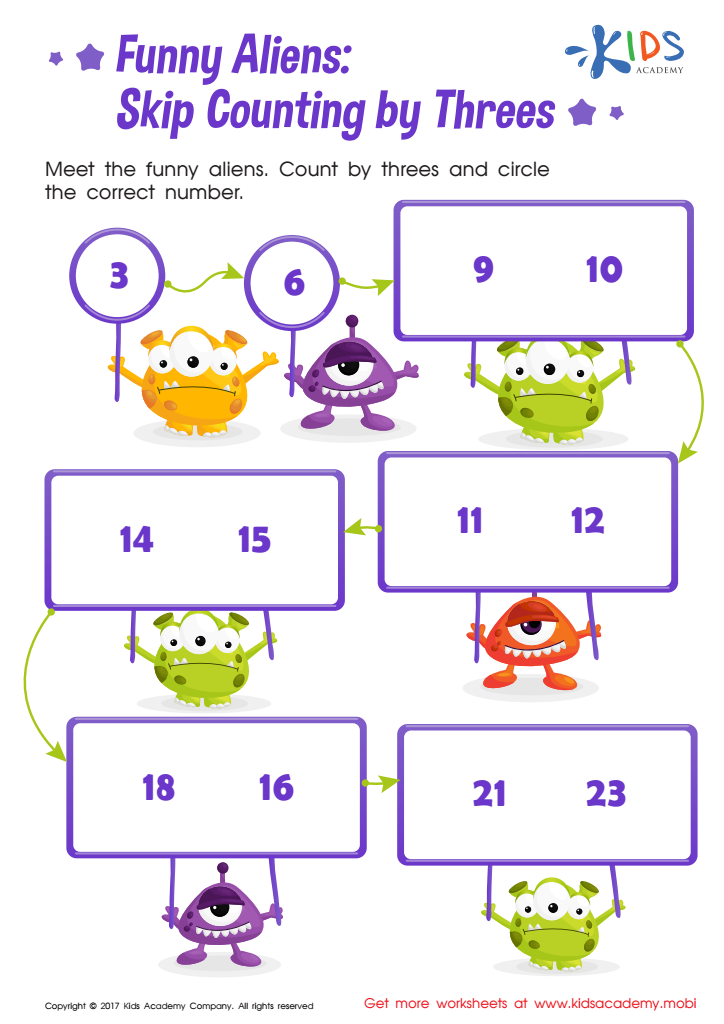
Skip Counting by 3s: Funny Aliens Printable
Blast off to outer space learning fun with this skip counting by 3 worksheet!
Skip Counting by 3s: Funny Aliens Printable
Worksheet
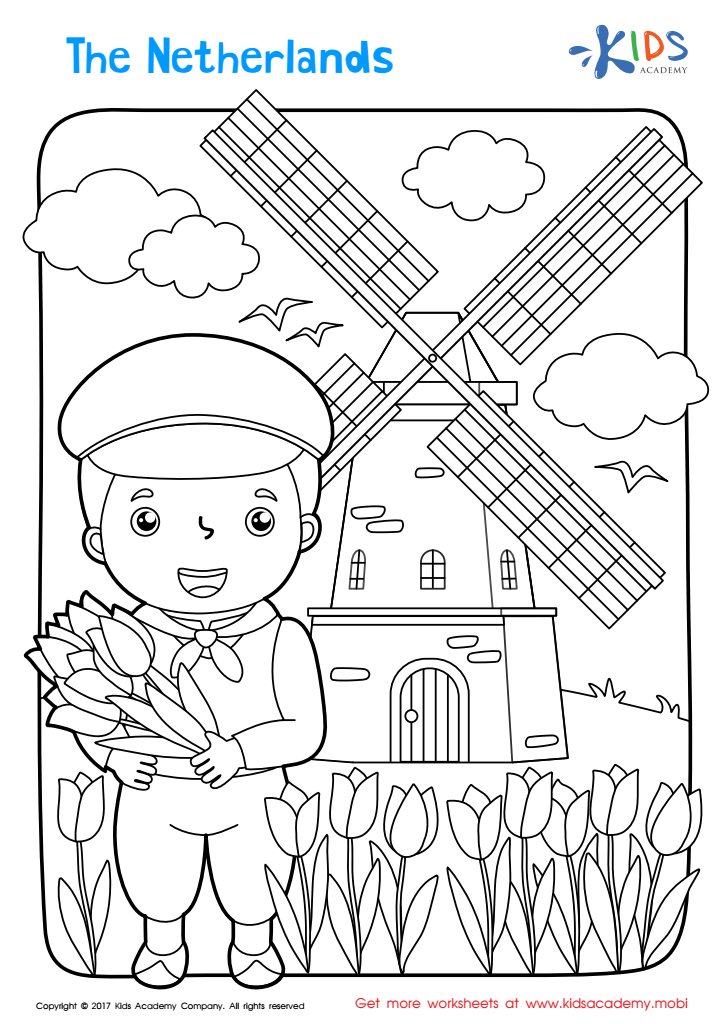
The Netherlands Printable
Explore the world with this fun Netherlands coloring page! Your child will discover Dutch windmills in the landscape. Expand their knowledge with a chat about the Netherlands!
Download (PDF)
 Assign to My Students
Assign to My Students
The Netherlands Printable
Worksheet
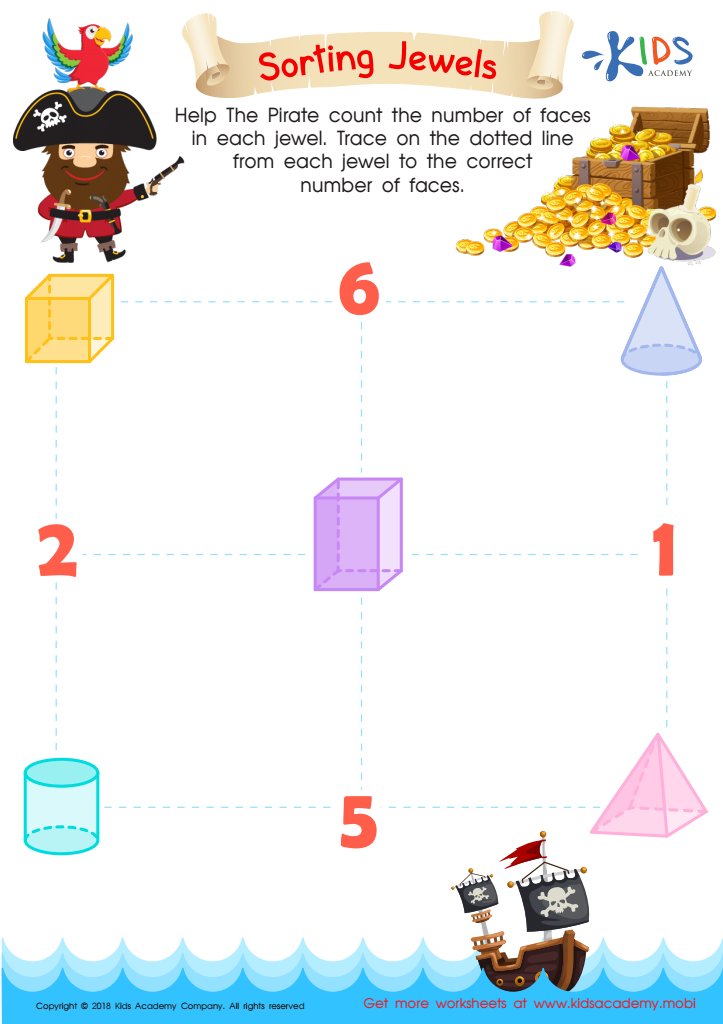
Sorting Jewels Worksheet
Help your kids explore their pirate fantasies with this tracing sheet. Ask them to count the number of faces in each jewel and then trace the dotted line to the correct number. How many faces does a rectangle have? What about a triangle and a cone? This fun worksheet is a great way to teach your kids the basics of identifying the number of faces on shapes.
Sorting Jewels Worksheet
Worksheet
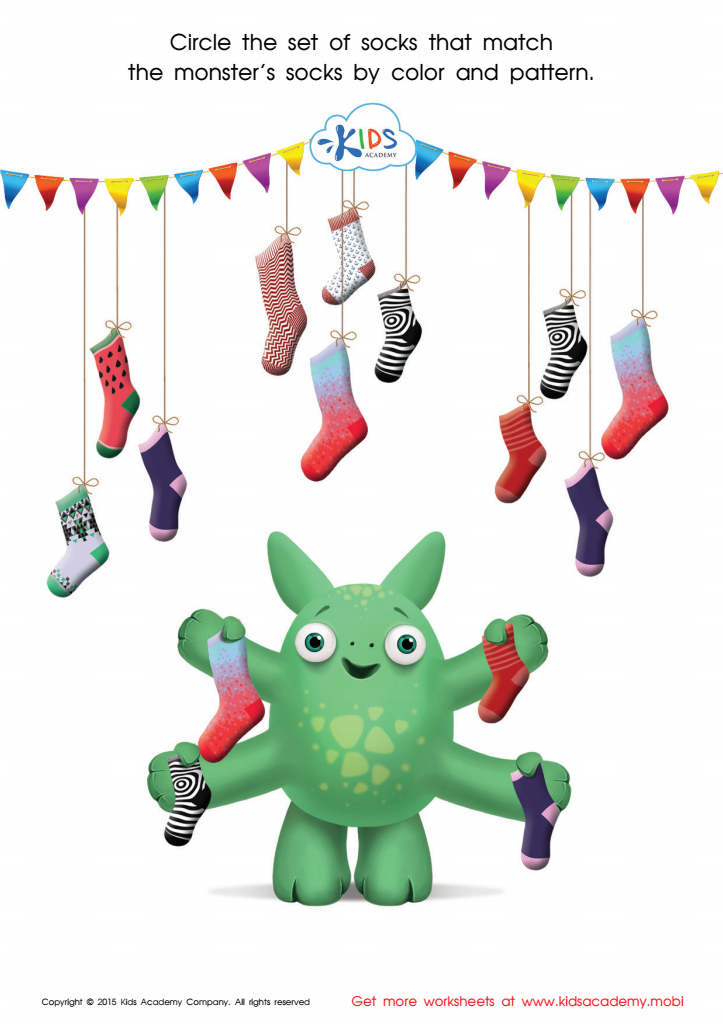
Sort the Monster's Socks Worksheet
Let your little one challenge herself and practice with matching Monster socks. She must be very attentive to match the same socks and draw a line connecting them!
Sort the Monster's Socks Worksheet
Worksheet
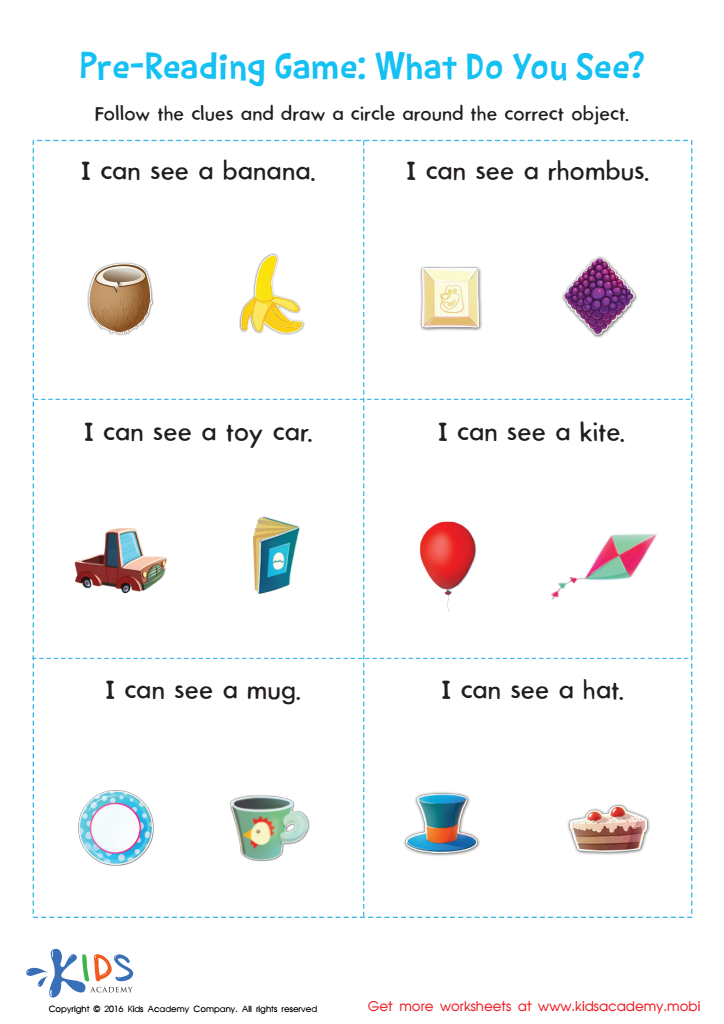
Pre–reading Worksheet: What Do You See?
Get started with this pre-reading worksheet to build your child's early literacy skills. Model, read aloud, and provide consistent repetition for successful learning.
Pre–reading Worksheet: What Do You See?
Worksheet
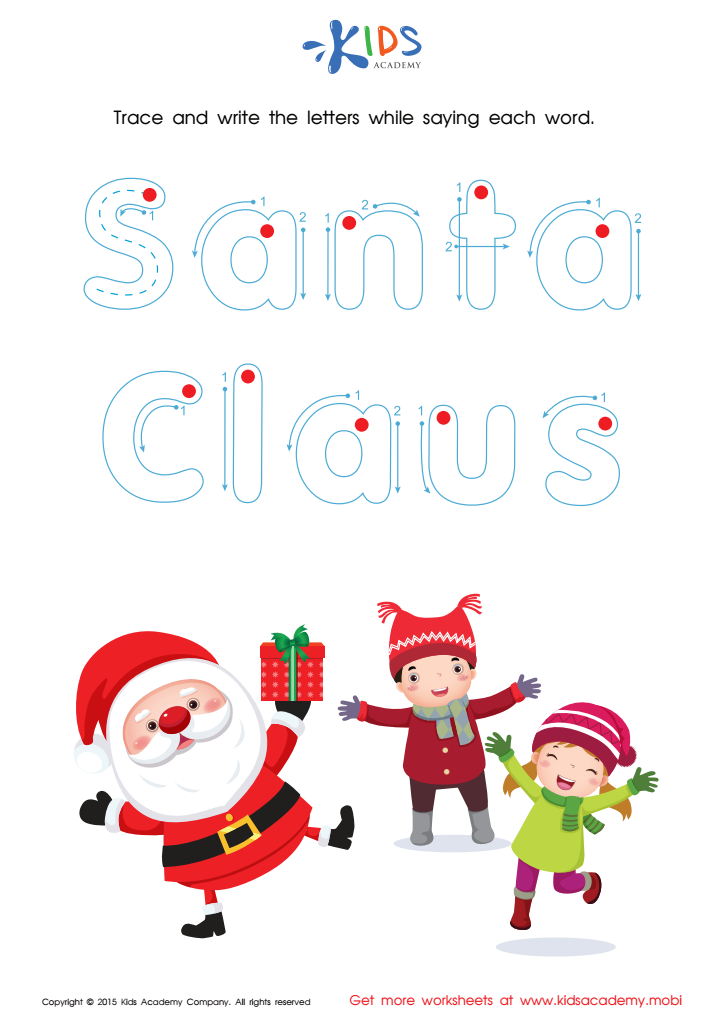
Santa Claus Tracing Winter Words Worksheet
Print out this Santa handwriting worksheet to help your kid build fine motor skills and get a head start on writing and spelling. Perfect for Christmas, and if you want more, take a look at Kids Academy's other handwriting worksheets.
Santa Claus Tracing Winter Words Worksheet
Worksheet
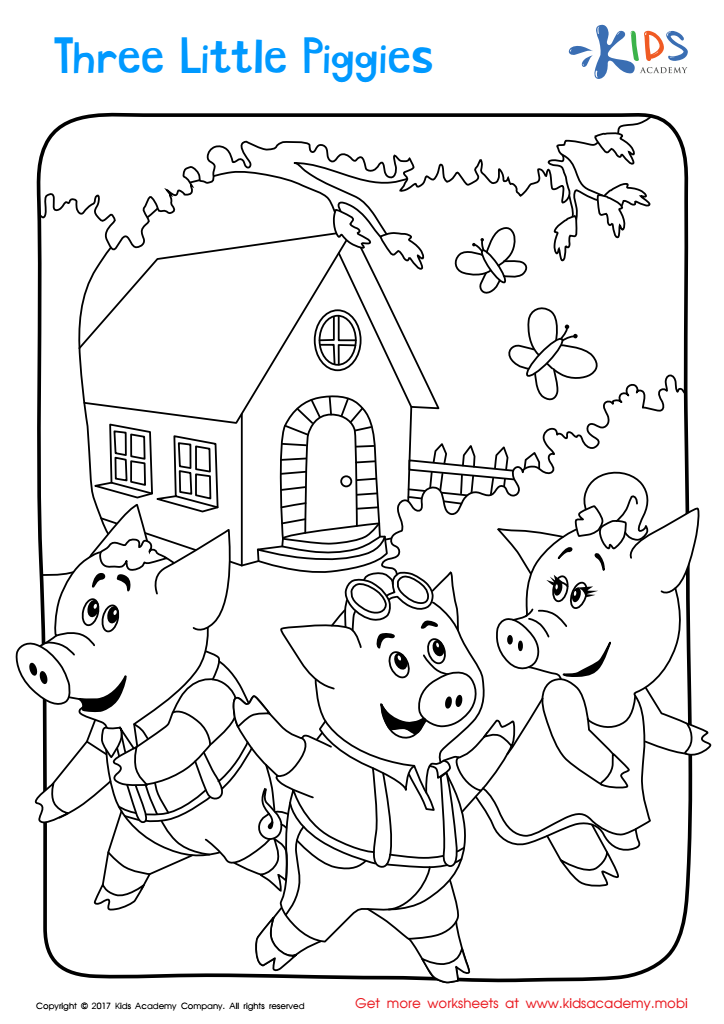
Three Little Piggies Printable Coloring Page
Recall a childhood favorite with your child and color in the Three Little Piggies printable. It's a great way to excite them for reading, as it helps them learn about characters and plot.
Download (PDF)
Assign to My Students
Assign to My Students
Three Little Piggies Printable Coloring Page
Worksheet
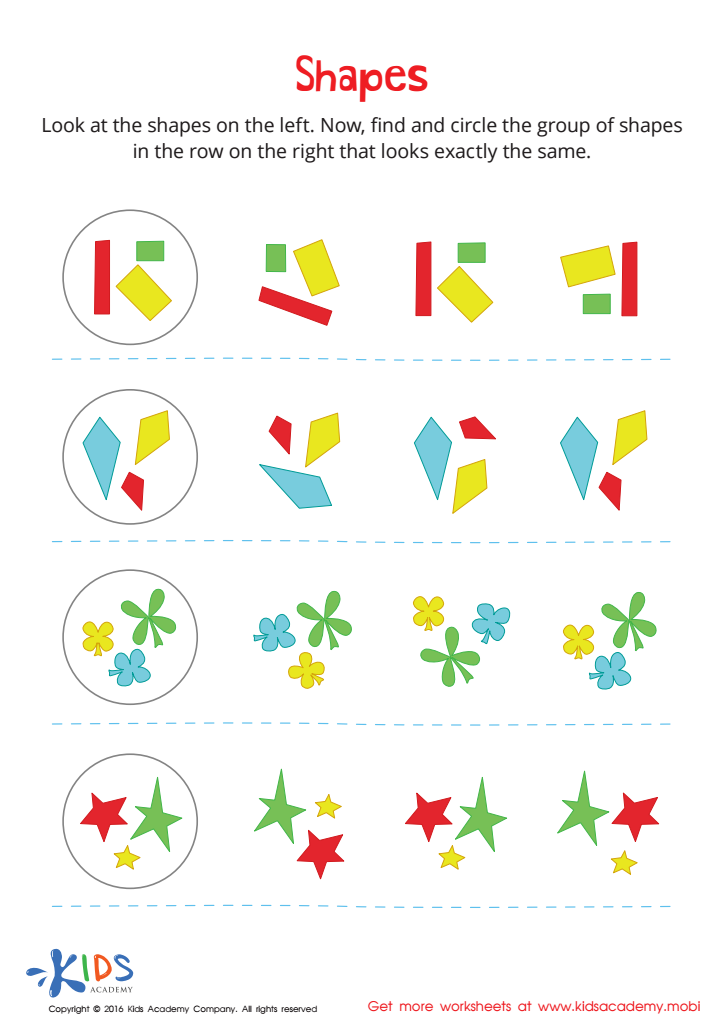
Shapes Worksheet
This fun worksheet will challenge your child to recognize tricky patterns, sort through similar ones, and create strategies to get the right answer. It'll also help them to strengthen problem-solving skills and build confidence. With more challenging tasks, your child will be ready to tackle higher level math and sequencing skills.
Shapes Worksheet
Worksheet
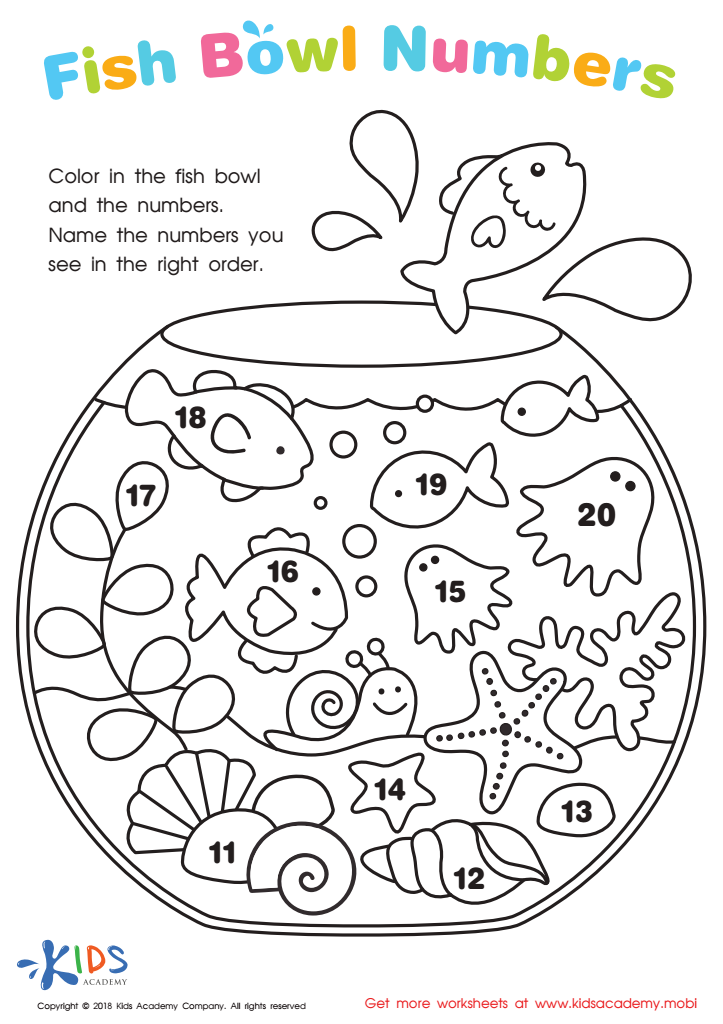
Fish Bowl Numbers Worksheet
Let your kids count and color with this fun exercise! Ask them to read out the numbers in the fish bowl in order, then help them pick out colors for the fish bowl and numbers. An easy-peasy activity for kids who can count - they'll have lots of fun!
Download (PDF)
Assign to My Students
Assign to My Students
Fish Bowl Numbers Worksheet
Worksheet
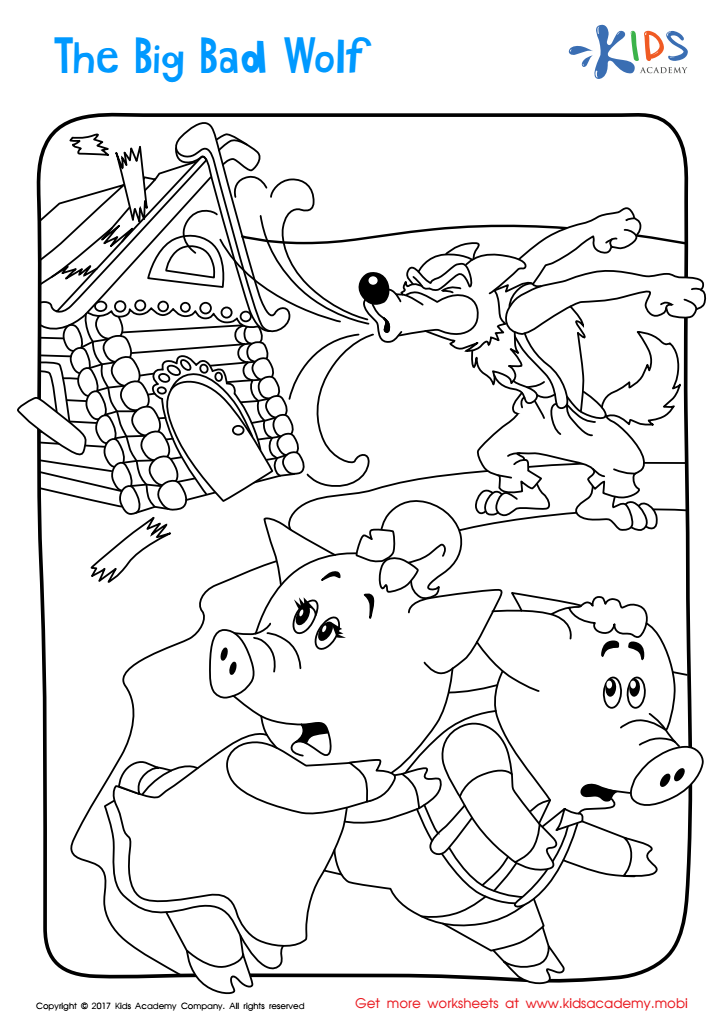
Big Bad Wolf Printable Coloring Page
Let your child have fun coloring the Big Bad Wolf blowing down the little pig's house! This printable coloring page introduces the classic tale, helping to develop reading comprehension skills.
Download (PDF)
Assign to My Students
Assign to My Students
Big Bad Wolf Printable Coloring Page
Worksheet
Join Kids Academy for Free
Who is primarily going to use this learning content?








Color recognition is a foundational skill in early childhood development, serving as a gateway to numerous cognitive and language abilities. For parents and teachers, incorporating extra challenges in color recognition for ages 3-9 can greatly enhance a child's learning experience.
Firstly, engaging children in activities beyond simple color recognition stimulates critical thinking and problem-solving skills. By introducing variations such as mixing colors or identifying colors in complex patterns, children learn to analyze and classify, fostering deeper cognitive development.
Secondly, color recognition is linked to language acquisition. As children learn to name and describe colors, they expand their vocabulary and improve their communication skills. Extra challenges foster storytelling and description activities, helping children articulate their thoughts more effectively.
Moreover, color recognition lays the groundwork for subjects like art, math, and science. Understanding colors enhances creativity and encourages exploration in environmental or artistic settings, benefiting children’s holistic growth.
Finally, nurturing color recognition promotes social skills. Group activities, such as color scavenger hunts, allow children to collaborate, observe, and share findings, building teamwork and cooperation.
In summary, consistent and challenging color recognition activities are pivotal in early education, fostering critical cognitive, linguistic, emotional, and social development in young children.








