Understanding patterns Extra Challenge Worksheets for Ages 3-9
7 filtered results
-
From - To
Explore our "Understanding Patterns Extra Challenge Worksheets" designed for children ages 3-9! These engaging worksheets provide an exciting opportunity for young learners to deepen their knowledge of patterns through stimulating activities and challenges. Our selection encourages critical thinking, enhances math skills, and boosts cognitive development, all while keeping learning fun. Ideal for home, classroom, or extra practice, these worksheets feature various levels of difficulty to cater to different age groups and skill levels. Help your child recognize and create patterns with engaging exercises that spark creativity and curiosity. Transform learning into an enjoyable adventure with our expertly crafted worksheets!
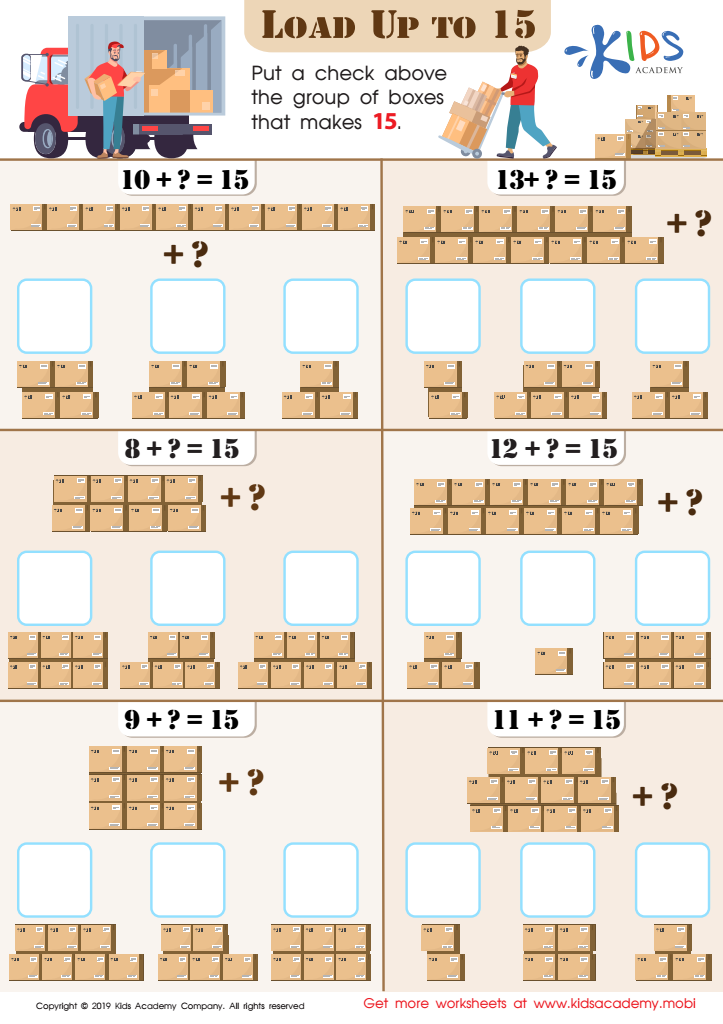
Load up to 15 Worksheet
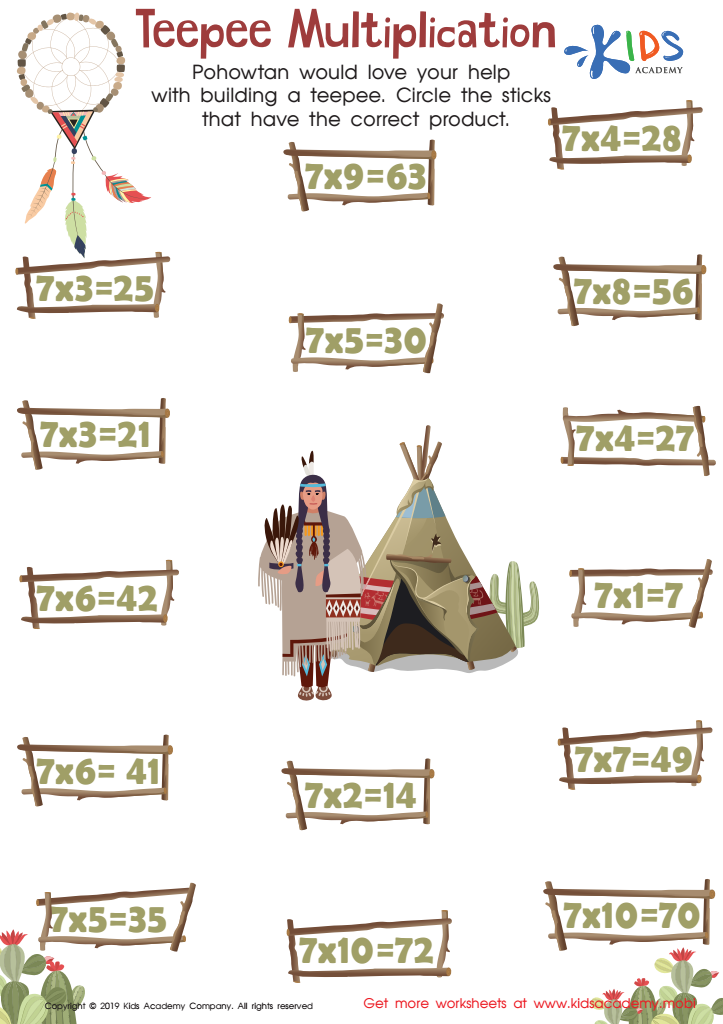
Teepee Multiplication Worksheet
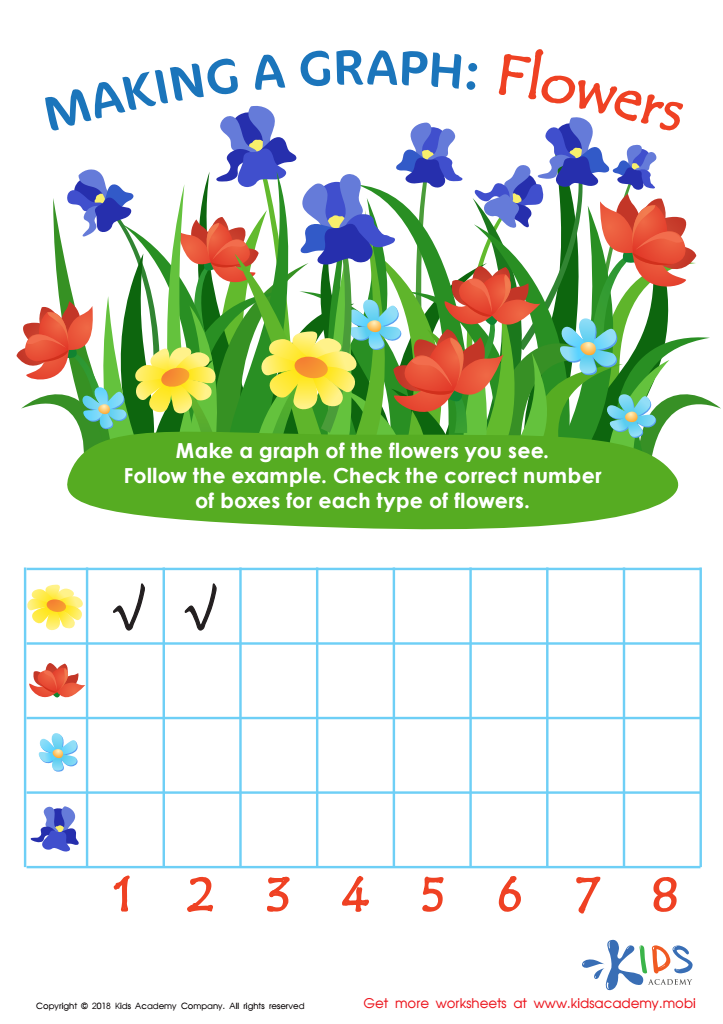
Making a Graph: Flowers Worksheet
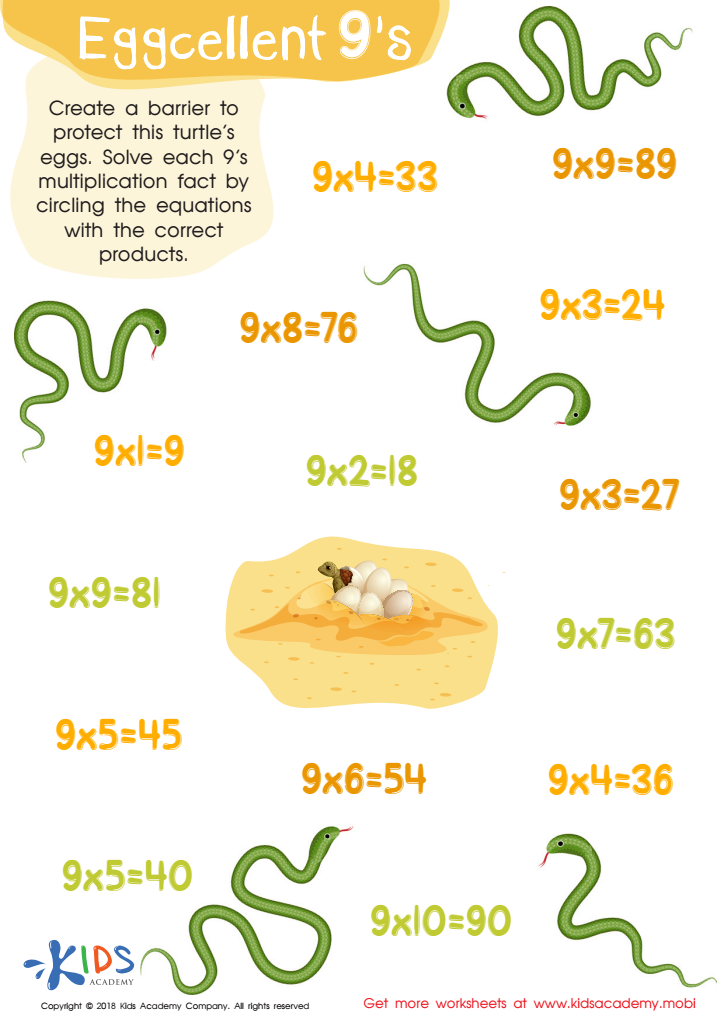
Eggcellent 9’s Worksheet
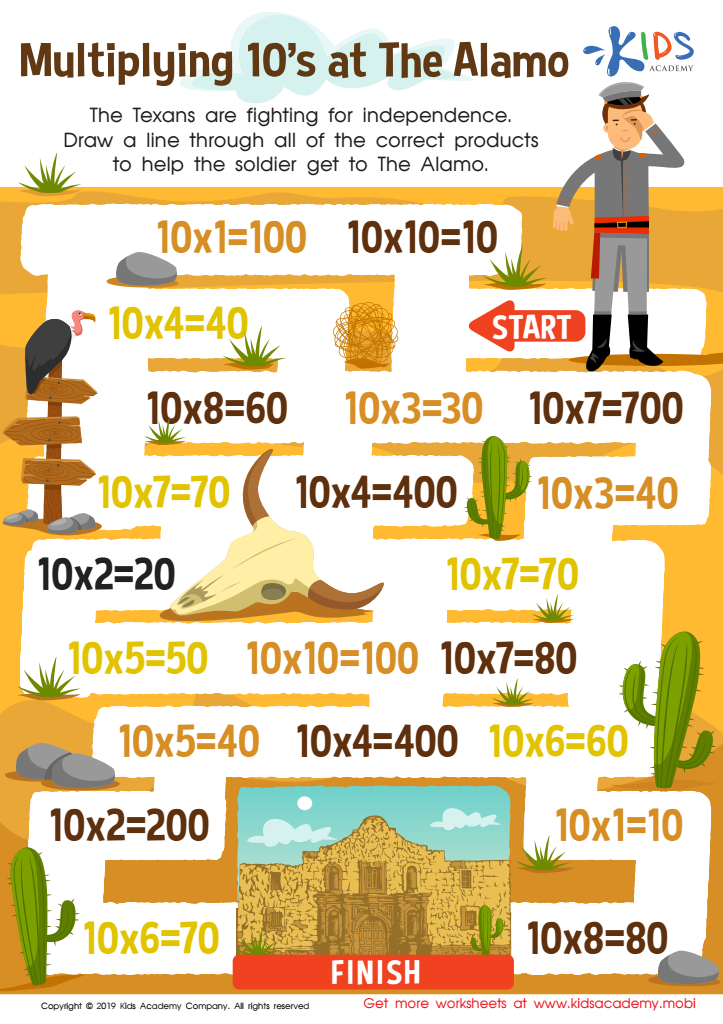
Multiplying 10’s at The Alamo Worksheet
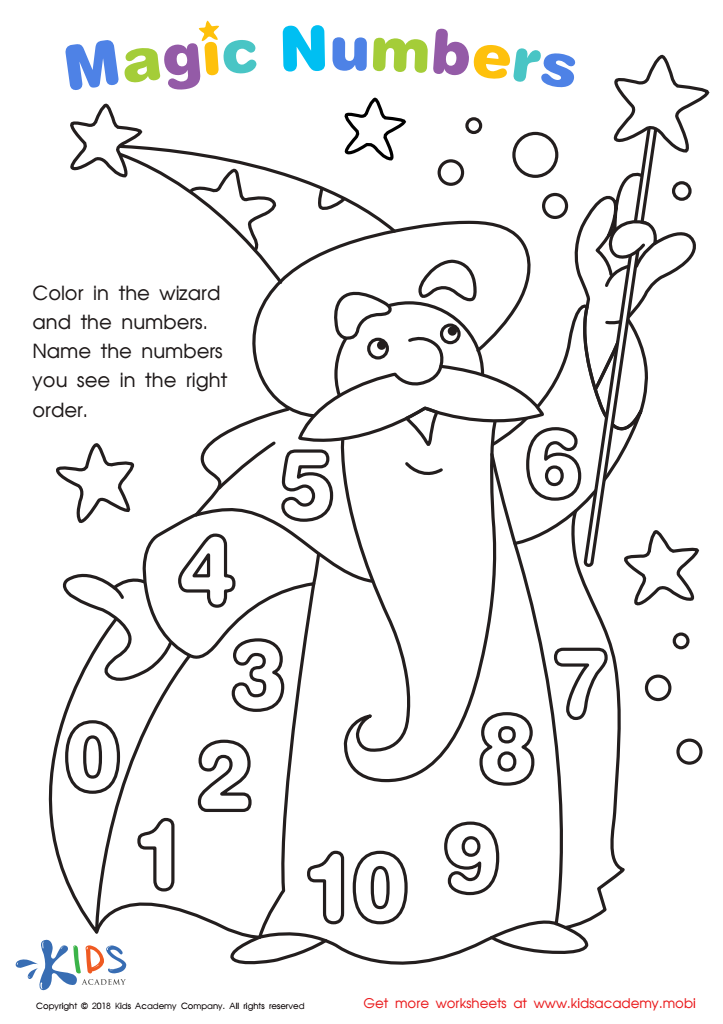
Magic Numbers Worksheet
 Assign to My Students
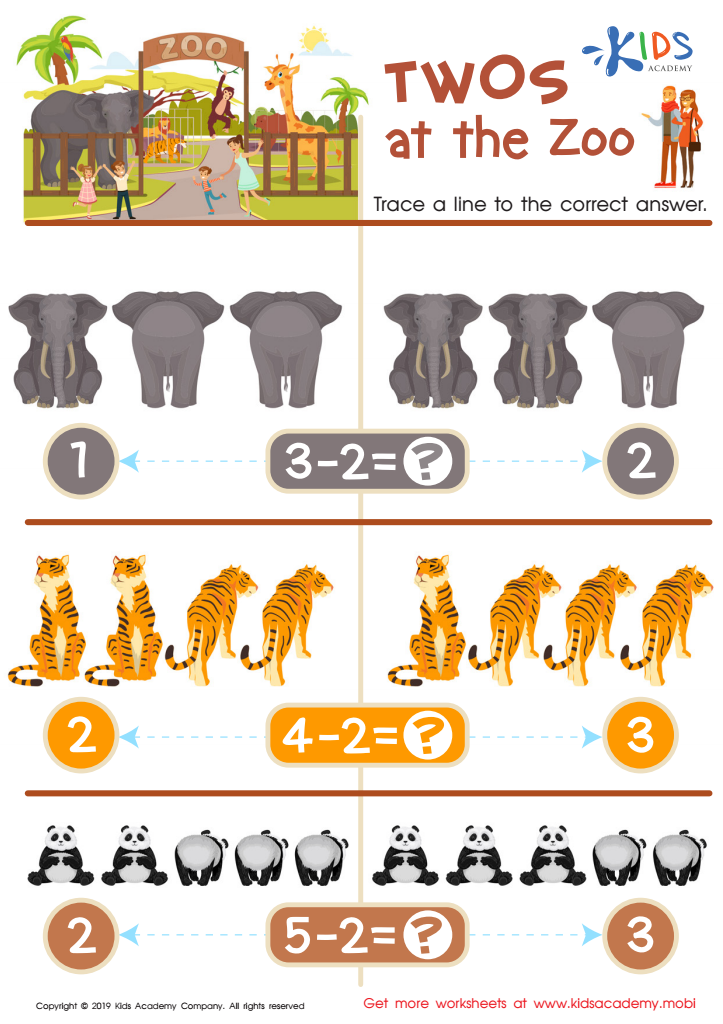
Twos at the Zoo Worksheet







Understanding patterns is a fundamental skill that plays a crucial role in early childhood development. For parents and teachers of children aged 3-9, encouraging pattern recognition can significantly enhance cognitive abilities, critical thinking, and problem-solving skills. Patterns are everywhere—found in nature, daily routines, and in the structure of language—making them an essential part of a child’s understanding of the world.
Engaging with pattern activities stimulates mathematical thinking, encouraging children to make predictions and draw conclusions based on observed sequences. This practice also helps develop spatial awareness, as children learn to identify and replicate shapes and colors.
Incorporating pattern recognition in fun and interactive ways, like music, art, and games, fosters creativity and makes learning enjoyable. Additionally, recognizing patterns aids literacy by sequencing events and stories or rhyming in poems.
Supporting children's understanding of patterns not only builds a strong foundation for future academic success but also enables them to recognize and appreciate the structure and order in life’s complexities. As they grow, these skills will empower them to tackle more complex concepts in higher education and daily decision-making. Parents and teachers play a vital role in nurturing this essential skill, laying the groundwork for lifelong learning.








