Cognitive Development Extra Challenge 2D Shapes Worksheets for Ages 3-9
4 filtered results
-
From - To
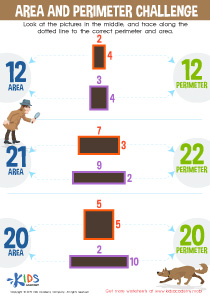
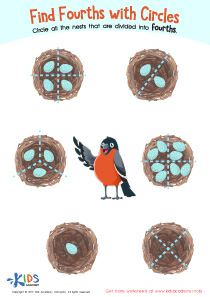
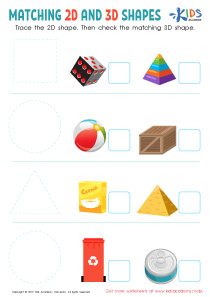
Enhance your child’s cognitive development with our specially designed "Cognitive Development Extra Challenge 2D Shapes Worksheets for Ages 3-9." These engaging worksheets focus on identifying, matching, and analyzing 2D shapes, helping young learners to hone their critical thinking and problem-solving skills. Tailored to various age groups, the activities grow progressively challenging to ensure continuous growth and learning. Perfect for both classroom and at-home practice, these worksheets offer a fun and interactive way to grasp fundamental math concepts. Support your child’s educational journey with a resource that makes learning both enjoyable and effective!
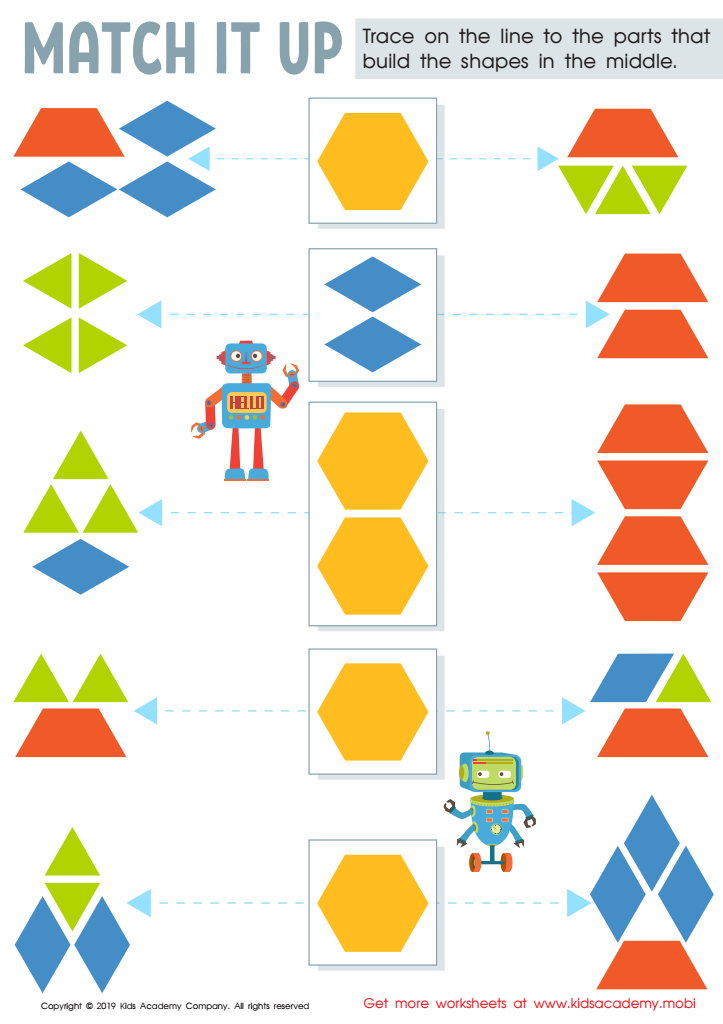
Match It up Worksheet
 Assign to My Students


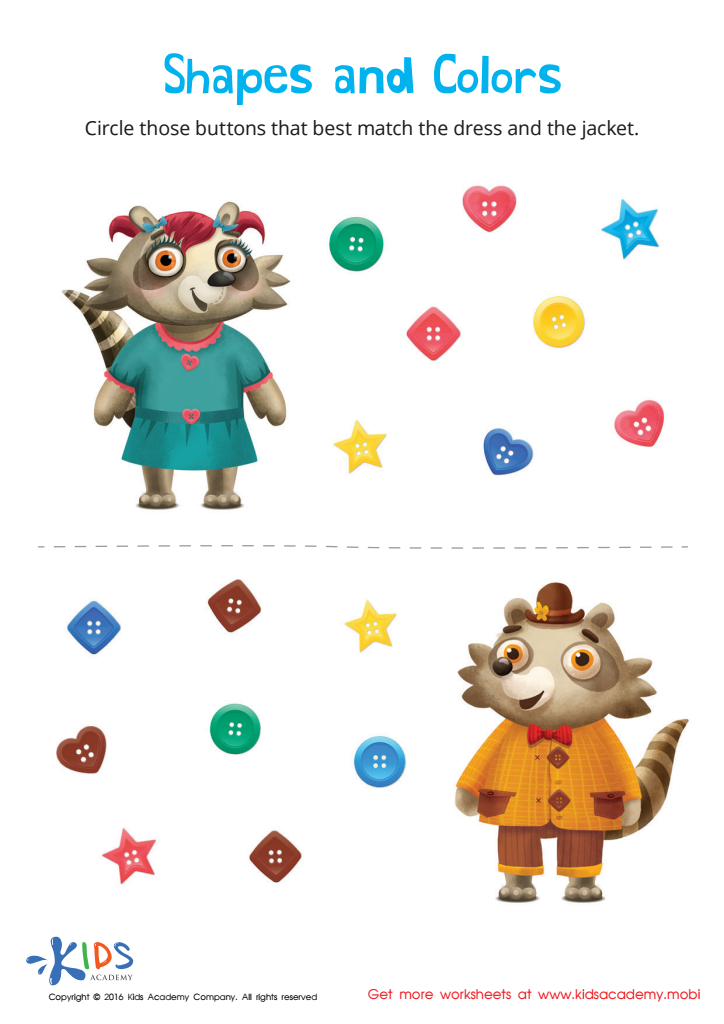
Matching: Shapes and Colors Worksheet
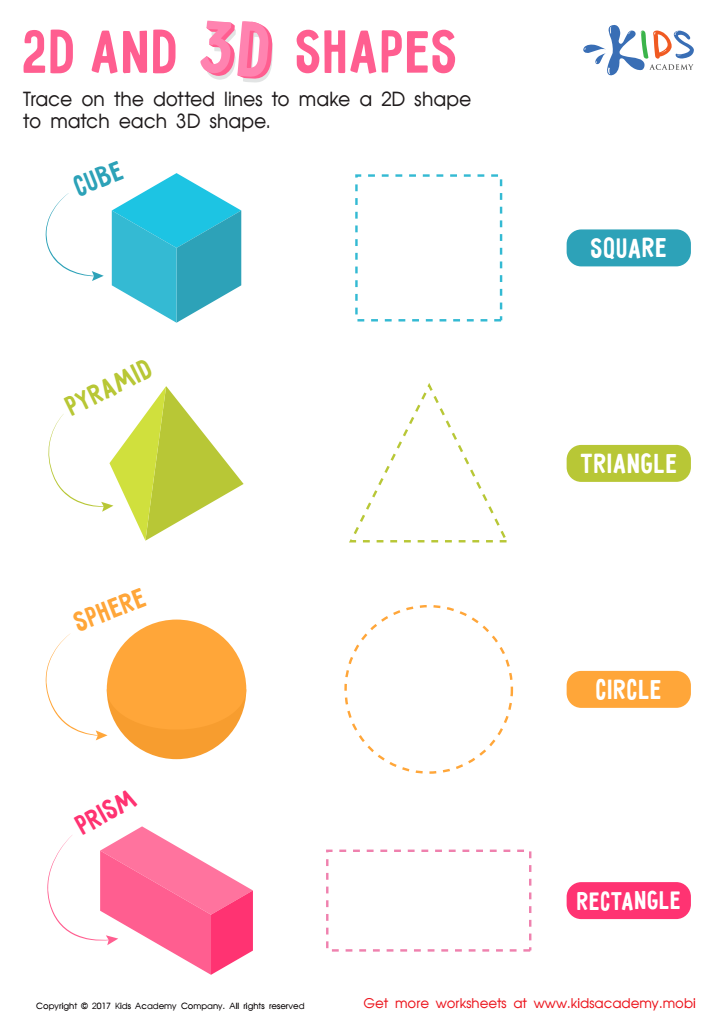
2D and 3D Shapes Worksheet
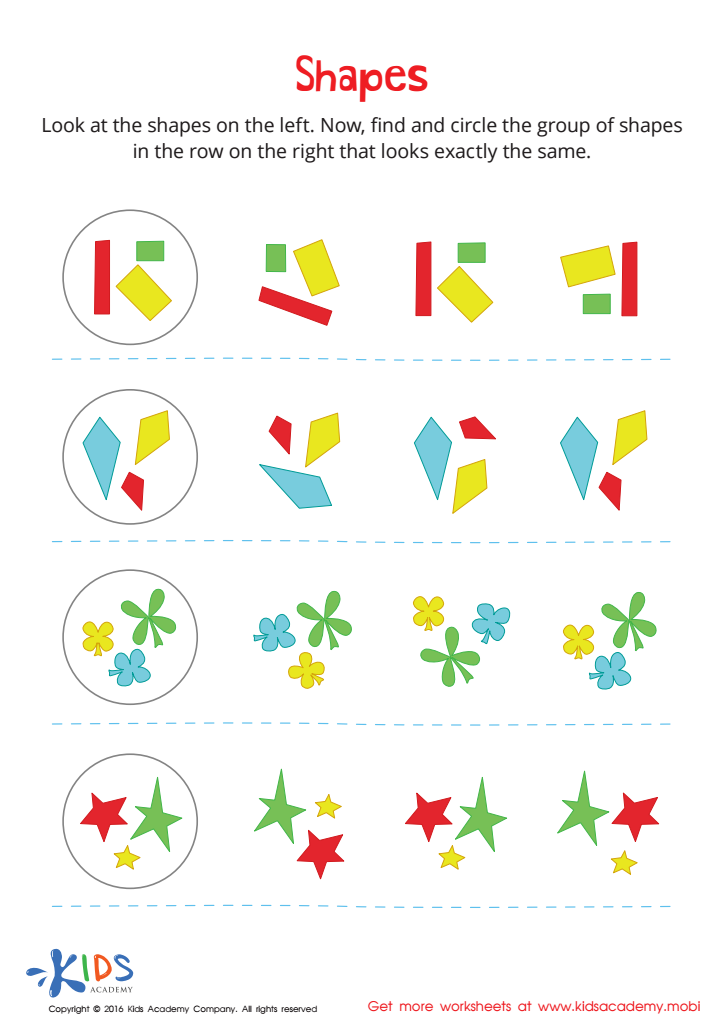
Shapes Worksheet








Cognitive development during early childhood is crucial, as it sets the foundation for lifelong learning and critical thinking skills. Introducing children aged 3-9 to extra challenges with 2D shapes plays a vital role in this developmental stage. Here's why parents and teachers should care:
Firstly, learning 2D shapes aids in the development of spatial awareness and geometric reasoning. Children learn to recognize and differentiate shapes like circles, squares, and triangles, fostering their ability to understand more complex mathematical concepts later on.
Secondly, these activities enhance problem-solving skills. As children manipulate and explore different shapes, they develop the ability to analyze situations, make predictions, and develop solutions, skills essential not just in math but across all learning areas.
Thirdly, cognitive challenges involving 2D shapes encourage creativity and fine motor skills. Drawing, cutting, and assembling shapes require precise movements, helping to refine hand-eye coordination and dexterity. This can be particularly beneficial when children begin writing.
Lastly, learning about shapes helps children communicate more effectively. It enriches their vocabulary with terms like "sides," "corners," "edges," and "symmetry," enabling them to describe objects and relay ideas more clearly.
In summary, early exposure to 2D shapes should be prioritized as it supports a broad spectrum of cognitive skills, laying a solid foundation for future academic and personal success.