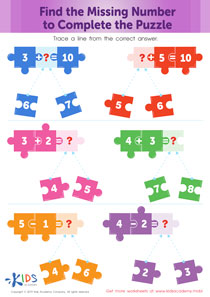
Number Recognition Extra Challenge Addition Worksheets for Ages 3-9
8 filtered results
-
From - To
Boost your child's math confidence with our "Number Recognition Extra Challenge Addition Worksheets" designed for ages 3-9! These engaging worksheets help develop essential number recognition skills while providing fun and interactive addition exercises. Ideal for early learners, each worksheet incorporates vibrant illustrations and varied activities that capture young learners' attention. They encourage children to recognize numbers and practice addition simultaneously, fostering a solid foundation in math. Whether at home or in the classroom, these worksheets serve as a fantastic supplement to traditional learning methods. Download now and watch your child's numerical skills flourish while enjoying the process!
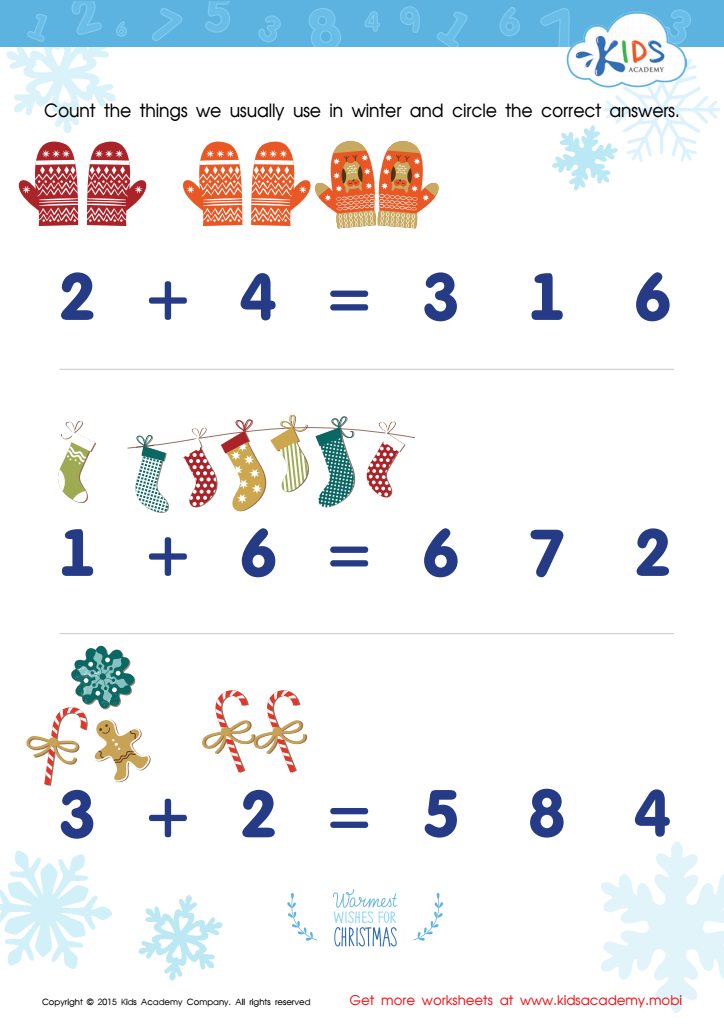
Count Winter Things Worksheet
 Assign to My Students
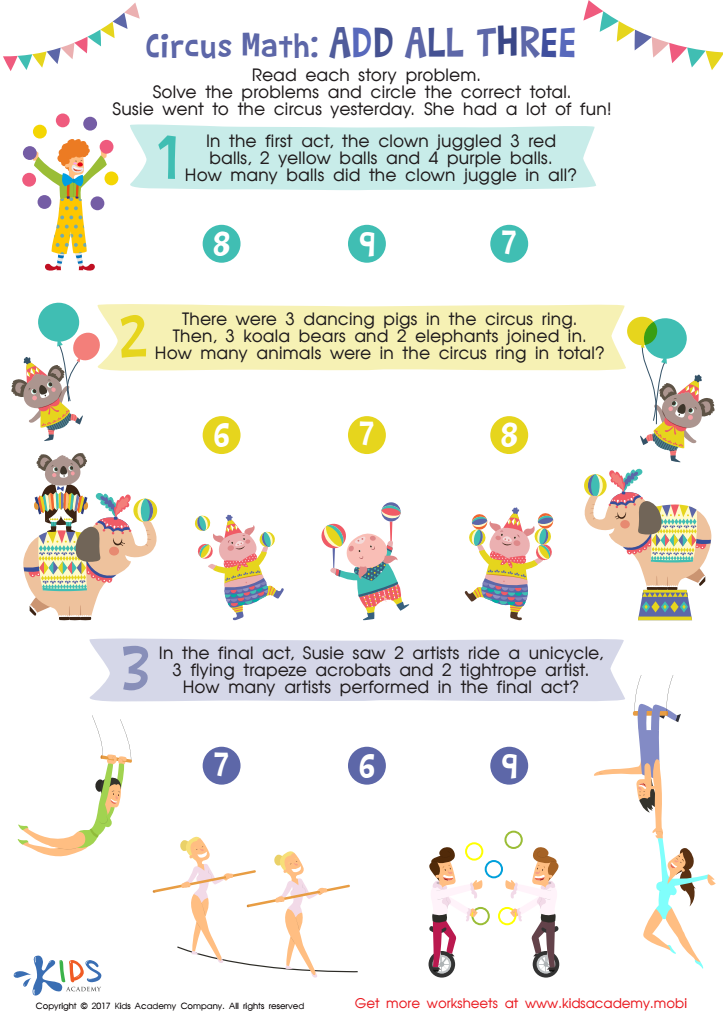
Circus Math Printable
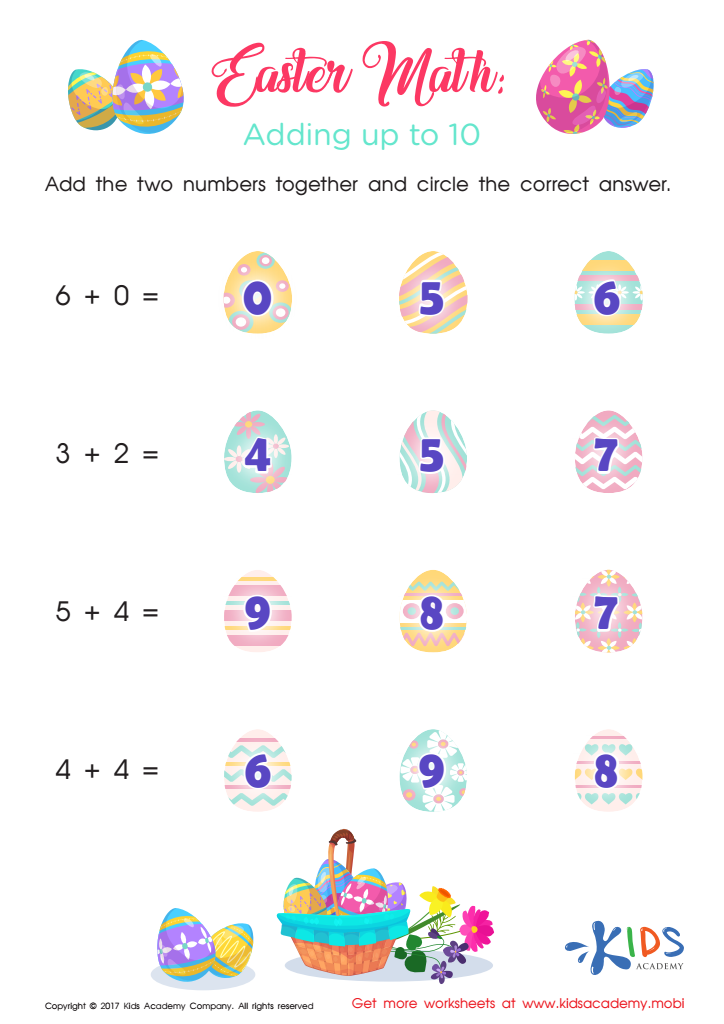
Addition Up To 10 Worksheet
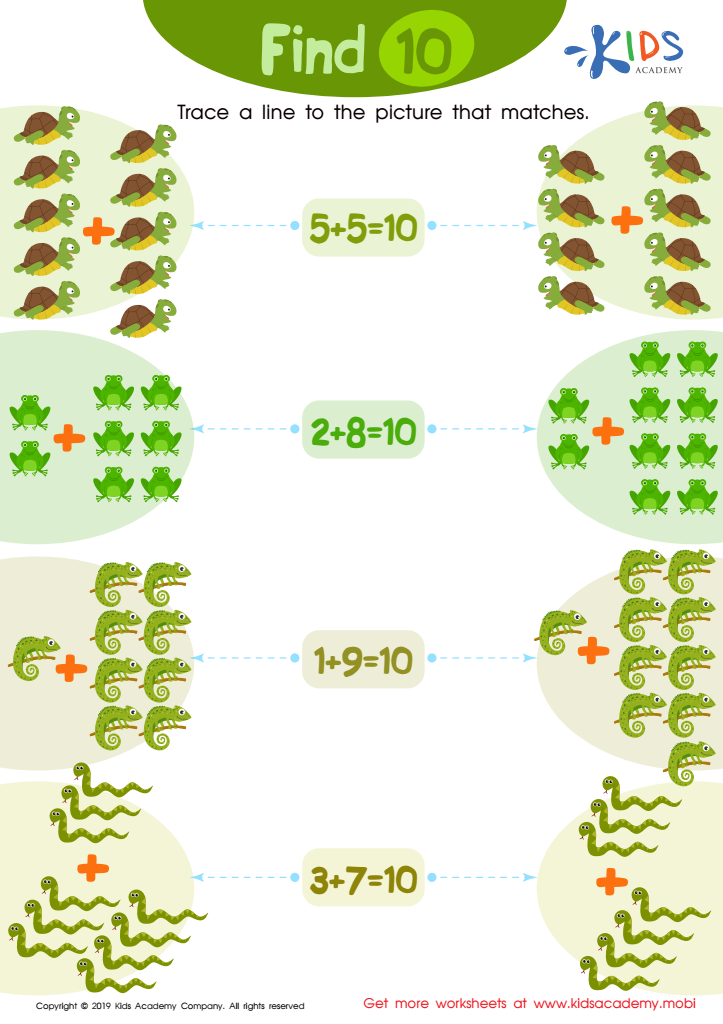
Find 10 Worksheet
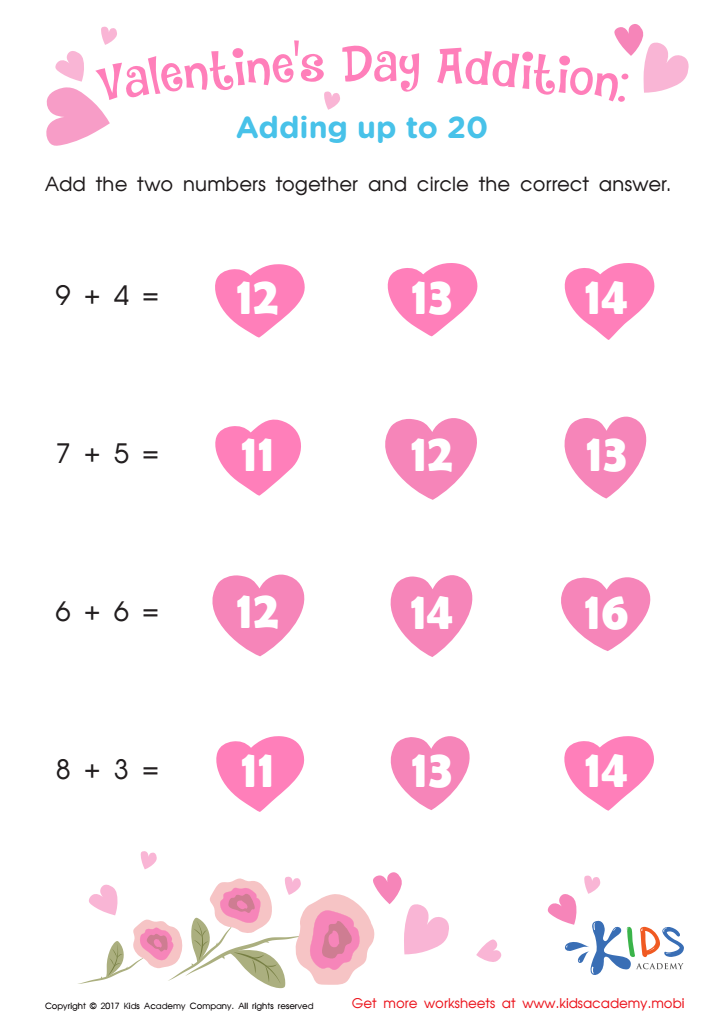
Valentine's Day Addition Worksheet
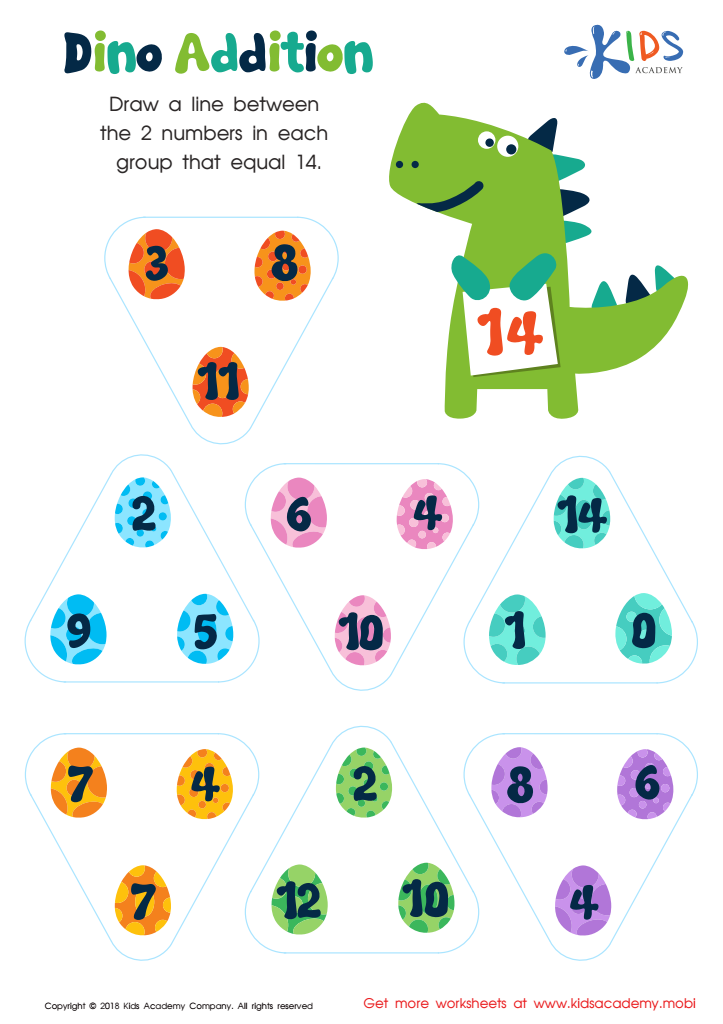
Dino Addition Worksheet
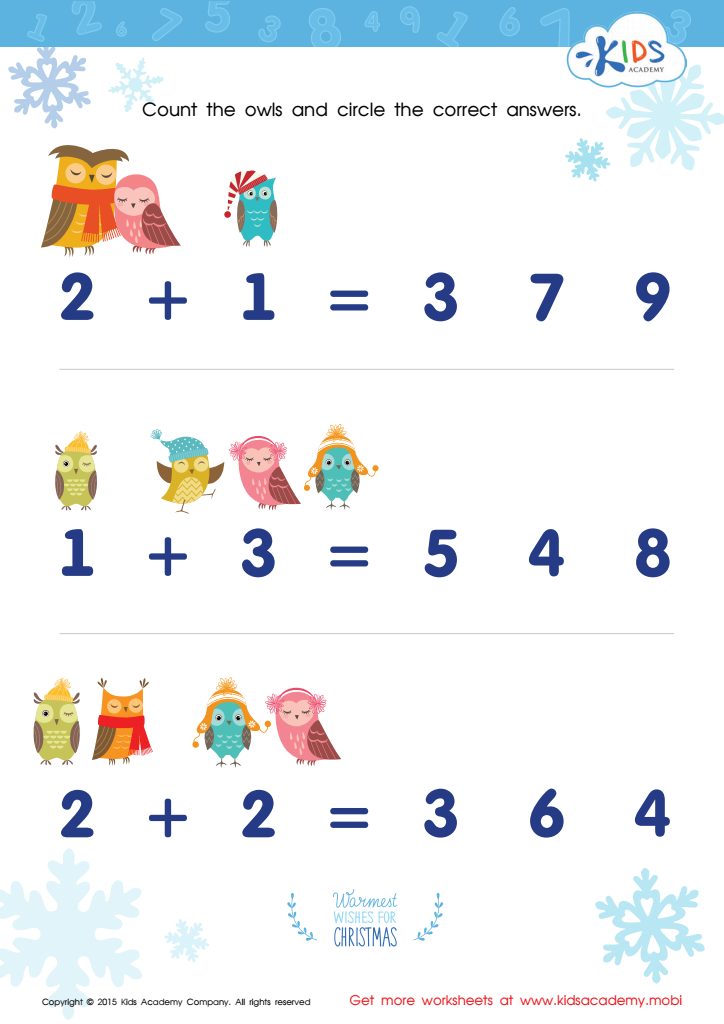
Count Little Owls Worksheet
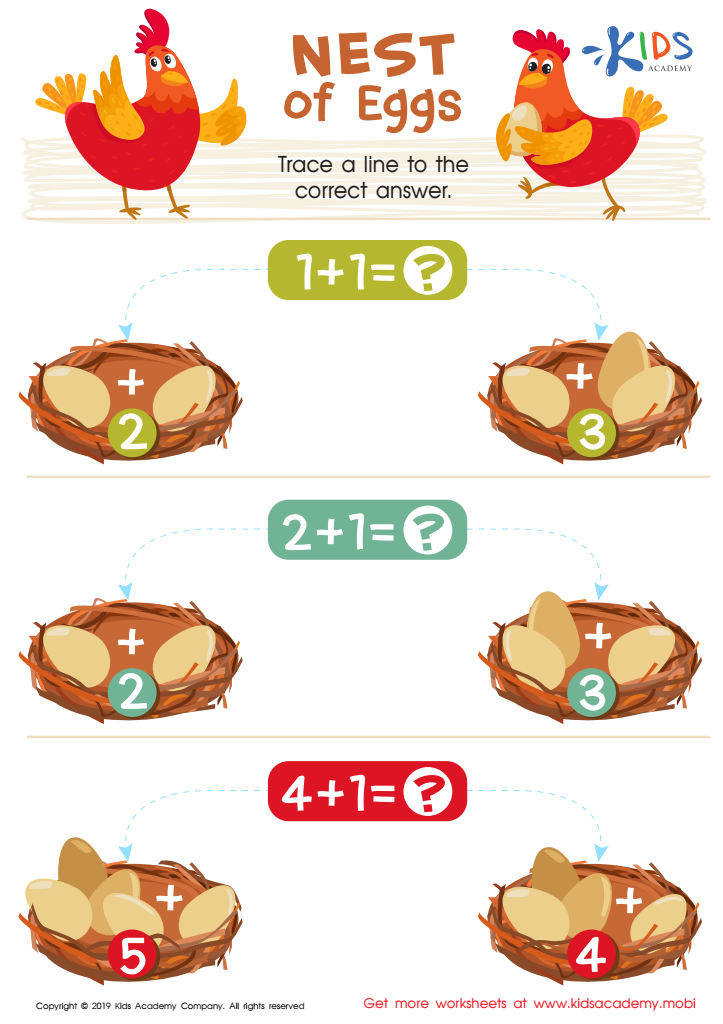
Nest of Eggs Worksheet


.jpg)





Number recognition and extra challenge addition for ages 3-9 is essential for young learners as it lays the foundation for their mathematical comprehension. At this early stage, children develop crucial cognitive skills, including pattern recognition, logical thinking, and problem-solving, which are vital for their academic growth. By engaging in number recognition activities, children become familiar with numbers, understanding their shapes and values. This familiarity boosts their confidence and prepares them for more advanced mathematical concepts.
Furthermore, extra challenge addition supports children in building mental arithmetic skills. By introducing them to more complex problems, educators and parents cultivate a growth mindset, encouraging them to embrace challenges rather than shy away from them. This approach not only enhances their mathematical abilities but also fosters resilience and perseverance.
Additionally, number recognition and challenge addition activities can be tailored to suit varying skill levels, ensuring all children are appropriately challenged and not left bored or frustrated. Involving parents and teachers in this journey allows for a supportive and enriched learning environment, igniting a lifelong love for mathematics. Emphasizing these foundational skills ultimately equips children to navigate not just future academic challenges but also real-world problem-solving scenarios effectively.