Visual perception Extra Challenge Matching Worksheets for Ages 3-9
3 filtered results
-
From - To
Unlock your child's potential with our engaging Visual Perception Extra Challenge Matching Worksheets for ages 3-9. Designed to enhance cognitive development, these fun and challenging worksheets focus on refining visual perception skills. Through matching exercises that incorporate intricate patterns and shapes, children sharpen critical thinking, attention to detail, and problem-solving abilities. Perfect for both classroom and at-home learning, our worksheets offer a diverse range of activities to keep young minds intrigued and focused. Encourage your child's growth and give their visual perception skills an extra boost with our expertly crafted matching worksheets. Ideal for curious minds seeking new adventures!
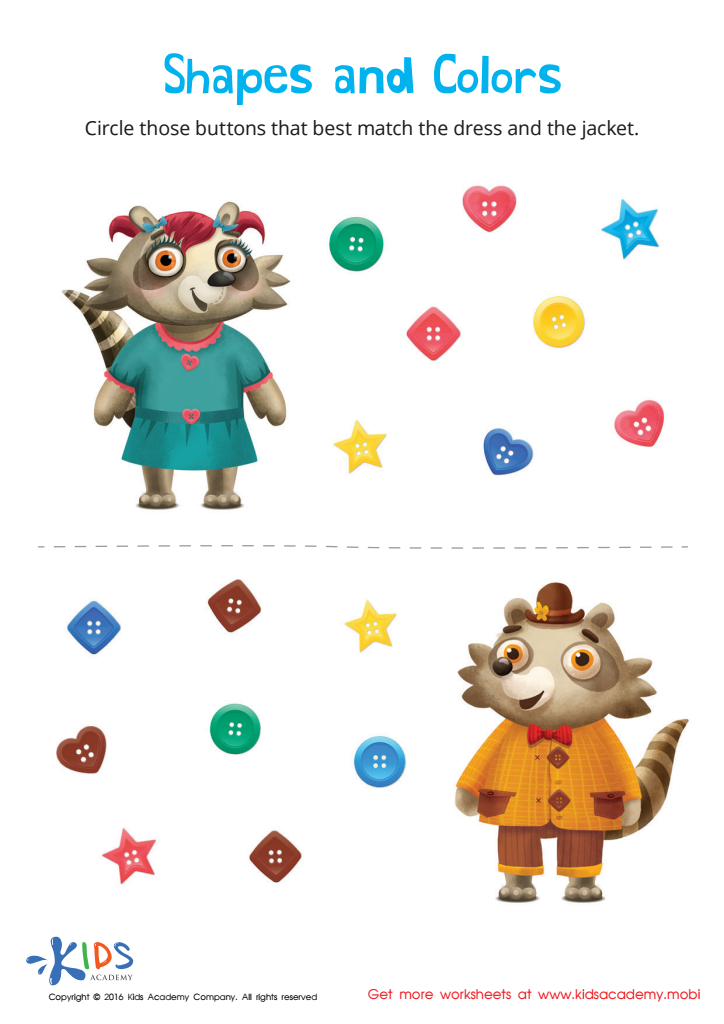
Matching: Shapes and Colors Worksheet
 Assign to My Students
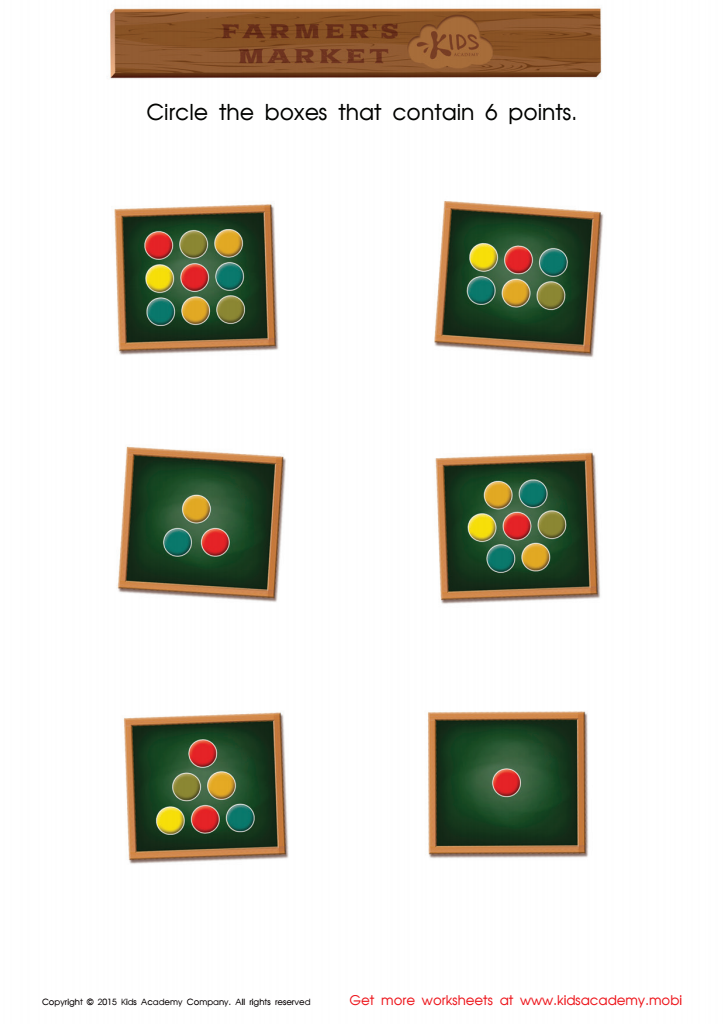
Count and Match Points 6 Math Worksheet

Classifying by Size Sorting Worksheet







Visual perception plays a crucial role in a child's development and learning process, and engaging in visual perception activities, such as extra challenge matching games, can provide substantial benefits for children ages 3-9. At this critical stage, young minds are extraordinarily receptive, and their visual skills are rapidly evolving. These skills are foundational for many developmental milestones and academic achievements.
Firstly, visual perception activities enhance a child's ability to process, interpret, and respond to visual information. This skill is vital for tasks like reading, writing, and mathematics, where recognizing and differentiating between shapes, patterns, letters, and numbers is paramount. Improved visual perception ensures that children can more easily follow instructions, detect errors, and engage effectively with visual inputs in their learning environments.
Secondly, these activities foster fine motor skills and hand-eye coordination. Matching games often require precise movements, such as drawing lines or placing objects, which strengthens the coordination between a child's visual input and physical actions.
Lastly, engaging in extra challenge matching exercises promotes critical thinking, concentration, and problem-solving abilities. These cognitive skills build a solid foundation for academic success and everyday decision-making.
Teachers and parents should prioritize visual perception activities to support holistic developmental growth, ensure academic readiness, and empower children to thrive in various learning contexts.