Letter recognition Extra Challenge Reading Worksheets for Ages 3-9
3 filtered results
-
From - To
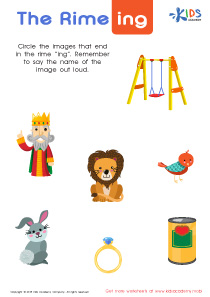
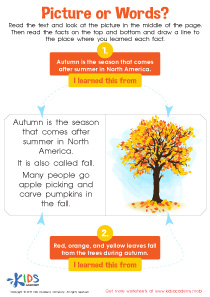
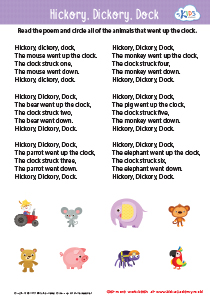
Enhance your child's letter recognition skills with our "Letter Recognition Extra Challenge Reading Worksheets" designed for ages 3-9. These engaging printable worksheets offer a variety of fun and challenging activities that help young readers identify and differentiate between letters with ease. Perfect for both classroom and home use, our worksheets are tailored to support different learning stages, ensuring that every child finds the right level of challenge to boost their confidence and learning enthusiasm. Spark a love for reading and set your child on the path to literacy success with our expertly crafted letter recognition worksheets.
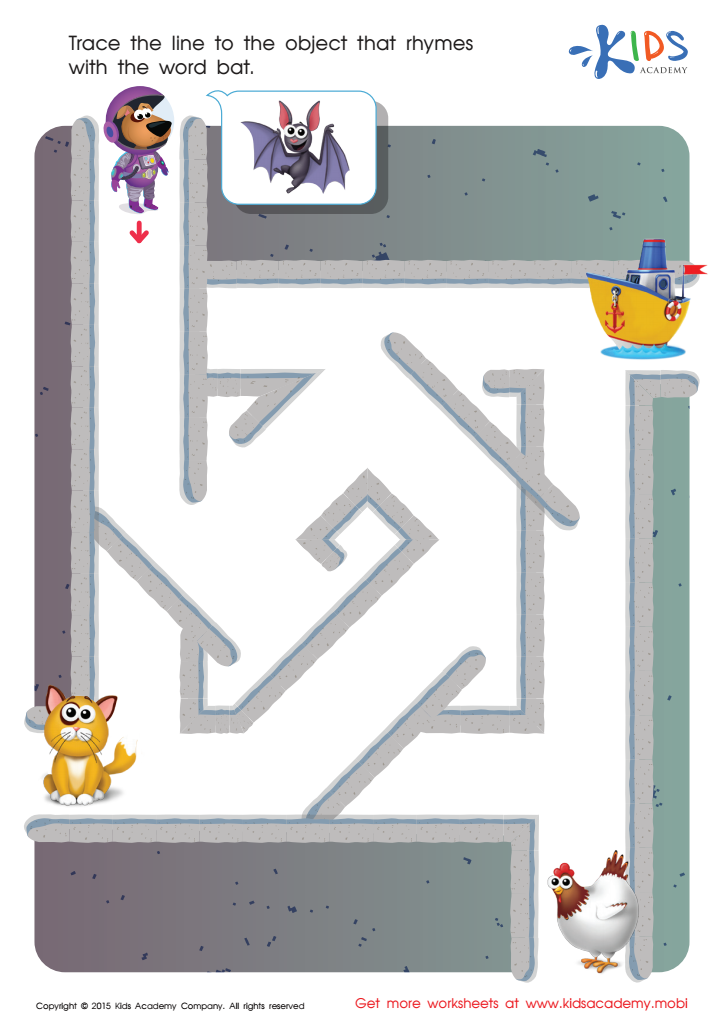
Bat Rhyming Words Worksheet
 Assign to My Students
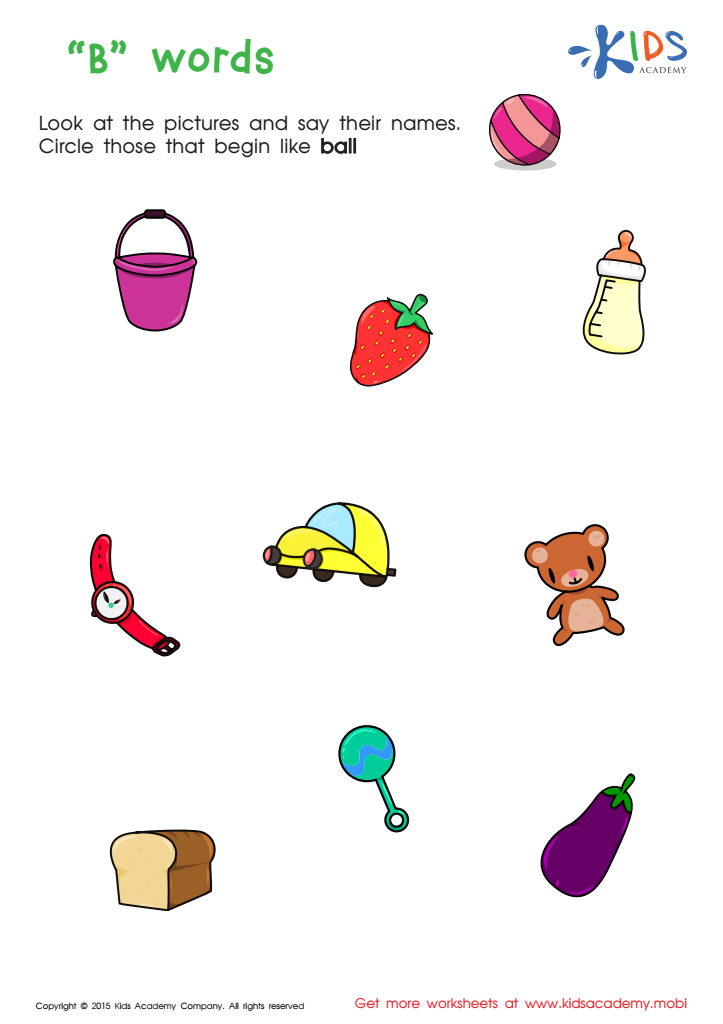
First Words Worksheet
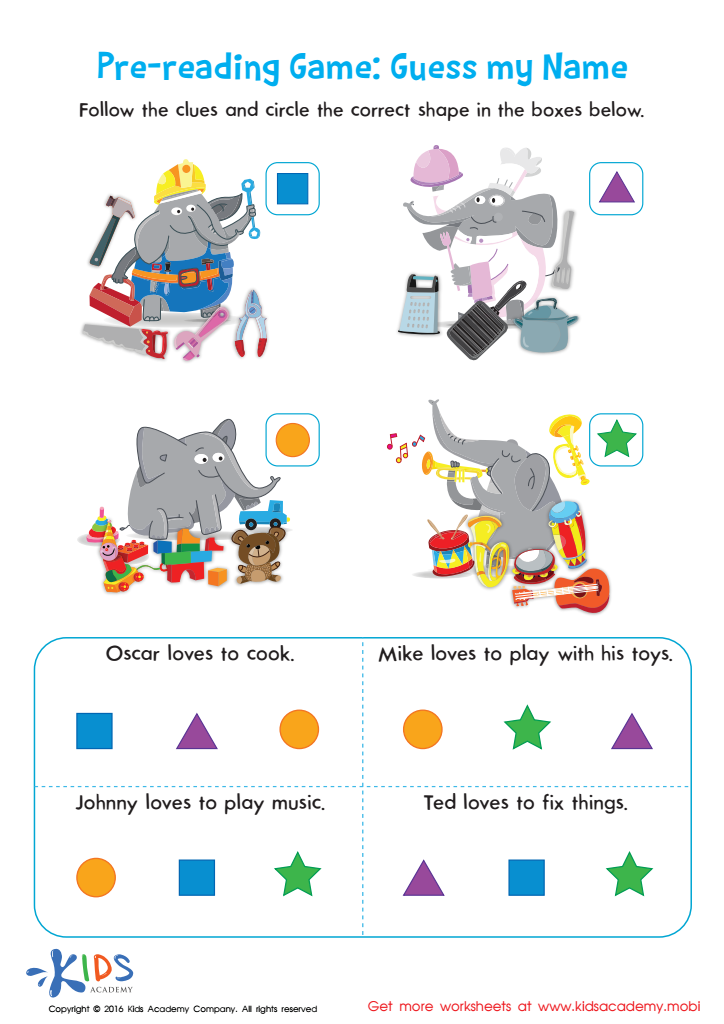
Pre Reading Worksheet Guess My Name





.jpg)

Letter recognition serves as the foundational building block for literacy, directly influencing a child's ability to read and write effectively. For children ages 3-9, mastering letter recognition is particularly crucial as it paves the way for future academic success. Parents and teachers should prioritize this skill because it not only aids in phonemic awareness but also helps children understand the relationship between letters and sounds, essential for decoding words.
By focusing on Letter Recognition Extra Challenge Reading, educators and parents can provide additional support and practice to ensure that children grasp these essential skills. Activities and challenges that expose children to letters in various contexts make learning engaging and interactive, reinforcing their understanding and retention.
Moreover, early mastery of letter recognition boosts confidence and encourages a positive attitude toward reading and learning in general. When children recognize letters easily, they can progress to more complex tasks like blending sounds and reading simple words, which fosters a love for reading and prepares them for more advanced literacy skills.
In summary, dedicating attention to letter recognition at a young age is an investment in a child's education, ensuring that they develop the necessary skills to succeed academically and enjoy a lifelong love of learning.