Vocabulary expansion Extra Challenge Social Studies Worksheets for Ages 3-9
5 filtered results
-
From - To
Discover our "Vocabulary Expansion Extra Challenge Social Studies Worksheets" tailored for children ages 3-9! These engaging worksheets are designed to enhance vocabulary while exploring fascinating social studies concepts. With a variety of fun activities, kids can learn new words related to community, culture, and geography, all while developing critical thinking skills. Perfect for both classroom and at-home learning, these worksheets encourage kids to think creatively and expand their knowledge. Empower your little learners with the tools they need to confidently express themselves and understand the world around them. Get ready for an educational adventure that sparks curiosity and imagination!
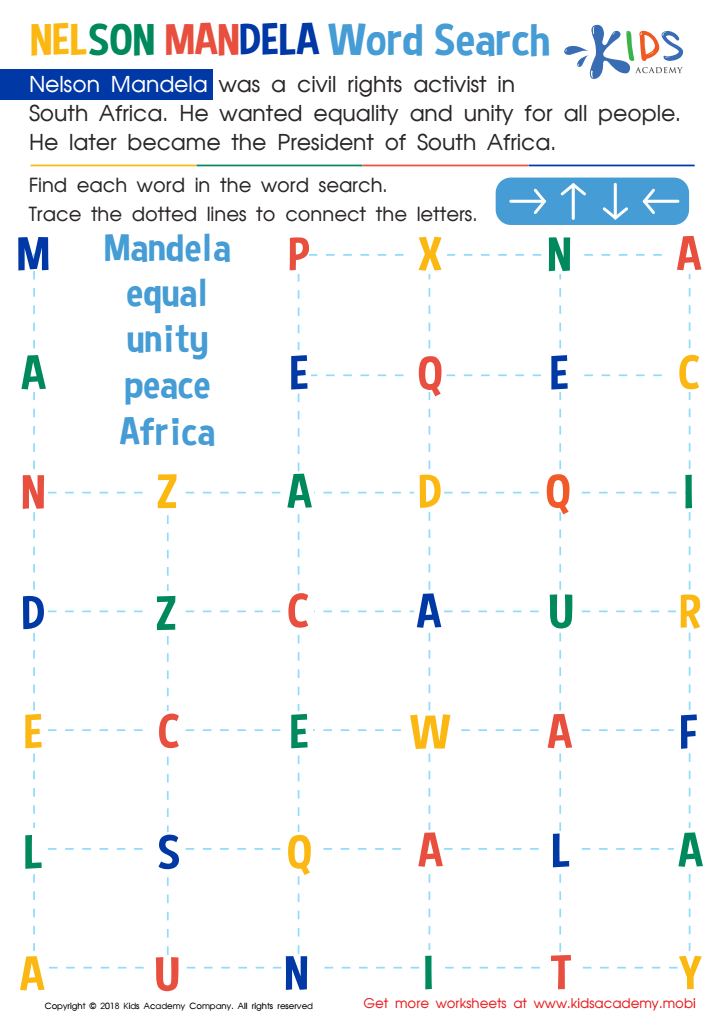
Nelson Mandela Word Search Worksheet
 Assign to My Students
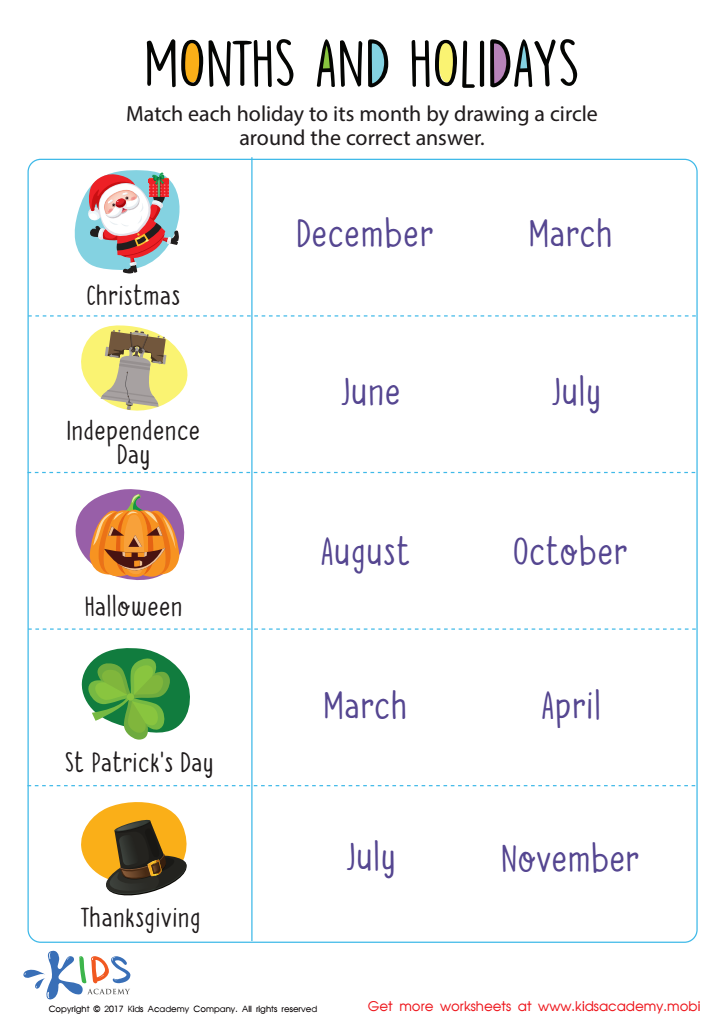
Months and Holidays Worksheet
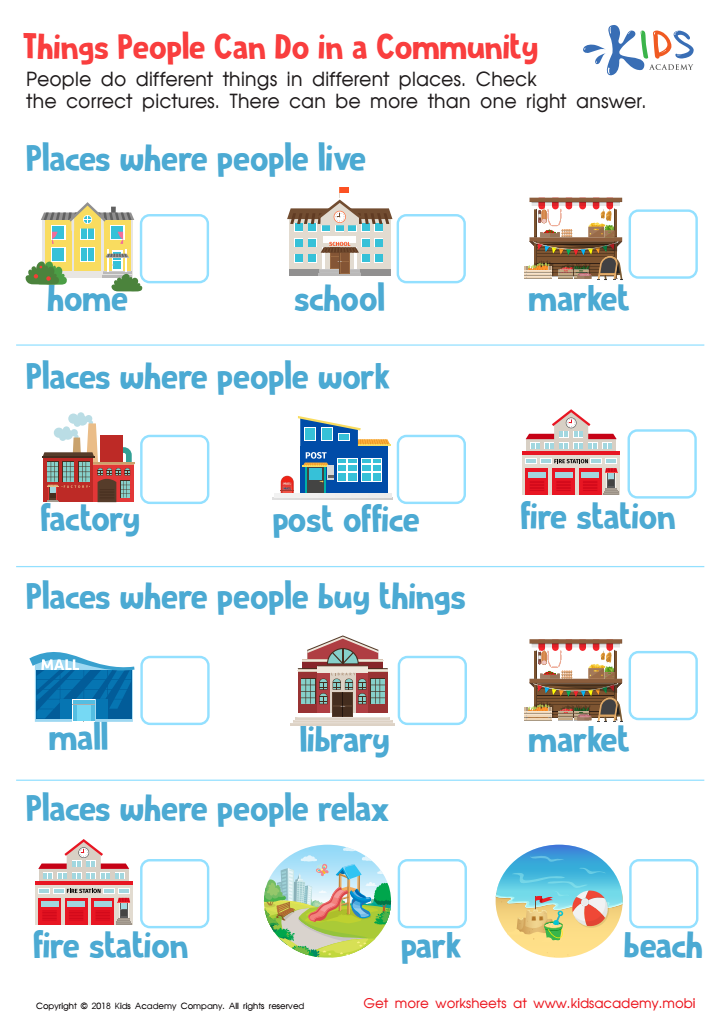
Things People Can Do in a Community Worksheet
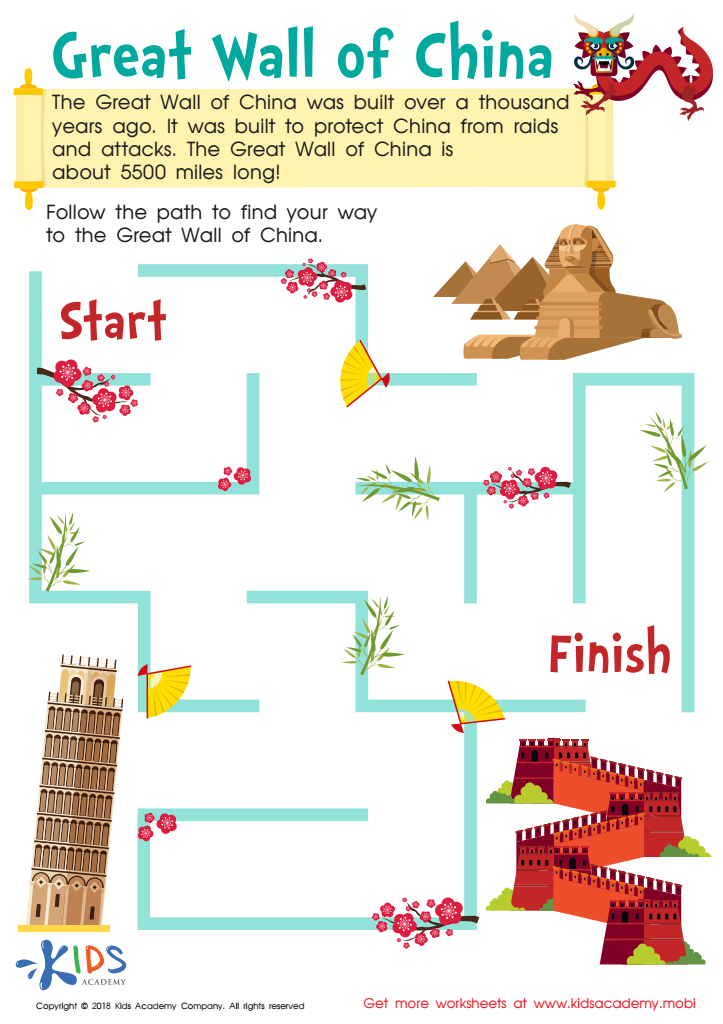
Great Wall of China Worksheet
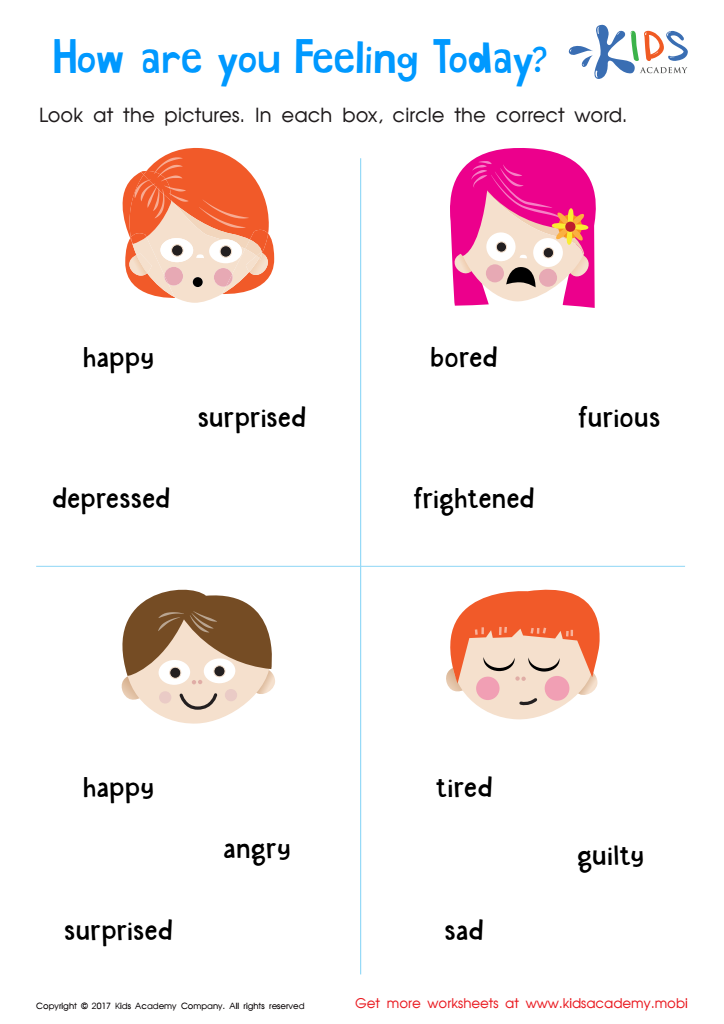
Understanding Feelings Worksheet






Vocabulary expansion is essential for young learners in the ages of 3-9, particularly within the context of Social Studies. At this age, children are eager to understand the world around them, and expanding their vocabulary is critical for fostering comprehension and critical thinking. When children enhance their lexicon, they gain the ability to articulate their thoughts and feelings, making connections to societal concepts such as community, culture, and history.
For parents and teachers, a thoughtful approach to vocabulary building in social studies can lead to improved communication skills, encouraging children to engage in meaningful conversations about their surroundings. It also supports literacy development, as a richer vocabulary directly contributes to better reading and writing capabilities.
Moreover, teaching vocabulary in a social studies context introduces children to diverse cultures and perspectives, promoting empathy and social awareness. By equipping children with the language to discuss global issues or historical events, educators and parents can nurture informed, culturally knowledgeable, and open-minded individuals. Ultimately, prioritizing vocabulary expansion within social studies creates a foundation for lifelong learning, ultimately enriching a child's academic life and social interactions. Therefore, investing effort in this area at a young age is crucial for holistic development.